dyed fox fur unassembled
CN → US| HS Code | Tariff Rate | Origin | Destination | Doc |
|---|---|---|---|---|
| 4301606000 | 17.5% | CN | US | Official Doc |
| 4301603000 | 22.6% | CN | US | Official Doc |
| 4302193030 | 36.5% | CN | US | Official Doc |
| 4302193040 | 36.5% | CN | US | Official Doc |
| 4302203000 | 37.1% | CN | US | Official Doc |
Product Images
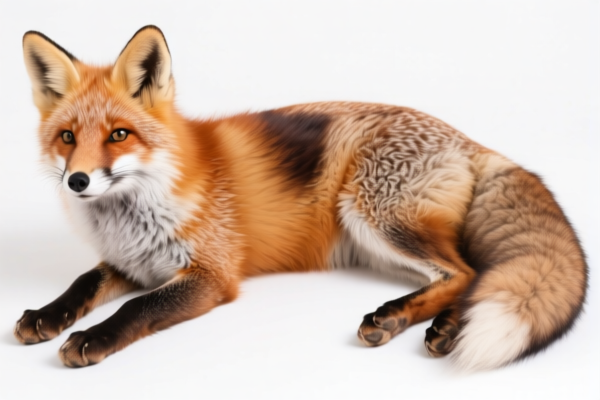
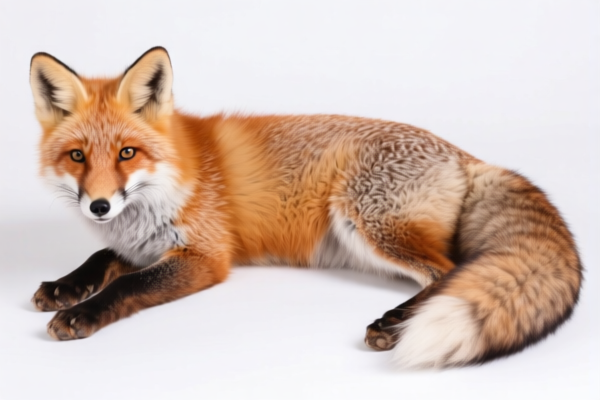
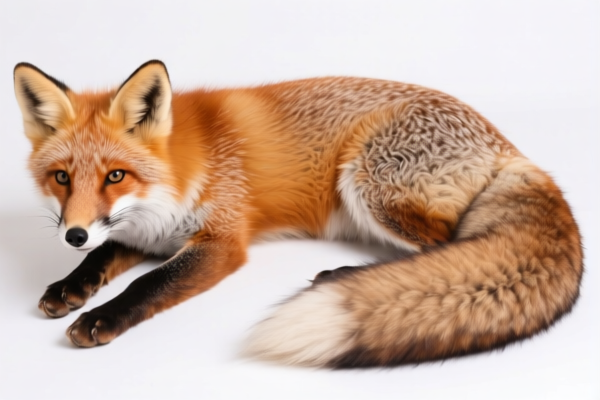
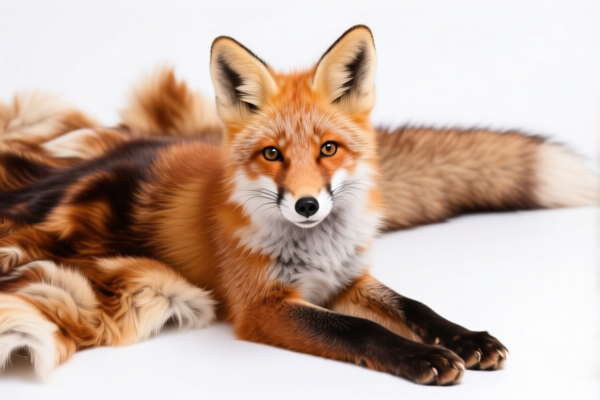
AI Analysis
🦊 Dyed Fox Fur (Unassembled) — HS Code Classification & Customs Clearance Guide
🌐 HS Code Reference & Customs Clearance Guide | 2026 Latest Tariff Analysis | Professional-Level Clearance Strategy
📌 一、Product Definition & Classification: Do You Really Understand “Dyed Fox Fur”?
Dyed fox fur is a high-value raw material used in luxury fashion, particularly for trim, collars, and full garments. In international trade, its classification depends heavily on its state of processing and physical form.
Two main categories exist:
1. Dyed Fox Skins (Raw/Prepared Pelts):
These are fox pelts that have been tanned, cured, and dyed, but are still in their natural skin form (i.e., unassembled, not sewn into garments). The dyeing process is considered a surface treatment that does not alter the fundamental nature of the raw fur material.
2. Assembled Fox Fur Products (Garments/Parts):
If the dyed fur is cut, sewn, or assembled into specific shapes (e.g., collars, cuffs, or full coats), it moves out of the “raw pelt” category and into “prepared fur” or “garment” categories.
⚠️ Key Distinction Point:
- If the fur is dyed but still in skin form (no sewing/assembly) → Classified as Raw/Prepared Fox Skins
- If the fur is cut/sewn/assembled → Classified as Prepared Fur (Unassembled Parts) or Garments
📦 二、HS Code Classification Details (2026 Latest Tariff Authority Comparison)
| HS Code | Product Description | Applicable Scenario | Dyed or Undyed? | Assembled? |
|---|---|---|---|---|
4301.60.60.00 |
Dyed Fox Skins, Raw/Prepared | Dyed fox pelts in skin form, no assembly | ✅ Dyed | ❌ No |
4301.60.30.00 |
Dyed Fox Skins, Raw/Prepared (Alternative) | Dyed fox pelts, classified as “original fur” with dye as processing step | ✅ Dyed | ❌ No |
4302.19.30.30 |
Undyed Fox Fur (Unassembled) | Undyed fox fur parts, material and form match definition | ❌ Undyed | ❌ No |
4302.19.30.40 |
Undyed Fox Fur (Unassembled) | Undyed fox fur, specific form match | ❌ Undyed | ❌ No |
4302.20.30.00 |
Beaver Fur Heads (Unassembled) | Beaver fur heads, not fox fur | N/A | ❌ No |
🔍 Key Reminder:
- Dyed fox fur in skin form belongs under 4301.60 (Fox Skins, Dyed).
- Undyed fox fur belongs under 4302.19 (Fox Fur, Undyed).
- Assembly status is critical: if sewn/cut into parts, it may move to 4302 (Prepared Fur).
- Beaver fur (4302.20) is not fox fur and must not be confused.
💰 三、2026 Latest Tariff Rate Breakdown (Including Additional Duties, Policy Surcharges)
✅ Applicable Country: United States (US)
✅ Origin: China (CN)
✅ Effective Date: November 10, 2025 (and subsequent imports)
🎯 1. 4301.60.60.00 —— Dyed Fox Skins (Raw/Prepared)
| Item | Content |
|---|---|
| Base Tariff | 0.0% (ad valorem) |
| Section 301 Tariff | +7.5% |
| IEEPA Tariff (Section 122) | +10% |
| Total Tariff | 17.5% |
| Tax Calculation | CIF Value × 17.5% |
| De Minimis Eligible? | ❌ No (deny_de_minimis) |
| Legal Authority Path | Section 301: 4301.60.60 → IEEPA:9903.01.24 → USITC:4301.60.60.00 |
📌 Explanation:
- Base tariff 0% because dyed fox skins are classified as raw pelts;
- 7.5% Section 301 applies to Chinese-origin fur products;
- 10% IEEPA Section 122 is an additional surcharge on Chinese fur items;
- Total 17.5% — highly significant, must be factored into cost models.
🎯 2. 4301.60.30.00 —— Dyed Fox Skins (Alternative Classification)
| Item | Content |
|---|---|
| Base Tariff | 5.1% |
| Section 301 Tariff | +7.5% |
| IEEPA Tariff (Section 122) | +10% |
| Total Tariff | 22.6% |
| Tax Calculation | CIF Value × 22.6% |
| De Minimis Eligible? | ❌ No |
| Legal Authority Path | Section 301: 4301.60.30 → IEEPA:9903.01.24 → USITC:4301.60.30.00 |
📌 Note:
- Slightly higher base tariff (5.1%) due to different subheading interpretation;
- Same additional surcharges apply;
- Total 22.6% — still high, but 5.1% higher than4301.60.60.00.
🎯 3. 4302.19.30.30 & 4302.19.30.40 —— Undyed Fox Fur (Unassembled)
| Item | Content |
|---|---|
| Base Tariff | 1.5% |
| Section 301 Tariff | +25.0% |
| IEEPA Tariff (Section 122) | +10% |
| Total Tariff | 36.5% |
| Tax Calculation | CIF Value × 36.5% |
| De Minimis Eligible? | ❌ No |
| Legal Authority Path | Section 301: 4302.19.30 → IEEPA:9903.01.24 → USITC:4302.19.30.30/40 |
📌 Warning:
- Undyed fox fur falls under 4302 (Prepared Fur), which has a much higher Section 301 rate (25%);
- Total 36.5% — significantly higher than dyed fox skins;
- Do not misclassify undyed fur as dyed to save costs — customs will detect via visual/chemical inspection.
🎯 4. 4302.20.30.00 —— Beaver Fur Heads (Unassembled)
| Item | Content |
|---|---|
| Base Tariff | 2.1% |
| Section 301 Tariff | +25.0% |
| IEEPA Tariff (Section 122) | +10% |
| Total Tariff | 37.1% |
| Tax Calculation | CIF Value × 37.1% |
| De Minimis Eligible? | ❌ No |
| Legal Authority Path | Section 301: 4302.20.30 → IEEPA:9903.01.24 → USITC:4302.20.30.00 |
📌 Note:
- This is beaver fur, not fox fur;
- 37.1% total tariff — highest among all listed;
- Must not be confused with fox fur declarations.
🛠️ 四、Customs Clearance Practical Advice (Battle-Tested Pitfall Avoidance Guide)
✅ 1. Documentation Checklist (All Required)
| Document | Required | Notes |
|---|---|---|
| ✅ Product Specifications | ✔️ | Include dye type, pelt size, weight, preparation method |
| ✅ Photos of Pelts | ✔️ | Clear images showing dye color, fur texture, skin side |
| ✅ Commercial Invoice | ✔️ | Must state “Dyed Fox Skins, Unassembled, HS Code 4301.60.60.00” |
| ✅ Packing List | ✔️ | Show quantity, weight, dimensions |
| ✅ Certificate of Origin (CO) | ✔️ | If not CN origin, may reduce IEEPA surcharge |
| ✅ Third-Party Inspection Report | ✔️ | Verify dye type and animal species (fox vs. other) |
✅ 2. Declaration Tips (Key Mantra)
🔥 “Dyed = 4301, Undyed = 4302, Assembly = Higher Duty, Name = Exact, Rate = Halved!”
| Scenario | Correct Declaration | Wrong Practice |
|---|---|---|
| Dyed fox skins, unassembled | 4301.60.60.00 |
Misdeclare as undyed → 36.5% |
| Undyed fox fur | 4302.19.30.30/40 |
Misdeclare as dyed → Underpay 19% |
| Assembled fox fur parts | 4302 or 6117 |
Declare as raw skins → Penalty + Back Tax |
| Beaver fur heads | 4302.20.30.00 |
Declare as fox fur → Fraud Alert |
✅ 3. Special Cases Handling
| Scenario | Handling Advice |
|---|---|
| Dye Change During Transit | Declare at current state; if re-dyed in US, report as “processed” |
| Mixed Fox/Other Fur | Separate by species; mixed lots may face scrutiny |
| OEM Custom Dye | Provide dye lab report + customer spec sheet |
| Samples/Small Shipments | Still subject to full tariff; no de minimis exemption |
🌍 五、Global Market Clearance Comparison (2026 Latest)
| Country/Region | Recommended HS Code | Tariff | Certification | Notes |
|---|---|---|---|---|
| 🇺🇸 US | 4301.60.60.00 |
17.5% (CN) | None required | 36.5% if undyed |
| 🇨🇳 China | 4301.60.60.00 |
0% | None | No additional duties |
| 🇪🇺 EU | 4301.60 |
4% | CITES if endangered | No US-style surcharges |
| 🇬🇧 UK | 4301.60 |
4% | CITES | Post-Brexit rules apply |
| 🇯🇵 Japan | 4301.60 |
10% | None | Higher base rate |
📌 Conclusion:
- US has unique surcharges (Section 301 + IEEPA) making total 17.5%~37.1%;
- EU/UK/Japan have simpler structures but require CITES compliance if fox species are protected;
- China origin faces highest US tariffs.
📌 Six. Common Errors & Pitfall Guide (Lessons from Blood & Tears)
❌ Mistake 1: Declaring dyed fox fur as undyed to save 19%
👉 Consequence: Customs inspection reveals dye → Back taxes + 20% penalty
❌ Mistake 2: Declaring unassembled skins as assembled parts
👉 Consequence: Misclassification → Higher duty + delay
❌ Mistake 3: Using “Fox Fur” without specifying dyed/undyed
👉 Consequence: Customs requests clarification → 7–14 day delay
❌ Mistake 4: Confusing fox with beaver/mink
👉 Consequence: CITES violation if endangered species → Seizure + Fine
✅ Correct Practice:
“Dyed Red Fox Skins, Unassembled, Tanned & Dyed, HS Code 4301.60.60.00, Origin China”
🎯 Seven. Conclusion: Professional Declaration Saves Money!
🎯 Remember the Mantra:
🔹 “Dyed = 4301 (17.5%), Undyed = 4302 (36.5%), Assembly = Higher, Name = Exact!”
🔹 “HS Code decides your fate, 19% difference, one mistake = thousands lost!”
📌 Pro Tip:
If your fox fur is originated in Canada, Russia, or EU, IEEPA surcharge may be reduced — verify with USITC.
Recommend pre-classification ruling (Advance Ruling) for large shipments.
📣 Act Now:
📞 Contact licensed customs broker + Provide pelt photos + Apply for HS Code Advance Ruling
🚀 Clear customs smoothly, cut costs, boost profit!
✨ Professional Clearance Starts with Accurate Classification!
💼 Every cent of your cost deserves precise calculation!
Customer Reviews
About HS Code Classification
The Harmonized System (HS) is an internationally standardized nomenclature developed by the World Customs Organization (WCO) to classify traded products. Over 200 countries use the HS system as the basis for customs tariffs, trade statistics, and import/export regulations.
Each HS code follows a hierarchical structure:
- Chapter (2 digits) — Broad category of goods (e.g., Chapter 84: Machinery and Mechanical Appliances)
- Heading (4 digits) — More specific grouping within the chapter
- Subheading (6 digits) — Internationally standardized breakdown, used by all WCO member countries
- National subdivisions (8-10 digits) — Country-specific extensions for further classification, such as US HTSUS 10-digit codes
Correct HS code classification is essential for smooth customs clearance, accurate duty payment, and compliance with trade regulations. Misclassification can lead to customs delays, overpayment of duties, or penalties.
When importing from CN to US, the applicable tariff rates may include:
- Most-Favored-Nation (MFN) rate — The standard duty rate applied to WTO members
- General rate — Applied to countries without trade agreements
- Trade remedy duties — Additional tariffs such as Section 301 (anti-dumping), Section 232 (national security), or countervailing duties
The information provided on this page is for reference purposes only. For official classification, please consult with your local customs authority or a licensed customs broker.