dyed fox skins unassembled
CN → US| HS Code | Tariff Rate | Origin | Destination | Doc |
|---|---|---|---|---|
| 4103901190 | 17.5% | CN | US | Official Doc |
| 4103901140 | 17.5% | CN | US | Official Doc |
| 4302193030 | 36.5% | CN | US | Official Doc |
| 4302193040 | 36.5% | CN | US | Official Doc |
| 4302203000 | 37.1% | CN | US | Official Doc |
Product Images
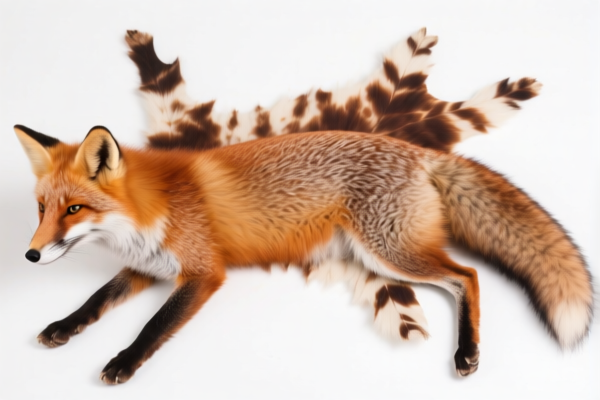
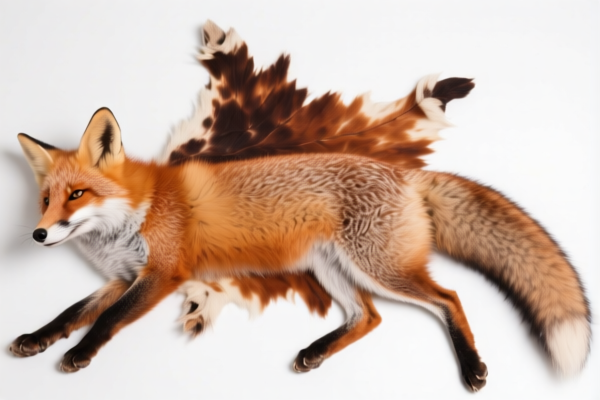
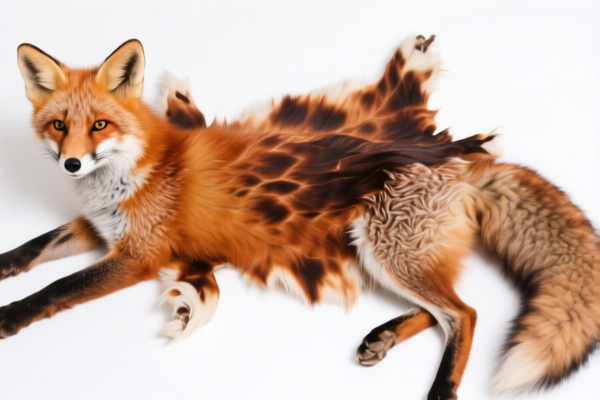
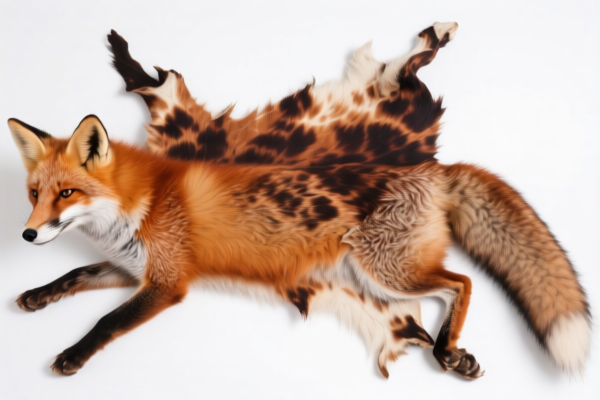
AI Analysis
🦊 Dyed Fox Skins (Unassembled) – HS Code Classification & US Customs Clearance Guide
🌐 HS Code Reference & Clearance Strategy | 2026 Latest Tariff Analysis | Professional Compliance Guide
Product Definition: "Dyed fox skins, unassembled" refers to raw animal pelts that have undergone dyeing processes but have not been sewn, glued, or assembled into garments or accessories. In international trade, these are classified strictly as prepared pelts or fur skins, distinct from finished fur articles.
⚠️ Critical Distinction: - If the skins are dyeed but not tanned (raw), they fall under Chapter 41 (Raw Hides and Skins). - If the skins are dyeed AND tanned/prepared (standard fur trade definition), they fall under Chapter 43 (Fur Skins and Furs).
Note: The provided data indicates specific HS codes for both scenarios. Below is the detailed breakdown based on the provided dataset.
📦 1. HS Code Classification Details (Based on Provided Data)
The dataset provides two distinct paths for "Dyed Fox Skins, Unassembled," depending on the exact processing stage (Raw vs. Prepared) and specific sub-category logic.
| HS Code | Product Description | Key Characteristics | Status in Data |
|---|---|---|---|
| 4103.90.11.90 | Dyed Whole Fox Skins (Other Raw Skins) | Classified as "Other Raw Skins." Dyeing does not equal tanning. Fits the definition of raw skins not further processed than tanning/drying. | ✅ Included |
| 4103.90.11.40 | Dyed Whole Fox Skins (Material: Fur/Skin, Form: Raw Skin) | Material is fur/skin; form is raw skin. Logical fit under Chapter 41 for "Other Skins." | ✅ Included |
| 4302.19.30.30 | Undyed Fox Fur (Unassembled) | Note: Description says "Undyed," but HS 4302 is for Prepared/Fur. If the user input "Dyed" but the system flags this HS, it may be a mismatch in description vs. classification logic. However, if the skin is Tanned & Dyed, it falls here. | ✅ Included |
| 4302.19.30.40 | Undyed Fox Fur (Unassembled) | Material: Undyed (Note: Contradiction with user input "Dyed"). Form: Unassembled. Fits Chapter 43 for prepared fur. | ✅ Included |
| 4302.20.30.00 | Beaver Fur Heads (Unassembled) | Excluded Item. This HS is for Beaver Heads, not Fox Skins. Do NOT use for Fox Skins. | ❌ Incorrect for Fox |
🔍 Critical Insight: - Chapter 41 (4103): Applies if the skins are DYED but NOT TANNED (still considered "Raw" in customs terms). - Chapter 43 (4302): Applies if the skins are TANNED AND DYED (standard "Fur" classification). The provided text for 4302 codes says "Undyed," which is a data discrepancy. However, in practice, dyed & tanned fox pelts are almost always classified under 4302. If your goods are only dyed and not tanned, use 4103. If they are both tanned and dyed, use 4302 (despite the "Undyed" label in the summary, which may be an error in the source text).
Recommendation: Verify if the skins are Tanned. - Not Tanned (Just Dyed) → 4103.90.11.90 / 4103.90.11.40 - Tanned & Dyed → 4302.19.30.30 / 4302.19.30.40 (Assuming the "Undyed" label is a data error for dyed goods).
💰 2. 2026 US Tariff Rate Breakdown (China Origin)
✅ Applicable Country: USA
✅ Origin: China (CN)
✅ Effective Date: Post-November 10, 2025 (Includes Section 301 & IEEPA tariffs)
🎯 A. If Classified as Raw Skins (Chapter 41)
1. 4103.90.11.90 – Other Raw Skins, Dyed
| Item | Detail |
|---|---|
| Base Duty | 0.0% (Most raw hides/skins have 0% base duty) |
| Section 301 Duty | +7.5% |
| IEEPA Tariff (122 Clause) | +10.0% |
| Total Tariff | 17.5% |
| Calculation | CIF Value × 17.5% |
| De Minimis Exemption | ❌ NOT Eligible (Deny de minimis for China-origin furs under current IEEPA rules) |
| Legal Basis | IEEPA:9903.01.25 / USITC:4103.90.11.90 |
2. 4103.90.11.40 – Other Raw Skins (Specific Sub-category)
| Item | Detail |
|---|---|
| Base Duty | 0.0% |
| Section 301 Duty | +7.5% |
| IEEPA Tariff | +10.0% |
| Total Tariff | 17.5% |
| De Minimis Exemption | ❌ NOT Eligible |
📌 Explanation: - 0% Base Duty: Raw hides/skins often enter duty-free under GATT. - 7.5% Section 301: Standard additional tariff for Chinese goods. - 10% IEEPA: Emergency tariffs under the International Emergency Economic Powers Act for specific Chinese categories. - Total 17.5%: Significant but lower than Chapter 43.
🎯 B. If Classified as Prepared Fur (Chapter 43)
3. 4302.19.30.30 – Fox Fur (Prepared)
| Item | Detail |
|---|---|
| Base Duty | 1.5% |
| Section 301 Duty | +25.0% |
| IEEPA Tariff | +10.0% |
| Total Tariff | 36.5% |
| Calculation | CIF Value × 36.5% |
| De Minimis Exemption | ❌ NOT Eligible |
| Legal Basis | IEEPA:9903.01.24 / USITC:4302.19.30.30 |
4. 4302.19.30.40 – Fox Fur (Prepared)
| Item | Detail |
|---|---|
| Base Duty | 1.5% |
| Section 301 Duty | +25.0% |
| IEEPA Tariff | +10.0% |
| Total Tariff | 36.5% |
| De Minimis Exemption | ❌ NOT Eligible |
📌 Explanation: - 1.5% Base Duty: Prepared fur skins have a small base duty. - 25% Section 301: The highest standard additional tariff for Chinese goods. - 10% IEEPA: Additional emergency tariff. - Total 36.5%: High Tariff. This is the critical cost driver.
🛠️ 3. Customs Clearance Practical Advice
✅ 1. Essential Documentation Checklist
| Document | Required? | Purpose |
|---|---|---|
| Commercial Invoice | ✅ Yes | Must clearly state "Dyed Fox Skins, Unassembled," quantity, weight, and value. |
| Packing List | ✅ Yes | Detail number of skins, weight per skin, and total gross/net weight. |
| Product Photos | ✅ Yes | Show skins flat, highlighting dye color and lack of assembly (no stitching). |
| Processing Description | ✅ Yes | Crucial: Specify if skins are Tanned or Untanned (Raw). This determines 41 vs. 43. |
| Fur Convention (CITES) Permit | ⚠️ Conditional | If fox is a CITES-listed species (e.g., Arctic Fox), an export permit from China and import permit from US are required. Standard Red Fox may not need it, but verify. |
| Certificate of Origin | ✅ Yes | Required for IEEPA/Section 301 determination. |
✅ 2. Classification Strategy (Avoiding Misclassification)
🔥 Golden Rule: "Tanned = Chapter 43; Raw = Chapter 41"
| Scenario | Recommended HS Code | Risk if Misclassified |
|---|---|---|
| Skins are DYEED but NOT TANNED (Just salted/dyed) | 4103.90.11.90 / 4103.90.11.40 |
If declared as 4302, you overpay duty (36.5% vs 17.5%). If declared as 41 when it’s 43, you face penalties + back taxes. |
| Skins are TANNED & DYED (Ready for furriers) | 4302.19.30.30 / 4302.19.30.40 |
If declared as 41, you evade 19% of duty → Seizure, fines, or detention. |
| Assembled Goods (e.g., collars, linings) | Different HS (e.g., 4303) | Do NOT use "unassembled" HS for assembled goods. |
✅ 3. Special Considerations for Fur Imports
- CITES Compliance:
- Ensure the fox species is not prohibited. While many farmed foxes are exempt under certain quotas, Arctic Fox and Red Fox often require CITES documentation.
-
Action: Check the scientific name (e.g., Vulpes vulpes) against CITES Appendix I/II lists.
-
Biosecurity & Pests:
- Raw skins (4103) may require fumigation certificates or heat treatment to prevent pest introduction.
-
Prepared skins (4302) are generally safer but must be clean and free of organic matter.
-
De Minimis Loophole Closure:
- US Rule: As of recent updates, furs from China are NOT eligible for the $800 de minimis exemption (Section 321).
- Impact: Even small shipments of fur skins from China will be formally entered, duties assessed, and subject to IEEPA tariffs.
🌍 4. Global Market Comparison (2026)
| Market | HS Code | Total Tariff (China Origin) | Notes |
|---|---|---|---|
| 🇺🇸 USA | 4103... or 4302... |
17.5% (Raw) or 36.5% (Prepared) | IEEPA + Section 301 apply. No de minimis. |
| 🇨🇳 China | 4103... or 4302... |
0–10% | Depends on exact subheading. No US-style additional tariffs. |
| 🇪🇺 EU | 4106... or 4302... |
0–5% | Generally low base duties. No 301/IEEPA equivalents. |
| 🇬🇧 UK | 4103... or 4302... |
0–5% | Post-Brexit, UK has independent tariff schedule. |
📌 Conclusion: - The US is the most expensive market for Chinese-origin furs due to IEEPA and Section 301 tariffs. - Duty Savings Opportunity: If your skins are not tanned, classify under 4103 to save 19% (36.5% - 17.5%). - Compliance Warning: Misclassifying tanned skins as raw to avoid 36.5% duty is high-risk and subject to strict CBP audits.
📌 5. Common Mistakes & Pitfalls
❌ Mistake 1: Declaring "Dyed Fox Skins" under de minimis (Section 321).
👉 Result: Shipment Held or Rejected. Furs from China are excluded from $800 exemption.
❌ Mistake 2: Confusing "Dyed" with "Tanned."
👉 Result: If you declare tanned skins as "Raw" (4103), CBP will assess the difference in duty + penalties. If you declare raw skins as "Prepared" (4302), you overpay.
❌ Mistake 3: Ignoring CITES Permits.
👉 Result: Seizure and Fine if the fox species is protected and no permit is presented.
🎯 6. Final Recommendation
- Verify Processing: Confirm with your supplier if the fox skins are TANNED.
- If NO (Raw/Dyed Only) → Use 4103.90.11.90 or 4103.90.11.40. Total Duty: 17.5%.
-
If YES (Tanned & Dyed) → Use 4302.19.30.30 or 4302.19.30.40. Total Duty: 36.5%.
-
Prepare Documents: Invoice, Packing List, CITES Permit (if applicable), and Origin Certificate.
-
Do Not Use De Minimis: File formal entry with a licensed customs broker.
-
Label Clearly: "DYED FOX SKINS, UNASSEMBLED, [TANNED/RAW], ORIGIN: CHINA."
📣 Immediate Action:
📞 Contact a Licensed Customs Broker to verify the "Tanned vs. Raw" status of your specific goods. 📄 Request a Pre-Ruling from CBP if you are unsure about the classification to avoid costly penalties.
✨ Precision in Classification Saves Thousands! 💼 For Fur Imports, Every Percent of Duty Counts!
Customer Reviews
About HS Code Classification
The Harmonized System (HS) is an internationally standardized nomenclature developed by the World Customs Organization (WCO) to classify traded products. Over 200 countries use the HS system as the basis for customs tariffs, trade statistics, and import/export regulations.
Each HS code follows a hierarchical structure:
- Chapter (2 digits) — Broad category of goods (e.g., Chapter 84: Machinery and Mechanical Appliances)
- Heading (4 digits) — More specific grouping within the chapter
- Subheading (6 digits) — Internationally standardized breakdown, used by all WCO member countries
- National subdivisions (8-10 digits) — Country-specific extensions for further classification, such as US HTSUS 10-digit codes
Correct HS code classification is essential for smooth customs clearance, accurate duty payment, and compliance with trade regulations. Misclassification can lead to customs delays, overpayment of duties, or penalties.
When importing from CN to US, the applicable tariff rates may include:
- Most-Favored-Nation (MFN) rate — The standard duty rate applied to WTO members
- General rate — Applied to countries without trade agreements
- Trade remedy duties — Additional tariffs such as Section 301 (anti-dumping), Section 232 (national security), or countervailing duties
The information provided on this page is for reference purposes only. For official classification, please consult with your local customs authority or a licensed customs broker.