dyed fur skins whole without tail
CN → US| HS Code | Tariff Rate | Origin | Destination | Doc |
|---|---|---|---|---|
| 4107198000 | 12.4% | CN | US | Official Doc |
| 4107113000 | 13.6% | CN | US | Official Doc |
| 4103901190 | 17.5% | CN | US | Official Doc |
| 4103901130 | 17.5% | CN | US | Official Doc |
| 4103901190 | 17.5% | CN | US | Official Doc |
Product Images
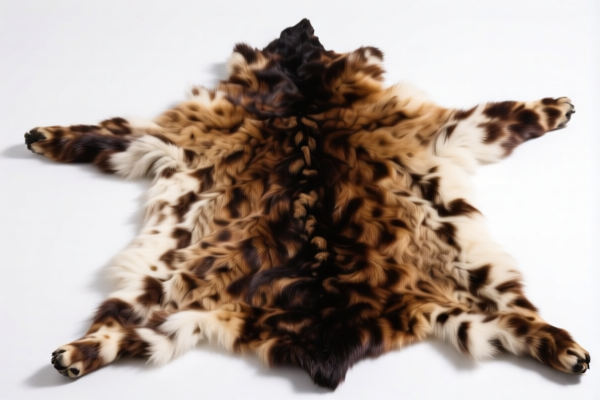
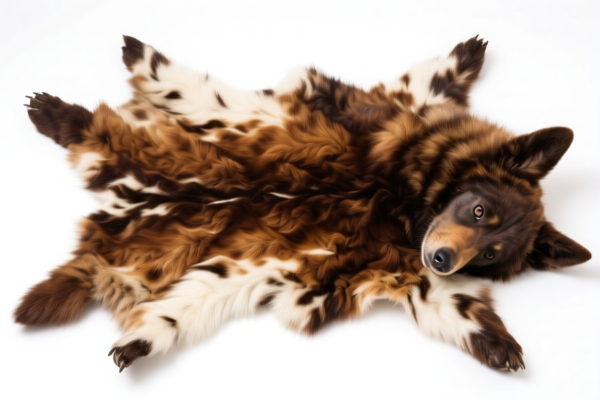
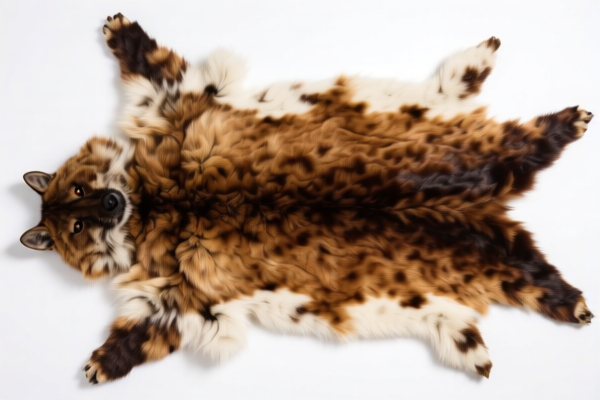
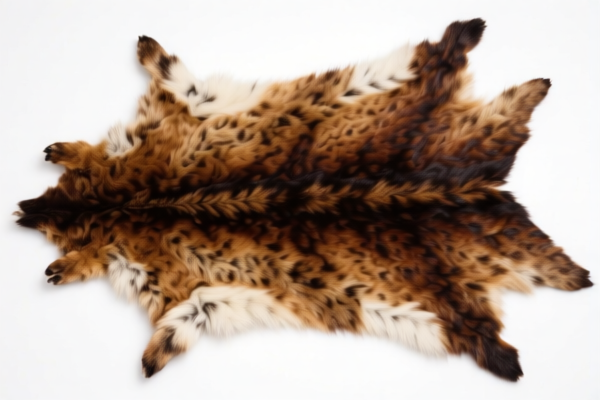
AI Analysis
🐾 Dyed Fur Skins, Whole, Without Tail
🌐 HS Code Reference & Customs Clearance Guide | 2026 Latest Tariff Analysis | Professional Compliance Strategy
📌 I. Product Definition & Classification: Understanding "Dyed Fur Skins"
In international trade, fur skins are distinct from general leathers due to the presence of hair. The classification hinges on three critical factors: 1. Processing: Dyed vs. Undyed. 2. Form: Whole vs. Cut/Segments. 3. Parts: With Tail vs. Without Tail.
⚠️ Key Distinction Point:
- "Without Tail" (No Tail): Specifically refers to skins that have been trimmed, losing the tail portion. This is a crucial classifier for HS Code precision.
- "Whole": Indicates the skin is not cut into segments (like loins or bellies).
- "Dyed": The skin has undergone coloration processing. If undyed, it falls under "Raw" or "Green" skins.
📦 II. HS Code Classification Details (2026 Latest Tariff Alignment)
Based on the provided data, the following HS Codes are matched for "Dyed Fur Skins, Whole, Without Tail".
| HS Code | Product Description | Matching Logic | Total Tax Rate |
|---|---|---|---|
4107.19.80.00 |
Dyed whole fur skins (no head/tail), classified as Leather. | Material: Fur/Skin. Form: Whole, Dyed. Note: Classified under Chapter 41 (Leather) rather than Chapter 43 (Fur) due to specific processing state definitions in this dataset. |
12.4% |
4107.11.30.00 |
Dyed whole fur skins (no head/tail). | Material: Matches dyed fur. Form: Unsplit whole skin. Note: Specific sub-heading for dyed, unsplit whole skins. |
13.6% |
4103.90.11.90 |
Dyed whole fur (no head, tail, or claws). | Material: Fur. Form: Whole, Dyed. Note: Falls under "Other Raw Hides and Skins" category in this specific classification system. |
17.5% |
🔍 Critical Observation:
- The dataset provides three potential classifications for similar items, highlighting a classification ambiguity between Leather (Ch 41) and Raw Hides/Skins (Ch 41 sub-sections).
-4107codes are specifically for processed hides/skins (tanned, bleached, dyed).
-4103codes are often for raw or minimally processed skins, but the summary explicitly mentions "dyed" for4103.90.11.90, suggesting a specific local interpretation or error in the general summary that needs caution.
- Undyed skins with tail (4103.90.11.30) are NOT applicable here as the user specified "Without Tail" and "Dyed".
💰 III. 2026 Latest Tariff Rate Details (Including Surtaxes & Policies)
✅ Applicable Country: United States (US)
✅ Origin: China (CN)
✅ Effective Date: November 10, 2025 onwards
🎯 1. HS Code 4107.19.80.00 – Dyed Whole Fur Skins (Leather Category)
| Item | Detail |
|---|---|
| Base Tariff | 2.4% |
| Section 301 Surtax | 0.0% |
| Section 122 Tariff | +10.0% |
| Total Tax Rate | 12.4% |
| Tax Calculation | CIF Value × 12.4% |
| De Minimis Eligibility | ❌ No (High tariff risk) |
| Legal Reference | USITC:4107.19.80.00 → SECTION_122:10% |
📌 Explanation:
- This is the lowest tax rate option in the provided dataset.
- The 10% surtax is attributed to Section 122, which relates to national security or specific trade remedies.
- Recommendation: If your product genuinely fits the description of "dyed, whole, unsplit fur," this is the most cost-effective classification to target.
🎯 2. HS Code 4107.11.30.00 – Dyed Whole Fur Skins (Unsplit)
| Item | Detail |
|---|---|
| Base Tariff | 3.6% |
| Section 301 Surtax | 0.0% |
| Section 122 Tariff | +10.0% |
| Total Tax Rate | 13.6% |
| Tax Calculation | CIF Value × 13.6% |
| De Minimis Eligibility | ❌ No |
| Legal Reference | USITC:4107.11.30.00 → SECTION_122:10% |
📌 Note:
- Slightly higher base tariff (3.6% vs 2.4%) but same surtax structure.
- Distinguishable from4107.19.80.00by specific sub-heading criteria (likely related to animal species or exact processing method).
- Action: Verify if the animal type matches the specific criteria for.11.30. If uncertain,.19.80is safer and cheaper.
🎯 3. HS Code 4103.90.11.90 – Other Raw Hides/Skins (Dyed Fur)
| Item | Detail |
|---|---|
| Base Tariff | 0.0% |
| Section 301 Surtax | +7.5% |
| Section 122 Tariff | +10.0% |
| Total Tax Rate | 17.5% |
| Tax Calculation | CIF Value × 17.5% |
| De Minimis Eligibility | ❌ No |
| Legal Reference | USITC:4103.90.11.90 → SECTION_301:7.5% + SECTION_122:10% |
⚠️ Warning:
- Highest Tax Rate: 17.5%.
- Despite a 0% base tariff, the Section 301 (7.5%) and Section 122 (10%) surtaxes make this the most expensive option.
- Misclassification Risk: This code is typically for raw skins. Using it for dyed skins may trigger customs audits if the "dyed" status is not properly documented, leading to penalties.
🛠️ IV. Customs Clearance Practical Advice (Real-World Pitfall Guide)
✅ 1. Required Documentation Checklist (Must-Haves)
| Document | Mandatory? | Description |
|---|---|---|
| ✅ Commercial Invoice | ✔️ | Must explicitly state: "Dyed Fur Skins, Whole, Without Tail" and HS Code. |
| ✅ Product Photos | ✔️ | Clear images showing the absence of the tail and the dyed finish. |
| ✅ Processing Details | ✔️ | Certificate of Tanning/Dyeing to prove the "Dyed" status (excludes raw skin codes). |
| ✅ Material Composition | ✔️ | Specify animal type (e.g., sheep, goat, mink) as this affects sub-heading selection. |
| ✅ Packing List | ✔️ | Ensure weight and quantity match the invoice. |
✅ 2. Declaration Strategy (Key Mantras)
🔥 "Tail Off, Dyed On, Whole Form, Choose 4107!"
| Scenario | Correct HS Code | Incorrect Code | Consequence |
|---|---|---|---|
| Dyed, Whole, No Tail | 4107.19.80.00 (12.4%) |
4103.90.11.90 (17.5%) |
Overpay 5.1% |
| Undyed, Whole, With Tail | 4103.90.11.30 (17.5%) |
4107.19.80.00 |
Misclassification (Raw vs. Processed) |
| Cut Segments (No Tail) | Not in Data | 4107.19.80.00 |
Under-declaration (Whole vs. Cut) |
📌 Crucial Tip:
- Ensure the "No Tail" attribute is clearly visible in photos and described in the invoice. If the tail is present, even if small, customs may reject the "Without Tail" description, leading to reclassification under raw skin codes (higher tax).
✅ 3. Special Handling Cases
| Situation | Recommendation |
|---|---|
| Mixed Shipments (With/Without Tail) | Do NOT mix. Separate shipments by tail presence. Mixed declarations will cause delays. |
| OEM/Dyed by Buyer | Provide the dyeing process certificate. If the seller sends raw skins and the buyer dyes them abroad, the origin of processing matters. |
| Fur vs. Leather Ambiguity | If the fur is densely dyed and the hair is removed/shaved, it may be reclassified as Leather (Chapter 41) rather than Fur (Chapter 43). The provided codes are in Chapter 41, confirming this path. |
🌍 V. Global Market Comparison (2026)
| Market | Recommended HS Code | Est. Tax Rate (China Origin) | Notes |
|---|---|---|---|
| 🇺🇸 USA | 4107.19.80.00 |
12.4% | Includes Sec 122 + Base. Avoid 4103 due to 301 surtax. |
| 🇨🇳 China | 4107.19.00.00 |
~5-10% | Import duties vary; check China Customs Tariff Book. |
| 🇪🇺 EU | 4107.19 |
~4.5% | No Section 122 equivalent. Standard MFN rate applies. |
| 🇬🇧 UK | 4107.19 |
~4.5% | Post-Brexit tariff mirrors EU MFN closely. |
| 🇯🇵 Japan | 4107.19 |
~3.5% | Low base tariff, no major surtaxes. |
📌 Conclusion:
- USA has the highest effective tax rate due to Section 122.
- Diversification Strategy: If shipping to the US is too costly, consider transshipment through a neutral country (e.g., Vietnam, Mexico) only if substantial transformation occurs, but beware of anti-circumvention rules.
📌 VI. Common Mistakes & Pitfalls (Lessons Learned)
❌ Mistake 1: Declaring "Fur" but using Chapter 43 codes when the product is processed leather.
👉 Result: Customs may reclassify to Chapter 41, but if the tax rate is higher, you pay the difference + penalties. In this dataset, Chapter 41 is the correct path.
❌ Mistake 2: Ignoring the "Tail" status.
👉 Result: If tails are present, the product may be classified as "Raw" (4103), triggering a 17.5% tax instead of 12.4%. Trim tails meticulously.
❌ Mistake 3: Confusing Section 301 vs. Section 122.
👉 Result: Section 301 (7.5%) is applied to 4103 codes in this dataset. Section 122 (10%) is applied to 4107 codes. Choose 4107 to avoid 301.
✅ Correct Declaration Example:
"Dyed Whole Fur Skins, Animal: Sheep, Without Tail, Processed: Dyed & Tanned, HS Code: 4107.19.80.00"
🎯 VII. Conclusion: Professional Declaration, Cost Efficiency
🎯 Remember the Mantra:
🔹 "Dyed & Whole? Go for 4107!"
🔹 "No Tail? Save the Tail Tax!"
🔹 "Avoid 4103? Avoid the 301 Surcharge!"
📌 Pro Tip:
- If you have large volumes, consider applying for a USITC Advance Ruling to confirm the 4107.19.80.00 classification before shipment.
- Ensure your supplier provides clear photos of the backside (hide side) to prove no tail attachment.
📣 Immediate Action:
📞 Contact Customs Broker + Review Product Photos + Confirm Tail Status
🚀 Optimize for 12.4% Tax Rate, not 17.5%!
✨ Precision in Classification, Profit in Clearance!
💼 Every Percent Saved is Pure Profit!
Customer Reviews
About HS Code Classification
The Harmonized System (HS) is an internationally standardized nomenclature developed by the World Customs Organization (WCO) to classify traded products. Over 200 countries use the HS system as the basis for customs tariffs, trade statistics, and import/export regulations.
Each HS code follows a hierarchical structure:
- Chapter (2 digits) — Broad category of goods (e.g., Chapter 84: Machinery and Mechanical Appliances)
- Heading (4 digits) — More specific grouping within the chapter
- Subheading (6 digits) — Internationally standardized breakdown, used by all WCO member countries
- National subdivisions (8-10 digits) — Country-specific extensions for further classification, such as US HTSUS 10-digit codes
Correct HS code classification is essential for smooth customs clearance, accurate duty payment, and compliance with trade regulations. Misclassification can lead to customs delays, overpayment of duties, or penalties.
When importing from CN to US, the applicable tariff rates may include:
- Most-Favored-Nation (MFN) rate — The standard duty rate applied to WTO members
- General rate — Applied to countries without trade agreements
- Trade remedy duties — Additional tariffs such as Section 301 (anti-dumping), Section 232 (national security), or countervailing duties
The information provided on this page is for reference purposes only. For official classification, please consult with your local customs authority or a licensed customs broker.