dyed whole animal hide no claws
CN → US| HS Code | Tariff Rate | Origin | Destination | Doc |
|---|---|---|---|---|
| 4107198000 | 12.4% | CN | US | Official Doc |
| 4107113000 | 13.6% | CN | US | Official Doc |
| 4103901190 | 17.5% | CN | US | Official Doc |
Product Images
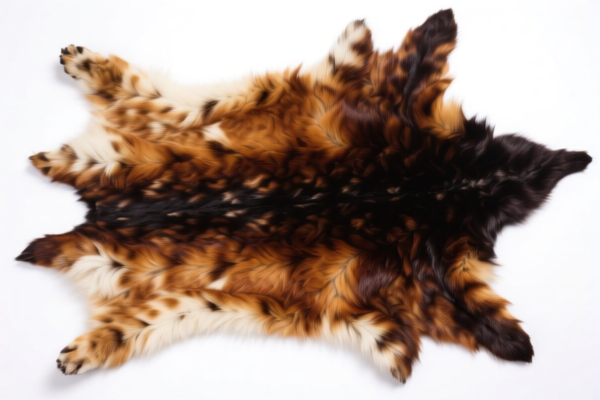
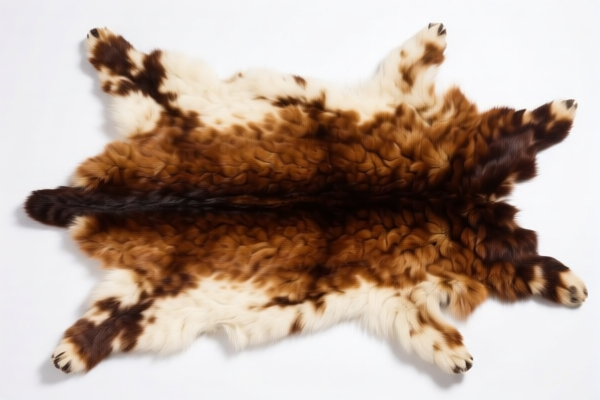
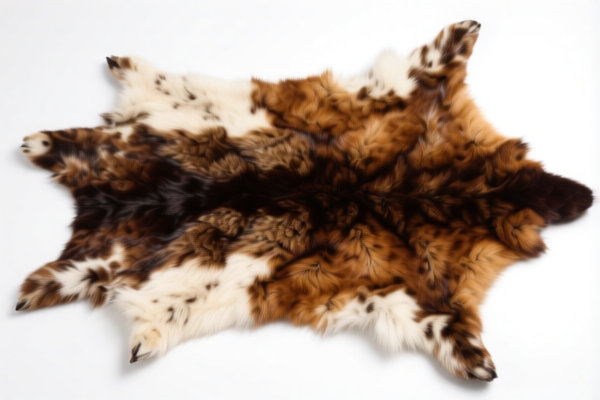
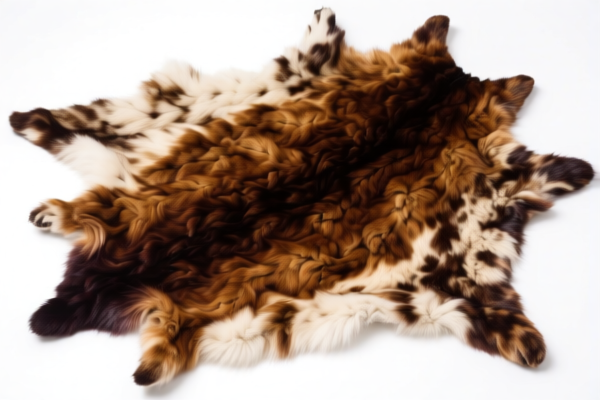
AI Analysis
🐮 Dyed Whole Animal Hide No Claws (Raw Hides)
🌐 HS Code Reference & Customs Clearance Guide | 2026 Latest Tariff Analysis | Professional Entry Strategy
📌 I. Product Definition & Classification: Do You Truly Understand “Dyed Whole Animal Hides”?
Dyed whole animal hides without claws are processed leather materials in the early stages of production. In international trade, they are categorized based on three critical factors: 1. Processing Level: Are they merely salted, or have they undergone tanning/dyeing? 2. Physical State: Is it the entire hide (whole) or split into layers? 3. Specific Features: Are heads, tails, or claws removed?
⚠️ Key Distinction:
- If the hide is dyed and remains as a single, unsplit layer (whole), it typically falls under Chapter 41 (Leather).
- If it is considered an "other raw hide" (e.g., only salted or lightly treated but not fully tanned/dyed according to legal definitions), it might fall under 4103.
- Crucial Note: The input data suggests specific HS codes for "Dyed Whole Animal Hide," implying these are finished enough to be classified under specific subheadings, potentially involving additional tariffs.
📦 II. HS Code Classification Details (2026 Latest Tariff Authority Reference)
| HS Code | Product Description | Application Scenario | Processing Status | Total Tax Rate |
|---|---|---|---|---|
4107.19.80.00 |
Dyed whole animal hide (no head), Matched: Material = Animal Hide, Form = Whole, Process = Dyed | Standard dyed leathers not elsewhere specified | ✅ Dyed, Whole, No Head | 12.4% |
4107.11.30.00 |
Dyed whole animal hide (no head), Material = Dyed Hide, Form = Unsplit Whole Hide | Bovine hides (cowhide), unsplit, dyed | ✅ Dyed, Unsplit, No Head | 13.6% |
4103.90.11.90 |
Dyed whole fur skin (no head/tail/claw), Matched Material & Form, Belongs to "Other Raw Hides" | Non-bovine/Non-porcine, possibly fur skins classified as raw hides | ✅ Treated/Raw, No Head/Tail/Claw | 17.5% |
🔍 Key Reminder:
-4107.19.80.00is the general category for dyed hides that don't fit specific animal types (like bovine) or are split.
-4107.11.30.00is often used for bovine (cow) hides that are dyed and unsplit.
-4103.90.11.90is a "catch-all" for other raw hides/skins, including fur skins, which carry a higher tariff due to different trade policies.
- All entries include Section 301/122 Clause Tariffs, significantly impacting the final cost.
💰 III. 2026 Latest Tariff Rate Breakdown (Including Surcharges & Policy Add-ons)
✅ Applicable Country: United States (US)
✅ Origin: China (CN) (Implied by the "122 Clause" and typical tax structures shown)
✅ Effective Time: Current enforcement of Section 301 and Section 232/122 tariffs.
🎯 1. 4107.19.80.00 —— Dyed Whole Animal Hide (General)
| Item | Content |
|---|---|
| Base Duty Rate | 2.4% (Ad Valorem) |
| Section 301 Surtax | 0.0% (Not applicable to this specific subheading under current mapping) |
| Section 122 Clause Tariff | +10% (Specificly applied to certain leather products from China) |
| Total Tax Rate | 12.4% |
| Tax Calculation | CIF Value × 12.4% |
| De Minimis Eligibility | ❌ Not Eligible (Leather goods > $800 are subject to duties; < $800 may face different scrutiny but generally excluded from duty-free de minimis for commercial goods) |
| Legal Path | HTSUS:4107.19.80.00 → Section 122 Add-on |
📌 Explanation:
- The base rate is low (2.4%), but the 10% Section 122 tariff is a significant addition.
- This classification assumes the hide is dyed but does not fall into the specific bovine unsplit category (4107.11).
- Total burden: 12.4%.
🎯 2. 4107.11.30.00 —— Dyed Whole Bovine Hide (Unsplit)
| Item | Content |
|---|---|
| Base Duty Rate | 3.6% (Ad Valorem) |
| Section 301 Surtax | 0.0% |
| Section 122 Clause Tariff | +10% |
| Total Tax Rate | 13.6% |
| Tax Calculation | CIF Value × 13.6% |
| De Minimis Eligibility | ❌ Not Eligible |
| Legal Path | HTSUS:4107.11.30.00 → Section 122 Add-on |
📌 Note:
- Slightly higher base rate (3.6%) compared to general dyed hides.
- Still subject to the 10% Section 122 surcharge.
- Total burden: 13.6%.
🎯 3. 4103.90.11.90 —— Other Raw Hides (Dyed Fur/Raw Skin)
| Item | Content |
|---|---|
| Base Duty Rate | 0.0% |
| Section 301 Surtax | +7.5% |
| Section 122 Clause Tariff | +10% |
| Total Tax Rate | 17.5% |
| Tax Calculation | CIF Value × 17.5% |
| De Minimis Eligibility | ❌ Not Eligible |
| Legal Path | HTSUS:4103.90.11.90 → Section 301 Footnote → Section 122 Add-on |
📌 Critical Warning:
- This code has zero base duty but suffers from heavy surcharges.
- The 7.5% Section 301 tariff is applied because this falls under "Other Raw Hides" rather than processed leather.
- The 10% Section 122 tariff applies on top.
- Total burden: 17.5% – This is the most expensive classification.
🛠️ IV. Customs Clearance Practical Advice (Actionable Pitfall Avoidance)
✅ 1. Documentation Checklist (Mandatory)
| Document | Required | Explanation |
|---|---|---|
| ✅ Commercial Invoice | ✔️ | Must clearly state: "Dyed Whole Animal Hide, No Head, No Claws." Avoid vague terms like "Leather Scrap." |
| ✅ Product Specifications | ✔️ | Detail: Animal type (Bovine/Fur/etc.), Processing method (Dyed/Salted), Form (Whole/Unsplit). |
| ✅ Certificate of Origin | ✔️ | Essential for verifying origin to apply correct Section 122/301 rates. |
| ✅ Photos of Goods | ✔️ | Show the hide’s texture, dye color, and absence of heads/claws/tails. |
| ✅ Packing List | ✔️ | Match invoice quantities exactly. |
| ✅ Third-Party Test Report | ✔️ | Optional but helpful if challenged on "dyed" vs "raw" status. |
✅ 2. Declaration Strategy (Key Mnemonic)
🔥 “Specify Animal, Confirm Dye, Exclude Head/Claw, Watch the 10% Add-on!”
| Scenario | Correct Declaration | Incorrect Practice |
|---|---|---|
| Bovine hide, dyed, unsplit | 4107.11.30.00 |
Misdeclare as 4107.19 → Risk of penalty |
| Non-bovine fur skin, dyed | 4103.90.11.90 |
Misdeclare as 4107 → 17.5% vs 12.4% difference! |
| Split hide (not whole) | Not covered in this data | Do not use "whole" if split → Classification error |
| Undyed/Raw hide | Different HS Code | Do not declare as "dyed" if undyed → Fraud risk |
✅ 3. Special Handling Cases
| Situation | Recommendation |
|---|---|
| Mixed Lots (Bovine + Fur) | Separate declarations are mandatory. Do not lump under one HS code. |
| "No Claws/Head" Clarification | Explicitly state in the invoice: "No heads, tails, or claws attached." If present, HS code may change. |
| Section 122 Tariff Applicability | Verify if the specific dye/processing method qualifies for the 10% surcharge. Some exemptions may exist, but data shows 10% is applied. |
| High-Value Shipments | Consider Pre-Ruling (Advance Ruling) from CBP to lock in the HS code and avoid retroactive duty assessments. |
🌍 V. Global Market Comparison (2026 Latest)
| Country/Region | Recommended HS Code | Tariff | Certification | Note |
|---|---|---|---|---|
| 🇺🇸 USA | 4107.19.80.00 / 4107.11.30.00 |
12.4% - 13.6% | No special cert | High Section 122 impact |
| 🇺🇸 USA | 4103.90.11.90 |
17.5% | No special cert | Highest rate due to "Raw" status |
| 🇪🇺 EU | 4107 series |
0% - 4% | REACH Compliance | No Section 122 equivalent |
| 🇨🇳 China | 4107 series |
0% - 10% | No special cert | Import duties vary by animal type |
| 🇬🇧 UK | 4107 series |
0% - 4% | UKCA Compliance | Post-Brexit trade deals may apply |
📌 Conclusion:
- The US market is the most challenging due to the Section 122 10% surcharge and potential Section 301 tariffs.
- EU and UK have much lower duties but require strict chemical compliance (REACH) for dyed leathers.
📌 VI. Common Errors & Pitfall Guide (Lessons Learned)
❌ Error 1: Declaring "Dyed Hide" when it is actually "Raw/Salted"
👉 Consequence: Misclassification → Potential penalty for undervaluation or wrong duty rate.
❌ Error 2: Ignoring the "No Head/Claw" requirement
👉 Consequence: If heads/claws are present, the HS code may shift to a different subheading with different tariffs.
❌ Error 3: Using 4103 for bovine hides
👉 Consequence: 4103 is for "Other" raw hides. Bovine hides belong in 4107. Misclassification leads to audit risks.
❌ Error 4: Assuming "Dyed" means exempt from Section 122
👉 Consequence: The data explicitly shows a 10% add-on for Section 122. Assuming otherwise leads to underpayment.
✅ Correct Practice:
"Whole Bovine Hide, Dyed, No Head/Tail/Claws, Processed: Dyeing, Country of Origin: China"
HS Code:4107.11.30.00| Total Tax: 13.6%
🎯 VII. Conclusion: Precise Classification Saves Money!
🎯 Remember the Mnemonic:
🔹 "Bovine Dyed Whole = 13.6% (10% Surtax)"
🔹 "Other Raw/Dyed Fur = 17.5% (7.5% + 10% Surtax)"
🔹 "General Dyed Whole = 12.4% (10% Surtax)"
🔹 "Head/Claw Present = RECLASSIFY!"
📌 Pro Tip:
If your shipment value is below $800 (De Minimis), duties may not apply, but Section 301/122 tariffs often still require filing. Always consult with a licensed customs broker.
📣 Immediate Action:
📞 Contact your customs broker to verify the animal type (Bovine vs. Other) and processing level (Dyed vs. Raw).
🚀 Ensure your invoice clearly states "No Head, No Claws" to avoid delays.
✨ Professional Clearance Starts with Accurate Classification!
💼 Every Percentage Point Matters in Leather Trade!
Customer Reviews
About HS Code Classification
The Harmonized System (HS) is an internationally standardized nomenclature developed by the World Customs Organization (WCO) to classify traded products. Over 200 countries use the HS system as the basis for customs tariffs, trade statistics, and import/export regulations.
Each HS code follows a hierarchical structure:
- Chapter (2 digits) — Broad category of goods (e.g., Chapter 84: Machinery and Mechanical Appliances)
- Heading (4 digits) — More specific grouping within the chapter
- Subheading (6 digits) — Internationally standardized breakdown, used by all WCO member countries
- National subdivisions (8-10 digits) — Country-specific extensions for further classification, such as US HTSUS 10-digit codes
Correct HS code classification is essential for smooth customs clearance, accurate duty payment, and compliance with trade regulations. Misclassification can lead to customs delays, overpayment of duties, or penalties.
When importing from CN to US, the applicable tariff rates may include:
- Most-Favored-Nation (MFN) rate — The standard duty rate applied to WTO members
- General rate — Applied to countries without trade agreements
- Trade remedy duties — Additional tariffs such as Section 301 (anti-dumping), Section 232 (national security), or countervailing duties
The information provided on this page is for reference purposes only. For official classification, please consult with your local customs authority or a licensed customs broker.