dyed whole fur unassembled
CN → US| HS Code | Tariff Rate | Origin | Destination | Doc |
|---|---|---|---|---|
| 4303900000 | 35.0% | CN | US | Official Doc |
| 4302209000 | 36.7% | CN | US | Official Doc |
| 4301100010 | 17.5% | CN | US | Official Doc |
| 4302110020 | 37.1% | CN | US | Official Doc |
| 4301100020 | 17.5% | CN | US | Official Doc |
| 4303100030 | 39.0% | CN | US | Official Doc |
Product Images
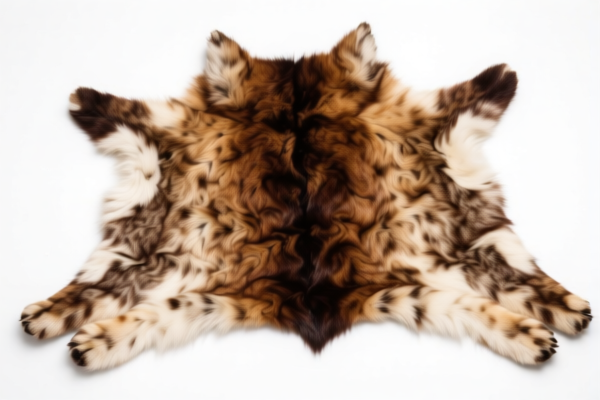
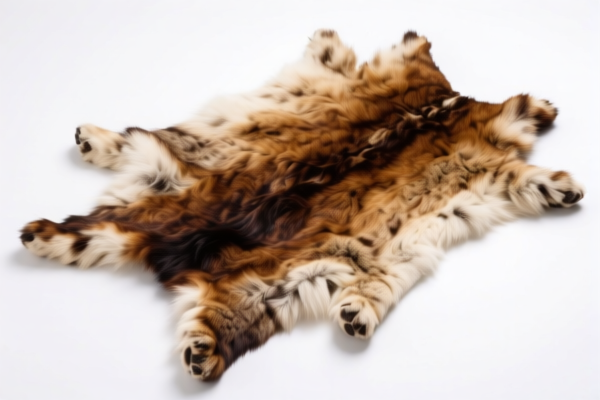
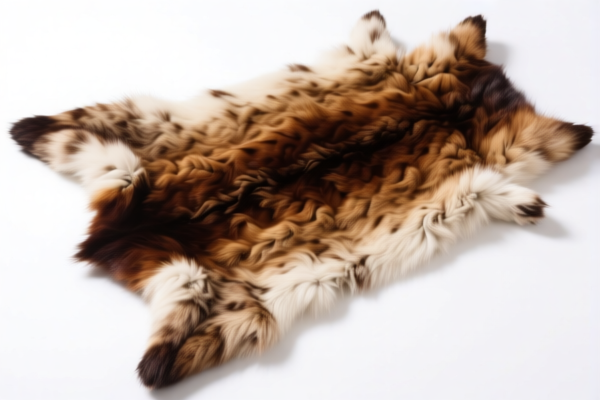
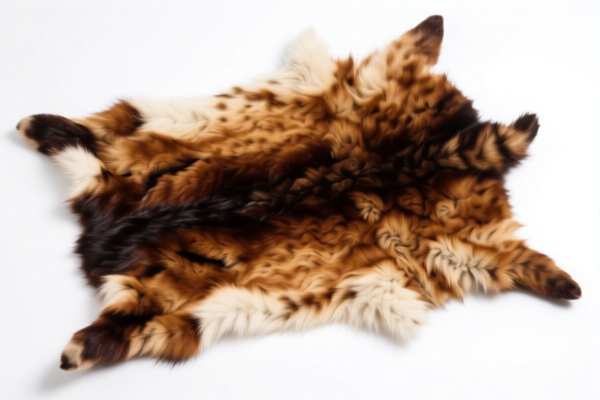
AI Analysis
🦊 Dyed Whole Fur, Unassembled (Fox/Mink Fur Skins)
🌐 HS Code Reference & Customs Clearance Guide | 2026 Latest Tariff Analysis | Professional Clearance Strategy for Chinese-Origin Fur
📌 I. Product Definition: What is "Dyed Whole Fur, Unassembled"?
"Dyed whole fur, unassembled" refers to fur skins that have been processed (dyed, tanned, or dressed) but have not yet been sewn or assembled into final garments, vests, or accessories. In international trade, the classification depends heavily on the degree of processing and the form of the fur (raw, dressed, or worked).
⚠️ Key Distinction:
- Raw/Semi-Processed (Chapter 43: 4301): Considered "raw skins" or "preliminarily processed." Lower duty burden.
- Fully Dressed/Worked (Chapter 43: 4302): Considered "worked fur skins." Higher duty burden due to added value.
- Finished/Assembled (Chapter 43: 4303): Considered "articles of fur." Highest duty burden.
Since the input is "Unassembled," it falls under Chapter 43 (Fur Skins and Furs), specifically between 4301 (Raw/Semi-processed) and 4302 (Worked/Dressed), or potentially 4303 if misclassified as a finished good.
📦 II. HS Code Classification Matrix (2026 Latest Tariff Authority)
| HS Code | Product Description | Application Scenario | Processing Level |
|---|---|---|---|
4301.10.00.10 |
Raw/Pre-processed Fur: Belongs to the category of "Raw Skins" or "Semi-worked." | Unassembled, dyed fur skins that are not fully dressed or worked into standard "worked fur skins." | 🟡 Low Processing |
4301.10.00.20 |
Raw/Pre-processed Fur: Belongs to "Fur Slices/Shreds" or non-whole skin categories. | If the "whole fur" is actually cut into slices or strips for assembly. | 🟡 Low Processing |
4302.20.90.00 |
Worked Fur Skins: Material and form fully match "Worked/Dressed Mink/Fox." | Unassembled, dyed, tanned, and dressed whole skins, ready for cutting but not sewing. | 🟠 High Processing |
4302.11.00.20 |
Worked Fur Skins: Corresponds to "Other Dyed Mink/Fur." | Specifically dyed mink or fox skins that are fully processed. | 🟠 High Processing |
4303.10.00.30 |
Intermediate Goods: Intermediate form of fur articles. | Unassembled parts that are close to being garments (e.g., pre-cut panels). | 🔴 Misclassification Risk |
4303.90.00.00 |
Other Fur Articles: Unassembled dyed mink fur, classified as "other fur products." | If declared as "fur articles" but unassembled. High Risk of Reclassification. | 🔴 High Duty |
🔍 Critical Note:
- Chapter 4301 is for raw or merely dressed skins.
- Chapter 4302 is for worked (tanned, dressed, dyed, or dyed and dressed) whole skins.
- Chapter 4303 is for made-up articles. Since the input is "Unassembled," it should NOT be classified under 4303 unless it is a specific intermediate part (like a pre-cut panel). Misclassifying 4301/4302 as 4303 leads to overpayment of taxes. Misclassifying 4302 as 4301 leads to underpayment and penalties.
💰 III. 2026 Latest Tariff Rate Breakdown (Including Additional Duties & Policy Surcharges)
✅ Applicable Country: United States (US)
✅ Country of Origin: China (CN)
✅ Effective Time: From November 10, 2025 (and subsequent imports)
🎯 1. 4301.10.00.10 & 4301.10.00.20 —— Raw/Semi-Processed Fur (Low Duty Tier)
| Item | Detail |
|---|---|
| Base Duty Rate | 0% (Ad valorem) |
| Section 301 Additional Duty | +7.5% (From USITC Footnote for Chapter 43 raw materials) |
| IEEPA Additional Duty | +10% (Specifically targeting China/HK origin, effective Nov 10, 2025) |
| Total Effective Rate | 17.5% |
| Tax Calculation | CIF Value × 17.5% |
| De Minimis Eligibility | ❌ Not Eligible (Deny de minimis for fur products from China) |
| Legal Basis Path | IEEPA:9903.01.25 → USITC:4301.10.00.10/20 → FOOTNOTE:9903.88.01 |
📌 Explanation:
- "Base Duty 0%": Raw or semi-processed fur skins are considered less value-added, so the base MFN duty is 0%.
- "301 Duty 7.5%": Lower than worked fur because raw skins are sometimes treated differently in Section 301 lists.
- "IEEPA 10%": A blanket surcharge on Chinese-origin goods under the International Emergency Economic Powers Act.
- Total 17.5%: This is the lowest possible tax burden for dyed fur, provided it is correctly classified as "raw/semi-processed" (4301).
🎯 2. 4302.20.90.00 & 4302.11.00.20 —— Worked/Dressed Fur (High Duty Tier)
| Item | Detail |
|---|---|
| Base Duty Rate | 1.7% - 2.1% (Ad valorem) |
| Section 301 Additional Duty | +25.0% (Standard Section 301 surcharge) |
| IEEPA Additional Duty | +10% (Specifically targeting China/HK origin) |
| Total Effective Rate | 36.7% - 37.1% |
| Tax Calculation | CIF Value × ~37% |
| De Minimis Eligibility | ❌ Not Eligible |
| Legal Basis Path | IEEPA:9903.01.25 → USITC:4302.11.00.20/4302.20.90.00 → FOOTNOTE:9903.88.01 |
📌 Explanation:
- "Base Duty ~2%": Worked fur skins have higher base duties due to their finished nature.
- "301 Duty 25%": The standard high-tier surcharge for Chinese imports under Section 301.
- "IEEPA 10%": Additional 10% surcharge.
- Total ~37%: This is the standard rate for correctly classified "dyed, worked fur skins" (4302).
🎯 3. 4303.10.00.30 & 4303.90.00.00 —— Unassembled Intermediate/Finished Goods (Penalty Tier)
| Item | Detail |
|---|---|
| Base Duty Rate | 4.0% |
| Section 301 Additional Duty | +25.0% |
| IEEPA Additional Duty | +10% |
| Total Effective Rate | 39.0% - 39.0% |
| Tax Calculation | CIF Value × 39.0% |
| De Minimis Eligibility | ❌ Not Eligible |
| Legal Basis Path | IEEPA:9903.01.25 → USITC:4303.10.00.30/4303.90.00.00 |
📌 Explanation:
- Why is the base duty higher? Because 4303 is for "articles of fur," implying more value-added processing than just "skins."
- Risk: Declaring unassembled skins as "articles" (4303) increases the base duty. However, the Total Rate (39%) is only slightly higher than 4302 (37%).
- Warning: Customs may reclassify 4303 back to 4302 if the item is just "unassembled skins," leading to audits for overpayment or underpayment depending on prior declarations.
🛠️ IV. Customs Clearance Operational Advice (Practical Pitfall Avoidance Guide)
✅ 1. Documentation Checklist (Mandatory)
| Document | Must Provide | Description |
|---|---|---|
| ✅ Product Specification Sheet | ✔️ | Details: Animal species (Mink/Fox/Chinchilla), size, dye color, tanning method (Chrome/Vegetable). |
| ✅ Photos of Skins | ✔️ | Clear images showing the back (pelt) and front (fur side). Must show they are unassembled. |
| ✅ Commercial Invoice | ✔️ | Describe as "Dyed Mink Skins, Unassembled, Not Made-Up." Avoid terms like "Glamour," "Vest," or "Jacket." |
| ✅ Packing List | ✔️ | List count, weight, and dimensions of individual skins. |
| ✅ Tanning Certificate | ✔️ | Proof of tanning process to determine if it falls under 4301 (raw/dressed) or 4302 (worked). |
✅ 2. Declaration Strategy (Key Mantra)
🔥 "Unassembled means Skins, not Articles! Be precise, avoid 4303!"
| Scenario | Correct Declaration | Wrong Declaration | Consequence |
|---|---|---|---|
| Raw/Dyed Skins (Not fully worked) | 4301.10.00.10 |
Declare as 4302 |
Overpay ~19.5% tax |
| Fully Dyed & Worked Skins | 4302.11.00.20 or 4302.20.90.00 |
Declare as 4303 |
Risk of audit, potential penalty |
| Pre-cut Panels (Intermediate) | 4303.10.00.30 |
Declare as 4302 |
Slight overpayment (2% difference) |
| Unassembled Skins | Never declare as "Fur Garments" | 4303.90.00.00 |
High risk of seizure/fine |
✅ 3. Special Handling Tips
| Situation | Handling Advice |
|---|---|
| "Dyed" vs. "Worked" | If the fur is only dyed but not tanned/dressed properly, it may still be 4301. If tanned + dyed, it is 4302. |
| "Unassembled" Means | Skins must be individual, not sewn together. Even if stacked, they must be separate units. |
| Species Identification | Must specify Mink, Fox, Chinchilla, etc. Mink has different sub-codes (4302.11) vs. Other (4302.20). |
| Chinese Origin | Ensure all documents reflect China Origin to apply the correct IEEPA + 301 rates. Misdeclaring origin leads to massive penalties. |
🌍 V. Global Market Comparison (2026)
| Country/Region | Recommended HS Code | Estimated Duty | Certification | Notes |
|---|---|---|---|---|
| 🇺🇸 USA | 4302.11.00.20 |
37.1% | No specific, but strict CITES if endangered | High due to 301 + IEEPA |
| 🇨🇳 China | 4302.11.00.20 |
5-10% | None | Domestic trade lower |
| 🇪🇺 EU | 4302.11.00.20 |
5% | No EU tariffs for fur skins (but strict eco-labels) | No Section 301 equivalent |
| 🇯🇵 Japan | 4302.11.00.20 |
0-5% | None | Free trade agreements may apply |
📌 Conclusion:
- USA is the most expensive market due to 301 + IEEPA surcharges.
- Total Tax Burden: ~37% for standard worked fur.
- Strategy: Ensure accurate classification as 4302 (Worked) rather than 4303 (Articles) to avoid higher base duties and legal risks.
📌 VI. Common Errors & Pitfalls (Lessons Learned)
❌ Error 1: Declaring "Dyed Fur" as "Fur Garments" (4303)
👉 Consequence: Base duty increases from ~2% to 4%. While total is close, customs may reject "garment" description for unassembled skins, causing delays.
❌ Error 2: Declaring "Worked Fur" (4302) as "Raw Skins" (4301)
👉 Consequence: Underpayment of Tax (~19.5% difference). Leads to audit, penalties, and back taxes.
❌ Error 3: Not specifying Animal Species
👉 Consequence: Mink (4302.11) and Fox (4302.20) have different codes. Misclassification can lead to compliance flags.
❌ Error 4: Ignoring IEEPA Surcharge
👉 Consequence: Forgetting the +10% IEEPA tax results in underpayment and penalties.
✅ Correct Declaration Example:
"MINK FUR SKINS, DYED, WORKED, UNASSEMBLED, NOT MADE-UP, CHINESE ORIGIN, HS CODE: 4302.11.00.20"
🎯 VII. Conclusion: Precision in Classification Saves Money!
🎯 Key Takeaways:
🔹 "Unassembled = Skins (4301/4302), NOT Articles (4303)."
🔹 "Dyed + Worked = 4302 (Higher Base Duty, but Legal)."
🔹 "Total Tax ~37% for US Imports from China."
🔹 "Always Declare 'Unassembled' to avoid 'Garment' Classification Errors."
📌 Pro Tip:
If you are importing Mink, use 4302.11.00.20. If Fox/Other, use 4302.20.90.00.
For Raw/Dyed (not fully worked), use 4301.10.00.10 to save ~19.5% in taxes, but ensure it meets the "raw" definition.
📣 Immediate Action:
📞 Consult a licensed customs broker before shipping.
📸 Provide photos of the pelts to confirm "unassembled" status.
📄 Apply for a Binding Ruling if the fur type is ambiguous.
✨ Professional Clearance Starts with Accurate Classification!
💼 Your Profit Margin Depends on Correct HS Codes!
Customer Reviews
About HS Code Classification
The Harmonized System (HS) is an internationally standardized nomenclature developed by the World Customs Organization (WCO) to classify traded products. Over 200 countries use the HS system as the basis for customs tariffs, trade statistics, and import/export regulations.
Each HS code follows a hierarchical structure:
- Chapter (2 digits) — Broad category of goods (e.g., Chapter 84: Machinery and Mechanical Appliances)
- Heading (4 digits) — More specific grouping within the chapter
- Subheading (6 digits) — Internationally standardized breakdown, used by all WCO member countries
- National subdivisions (8-10 digits) — Country-specific extensions for further classification, such as US HTSUS 10-digit codes
Correct HS code classification is essential for smooth customs clearance, accurate duty payment, and compliance with trade regulations. Misclassification can lead to customs delays, overpayment of duties, or penalties.
When importing from CN to US, the applicable tariff rates may include:
- Most-Favored-Nation (MFN) rate — The standard duty rate applied to WTO members
- General rate — Applied to countries without trade agreements
- Trade remedy duties — Additional tariffs such as Section 301 (anti-dumping), Section 232 (national security), or countervailing duties
The information provided on this page is for reference purposes only. For official classification, please consult with your local customs authority or a licensed customs broker.