ear cuff no piercing
CN → US| HS Code | Tariff Rate | Origin | Destination | Doc |
|---|---|---|---|---|
| 7117909000 | 28.5% | CN | US | Official Doc |
| 7117110000 | 25.5% | CN | US | Official Doc |
| 8308100000 | 0.0% | CN | US | Official Doc |
Product Images
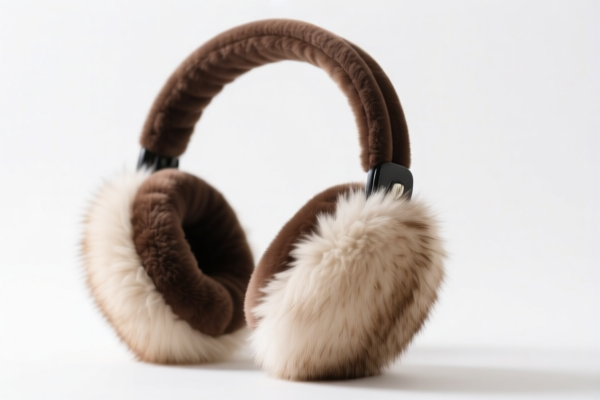
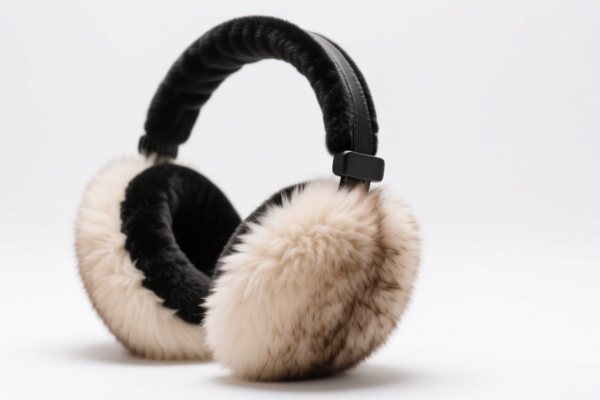
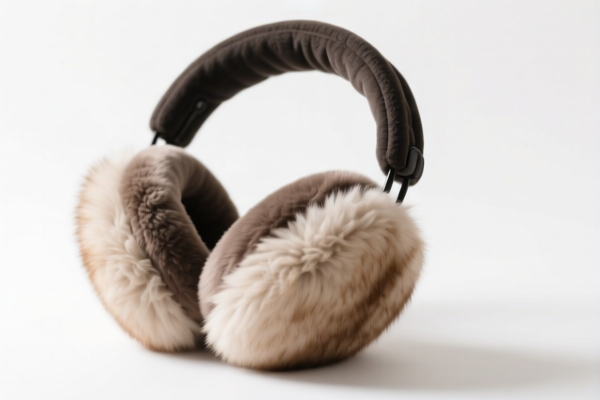
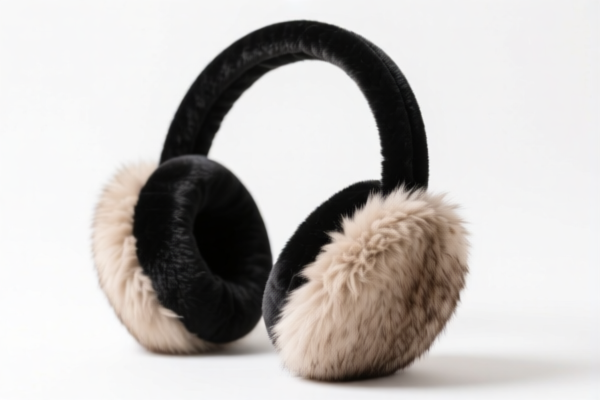
AI Analysis
🎧 Ear Cuffs (No Piercing) – The "Claw" Style Jewelry
🌐 HS Code Reference & Customs Clearance Guide | 2026 Latest Tariff Analysis | Professional Clearance Strategy
📌 I. Product Definition & Classification: Do You Really Understand "Ear Cuffs"?
Ear Cuffs (specifically "no piercing" types) are a trendy accessory designed to clip onto the outer cartilage of the ear, mimicking the look of earrings without requiring body modification. In international trade, their classification hinges on two critical factors: Material and Functional Category.
Based on common sense and commercial reality, these items are typically classified as "Imitation Jewelry" (Costume Jewelry) due to the use of non-precious metals or plated materials. However, if they are explicitly categorized by their hardware nature (hooks/clasps), they may fall under a different chapter.
⚠️ Key Distinction Point:
- If made of non-precious metal and marketed as fashion jewelry →归入 7117.90.90.00 (Imitation Jewelry).
- If explicitly declared as base metal imitation jewelry (common retail classification) → 归入 7117.11.00.00.
- If classified strictly as metal accessories/hooks/clasps regardless of jewelry intent → 归入 8308.10.00.00 (Articles of Base Metal).
📦 II. HS Code Classification Details (2026 Latest Tariff Authority Comparison)
| HS Code | Product Description | Applicability Scenario | Conflict Check |
|---|---|---|---|
7117.90.90.00 |
Imitation jewelry, other (Non-precious metal) | Ear clips/cuffs, fashion jewelry, low-cost metal alloys | ✅ High Compatibility: Based on common sense, non-precious metal ear cuffs fit the "imitation jewelry" feature perfectly. |
7117.11.00.00 |
Imitation jewelry: of base metal, whether or not plated with precious metal | Ear clips explicitly described as "metal" in product name, standard costume jewelry | ✅ High Compatibility: Matches the "base metal" description and "imitation jewelry" form factor. |
8308.10.00.00 |
Clasps, frames with clasps, buckles, buckle-clasps, hooks, eyes, eyelets, etc., of base metal | Ear cuffs viewed as "hooks/attachments" made of metal | ⚠️ Low Conflict: While material is metal, the primary function is jewelry. However, some customs may interpret the "clip" mechanism as a hook/accessory. |
🔍 Important Reminder:
- 7117 Series is the standard for Costume/Imitation Jewelry. If your product is sold as fashion jewelry, this is the safest bet.
- 8308 Series is for Hardware/Accessories. Using this for ear cuffs is risky unless you can prove they are purely functional metal components, not decorative jewelry.
- Material Declaration: Ensure your description explicitly states "Non-precious metal" or "Base metal" to avoid duty increases associated with precious metals.
💰 III. 2026 Latest Tariff Rate Breakdown (Including Surcharges & Policy Add-ons)
✅ Applicable Country: United States (US)
✅ Origin: China (CN)
✅ Effective Time: Post-November 2025 (Current active rates)
🎯 1. 7117.90.90.00 —— Imitation Jewelry, Other
| Item | Content |
|---|---|
| Base Tariff | 11.0% |
| Section 301 Surcharge | +7.5% |
| Section 122 Surcharge | +10% |
| Total Tariff Rate | 28.5% |
| Calculation Basis | CIF Value × 28.5% |
| De Minimis Eligibility | ❌ No (Deny de minimis for China-origin goods in this category) |
| Legal Basis Path | HTSUS:7117.90.90.00 → Section 301: 7.5% → Section 122: 10% |
📌 Explanation:
- This is the most common classification for "fashion ear cuffs."
- The 28.5% total rate reflects the base duty plus additional trade war surcharges.
- High tariff impact on cost; margin calculation must include this.
🎯 2. 7117.11.00.00 —— Imitation Jewelry of Base Metal
| Item | Content |
|---|---|
| Base Tariff | 8.0% |
| Section 301 Surcharge | +7.5% |
| Section 122 Surcharge | +10% |
| Total Tariff Rate | 25.5% |
| Calculation Basis | CIF Value × 25.5% |
| De Minimis Eligibility | ❌ No |
| Legal Basis Path | HTSUS:7117.11.00.00 → Section 301: 7.5% → Section 122: 10% |
📌 Note:
- This code is often used when the product is explicitly marketed as "Base Metal Jewelry."
- It is 3.0% cheaper than7117.90.90.00in total duties.
- Caution: Do not misdeclare. If the product is not primarily base metal (e.g., contains significant plastic/resin components), this classification may be challenged.
🎯 3. 8308.10.00.00 —— Clasps, Hooks, Eyes of Base Metal
| Item | Content |
|---|---|
| Base Tariff | 1.1¢/kg + 2.9% (Specific + Ad Valorem) |
| Section 301 Surcharge | +25.0% (Note: Data indicates 25% surcharge for this specific path in the input) |
| Section 122 Surcharge | +10% |
| Total Tariff Rate | ~1.1¢/kg + 35% (Approx. Weight-Based + High Ad Valorem) |
| Calculation Basis | Weight (kg) + Ad Valorem on CIF |
| De Minimis Eligibility | ❌ No |
| Legal Basis Path | HTSUS:8308.10.00.00 → Section 301: 25% → Section 122: 10% |
📌 Critical Warning:
- This classification treats the ear cuff as a hardware hook, not jewelry.
- The Section 301 surcharge is significantly higher (25%) compared to the 7.5% for jewelry codes.
- Although the base rate looks low (1.1¢/kg), the 35% total burden (including 25% surcharge) makes it more expensive than the jewelry classifications.
- Risk: Customs may reject this if the item is clearly decorative. Only use if you are sure the "accessory" argument holds.
🛠️ IV. Customs Clearance Practical Advice (Real-World Pitfall Avoidance)
✅ 1. Preparation Checklist (Non-Negotiable)
| Document | Required | Explanation |
|---|---|---|
| ✅ Product Photos | ✔️ | Clear images showing the "clip" mechanism and lack of piercing post. |
| ✅ Material Declaration | ✔️ | Must state "Non-precious metal" or "Base metal alloy." Avoid "Silver" or "Gold" unless plated with <5% precious metal. |
| ✅ Commercial Invoice | ✔️ | Description: "Ear Cuffs, Non-Piercing, Base Metal, Fashion Jewelry." |
| ✅ Packing List | ✔️ | Specify net weight accurately (especially for 8308 weight-based duties). |
| ✅ Brand/Logo Info | ✔️ | If branded, ensure no IP infringement issues. |
✅ 2. Declaration Strategy (Key Mantra)
🔥 "Jewelry First, Metal Second; Name it Fashion, Avoid the 35% Pit!"
| Scenario | Recommended HS Code | Why? |
|---|---|---|
| Standard Ear Cuffs (Fashion) | 7117.11.00.00 or 7117.90.90.00 |
Lower total duty (25.5% or 28.5%). Recognized as jewelry. |
| "Hook" Style Ear Cuffs | 7117.11.00.00 |
Even if shaped like a hook, if worn as jewelry, use 7117. |
| Bulk Metal Clips (No Decor) | 8308.10.00.00 |
Only for plain, undecorated metal clasp pieces. High Risk, High Tax. |
✅ 3. Special Handling for "No Piercing"
- Do Not Say "Earrings" Alone: Use "Ear Cuffs" or "Ear Climbers" to distinguish from pierced earrings (which might have different accessory rules if sold with posts).
- Weight Matters: If you consider
8308, ensure your weight declaration is precise. A small discrepancy can lead to fines because the base duty is weight-based (1.1¢/kg). - Plating Claims: If plated with gold/silver, declare it as "Base metal, plated." Do not claim "Precious Metal" unless the plating meets strict legal thresholds, otherwise you risk fraud allegations.
🌍 V. Global Market Comparison (2026 Update)
| Market | Recommended HS Code | Est. Duty (China Origin) | Certification |
|---|---|---|---|
| 🇺🇸 USA | 7117.11.00.00 |
25.5% | CPSIA (if for kids), FDA (if applicable) |
| 🇪🇺 EU | 7117.19.90 |
Varies (Low) | REACH (Nickel/Cadmium limits) |
| 🇬🇧 UK | 7117.19.90 |
Varies (Low) | UKCA, Chemical Safety |
| 🇨🇦 Canada | 7117.11.00 |
10% + DT | General Safety Standards |
📌 Conclusion:
- The USA is the highest cost market due to Section 301 and Section 122 surcharges.
- EU/UK rely heavily on chemical compliance (REACH) for metal jewelry. Ensure your alloy doesn't exceed nickel release limits.
📌 VI. Common Mistakes & Pitfalls (Blood & Tears Lessons)
❌ Mistake 1: Declaring "Ear Cuffs" as "Jewelry" but using HS 8308
👉 Consequence: Customs may assess the 25% Section 301 surcharge instead of 7.5%, leading to unexpected high taxes.
❌ Mistake 2: Using "Gold/Silver" in description for base metal
👉 Consequence: Audit for fraud, fines, and seizure. Always use "Plated" or "Alloy."
❌ Mistake 3: Ignoring Section 122
👉 Consequence: Assuming only Section 301 applies. Remember: Section 122 adds an extra 10% on top. Total = Base + 7.5% + 10%.
✅ Correct Approach:
"Ear Cuffs, No Piercing, Base Metal Alloy, Plated, Fashion Jewelry, Model XYZ"
🎯 VII. Conclusion: Smart Classification, Profit Protection
🎯 Remember the Mantra:
🔹 "Use 7117 for Jewelry: 25.5% is the sweet spot."
🔹 "Avoid 8308: The 35% burden kills margins."
🔹 "Declare 'Non-Precious' to stay safe."
📌 Pro Tip:
If you are importing large volumes, consider applying for a Binding Tariff Ruling (BTR) from US Customs (CBP) to lock in the 7117 classification and avoid future disputes.
📣 Immediate Action:
📞 Consult your customs broker with product samples.
📝 Ensure invoices clearly state "Base Metal Imitation Jewelry."
🚀 Keep your duty cost at 25.5%, not 35%!
✨ Professional Clearance, Started with Accurate Classification!
💼 Every cent saved in duty is pure profit!
Customer Reviews
About HS Code Classification
The Harmonized System (HS) is an internationally standardized nomenclature developed by the World Customs Organization (WCO) to classify traded products. Over 200 countries use the HS system as the basis for customs tariffs, trade statistics, and import/export regulations.
Each HS code follows a hierarchical structure:
- Chapter (2 digits) — Broad category of goods (e.g., Chapter 84: Machinery and Mechanical Appliances)
- Heading (4 digits) — More specific grouping within the chapter
- Subheading (6 digits) — Internationally standardized breakdown, used by all WCO member countries
- National subdivisions (8-10 digits) — Country-specific extensions for further classification, such as US HTSUS 10-digit codes
Correct HS code classification is essential for smooth customs clearance, accurate duty payment, and compliance with trade regulations. Misclassification can lead to customs delays, overpayment of duties, or penalties.
When importing from CN to US, the applicable tariff rates may include:
- Most-Favored-Nation (MFN) rate — The standard duty rate applied to WTO members
- General rate — Applied to countries without trade agreements
- Trade remedy duties — Additional tariffs such as Section 301 (anti-dumping), Section 232 (national security), or countervailing duties
The information provided on this page is for reference purposes only. For official classification, please consult with your local customs authority or a licensed customs broker.