earbuds
CN → US| HS Code | Tariff Rate | Origin | Destination | Doc |
|---|---|---|---|---|
| 8518302000 | 10.0% | CN | US | Official Doc |
| 8518301000 | 17.5% | CN | US | Official Doc |
| 8543906800 | 35.0% | CN | US | Official Doc |
| 8517690000 | 35.0% | CN | US | Official Doc |
Product Images
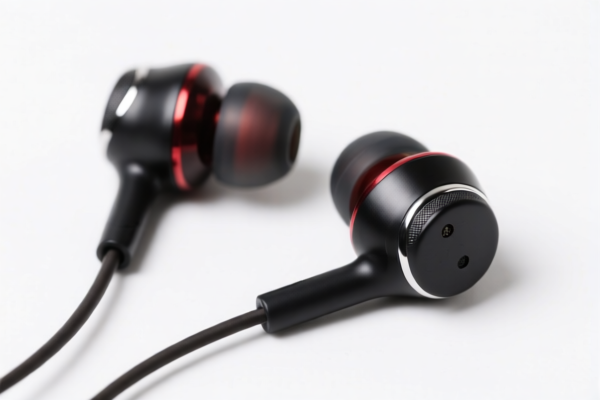
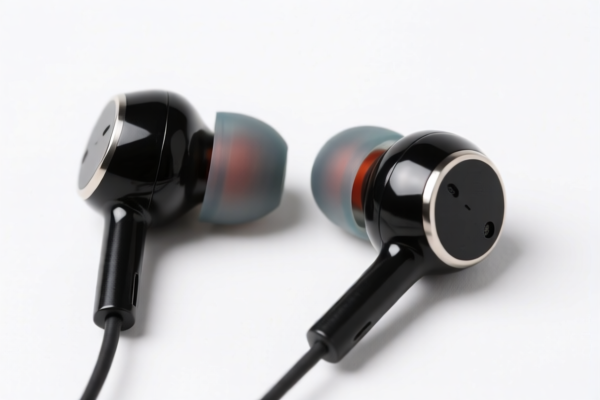
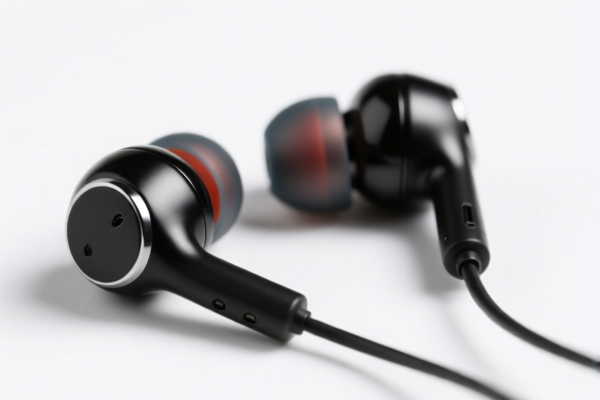
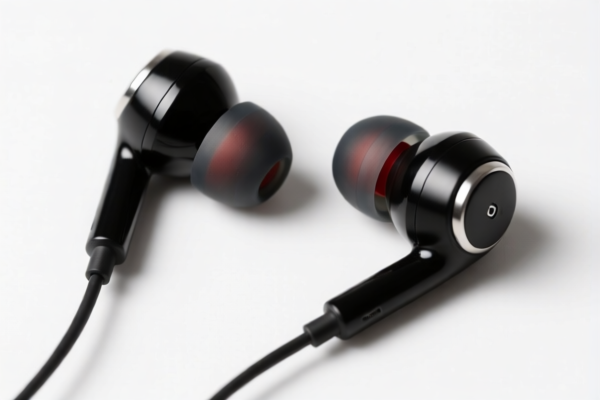
AI Analysis
🎧 Earbuds (In-Ear Headphones)
🌐 HS Code Reference & Customs Clearance Guide | 2026 Latest Tariff Analysis | Professional Customs Strategy
📌 I. Product Definition and Classification: Do You Truly Understand "Earbuds"?
Earbuds, specifically in-ear headphones, are compact audio output devices designed for personal listening. In international trade, their classification depends heavily on their internal components, functional definition, and potential "material conflicts." The provided data highlights four distinct HS Codes, ranging from simple audio accessories to complex electronic devices, each carrying vastly different tariff implications.
⚠️ Key Distinction Point:
- Audio Specificity: Does the HS Code explicitly cover "Earphones"? (e.g., 8518.30)
- Electronic Complexity: Does the device contain PCBs (Printed Circuit Boards) that shift it into "Electrical Machinery/Parts"? (e.g., 8543.90)
- Transmission Function: Is it classified primarily as a "Data Transmission Device"? (e.g., 8517.69)
- Trade War Impact: Be aware of the "Section 122" (10%) and "Section 301-like" (7.5% or 25%) surcharges for Chinese origins.
📦 II. HS Code Classification Details (2026 Latest Tariff Authority Comparison)
Based on the provided data, here is the breakdown of why "In-Ear Earbuds" might fall into each of these four categories, along with their associated tax burdens.
| HS Code | Product Description & Rationale | Total Tax Rate | Tax Breakdown |
|---|---|---|---|
8518.30.20.00 |
In-Ear Earphones (Standard Audio) Rationale: Clearly falls under "Earphones/Earpieces." Matches the functional definition of audio receivers. No material conflict identified. Best For: Standard consumer audio earbuds. |
10.0% | - Base: 0.0% - Surcharge: 0.0% - Section 122: 10% |
8518.30.10.00 |
Earphones/Earpieces (General) Rationale: Explicitly matches the definition of "Earphones and Earsets." Perfect fit for functional morphology. Best For: Standard earphones, possibly with slight regulatory differences from the .20 subheading. |
17.5% | - Base: 0.0% - Surcharge: 7.5% - Section 122: 10% |
8517.69.00.00 |
Data Transmission Equipment Rationale: Classified as "Other apparatus for transmission/reception of voice, images, or data." Earbuds are audio receivers for data streams. Risk: High classification risk; often targeted by higher tariffs. |
35.0% | - Base: 0.0% - Surcharge: 25.0% - Section 122: 10% |
8543.90.68.00 |
Electric Signals/PCB Components Rationale: Classified as an electric signal apparatus or part thereof. Since earbuds contain PCBs, they may be viewed as "parts of electrical machinery." Risk: Highest complexity and highest tariff. |
35.0% | - Base: 0.0% - Surcharge: 25.0% - Section 122: 10% |
🔍 Critical Insight:
-8518.30.x0is the most accurate and cost-effective category for standard audio earbuds.
-8517and8543are high-risk, high-cost classifications. They may apply if customs authorities view the earbuds primarily as "communication devices" (8517) or "electronic components" (8543) rather than dedicated audio equipment.
- Section 122 Tariff (10%): Applies to ALL four categories listed in the data. This is a critical fixed cost.
💰 III. 2026 Latest Tariff Rate Breakdown (Including Surcharges & Policy Add-ons)
✅ Applicable Country: United States (US)
✅ Origin: China (CN)
✅ Effective Date: Post-November 2025 (Current Trade Policy Era)
🎯 1. 8518.30.20.00 —— In-Ear Earphones (Optimal Choice)
| Item | Content |
|---|---|
| Base Tariff | 0% (Ad Valorem) |
| Section 122 Tariff | +10% (Mandatory surcharge for electronic/audio goods from China) |
| Additional Surcharge | 0% |
| Total Rate | 10.0% |
| Tax Calculation | CIF Value × 10% |
| De Minimis Exemption | ❌ Not Eligible (Section 122 goods are generally excluded) |
| Legal Basis | USITC:8518.30.20.00 → Section 122: 10% |
📌 Explanation:
- This is the lowest tariff option.
- Classification relies on the product being clearly identified as "Earphones" for audio reproduction.
- Strategy: Ensure packaging and descriptions emphasize "Audio," "Music," and "Earphones" to avoid reclassification to 8517/8543.
🎯 2. 8518.30.10.00 —— Earphones/Earpieces (General)
| Item | Content |
|---|---|
| Base Tariff | 0% |
| Additional Surcharge | +7.5% (Likely Section 301 or similar punitive tariff) |
| Section 122 Tariff | +10% |
| Total Rate | 17.5% |
| Tax Calculation | CIF Value × 17.5% |
| De Minimis Exemption | ❌ Not Eligible |
| Legal Basis | USITC:8518.30.10.00 → Surcharge: 7.5% → Section 122: 10% |
📌 Note:
- The 7.5% surcharge is significant. This subheading may be used for earphones with specific features or older tariff structures.
- Comparison: Still cheaper than 8517/8543, but more expensive than .20.
🎯 3. 8517.69.00.00 —— Data Transmission Equipment (High Risk)
| Item | Content |
|---|---|
| Base Tariff | 0% |
| Additional Surcharge | +25% (Heavy punitive tariff for telecom/data equipment) |
| Section 122 Tariff | +10% |
| Total Rate | 35.0% |
| Tax Calculation | CIF Value × 35% |
| De Minimis Exemption | ❌ Not Eligible |
| Legal Basis | USITC:8517.69.00.00 → Surcharge: 25% → Section 122: 10% |
📌 Warning:
- If customs views your Bluetooth earbuds as "Wireless Data Transmission Devices" (because they use Bluetooth), they may apply this code.
- 35% is a massive cost increase. You must proactively argue for audio classification (8518).
🎯 4. 8543.90.68.00 —— Electrical Machinery/Parts (Highest Risk)
| Item | Content |
|---|---|
| Base Tariff | 0% |
| Additional Surcharge | +25% |
| Section 122 Tariff | +10% |
| Total Rate | 35.0% |
| Tax Calculation | CIF Value × 35% |
| De Minimis Exemption | ❌ Not Eligible |
| Legal Basis | USITC:8543.90.68.00 → Surcharge: 25% → Section 122: 10% |
📌 Warning:
- This classification treats the earbud as a generic electronic component or signal apparatus.
- Avoid this unless the product is a raw PCB assembly without audio-specific branding or packaging.
🛠️ IV. Customs Clearance Practical Advice (Battle-Proven Pitfall Guide)
✅ 1. Preparation Checklist (Non-Negotiable)
| Document | Required? | Purpose |
|---|---|---|
| ✅ Product Specification Sheet | ✔️ | Must clearly state "Audio Earphones," frequency response, and impedance. |
| ✅ Internal Structure Diagram | ✔️ | To prove it is a complete audio unit, not just a PCB (which would trigger 8543). |
| ✅ Product Photos (Labeled) | ✔️ | Show packaging with "Headphones," "Earbuds," "Bluetooth Audio." |
| ✅ Declaration Form | ✔️ | Must explicitly use HS Code 8518.30.20.00 or 8518.30.10.00. |
| ✅ Origin Certificate | ✔️ | To confirm China origin (and thus applicability of Section 122). |
| ✅ Commercial Invoice | ✔️ | Description must NOT include "Data Transmission Device" or "Communications Equipment." |
✅ 2. Declaration Strategy (Key Mnemonic)
🔥 "Audio First, Data Second, PCB is a Trap, 8518 is the Map!"
| Scenario | Correct Declaration | Wrong Action | Consequence |
|---|---|---|---|
| Standard Bluetooth Earbuds | 8518.30.20.00 (10%) |
Declare as 8517.69 (35%) |
25% extra tax! |
| Wired Earbuds | 8518.30.20.00 (10%) |
Declare as 8518.21 (Speakers) |
Misclassification risk |
| Earbuds with Raw PCBs | 8543.90 (35%) |
Try to hide PCB content | Audit & Penalties |
| "Smart" Earbuds (with mic) | 8518.30.20.00 (10%) |
Use "Headset" (8517) | "Headset" often falls under 8517 → 35% |
📌 Pro Tip:
- Avoid the term "Communications Device" or "Data Transceiver" in your description.
- Use terms: "Wireless Audio Earbuds," "Bluetooth Headphones," "Personal Audio Receiver."
- If the product has a microphone, emphasize "Audio Input/Output" rather than "Voice Transmission Network."
✅ 3. Special Cases
| Case | Handling Advice |
|---|---|
| OEM Private Label | Use generic "Earbuds" description. Avoid brand names that might imply specific communication protocols. |
| Earbuds with Noise Cancellation | Still 8518.30.20.00. ANC is a feature of audio playback, not a new category. |
| Earbuds for Medical Use | If prescribed, might still be 8518, but ensure medical device documentation is ready if challenged. |
| High-End Audiophile Earbuds | Definitely 8518.30.20.00. Emphasize "Hi-Fi Audio." |
🌍 V. Global Market Comparison (2026 Latest)
| Country/Region | Recommended HS Code | Tax Rate (China Origin) | Certification | Note |
|---|---|---|---|---|
| 🇺🇸 USA | 8518.30.20.00 |
10% (Section 122) | FCC | Only 10% if correctly classified. 35% if misclassified. |
| 🇨🇳 China | 8518.30.20.00 |
5% (Import Duty) | CCC | No Section 122. |
| 🇪🇺 EU | 8518.30.20.00 |
0% (Most Favored Nation) | CE + RoHS | Low tariff market. |
| 🇬🇧 UK | 8518.30.20.00 |
0% | UKCA | Post-Brexit, still low. |
| 🇦🇺 Australia | 8518.30.20.00 |
5% | RCM | Moderate tax. |
📌 Conclusion:
- USA is the only major market with high Section 122 tariffs.
- Correct classification (8518) saves 25% vs. incorrect classification (8517/8543).
- Every other market offers significantly lower duties (0-5%).
📌 VI. Common Errors & Pitfall Guide (Lessons from the Field)
❌ Mistake 1: Using "Bluetooth Headset" as the description
👉 Result: Customs may assign 8517.62 or 8517.69 → 35% Tax!
👉 Fix: Use "Bluetooth Earbuds (Audio Only)" and classify under 8518.30.20.00.
❌ Mistake 2: Ignoring the PCB argument
👉 Result: If customs inspector sees a circuit board, they may push to 8543.90 → 35% Tax!
👉 Fix: Provide evidence that the PCB is an integral part of the audio driver, not a standalone electronic component.
❌ Mistake 3: Claiming De Minimis Exemption
👉 Result: Section 122 goods (under $800) are NOT exempt in many cases.
👉 Fix: Assume taxes apply. Plan your pricing accordingly.
❌ Mistake 4: Using "Communications Equipment" in marketing
👉 Result: Raises red flags for 8517 classification.
👉 Fix: Marketing materials should focus on "Music," "Podcasts," "Calls" (as audio features), not "Data Networks."
✅ Correct Declaration Example:
"Wireless In-Ear Audio Earbuds, Bluetooth Version 5.0, for Personal Audio Playback, Model XYZ, FCC Certified, HS Code: 8518.30.20.00"
🎯 VII. Conclusion: Professional Classification Saves Money!
🎯 Remember the Mantra:
🔹 "Audio First, Not Data. 8518 is the Path. 8517/8543 is the Trap."
🔹 "10% vs. 35%: A 25% Difference. Don't Pay for Errors!"
📌 Small Tip:
If you are shipping to the USA, ensure your Customs Broker is briefed on the Section 122 (10%) tariff. Ask them to proactively defend the 8518.30 classification using the product's primary function (audio reproduction) rather than its transmission method (Bluetooth).
📣 Call to Action:
📞 Contact your Customs Broker today.
📦 Provide clear "Audio-First" product descriptions.
🚀 Secure the 10% rate and maximize your profit margins!
✨ Precise Classification is the Key to Cost Efficiency!
💼 Your Bottom Line Depends on the First 8 Digits of the HS Code!
Customer Reviews
About HS Code Classification
The Harmonized System (HS) is an internationally standardized nomenclature developed by the World Customs Organization (WCO) to classify traded products. Over 200 countries use the HS system as the basis for customs tariffs, trade statistics, and import/export regulations.
Each HS code follows a hierarchical structure:
- Chapter (2 digits) — Broad category of goods (e.g., Chapter 84: Machinery and Mechanical Appliances)
- Heading (4 digits) — More specific grouping within the chapter
- Subheading (6 digits) — Internationally standardized breakdown, used by all WCO member countries
- National subdivisions (8-10 digits) — Country-specific extensions for further classification, such as US HTSUS 10-digit codes
Correct HS code classification is essential for smooth customs clearance, accurate duty payment, and compliance with trade regulations. Misclassification can lead to customs delays, overpayment of duties, or penalties.
When importing from CN to US, the applicable tariff rates may include:
- Most-Favored-Nation (MFN) rate — The standard duty rate applied to WTO members
- General rate — Applied to countries without trade agreements
- Trade remedy duties — Additional tariffs such as Section 301 (anti-dumping), Section 232 (national security), or countervailing duties
The information provided on this page is for reference purposes only. For official classification, please consult with your local customs authority or a licensed customs broker.