earpad
CN → US| HS Code | Tariff Rate | Origin | Destination | Doc |
|---|---|---|---|---|
| 9021904040 | 10.0% | CN | US | Official Doc |
| 9021904080 | 10.0% | CN | US | Official Doc |
| 3926902100 | 21.7% | CN | US | Official Doc |
| 3926903500 | 24.0% | CN | US | Official Doc |
| 4016991500 | 20.2% | CN | US | Official Doc |
| 4016990500 | 20.9% | CN | US | Official Doc |
| 8518302000 | 10.0% | CN | US | Official Doc |
| 8518904100 | 35.0% | CN | US | Official Doc |
Product Images
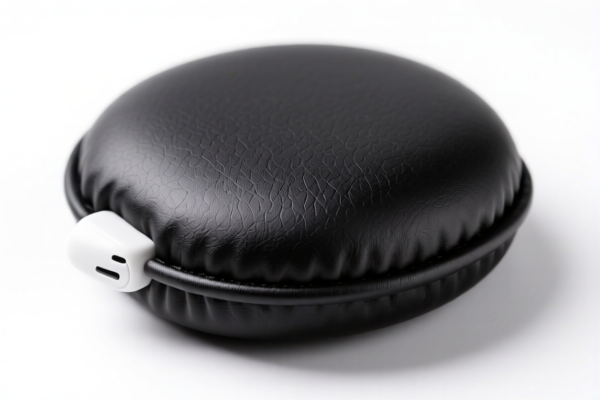
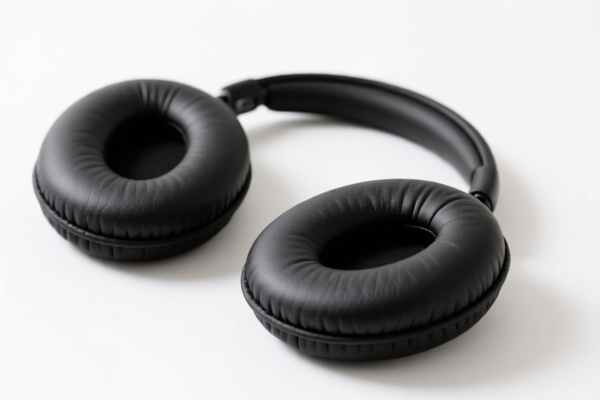
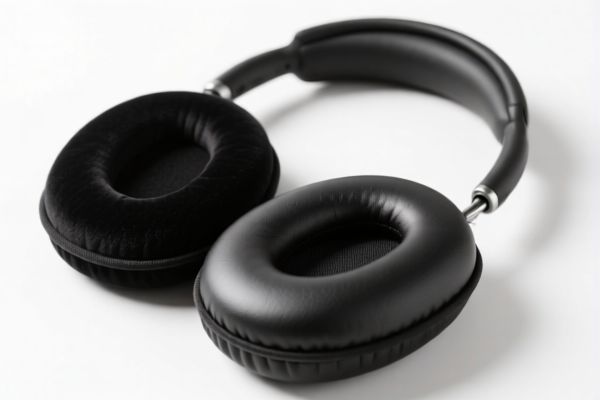
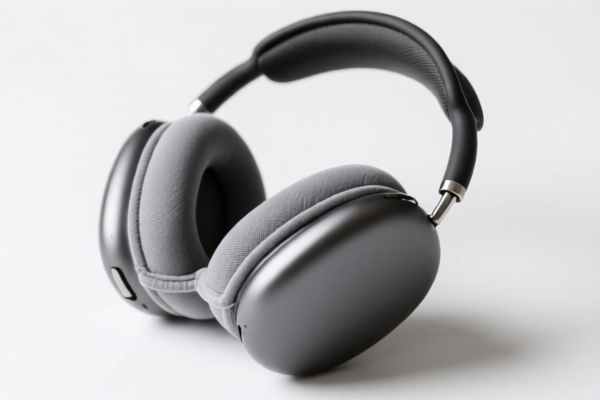
AI Analysis
🎧 Earpads (Headphone Cushions)
🌐 HS Code Reference & Customs Clearance Guide | 2026 Latest Tariff Analysis | Professional Clearance Strategy
📌 I. Product Definition & Classification: Do You Really Understand "Earpads"?
Earpads (also known as ear cushions or cushions) are the replaceable soft components that sit between the headphone drivers and the user's ears. In international trade, they are NOT classified as finished headphones (8518.30). Instead, they are classified based on their material and function as Parts/Accessories.
Critical Distinction: 1. Earpads for Headphones: Classified as Parts of Headphones under HS Code 8518.90.41.00. 2. Earpads for Hearing Aids: Classified as Parts of Hearing Aids under HS Code 9021.90.40.40.
⚠️ Key Identification Point:
- If the product is explicitly designed to fit consumer/professional headphones (e.g., Sony, Bose, Sennheiser styles) → Use 8518.90.41.00.
- If the product is explicitly designed to fit medical hearing aids → Use 9021.90.40.40.
- Do NOT classify general rubber/plastic cushions as "Plastic Articles" (Chapter 39) if they are specifically identifiable as headphone parts.
📦 II. HS Code Classification Details (2026 Latest Tariff Authority Comparison)
| HS Code | Product Description | Applicable Scenario | Tax Rate (China Origin) |
|---|---|---|---|
8518.90.41.00 |
Parts of Headphones (Line Telephone Handsets of 8518.30.10; Repeaters of 8518.40.10: Other) | Earpads/cushions for standard headphones, earphones, or headset sets. | 25.0% (Base 0% + Section 301 Add-on 25%) |
9021.90.40.40 |
Parts and Accessories for Hearing Aids | Earmolds, cushions, or tips specifically for medical hearing aid devices. | 0.0% (Base 0% + Add-on 0%) |
🔍 Important Reminder:
- Most commercial "earpads" sold for audio equipment fall under 8518.90.41.00.
- The tariff for headphone parts is significantly higher due to US Section 301 trade actions.
- Medical hearing aid parts enjoy 0% tariff. Ensure your product description clearly distinguishes if it is for medical use or general audio use.
💰 III. 2026 Latest Tariff Rate Details (Including Additional Taxes)
✅ Applicable Country: United States (US)
✅ Origin: China (CN)
✅ Effective Date: From November 10, 2025 (and subsequent imports)
🎯 1. 8518.90.41.00 —— Parts of Headphones (Including Earpads)
| Item | Content |
|---|---|
| Base Tariff | 0.0% (ad valorem) |
| USITC Additional Tariff (Section 301) | +25.0% |
| Total Tariff Rate | 25.0% |
| Tax Calculation | CIF Value × 25% |
| De Minimis Exemption Eligibility | ❌ Not Eligible (Deny de minimis for goods subject to Section 301) |
| Legal Basis Path | USITC:8518.90.41.00 → FOOTNOTE:301 |
📌 Explanation:
- Although the base MFN tariff for headphone parts is 0%, the 25% Section 301 additional duty applies to all products from China listed in this category.
- Total cost impact: 25%. This is a significant cost factor for manufacturers and importers of headphone accessories.
🎯 2. 9021.90.40.40 —— Parts for Hearing Aids
| Item | Content |
|---|---|
| Base Tariff | 0.0% |
| Additional Tariffs | 0.0% |
| Total Tariff Rate | 0.0% |
| Tax Calculation | $0 |
| De Minimis Exemption Eligibility | ✅ Eligible (Subject to current de minimis rules for non-Section 301 goods) |
| Legal Basis Path | USITC:9021.90.40.40 |
📌 Note:
- If your earpads are certified or marketed specifically for hearing aids, they benefit from a 0% tariff.
- Misclassifying hearing aid parts as headphone parts will result in a 25% tariff overcharge.
🛠️ IV. Customs Clearance Practical Advice (Battle-Hardened Pitfall Guide)
✅ 1. Preparation Checklist (No Exceptions)
| Document | Mandatory? | Explanation |
|---|---|---|
| ✅ Product Specifications | ✔️ | Must specify material (e.g., memory foam, leather, silicone) and compatibility (e.g., "Compatible with Sony WH-1000XM5"). |
| ✅ Product Photos | ✔️ | Clear images showing the earpad and any branding/model numbers. |
| ✅ Commercial Invoice | ✔️ | Must NOT use generic terms like "Plastic Cushions." Use: "Replacement Earpads for Headphones, Model XYZ, Material: Memory Foam & Leather." |
| ✅ Declaration of End-Use | ✔️ | Explicitly state: "For use with headphones, not hearing aids" (for 8518.90.41.00) OR "For medical hearing aids" (for 9021.90.40.40). |
| ✅ Packing List | ✔️ | Detail quantities and weights. |
✅ 2. Declaration Techniques (Key Mantra)
🔥 "Specify Compatibility, Avoid Generic Terms, Correct Chapter Prevents Fines!"
| Scenario | Correct Declaration | Wrong Practice |
|---|---|---|
| Replacement Earpads for Consumer Headphones | HS: 8518.90.41.00Name: "Replacement Earpads for Headphones" |
❌ HS: 3926.90.35.00 (Plastic Beads/Articles)Name: "Plastic Ear Cushions" → Risk of Re-classification & Penalties |
| Earpads for Hearing Aids | HS: 9021.90.40.40Name: "Hearing Aid Earmolds/Cushions" |
❌ HS: 8518.90.41.00 → Overpayment of 25% Tax |
| Mixed Package (Headphones + Earpads) | Declare Separately | ❌ Bundle as one line item → Customs May Split & Apply Higher Rate to Entire Package |
✅ 3. Special Case Handling
| Situation | Handling Suggestion |
|---|---|
| "Universal" Earpads | If the earpad is designed to fit multiple headphone models (universal fit), classify as 8518.90.41.00. It is still a "part of headphones." |
| Material Mix (Foam + Leather) | Even if the earpad is made of leather or fabric, if it is a part of headphones, it remains under 8518.90.41.00. Do not classify by material (e.g., leather goods in Chapter 41). |
| Samples for R&D | If importing for testing, ensure the declaration clearly states "For Testing Only" to potentially apply for duty deferral or exemption if eligible, but tariff rate remains 25%. |
🌍 V. Global Market Clearance Comparison (2026 Latest)
| Country/Region | Recommended HS Code | Tariff (China Origin) | Certification | Remarks |
|---|---|---|---|---|
| 🇺🇸 USA | 8518.90.41.00 |
25.0% | FCC (if electronic), RoHS | High tariff cost; avoid misclassification. |
| 🇨🇳 China | 8518.90.41.00 |
5% - 10% (Import Duty) | CCC (if applicable) | Lower tariff burden in domestic market. |
| 🇪🇺 EU | 8518.90.90 |
0% - 2% | CE, RoHS | Generally low tariffs for headphone parts. |
| 🇬🇧 UK | 8518.90.90 |
0% - 2% | UKCA, RoHS | Post-Brexit rules apply; generally favorable. |
📌 Conclusion:
- USA is the most challenging market for headphone earpads due to the 25% Section 301 tariff.
- For export to the US, accurate classification is critical to avoid delays.
- Consider sourcing earpads from non-China origins (e.g., Vietnam, Thailand) if possible to mitigate Section 301 duties, though rules of origin must be strictly complied with.
📌 VI. Common Mistakes & Pitfall Guide (Blood & Tears Lessons)
❌ Mistake 1: Classifying "Earpads" as "Plastic Articles" (Chapter 39)
👉 Consequence: Customs may reject this as incorrect classification because the product is specifically identifiable as a part of a headphone (Chapter 85). This leads to re-classification, penalties, and delayed shipment.
👉 Correct HS: 8518.90.41.00
❌ Mistake 2: Using generic terms like "Cushion" or "Foam Pad" without specifying end-use
👉 Consequence: Customs officers cannot determine if it's for headphones, hearing aids, or furniture. Result: Inspection Delay.
👉 Correct Declaration: "Replacement Earpads for Audio-Visual Headphones"
❌ Mistake 3: Confusing Hearing Aid Parts with Headphone Parts
👉 Consequence: Declaring medical hearing aid parts as headphone parts results in a 25% tax overpayment. Declaring headphone parts as hearing aid parts results in severe penalties for fraudulent declaration.
👉 Correct Action: Clearly distinguish the end-use in the invoice and specification.
✅ Correct Practice Example:
"Replacement Ear Cushions for Wireless Headphones, Model XYZ, Made of Memory Foam and Protein Leather, Compatible with Brand A/B/C, HS Code: 8518.90.41.00"
🎯 VII. Conclusion: Precise Classification Saves Money!
🎯 Remember the Mantra:
🔹 "Ear Pad for Headphones = 25% Tax (USA)"
🔹 "Ear Pad for Hearing Aids = 0% Tax (USA)"
🔹 "Don't Call It 'Plastic' if It's a Headphone Part!"
📌 Pro Tip:
If you are importing large volumes of earpads into the US, consider applying for an Exclusion under Section 301 if available, or explore supply chain diversification to countries with lower tariffs. Always consult a licensed customs broker for pre-classification rulings to ensure compliance.
📣 Immediate Action:
📞 Verify your product's end-use with your supplier.
🚀 Use the correct HS Code8518.90.41.00for headphone earpads to ensure smooth customs clearance in the US.
💼 Precision in classification leads to profitability in logistics!
✨ Professional Clearance Starts with Accurate Classification!
💼 Every percentage point of tariff matters!
Customer Reviews
About HS Code Classification
The Harmonized System (HS) is an internationally standardized nomenclature developed by the World Customs Organization (WCO) to classify traded products. Over 200 countries use the HS system as the basis for customs tariffs, trade statistics, and import/export regulations.
Each HS code follows a hierarchical structure:
- Chapter (2 digits) — Broad category of goods (e.g., Chapter 84: Machinery and Mechanical Appliances)
- Heading (4 digits) — More specific grouping within the chapter
- Subheading (6 digits) — Internationally standardized breakdown, used by all WCO member countries
- National subdivisions (8-10 digits) — Country-specific extensions for further classification, such as US HTSUS 10-digit codes
Correct HS code classification is essential for smooth customs clearance, accurate duty payment, and compliance with trade regulations. Misclassification can lead to customs delays, overpayment of duties, or penalties.
When importing from CN to US, the applicable tariff rates may include:
- Most-Favored-Nation (MFN) rate — The standard duty rate applied to WTO members
- General rate — Applied to countries without trade agreements
- Trade remedy duties — Additional tariffs such as Section 301 (anti-dumping), Section 232 (national security), or countervailing duties
The information provided on this page is for reference purposes only. For official classification, please consult with your local customs authority or a licensed customs broker.