earrings posts
CN → US| HS Code | Tariff Rate | Origin | Destination | Doc |
|---|---|---|---|---|
| 7117909000 | 28.5% | CN | US | Official Doc |
| 7116201500 | 24.0% | CN | US | Official Doc |
| 7116200500 | 13.3% | CN | US | Official Doc |
| 3926904800 | 13.4% | CN | US | Official Doc |
| 4202929315 | 52.6% | CN | US | Official Doc |
Product Images
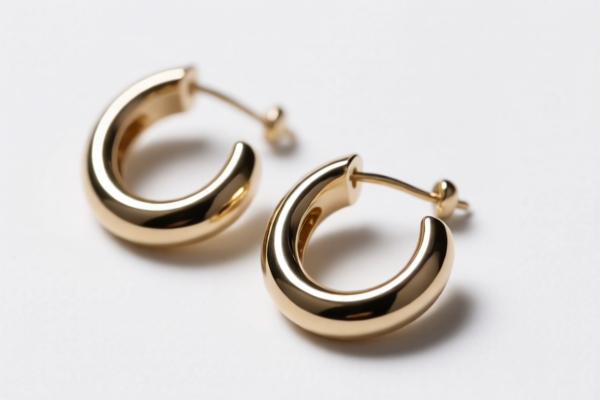
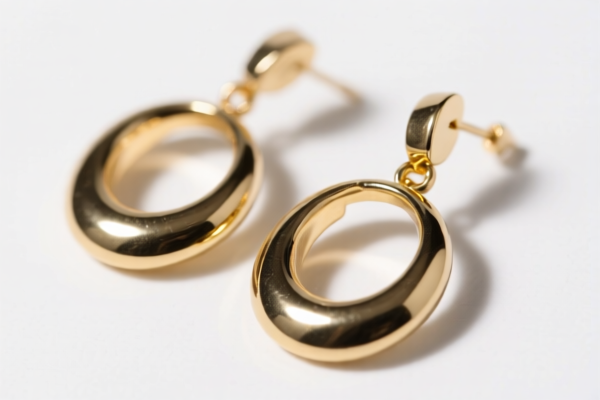
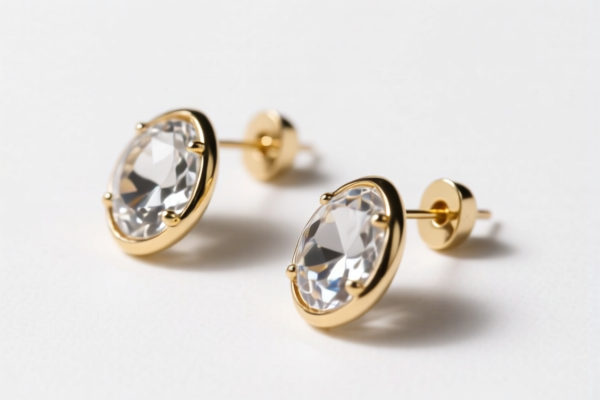
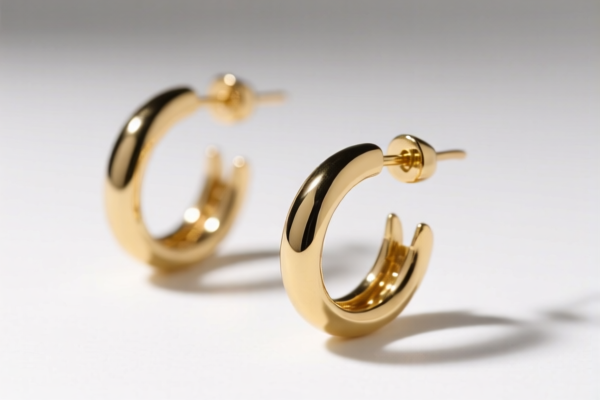
AI Analysis
💎 Earrings Posts (Jewelry & Accessories)
🌐 HS Code Reference & Customs Clearance Guide | 2026 Latest Tariff Analysis | Professional Clearance Strategy
📌 I. Product Definition & Classification: Do You Truly Understand "Earring Posts"?
"Earring Posts" are not just simple metal pins; they are categorized based on their material composition and function (jewelry vs. packaging). In international trade, misclassification can lead to massive tariff differences—from a low 13.3% to a staggering 52.6%.
Key Distinctions: 1. Jewelry Articles: If the posts are part of an earring intended for adornment. * Precious/Semi-precious materials → Chapter 71 (7116/7117). 2. Packaging/Containers: If the item is a box or case holding earrings. * Plastic materials → Chapter 39. * Textile materials → Chapter 42.
⚠️ Critical Warning:
- If you are importing actual earrings, do NOT declare them as "boxes" or "plastic containers."
- If you are importing display cases, do NOT declare them as "jewelry."
- Material is King: The base material determines the HS Code and the Tax Rate.
📦 II. HS Code Classification Matrix (2026 Latest Tariff Data)
| HS Code | Product Description | Material / Composition | Total Tax Rate | Key Tax Components |
|---|---|---|---|---|
7116.20.05.00 |
Earrings (Semi-precious/Gemstone) | Gemstones or semi-precious stones | 13.3% | Base: 3.3% Sec 301: 0.0% Section 122: 10% |
7117.90.90.00 |
Imitation Jewelry (Earrings) | Non-precious metals (Alloy, Base Metal) | 28.5% | Base: 11.0% Sec 301: 7.5% Section 122: 10% |
3926.90.48.00 |
Earring Boxes/Containers | Plastic or similar materials | 13.4% | Base: 3.4% Sec 301: 0.0% Section 122: 10% |
4202.92.93.15 |
Earring Boxes/Cases | Textile materials or non-metallics | 52.6% | Base: 17.6% Sec 301: 25.0% Section 122: 10% |
7116.20.15.00 |
Earrings (Precious/Semi-precious stone mix) | Precious metals or stone制品 | 24.0% | Base: 6.5% Sec 301: 7.5% Section 122: 10% |
🔍 Analysis:
- Lowest Tax:7116.20.05.00(13.3%) for gemstone/semi-precious earrings.
- Highest Tax:4202.92.93.15(52.6%) for textile/packaging boxes.
- Middle Ground:7117.90.90.00(28.5%) for common imitation jewelry (base metal).
💰 III. 2026 Latest Tariff Rate Breakdown (Detailed Policy Analysis)
✅ Applicable Country: United States (US)
✅ Origin: China (CN)
✅ Effective Date: Post-2025 policies including Section 122 and Section 301 tariffs.
🎯 1. 7116.20.05.00 – Gemstone/Semi-Precious Earrings (The "Sweet Spot")
| Item | Detail |
|---|---|
| Base Tariff | 3.3% |
| Section 301 Tariff | 0.0% (Exempt or Low Rate for this specific subheading) |
| Section 122 Tariff | 10% |
| Total Effective Rate | 13.3% |
| Calculation | CIF Value × 13.3% |
| De Minimis Exemption | ❌ Not Applicable (Jewelry generally excluded from Section 321 de minimis benefits in strict interpretations) |
| Legal Basis | USITC:7116.20.05.00 → SECTION_122:10% |
📌 Explanation:
- This is the most favorable rate for natural stone or semi-precious earrings.
- The 0% Section 301 component makes this highly competitive compared to base-metal jewelry.
🎯 2. 7117.90.90.00 – Imitation Jewelry (Base Metal/Alloy)
| Item | Detail |
|---|---|
| Base Tariff | 11.0% |
| Section 301 Tariff | 7.5% |
| Section 122 Tariff | 10% |
| Total Effective Rate | 28.5% |
| Calculation | CIF Value × 28.5% |
| De Minimis Exemption | ❌ Not Applicable |
| Legal Basis | USITC:7117.90.90.00 → SECTION_301:7.5% → SECTION_122:10% |
📌 Explanation:
- Most common fashion jewelry (zinc alloy, brass, copper) falls here.
- 28.5% is moderate but significantly higher than gemstone equivalents.
🎯 3. 4202.92.93.15 – Textile/Packaging Boxes (The "Trap")
| Item | Detail |
|---|---|
| Base Tariff | 17.6% |
| Section 301 Tariff | 25.0% |
| Section 122 Tariff | 10% |
| Total Effective Rate | 52.6% |
| Calculation | CIF Value × 52.6% |
| De Minimis Exemption | ❌ Not Applicable |
| Legal Basis | USITC:4202.92.93.15 → SECTION_301:25% → SECTION_122:10% |
📌 Explanation:
- WARNING: If you ship gift boxes, display cases, or textile pouches for earrings, they are subject to the highest rate (52.6%).
- Section 301 adds a heavy 25% on top of base tariffs for textile-related goods.
🛠️ IV. Customs Clearance Practical Advice (Avoid Pitfalls)
✅ 1. Documentation Checklist (Mandatory)
| Document | Required? | Notes |
|---|---|---|
| ✅ Product Specification Sheet | ✔️ | Must specify material (e.g., "Zinc Alloy" vs. "Quartz Stone"). |
| ✅ Material Composition Certificate | ✔️ | Critical for distinguishing 7116 (Stone) vs. 7117 (Imitation). |
| ✅ High-Res Photos | ✔️ | Show clasp type, material texture, and any gemstones. |
| ✅ Commercial Invoice | ✔️ | Use precise descriptions: "Gemstone Earrings" NOT just "Jewelry." |
| ✅ Packaging Details | ✔️ | Separate declaration for boxes if shipped separately. |
✅ 2. Declaration Strategy (Key Mantra)
🔥 "Material Defines Code, Box Gets Taxed High!"
| Scenario | Correct HS Code | Error Consequence |
|---|---|---|
| Base Metal Earrings | 7117.90.90.00 (28.5%) |
Misdeclare as "Box" (3926/4202) → Smuggling risk + High Tax |
| Gemstone Earrings | 7116.20.05.00 (13.3%) |
Misdeclare as "Base Metal" → Overpay 15% tax! |
| Plastic Earring Box | 3926.90.48.00 (13.4%) |
Misdeclare as "Textile Box" (4202) → Overpay 39% tax! |
| Textile Earring Pouch | 4202.92.93.15 (52.6%) |
Misdeclare as "Plastic" → Smuggling risk |
📌 Tip:
- Separate Lines: Always declare Jewelry and Packaging on separate lines of the Bill of Lading/Invoice.
- Do Not Bundle: Do not write "Earrings with Box" as one line item. Declare the earrings under7116/7117and the box under3926/4202.
✅ 3. Special Considerations
| Case | Advice |
|---|---|
| Mixed Materials | If earrings have stone settings AND metal posts, customs often classify based on principal material. If stone is prominent, argue for 7116. If metal is dominant, use 7117. |
| OEM Custom Jewelry | Provide design files to prove uniqueness. Avoid generic "imitation jewelry" labels if possible. |
| Shipping Samples | Small quantities may still be inspected. Ensure labels match the HS Code description exactly. |
🌍 V. Global Market Comparison (2026)
| Market | Recommended HS Code | Est. Total Tax | Key Requirement |
|---|---|---|---|
| 🇺🇸 USA | 7116.20.05.00 (Stone) |
13.3% | Section 301 (0%), Section 122 (10%) |
| 🇺🇸 USA | 7117.90.90.00 (Imitation) |
28.5% | High scrutiny on "Imitation" definition |
| 🇪🇺 EU | 7113 (Jewelry) |
~2.5% + VAT | No Section 301/122. Lower base duty. |
| 🇨🇳 China | 7113 (Import) |
~10-11% | Import VAT 13% applies. |
📌 Conclusion:
- USA is the most expensive market for jewelry due to Section 301 and Section 122 tariffs.
- EU and Asia offer significantly lower tariff barriers for the same goods.
📌 VI. Common Mistakes & Blood-Teaching Lessons
❌ Mistake 1: Declaring Textile Boxes as Plastic Containers
👉 Consequence: Tax jumps from 13.4% to 52.6%. You lose 39.2% in profit.
❌ Mistake 2: Declaring Base Metal Earrings as Precious Metal
👉 Consequence: Customs audit reveals low-grade material. Fines + Seizure.
❌ Mistake 3: Using vague terms like "Fashion Accessories"
👉 Consequence: Customs assigns a default higher duty code. Always be specific.
✅ Correct Declaration Example:
"Women's Earrings, Set with Synthetic Gemstones, Base Metal, Model E-101" →
7116.20.05.00
"Plastic Earring Display Case, Clear Acrylic, Model C-202" →3926.90.48.00
🎯 VII. Conclusion: Precision Saves Money!
🎯 Remember the Mantra:
🔹 "Stone = 13.3%, Base Metal = 28.5%, Textile Box = 52.6%!"
🔹 "Separate Line Items: Jewelry and Box Never Mix!"
🔹 "HS Code is Life, Tax Rate is Death!"
📌 Pro Tip:
If your supply chain is flexible, consider shifting packaging to plastic (
3926) instead of textile (4202) to save 39.2% on packaging costs.
For jewelry, ensure material composition is documented to qualify for the lower 13.3% rate if possible.
📣 Immediate Action:
📞 Consult a licensed customs broker for Pre-Ruling on complex mixed-material items.
🚀 Clear Compliance → Low Tax → High Profit!
✨ Professional Clearance Starts with Accurate Classification!
💼 Every Percent Saved is Profit Earned!
Customer Reviews
About HS Code Classification
The Harmonized System (HS) is an internationally standardized nomenclature developed by the World Customs Organization (WCO) to classify traded products. Over 200 countries use the HS system as the basis for customs tariffs, trade statistics, and import/export regulations.
Each HS code follows a hierarchical structure:
- Chapter (2 digits) — Broad category of goods (e.g., Chapter 84: Machinery and Mechanical Appliances)
- Heading (4 digits) — More specific grouping within the chapter
- Subheading (6 digits) — Internationally standardized breakdown, used by all WCO member countries
- National subdivisions (8-10 digits) — Country-specific extensions for further classification, such as US HTSUS 10-digit codes
Correct HS code classification is essential for smooth customs clearance, accurate duty payment, and compliance with trade regulations. Misclassification can lead to customs delays, overpayment of duties, or penalties.
When importing from CN to US, the applicable tariff rates may include:
- Most-Favored-Nation (MFN) rate — The standard duty rate applied to WTO members
- General rate — Applied to countries without trade agreements
- Trade remedy duties — Additional tariffs such as Section 301 (anti-dumping), Section 232 (national security), or countervailing duties
The information provided on this page is for reference purposes only. For official classification, please consult with your local customs authority or a licensed customs broker.