easy tear insulating tape
CN → US| HS Code | Tariff Rate | Origin | Destination | Doc |
|---|---|---|---|---|
| 3919905030 | 40.8% | CN | US | Official Doc |
| 3919102020 | 40.8% | CN | US | Official Doc |
| 3926909989 | 22.8% | CN | US | Official Doc |
| 3926904590 | 38.5% | CN | US | Official Doc |
Product Images
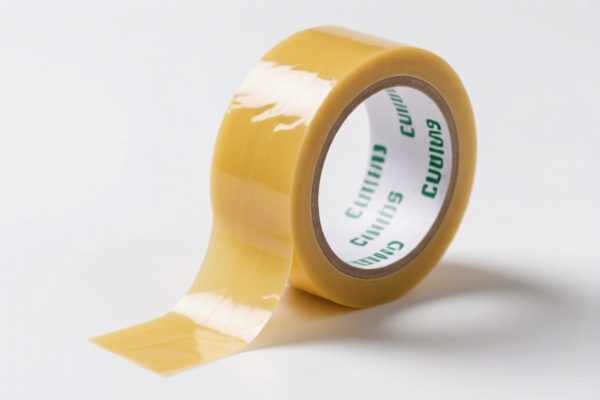
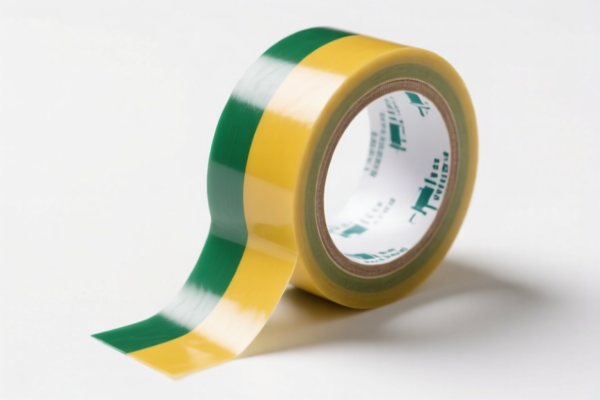
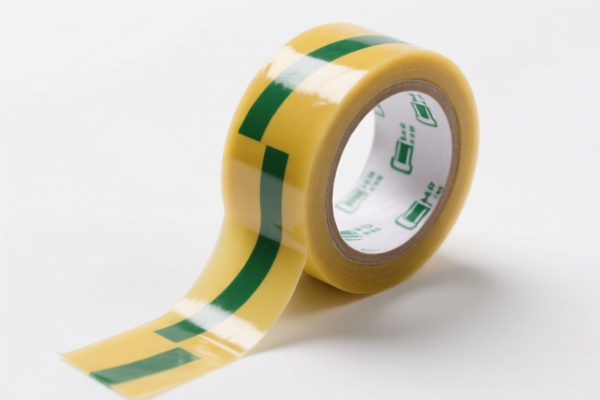
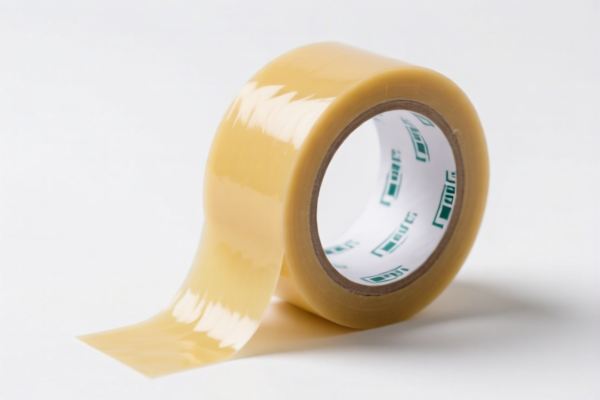
AI Analysis
🔌 Easy Tear Insulating Tape (Electrical Insulation Tape)
🌐 HS Code Reference & Customs Clearance Guide | 2026 Latest Tariff Analysis | Professional Clearance Strategy
📌 I. Product Definition & Classification: Do You Really Understand "Easy Tear Insulating Tape"?
Easy Tear Insulating Tape is a critical component in electrical engineering, used for insulating wires, cables, and connections to prevent short circuits and electric shocks. In international trade, it is primarily classified based on its material composition and specific usage characteristics.
Key Distinction Points:
- Plastic/Polimer-based Self-Adhesive Tape: Most common industrial type (PVC, PE, etc.) → Usually falls under Chapter 39.
- Other Materials: If made of fabric, rubber, or specialized composites not covered under plastics, it may fall under Chapter 39 (if polymer-based) or other chapters (e.g., Chapter 59 for impregnated fabrics).
- "Easy Tear" Feature: This is a functional descriptor (perforated or pre-cut design) and does not change the fundamental material classification but may affect the specific subheading within the HS Code.
⚠️ Critical Note:
- If the tape is PVC-based and used for general electrical insulation, it is most likely classified under 3919 (Self-adhesive plates, sheets, film, foil, tape, strip and other flat shapes, of plastics).
- If it is a general-purpose plastic article not specifically described elsewhere (e.g., non-self-adhesive or specialized polymer blend), it may fall under 3926 (Other articles of plastics).
📦 II. HS Code Classification Details (2026 Latest Tariff Authority Comparison)
| HS Code | Product Description | Application Scenario | Material Type |
|---|---|---|---|
3919.90.50.30 |
Insulating tape, matched for electrical insulation purposes, material inferred as plastic self-adhesive tape | General electrical wiring, household wiring, industrial cable insulation | PVC/Plastic Self-Adhesive |
3919.10.20.20 |
Insulating tape, matched for electrical use, material is plastic self-adhesive tape | Similar to above, but potentially different width or core specification | Plastic Self-Adhesive |
3926.90.99.89 |
Insulating tape, material is plastic/polymer, classified as other unlisted plastic articles | Non-self-adhesive plastic tape or specialized polymer tape not covered under 3919 | Plastic/Polymer |
3926.90.45.90 |
Insulating tape, material is plastic/polymer, classified as gaskets, washers, and other sealing devices | Used for sealing or insulation in conjunction with gasket-like functions | Plastic/Polymer |
🔍 Key Reminder:
- 3919 codes apply to self-adhesive plastic tapes. If your "Easy Tear" tape is self-adhesive (has a sticky side), it must go under 3919.
- 3926 codes apply to non-self-adhesive plastic articles or those not specifically described as self-adhesive.
- Misclassification Risk: Declaring self-adhesive tape as3926can lead to lower declared tariffs but higher scrutiny and potential penalties. Always declare self-adhesive products under 3919.
💰 III. 2026 Latest Tariff Rate Breakdown (Including Surtaxes, Policy Add-ons)
✅ Applicable Country: United States (US)
✅ Country of Origin: China (CN)
✅ Effective Date: From November 10, 2025 (and subsequent imports)
🎯 1. 3919.90.50.30 —— Insulating Tape (Plastic Self-Adhesive, Electrical Use)
| Item | Content |
|---|---|
| Base Tariff Rate | 5.8% (ad valorem) |
| USITC Surtax | +25.0% (Section 301) |
| Section 122 Tariff | +10.0% (Targeted USITC Footnote) |
| Total Tariff Rate | 40.8% |
| Tax Calculation | CIF Value × 40.8% |
| De Minimis Eligibility | ❌ No (deny_de_minimis) |
| Legal Basis Path | IEEPA:9903.01.25 → USITC:3919.90.50.30 → FOOTNOTE:122 |
📌 Explanation:
- Base 5.8%: Standard MFN rate for self-adhesive plastic tapes.
- 25% Surcharge: Under Section 301 of the Trade Act, targeting Chinese-origin plastic products.
- 10% Section 122: Additional targeted tariff for specific plastic articles.
- Total 40.8%: A significant cost burden. Must be factored into pricing strategies.
🎯 2. 3919.10.20.20 —— Insulating Tape (Plastic Self-Adhesive, Electrical Use)
| Item | Content |
|---|---|
| Base Tariff Rate | 5.8% (ad valorem) |
| USITC Surtax | +25.0% (Section 301) |
| Section 122 Tariff | +10.0% (Targeted USITC Footnote) |
| Total Tariff Rate | 40.8% |
| Tax Calculation | CIF Value × 40.8% |
| De Minimis Eligibility | ❌ No (deny_de_minimis) |
| Legal Basis Path | IEEPA:9903.01.25 → USITC:3919.10.20.20 → FOOTNOTE:122 |
📌 Note:
- Same tariff structure as3919.90.50.30.
- The distinction between3919.90.50.30and3919.10.20.20is often based on specific product characteristics (e.g., width, core size, or specific electrical rating). Ensure your product specifications match the exact HS Code definition.
🎯 3. 3926.90.99.89 —— Insulating Tape (Plastic/Polymer, Other Unlisted Article)
| Item | Content |
|---|---|
| Base Tariff Rate | 5.3% (ad valorem) |
| USITC Surtax | +7.5% (Section 301 – Lower tier for some plastics) |
| Section 122 Tariff | +10.0% (Targeted USITC Footnote) |
| Total Tariff Rate | 22.8% |
| Tax Calculation | CIF Value × 22.8% |
| De Minimis Eligibility | ❌ No (deny_de_minimis) |
| Legal Basis Path | IEEPA:9903.01.25 → USITC:3926.90.99.89 → FOOTNOTE:122 |
📌 Caution:
- This rate is only applicable if the tape is NOT self-adhesive or is classified as a "other plastic article" rather than self-adhesive tape.
- Do NOT misdeclare self-adhesive tape as3926.90.99.89to save 18%. US Customs and Border Protection (CBP) actively audits misclassification. Penalties can exceed the tariff savings.
🎯 4. 3926.90.45.90 —— Insulating Tape (Plastic/Polymer, Gaskets/Washers)
| Item | Content |
|---|---|
| Base Tariff Rate | 3.5% (ad valorem) |
| USITC Surtax | +25.0% (Section 301) |
| Section 122 Tariff | +10.0% (Targeted USITC Footnote) |
| Total Tariff Rate | 38.5% |
| Tax Calculation | CIF Value × 38.5% |
| De Minimis Eligibility | ❌ No (deny_de_minimis) |
| Legal Basis Path | IEEPA:9903.01.25 → USITC:3926.90.45.90 → FOOTNOTE:122 |
📌 Specific Use Case:
- This code is for plastic articles used as gaskets, washers, or sealing devices.
- If your "Easy Tear Tape" is not primarily used for sealing or gasket purposes, do not use this code. It is strictly for products that function as seals. Misuse here is a high-risk audit target.
🛠️ IV. Customs Clearance Practical Advice (Battle-Tested Pitfall Avoidance)
✅ 1. Preparation Checklist (All Documents Required)
| Document | Required | Description |
|---|---|---|
| ✅ Product Specification Sheet | ✔️ | Must include: Material (PVC/PE/etc.), Width, Length, Thickness, Adhesive Type, Electrical Rating (Voltage/Temp) |
| ✅ Product Photos (Including Label) | ✔️ | Clear image of the roll, label, and "Easy Tear" feature |
| ✅ Commercial Invoice | ✔️ | Clearly state: "Insulating Tape, PVC, Self-Adhesive, For Electrical Use" |
| ✅ Packing List | ✔️ | List quantity, weight, and dimensions per carton |
| ✅ Certificate of Origin (CO) | ✔️ | If originating from China, CO is mandatory for tariff calculation |
| ✅ Third-Party Test Report | ✔️ | UL, CE, or RoHS certificates if available (enhances credibility) |
✅ 2. Declaration Tips (Key Mantra)
🔥 "Material First, Adhesive Second, Function Third! Self-Adhesive = 3919, Non-Adhesive = 3926."
| Scenario | Correct Declaration | Wrong Action |
|---|---|---|
| Self-Adhesive PVC Tape | 3919.90.50.30 or 3919.10.20.20 |
Misdeclare as 3926.90.99.89 (22.8%) → Audit risk |
| Non-Adhesive Plastic Tape | 3926.90.99.89 |
Misdeclare as 3919 → Incorrect material classification |
| Tape Used as Gasket | 3926.90.45.90 |
Misdeclare as 3919 → Functional misclassification |
| Mixed Shipment (Tape + Adhesives) | Split Declaration | Combine into one HS Code → Higher scrutiny |
✅ 3. Special Case Handling
| Scenario | Recommendation |
|---|---|
| OEM Custom Tape | Provide customer design specs to prove material and adhesive type |
| "Easy Tear" Feature | Mention in description but emphasize material and adhesive nature |
| Non-China Origin | If tape is made in Vietnam/Malaysia/Thailand, apply for tariff exemption under IEEPA → Rate drops to 0-5% |
| Sample Shipments | Still subject to full tariffs; do not claim de minimis |
🌍 V. Global Market Comparison (2026 Latest)
| Country/Region | Recommended HS Code | Tariff Rate | Certification Required | Notes |
|---|---|---|---|---|
| 🇺🇸 USA | 3919.90.50.30 |
40.8% (China) | None specific | High tariff due to Section 301 |
| 🇨🇳 China | 3919.90.50.30 |
5.8% | CCC (if applicable) | No surtaxes |
| 🇪🇺 EU | 3919.90.50.30 |
6.5% | CE + RoHS | No surtaxes |
| 🇦🇺 Australia | 3919.90.50.30 |
5% | RCM | No surtaxes |
| 🇯🇵 Japan | 3919.90.50.30 |
6% | PSE | No surtaxes |
📌 Conclusion:
- USA is the only market with high surtaxes (40.8%) for Chinese-origin plastic tapes.
- Diversify supply chain: Consider sourcing from Vietnam, Malaysia, or Thailand to avoid Section 301 tariffs.
- Pre-clearance: Apply for Advance Ruling from US CBP to confirm HS Code before shipping.
📌 VI. Common Mistakes & Pitfalls (Blood-Teaching Lessons)
❌ Mistake 1: Declaring self-adhesive tape as 3926.90.99.89 to pay 22.8% instead of 40.8%
👉 Consequence: CBP audit → Back taxes + Penalties + Delayed Cargo
❌ Mistake 2: Not specifying "Self-Adhesive" on the invoice
👉 Consequence: CBP assumes non-adhesive → Classifies under 3926 → Discrepancy detected → Fine
❌ Mistake 3: Using "Electrical Tape" without material details
👉 Consequence: CBP requests more info → Clearance delay → Storage fees
❌ Mistake 4: Assuming "Easy Tear" changes the HS Code
👉 Consequence: No change in HS Code; focus on material and adhesive properties
✅ Correct Declaration Example:
"Insulating Tape, PVC, Self-Adhesive, 19mm x 10m, Easy Tear, UL Listed, Model XYZ, For Electrical Insulation"
🎯 VII. Conclusion: Professional Declaration, Save Time, Reduce Costs!
🎯 Remember the Mantra:
🔹 "Self-Adhesive = 3919, Non-Adhesive = 3926. China Origin = 40.8%, Non-China = 0-5%."
🔹 "HS Code determines tariff, misclassification costs more than the tariff itself."
📌 Pro Tip:
If your tape is originally from Vietnam, Mexico, Thailand, or Malaysia, you can apply for IEEPA exemption, reducing the tariff to 0-5%.
Recommend Advance Ruling application to US CBP to avoid clearance risks.
📣 Immediate Action:
📞 Contact a licensed customs broker + Provide product specs + Apply for HS Code Advance Ruling
🚀 Ensure your Easy Tear Insulating Tape clears customs smoothly, efficiently, and profitably!
✨ Professional clearance starts with precise classification!
💼 Every cent of your cost deserves accurate calculation!
Customer Reviews
About HS Code Classification
The Harmonized System (HS) is an internationally standardized nomenclature developed by the World Customs Organization (WCO) to classify traded products. Over 200 countries use the HS system as the basis for customs tariffs, trade statistics, and import/export regulations.
Each HS code follows a hierarchical structure:
- Chapter (2 digits) — Broad category of goods (e.g., Chapter 84: Machinery and Mechanical Appliances)
- Heading (4 digits) — More specific grouping within the chapter
- Subheading (6 digits) — Internationally standardized breakdown, used by all WCO member countries
- National subdivisions (8-10 digits) — Country-specific extensions for further classification, such as US HTSUS 10-digit codes
Correct HS code classification is essential for smooth customs clearance, accurate duty payment, and compliance with trade regulations. Misclassification can lead to customs delays, overpayment of duties, or penalties.
When importing from CN to US, the applicable tariff rates may include:
- Most-Favored-Nation (MFN) rate — The standard duty rate applied to WTO members
- General rate — Applied to countries without trade agreements
- Trade remedy duties — Additional tariffs such as Section 301 (anti-dumping), Section 232 (national security), or countervailing duties
The information provided on this page is for reference purposes only. For official classification, please consult with your local customs authority or a licensed customs broker.