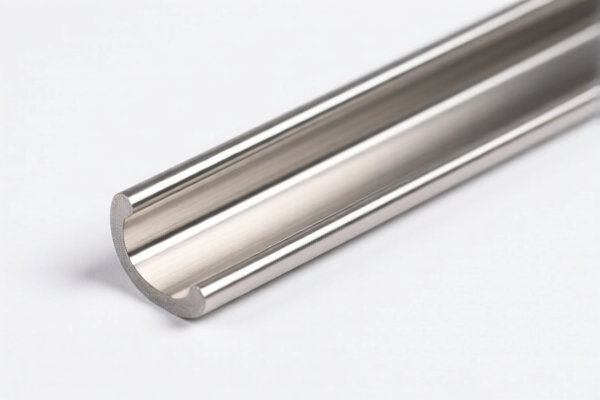
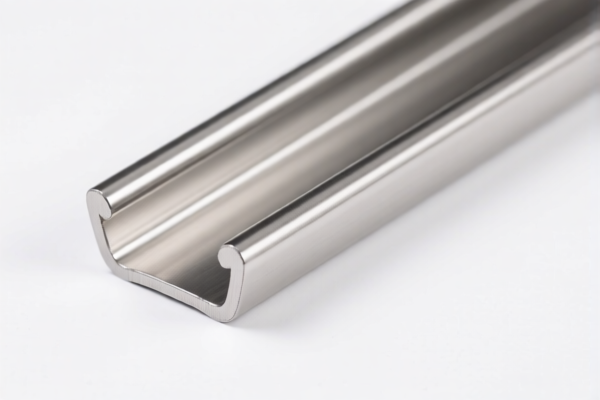
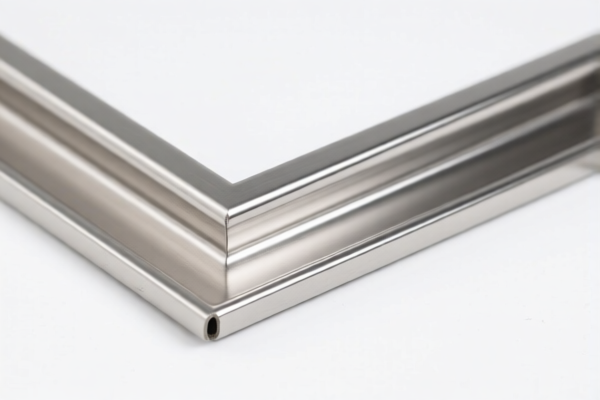
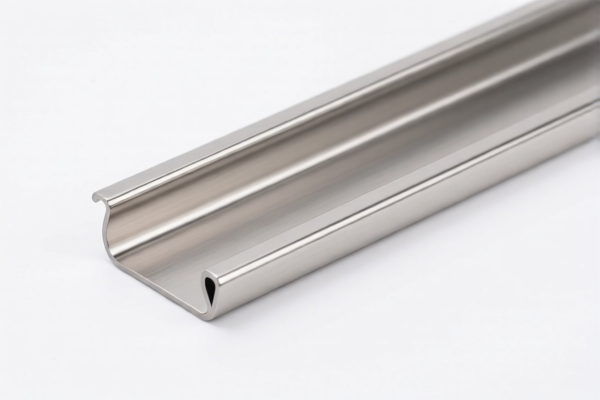
edge trimming plane
CN → US| HS Code | Tariff Rate | Origin | Destination | Doc |
|---|---|---|---|---|
| 8205306000 | 40.0% | CN | US | Official Doc |
| 8465920051 | 38.0% | CN | US | Official Doc |
| 8205597000 | 0.0% | CN | US | Official Doc |
| 8465920034 | 38.0% | CN | US | Official Doc |
| 8465920034 | 38.0% | CN | US | Official Doc |
Product Images
AI Analysis
🪵 Edge Trimming Plane (Aluminum Alloy) | Woodworking Hand Tool & Machine Accessory
🌐 HS Code Reference & Customs Clearance Guide | 2026 Latest Tariff Analysis | Professional Clearance Strategy
📌 I. Product Definition & Classification: What Exactly is an "Edge Trimming Plane"?
The Edge Trimming Plane is a specialized tool used in woodworking for smoothing, shaping, and finishing the edges of wooden boards. In international trade, its classification depends heavily on whether it is viewed as a hand tool or a machine part/accessory, and its material composition (Aluminum Alloy in this case).
Key Classification Distinctions: * Hand Tool Category (Chapter 82): If the plane is designed to be operated manually by hand to trim wood edges. * Machine Accessory Category (Chapter 84): If the plane is considered a part or accessory for a woodworking machine (like a planer or router) or a machine tool itself.
⚠️ Critical Distinction Point:
- If it is a manual plane with a blade for hand use → Classify under 8205 (Hand tools).
- If it is a machine-mounted cutter or a specialized planing machine → Classify under 8465 (Woodworking machines).
📦 II. HS Code Classification Details (2026 Latest Tariff Authority Cross-Reference)
Based on the provided data for Aluminum Alloy Edge Trimming Planes, here are the possible classifications and their implications:
| HS Code | Product Description | Application Scenario | Classification Logic |
|---|---|---|---|
8205.30.60.00 |
Planes, chisels, and other hand tools for woodworking (Aluminum Alloy) | Manual edge trimming, hand-held woodworking | ✅ Hand Tool: Classified as "Other planes for working wood". |
8465.92.00.51 |
Parts and accessories for woodworking machines (Aluminum Alloy) | Machine-mounted edge trimming, part of a planer | ✅ Machine Part: Classified as parts for planing/milling machines. |
8205.59.70.00 |
Other hand tools (Aluminum Alloy) for edge trimming | General manual edge trimming tools | ✅ Hand Tool: Classified as "Other hand tools". |
8465.92.00.34 |
Planing machines (Planer Planes) for wood (Aluminum Alloy) | Planer planes, woodworking planing machinery | ✅ Machine/Part: Classified as "Other planing machines" or parts thereof. |
🔍 Key Reminder:
- Manual vs. Machine: The most critical factor is how the tool is used. If it's a handheld plane,8205is appropriate. If it's a blade for a machine,8465is more likely. - Material: The fact that it is Aluminum Alloy does not automatically change the chapter, but it must be declared correctly in the description. - Misclassification Risk: Misclassifying a hand tool as a machine part (or vice versa) can lead to different duty rates and potential customs delays.
💰 III. 2026 Latest Tariff Rate Breakdown (Including Surcharges & Policy Add-ons)
✅ Applicable Country: USA (US)
✅ Origin: China (CN)
✅ Effective Date: November 10, 2025 (and subsequent imports)
🎯 1. 8205.30.60.00 —— Hand Planes (Aluminum Alloy)
| Item | Content |
|---|---|
| Base Tariff | 5.0% |
| Section 301 Surcharge | +25.0% |
| Section 122 Tariff | +10.0% |
| Total Tariff Rate | 40.0% |
| Tax Calculation | CIF Value × 40% |
| De Minimis Eligibility | ❌ No (Deny de minimis) |
| Legal Basis Path | Base Rate → Section 301 (25%) → Section 122 (10%) |
📌 Explanation:
- 5% Base Tariff: Standard MFN rate for hand planes. - 25% Section 301: Additional tariff on Chinese goods under Trade Act Section 301. - 10% Section 122: Additional tariff under Section 122 (National Security/Emergency Powers). - Total: 40%. This is a high tariff category. Manual hand planes are subject to these surcharges.
🎯 2. 8465.92.00.51 —— Machine Parts/Accessories (Aluminum Alloy)
| Item | Content |
|---|---|
| Base Tariff | 3.0% |
| Section 301 Surcharge | +25.0% |
| Section 122 Tariff | +10.0% |
| Total Tariff Rate | 38.0% |
| Tax Calculation | CIF Value × 38% |
| De Minimis Eligibility | ❌ No (Deny de minimis) |
| Legal Basis Path | Base Rate → Section 301 (25%) → Section 122 (10%) |
📌 Explanation:
- 3% Base Tariff: Lower base rate for machine parts compared to hand tools. - Same Surcharges: Section 301 and Section 122 still apply to Chinese-origin machine parts. - Total: 38%. Slightly lower than hand planes, but still significant.
🎯 3. 8205.59.70.00 —— Other Hand Tools (Aluminum Alloy)
| Item | Content |
|---|---|
| Base Tariff | 1.5¢/kg + 3.5% (Ad Valorem) |
| Section 301 Surcharge | +25.0% |
| Section 122 Tariff | +10.0% |
| Total Tariff Rate | 1.5¢/kg + 3.5% + 35% |
| Tax Calculation | (Weight × 1.5¢) + (CIF Value × 38.5%) |
| De Minimis Eligibility | ❌ No (Deny de minimis) |
| Legal Basis Path | Base Rate → Section 301 (25%) → Section 122 (10%) |
📌 Explanation:
- Complex Tariff: This category has a mixed tariff (specific + ad valorem). - Weight Component: 1.5 cents per kilogram adds a fixed cost. - Ad Valorem Component: 3.5% base + 25% + 10% = 38.5% total ad valorem. - Total: 3.5% + 35% = 38.5% plus weight-based fees.
🎯 4. 8465.92.00.34 —— Planing Machines (Aluminum Alloy)
| Item | Content |
|---|---|
| Base Tariff | 3.0% |
| Section 301 Surcharge | +25.0% |
| Section 122 Tariff | +10.0% |
| Total Tariff Rate | 38.0% |
| Tax Calculation | CIF Value × 38% |
| De Minimis Eligibility | ❌ No (Deny de minimis) |
| Legal Basis Path | Base Rate → Section 301 (25%) → Section 122 (10%) |
📌 Explanation:
- 3% Base Tariff: Same as machine parts. - Same Surcharges: Section 301 and Section 122 apply. - Total: 38%. Same as8465.92.00.51.
🛠️ IV. Customs Clearance Practical Advice (Real-World Pitfall Avoidance)
✅ 1. Document Preparation Checklist (All Required)
| Document | Must Provide | Description |
|---|---|---|
| ✅ Product Specifications | ✔️ | Include dimensions, material (Aluminum Alloy), blade type, manual vs. machine use. |
| ✅ Product Photos | ✔️ | Clear images of the plane, including the blade and handle/mounting structure. |
| ✅ Commercial Invoice | ✔️ | Clearly state "Aluminum Alloy Edge Trimming Plane" and intended use (hand-held or machine part). |
| ✅ Packing List | ✔️ | List quantity, weight, and HS Code. |
| ✅ Certificate of Origin (CO) | ✔️ | If applicable, to verify China origin (triggers surcharges). |
| ✅ Third-Party Test Report | ✔️ | If safety or material certification is required. |
✅ 2. Declaration Strategy (Key Mantra)
🔥 “Hand Tool vs. Machine Part: Declare Accurately, Avoid Double Taxation!”
| Scenario | Correct Declaration | Wrong Practice |
|---|---|---|
| Manual Plane | 8205.30.60.00 or 8205.59.70.00 |
Misdeclare as machine part → 38% vs 40% (minor diff) but risk of audit. |
| Machine Blade/Part | 8465.92.00.51 or 8465.92.00.34 |
Misdeclare as hand tool → Risk of misclassification penalties. |
| Mixed Shipment | Split HS Codes | Combine all under one HS Code → High risk of rejection or penalty. |
| Aluminum Material | Specify Material | Only say "Plane" → Customs may question material and origin. |
✅ 3. Special Case Handling
| Situation | Handling Advice |
|---|---|
| OEM Custom Planes | Provide customer orders and design drawings to prove intended use. |
| Aluminum Alloy Composition | Ensure material certificate matches declaration to avoid duty adjustment. |
| High-Value vs. Low-Value | Given the 38-40% tariff, consider if de minimis exemptions apply (they do NOT for China-origin goods under these sections). |
| Part vs. Whole | If selling a plane with a detachable blade, declare the whole unit. If selling only blades, declare as parts. |
🌍 V. Global Market Clearance Comparison (2026 Latest)
| Country/Region | Recommended HS Code | Tariff Rate | Certification Required | Notes |
|---|---|---|---|---|
| 🇺🇸 USA | 8205.30.60.00 / 8465.92.00.51 |
38-40% | No special certs | High tariffs due to Section 301 + 122. |
| 🇨🇳 China | 8205.30.60.00 / 8465.92.00.51 |
5-10% (Import) | CCC (if applicable) | No surcharges for domestic trade. |
| 🇪🇺 EU | 8205.30.60.00 / 8465.92.00.51 |
0-4.5% | CE (if applicable) | No Section 301/122 equivalent. |
| 🇬🇧 UK | 8205.30.60.00 / 8465.92.00.51 |
0-4.5% | UKCA (if applicable) | Post-Brexit tariffs apply. |
| 🇦🇺 Australia | 8205.30.60.00 / 8465.92.00.51 |
5% | RCM | No surcharges. |
📌 Conclusion:
- USA is the most expensive market for these goods due to Section 301 and Section 122 tariffs.
- EU, UK, and Australia have much lower tariffs, making them more competitive for Chinese exporters.
- Strategic Advice: If targeting the US market, consider supply chain diversification or pre-clearance rulings to mitigate costs.
📌 VI. Common Errors & Pitfall Guide (Lessons Learned)
❌ Error 1: Declaring a hand plane as a machine part to get a lower base rate (3% vs 5%).
👉 Consequence: Customs audit, potential penalty, and back taxes. The difference is small, but misclassification is risky.
❌ Error 2: Ignoring Section 122 Tariff.
👉 Consequence: Underpaying by 10%. This is a new and critical surcharge for many Chinese goods.
❌ Error 3: Not declaring Aluminum Alloy material.
👉 Consequence: Customs may reclassify based on material, leading to duty adjustments and delays.
❌ Error 4: Assuming De Minimis exemption applies.
👉 Consequence: NO. Section 301 and Section 122 tariffs deny de minimis exemptions for China-origin goods. All shipments are taxable.
✅ Correct Approach:
"Aluminum Alloy Hand Plane for Woodworking, Model XYZ, Manual Use, Chinese Origin"
🎯 VII. Conclusion: Professional Declaration, Cost Saving, Efficient Clearance
🎯 Remember the Mantra:
🔹 "Hand Tool vs. Machine: Declare Clearly, Avoid Audit!"
🔹 "Section 301 + 122: 35-38% Extra Cost, No De Minimis!"
🔹 "Aluminum Alloy: Specify Material, Prevent Re-classification!"
📌 Tips:
- If your product is intended for machine use, use
8465.92.00.51or8465.92.00.34(38% total).- If it's a hand tool, use
8205.30.60.00(40% total) or8205.59.70.00(38.5% + weight fee).- Pre-ruling: Apply for an Advance Ruling from US Customs to confirm the correct HS Code and tariff applicability.
- Cost Control: Given the high tariffs, consider negotiating price adjustments with customers or optimizing packaging to reduce CIF value.
📣 Immediate Action:
📞 Contact a professional customs broker + Provide product photos + Apply for HS Code Advance Ruling
🚀 Let your Edge Trimming Plane pass customs smoothly, efficiently, and profitably!
✨ Professional Clearance Starts with Accurate Classification!
💼 Every Cent of Your Cost Deserves Precise Calculation!
Customer Reviews
About HS Code Classification
The Harmonized System (HS) is an internationally standardized nomenclature developed by the World Customs Organization (WCO) to classify traded products. Over 200 countries use the HS system as the basis for customs tariffs, trade statistics, and import/export regulations.
Each HS code follows a hierarchical structure:
- Chapter (2 digits) — Broad category of goods (e.g., Chapter 84: Machinery and Mechanical Appliances)
- Heading (4 digits) — More specific grouping within the chapter
- Subheading (6 digits) — Internationally standardized breakdown, used by all WCO member countries
- National subdivisions (8-10 digits) — Country-specific extensions for further classification, such as US HTSUS 10-digit codes
Correct HS code classification is essential for smooth customs clearance, accurate duty payment, and compliance with trade regulations. Misclassification can lead to customs delays, overpayment of duties, or penalties.
When importing from CN to US, the applicable tariff rates may include:
- Most-Favored-Nation (MFN) rate — The standard duty rate applied to WTO members
- General rate — Applied to countries without trade agreements
- Trade remedy duties — Additional tariffs such as Section 301 (anti-dumping), Section 232 (national security), or countervailing duties
The information provided on this page is for reference purposes only. For official classification, please consult with your local customs authority or a licensed customs broker.