egg roll machine
CN → US| HS Code | Tariff Rate | Origin | Destination | Doc |
|---|---|---|---|---|
| 8438100010 | 17.5% | CN | US | Official Doc |
| 8438100090 | 17.5% | CN | US | Official Doc |
| 8479820040 | 35.0% | CN | US | Official Doc |
Product Images
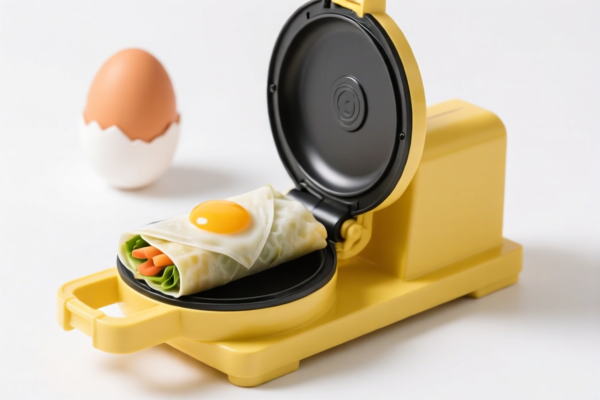
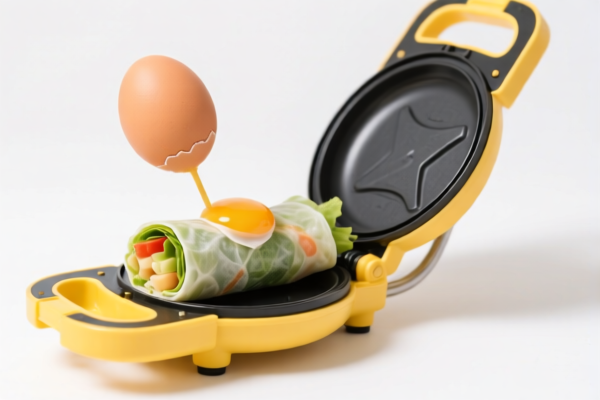
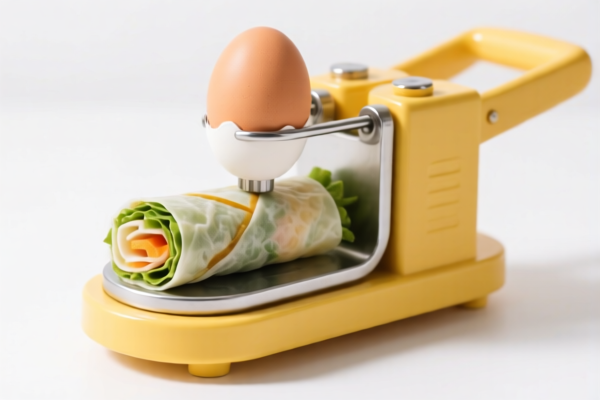
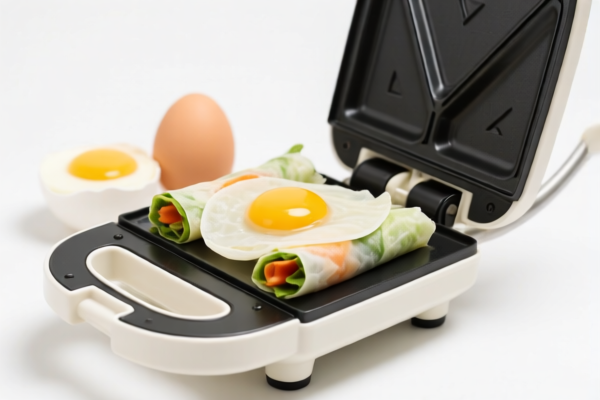
AI Analysis
🥚 Egg Roll Machine (蛋卷机)
International Trade Classification & Customs Clearance Guide | 2026 Update
🌐 HS Code Reference & Customs Clearance Strategy | Professional Classification Analysis
An Egg Roll Machine is a specialized food manufacturing equipment used for baking, heating, and shaping batter into rolls. In international trade, its classification depends heavily on the specific function (baking vs. general mixing/kneading) and the mechanical structure.
⚠️ Critical Distinction: - If the machine is primarily designed for baking/roasting similar to bread ovens or biscuit makers → It falls under Chapter 84, Heading 8438. - If the machine is classified broadly as a general mixing/kneading/processing device without specific baking oven characteristics → It may fall under Chapter 84, Heading 8479.
📦 II. HS Code Classification Details (2026 Latest Tariff Schedule)
Based on the provided data, there are three potential HS Codes for Egg Roll Machines, leading to significantly different tax implications.
| HS Code | Product Description / Summary | Tax Rate (Total) | Key Application Scenario |
|---|---|---|---|
| 8438.10.00.90 | Food manufacturing machinery for baking products. Fits the description of baking machinery. | 17.5% | Standard Egg Roll Machines where the primary function is baking/roasting (similar to bread/biscuit makers). |
| 8438.10.00.10 | Food processing machinery for bread or food machinery范畴. Fits the definition of bread/food machinery. | 17.5% | Egg Roll Machines explicitly categorized under Bread/Food Machinery. Often used for similar commercial bakery equipment. |
| 8479.82.00.40 | Food processing equipment. Heating, baking, and shaping functions fit the broad category of mixing/kneading/stirring machinery. | 35.0% | Machines where the classification emphasizes general processing/kneading mechanics rather than specific baking oven functionality. |
🔍 Classification Key: - 8438.10: Generally applies to machinery for the preparation of bread, cakes, biscuits, or similar baked goods. - 8479.82: Applies to other machines and mechanical appliances having individual functions, not specified elsewhere, often including general food mixers/kneaders. - Risk: Misclassifying a baking-specific machine as a general mixer (8479) or vice versa can lead to customs audits, delays, or penalties.
💰 III. 2026 Latest Tariff Rate Breakdown (Including Surtaxes & Policy Add-ons)
✅ Applicable Country: United States (US)
✅ Country of Origin: China (CN)
✅ Effective Date: Rates apply to imports from China.
🎯 1. HS Code: 8438.10.00.90 & 8438.10.00.10
Category: Bread/Food Manufacturing Machinery (Baking Focus)
| Item | Detail |
|---|---|
| Base Duty Rate | 0.0% |
| Section 301 Surtax | 7.5% |
| Section 122 Tariff | 10.0% |
| Total Effective Rate | 17.5% |
| Tax Calculation | CIF Value × 17.5% |
| De Minimis Exemption | ❌ Not Applicable (Deny de minimis for China-origin goods under current enforcement). |
| Legal Basis Path | HTSUS:8438.10 → Section 301: 7.5% → Section 122: 10% |
📌 Explanation: - These HS codes benefit from a 0% base duty. - The 17.5% total rate is composed of the 7.5% Section 301 surtax and the 10% Section 122 tariff (often related to specific country-of-origin or trade remedy measures). - This is the preferred classification for most standard egg roll machines due to the lower total tax burden.
🎯 2. HS Code: 8479.82.00.40
Category: General Food Processing/Mixing Machinery
| Item | Detail |
|---|---|
| Base Duty Rate | 0.0% |
| Section 301 Surtax | 25.0% |
| Section 122 Tariff | 10.0% |
| Total Effective Rate | 35.0% |
| Tax Calculation | CIF Value × 35.0% |
| De Minimis Exemption | ❌ Not Applicable |
| Legal Basis Path | HTSUS:8479.82 → Section 301: 25% → Section 122: 10% |
📌 Explanation: - The Section 301 surtax is significantly higher (25%) for this heading compared to 8438 (7.5%). - The Section 122 tariff (10%) remains the same. - Total Tax: 35.0%, which is double the cost of classifying under 8438. - Risk: Using this code for a standard baking egg roll machine is financially disadvantageous and may be challenged by customs if the machine’s primary function is clearly baking.
🛠️ IV. Customs Clearance Practical Advice (Pitfall Avoidance Guide)
✅ 1. Documentation Checklist (Must-Have)
| Document | Required | Notes |
|---|---|---|
| Product Specification Sheet | ✔️ | Must clearly state: "Baking Machine," "Heating Element," "Oven Chamber." Avoid vague terms like "Food Processor." |
| Technical Diagram | ✔️ | Show the heating mechanism (oven/broiler) to support classification under 8438. |
| Product Photos | ✔️ | Clear images showing control panel, baking chamber, and output mechanism. |
| Commercial Invoice | ✔️ | Description: "Electric Egg Roll Baking Machine" or "Food Manufacturing Machinery for Baking." |
| HS Code Declaration | ✔️ | Explicitly declare 8438.10.00.90 or 8438.10.00.10 if applicable. |
| Country of Origin Certificate | ✔️ | Confirm China origin to apply surtaxes correctly. |
✅ 2. Declaration Strategy
🔥 Golden Rule:
"Emphasize Baking, Not Just Mixing. Use 8438, Not 8479, to Save 17.5%!"
| Scenario | Recommended HS Code | Why? |
|---|---|---|
| Standard Egg Roll Machine | 8438.10.00.90 / .10 |
Primary function is baking/roasting batter into rolls. Lower tax (17.5%). |
| Machine with Heavy Kneading/Mixing Component | 8479.82.00.40 |
Only if the mixing/kneading function is primary and baking is secondary. Higher tax (35.0%). |
| Combined Oven-Mixer Unit | 8438.10.00.90 |
If the oven/baking chamber is the core feature, classify under 8438. |
✅ 3. Special Case Handling
| Situation | Recommendation |
|---|---|
| OEM Custom Machines | Provide design drawings showing the heating/baking chamber to justify 8438 classification. |
| Ambiguous Function | If the machine both mixes and bakes equally, consult a customs broker. However, 8438 is generally safer for lower tax. |
| Accessories | Declare separate accessories (e.g., extra molds, cleaning brushes) under their own codes if possible, or include them in the main machine value. |
| Software-Controlled Machines | If the machine has complex software, still classify under 8438 if the hardware function is baking. Do not misclassify as a computer peripheral. |
🌍 V. Global Market Comparison (2026 Latest)
| Market | Recommended HS Code | Est. Total Duty (China Origin) | Key Certification | Notes |
|---|---|---|---|---|
| 🇺🇸 USA | 8438.10.00.90 |
17.5% | NSF, UL, ETL | Highly recommended to use 8438 to avoid 35% rate. |
| 🇺🇸 USA | 8479.82.00.40 |
35.0% | NSF, UL, ETL | Avoid unless machine is purely a mixer/kneader. |
| 🇨🇳 China | 8438.10.00.90 |
~13% (Import Duty) | CCC (if applicable) | Lower import duty; check for VAT. |
| 🇪🇺 EU | 8438.80 |
~4.5% | CE, RoHS | Different classification system; generally lower than US surtaxes. |
| 🇬🇧 UK | 8438.80 |
~4.5% | UKCA, RoHS | Post-Brexit rules apply; check latest UK tariff. |
📌 Conclusion: - USA: The 17.5% rate under 8438 is significantly more favorable than the 35.0% rate under 8479. - EU/UK/China: Standard import duties apply without the heavy US surtaxes.
📌 VI. Common Errors & Pitfalls (Lessons Learned)
❌ Mistake 1: Classifying Egg Roll Machine as 8479.82 (General Machinery)
👉 Consequence: Pay 35.0% tax instead of 17.5%. Overpayment of 17.5%!
❌ Mistake 2: Describing Product as "Food Mixer" in Invoice
👉 Consequence: Customs may suspect 8479 classification or reject for ambiguity.
Fix: Use "Baking Machine" or "Food Manufacturing Equipment for Baking."
❌ Mistake 3: Splitting Shipment into "Machine" and "Molds"
👉 Consequence: Molds may be classified separately (e.g., 8206 or 7323) with different duties.
Fix: Declare as a single unit with molds included, unless molds are sold separately.
✅ Correct Declaration Example:
"Electric Egg Roll Baking Machine, Model XYZ, 220V, for Commercial Use, with Heating Element and Shaping Rollers. HS Code: 8438.10.00.90."
🎯 VII. Conclusion: Optimize Classification for Cost Savings
🎯 Key Takeaway:
🔹 "If it Bakes, Use 8438. If it Mixes, Use 8479."
🔹 "For Egg Roll Machines, 8438 is the Sweet Spot: 17.5% vs. 35%."
🔹 "Always Highlight the Baking Function in Documentation."
📌 Pro Tip:
- Apply for Advance Ruling: If unsure, request an HS Code Advance Ruling from US Customs (CBP) to lock in the 17.5% rate for 8438.10.00.90 or .10.
- Consult a Broker: For complex machines, hire a licensed customs broker to review technical specs before shipment.
📣 Take Action Now:
📞 Contact a Customs Broker
📄 Prepare Tech Specs Showing Heating Elements
🚀 Declare under 8438.10.00.90 to Save 17.5% in Taxes!
✨ Professional Customs Clearance Starts with Precise Classification!
💼 Every Percent of Duty Saved is Profit Gained!
Customer Reviews
About HS Code Classification
The Harmonized System (HS) is an internationally standardized nomenclature developed by the World Customs Organization (WCO) to classify traded products. Over 200 countries use the HS system as the basis for customs tariffs, trade statistics, and import/export regulations.
Each HS code follows a hierarchical structure:
- Chapter (2 digits) — Broad category of goods (e.g., Chapter 84: Machinery and Mechanical Appliances)
- Heading (4 digits) — More specific grouping within the chapter
- Subheading (6 digits) — Internationally standardized breakdown, used by all WCO member countries
- National subdivisions (8-10 digits) — Country-specific extensions for further classification, such as US HTSUS 10-digit codes
Correct HS code classification is essential for smooth customs clearance, accurate duty payment, and compliance with trade regulations. Misclassification can lead to customs delays, overpayment of duties, or penalties.
When importing from CN to US, the applicable tariff rates may include:
- Most-Favored-Nation (MFN) rate — The standard duty rate applied to WTO members
- General rate — Applied to countries without trade agreements
- Trade remedy duties — Additional tariffs such as Section 301 (anti-dumping), Section 232 (national security), or countervailing duties
The information provided on this page is for reference purposes only. For official classification, please consult with your local customs authority or a licensed customs broker.