elastic bandage
CN → US| HS Code | Tariff Rate | Origin | Destination | Doc |
|---|---|---|---|---|
| 5608903000 | 40.0% | CN | US | Official Doc |
| 5608902700 | 49.1% | CN | US | Official Doc |
| 5603920070 | 35.0% | CN | US | Official Doc |
| 3005105000 | 10.0% | CN | US | Official Doc |
| 3005905090 | 10.0% | CN | US | Official Doc |
Product Images

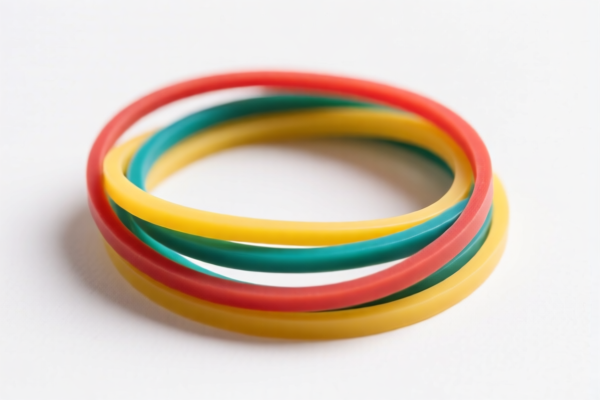
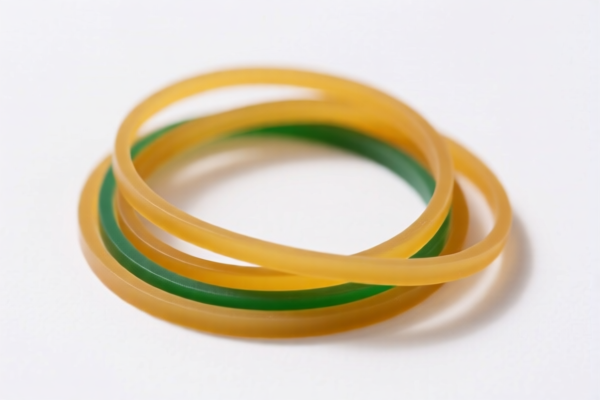
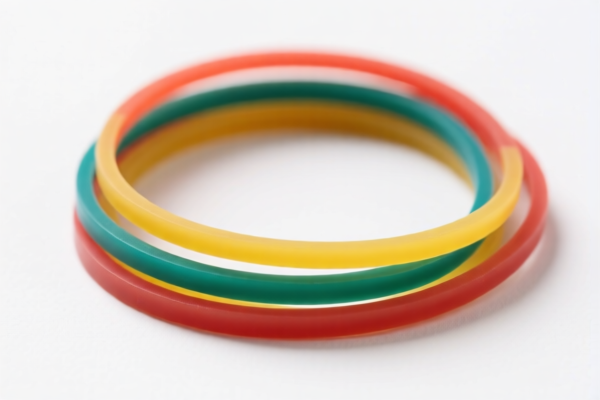
AI Analysis
🩹 Elastic Bandage (Medical/First Aid)
🌐 HS Code Reference & Customs Clearance Guide | 2026 Latest Tariff Analysis | Professional Entry Strategies 📌 I. Product Definition & Classification: Do You Know the Difference?
An "Elastic Bandage" is a versatile textile product used for compression, support, and wound care. However, in international trade, function determines classification. It is critical to distinguish between general medical supplies (exempt from trade war tariffs) and textile elastic goods (subject to high punitive tariffs).
Key Distinction: * Medical/Pharmaceutical Use: Products designed for wound dressing, impregnated with medication, or used in surgical contexts → Lower Tax (10%) * General Textile/Elastic Use: Products used for binding, general support, or industrial elastic webbing → High Tax (40%-49.1%)
⚠️ Critical Decision Point: * Is the bandage impregnated with drugs or designed for wound contact? → Look at
3005chapters. * Is it a plain elastic webbing or generic binding tape without specific medical claims? → Look at5608or5603chapters.
📦 II. HS Code Classification Details (2026 Latest Tariff Authority)
Based on the provided data, here are the four possible classifications depending on the specific nature of your "Elastic Bandage":
| HS Code | Product Description | Applicable Scenario | Medical vs. Textile? |
|---|---|---|---|
3005.10.50.00 |
Bandages with adhesive layer; suitable for medical/surgical use | Standard cohesive bandages, first-aid kits, surgical wraps | ✅ Medical |
3005.90.50.90 |
Other medicated bandages; impregnated/coated with pharmaceuticals | Hydrocolloid dressings, antibiotic-infused wraps, specialized wound care | ✅ Medical |
5608.90.30.00 |
Elastic bands made of textile materials; net-shaped or elongated for binding | Generic elastic stretch bandages (non-medical claim), athletic support wraps | ❌ Textile |
5603.92.00.70 |
Non-woven fabric products; ready for retail sale (finished form) | Pre-packaged non-woven elastic gauze or ready-to-use retail bandages | ❌ Textile/Fabric |
5608.90.27.00 |
Ropes, cords, netting; woven textile categories (cotton or other fibers) | Heavy-duty cotton elastic bandages, woven support straps | ❌ Textile |
🔍 Key Reminder: * If your product is clearly marketed as a medical device or dressing, aim for
3005. This avoids the steep "Section 301" (25%) and "122 Section" (10%) additional duties often applied to generic textiles. * If the product is a plain elastic webbing without drug impregnation, it falls under5608, incurring higher total taxes.
💰 III. 2026 Latest Tariff Rate Breakdown (Including Surcharges)
✅ Applicable Country: USA (US) ✅ Origin: China (CN) ✅ Effective Time: 2025/2026 Period (Subject to current IEEPA/USITC rules)
🎯 1. 3005.10.50.00 —— Bandages with Adhesive (Medical Use)
The "Low Risk" Choice for Medical Products
| Item | Content |
|---|---|
| Base Tariff | 0.0% (Ad Valorem) |
| USITC Surcharge (Sec 301) | 0.0% (Exempt for certain medical supplies) |
| 122 Clause Tariff | 10% (Specific statutory addition) |
| Total Tariff Rate | 10.0% |
| Tax Calculation | CIF Value × 10% |
| De Minimis Exemption | ❌ Not applicable for Section 301/122 in most cases |
| Legal Basis Path | USITC:3005.10.50.00 → FOOTNOTE:122 |
📌 Explanation: * Medical bandages (
3005) generally enjoy a 0% base tariff and are often exempt from the 25% Section 301 tariff. * However, be aware of the 10% "122 Clause" tariff, which still applies. * Total: 10%. This is significantly lower than textile alternatives.
🎯 2. 3005.90.50.90 —— Medicated Bandages (Other)
Specialized Wound Care
| Item | Content |
|---|---|
| Base Tariff | 0.0% |
| USITC Surcharge (Sec 301) | 0.0% |
| 122 Clause Tariff | 10% |
| Total Tariff Rate | 10.0% |
| Tax Calculation | CIF Value × 10% |
| De Minimis Exemption | ❌ Not applicable |
| Legal Basis Path | USITC:3005.90.50.90 → FOOTNOTE:122 |
📌 Note: * Similar to
3005.10, medicated bandages benefit from the medical exemption. * Total: 10%. Ideal for hydrocolloid or drug-infused products.
🎯 3. 5608.90.30.00 —— Textile Elastic Bands (Non-Medical)
Generic Elastic Webbing
| Item | Content |
|---|---|
| Base Tariff | 5.0% |
| USITC Surcharge (Sec 301) | 25.0% |
| 122 Clause Tariff | 10% |
| Total Tariff Rate | 40.0% |
| Tax Calculation | CIF Value × 40% |
| De Minimis Exemption | ❌ Not applicable |
| Legal Basis Path | IEEPA:9903.01.25 → USITC:5608.90.30.00 → FOOTNOTE:301 |
📌 Explanation: * General elastic bands fall under textile Chapter 56. * Subject to full 25% Section 301 tariff + 10% 122 Clause tariff + 5% base. * Total: 40%. High cost entry.
🎯 4. 5603.92.00.70 & 5608.90.27.00 —— Non-Woven & Woven Textiles
Retail-Ready Textile Products
| HS Code | Total Tariff | Breakdown |
|---|---|---|
5603.92.00.70 |
35.0% | Base 0% + 25% Sec 301 + 10% 122 Clause |
5608.90.27.00 |
49.1% | Base 14.1% + 25% Sec 301 + 10% 122 Clause |
📌 Warning: *
5608.90.27.00(49.1%) is the highest risk classification. It applies to woven cotton/other fiber ropes or nets. *5603.92.00.70(35.0%) applies to non-woven retail-ready items. * Total taxes range from 35% to 49.1%. Avoid these unless the product is strictly non-medical textile.
🛠️ IV. Customs Clearance Practical Advice
✅ 1. Documentation Checklist (Non-Negotiable)
| Document | Required? | Purpose |
|---|---|---|
| Product Labeling | ✔️ | Must clearly state "Medical Use" or "Elastic Bandage" to support 3005 classification. |
| Intended Use Statement | ✔️ | Letter from manufacturer stating product is for wound care/surgical support (to justify 3005). |
| Ingredient List | ✔️ | For 3005.90: Must list pharmaceutical ingredients to prove "medicated" status. |
| Commercial Invoice | ✔️ | Description must match HS Code exactly (e.g., "Medicated Elastic Bandage" vs. "Elastic Webbing"). |
| COO (Certificate of Origin) | ✔️ | To verify China origin and calculate exact surcharges. |
✅ 2. Declaration Strategy (Key Tips)
🔥 “Medical First, Textile Last: Use the Right Claim to Cut Costs!”
| Scenario | Recommended HS Code | Why? |
|---|---|---|
| Bandage with Adhesive | 3005.10.50.00 |
Base 0%, No Sec 301. Save 30% vs. textile. |
| Drug-Impregnated Wrap | 3005.90.50.90 |
Base 0%, No Sec 301. Save 30% vs. textile. |
| Plain Elastic Support | 5608.90.30.00 |
No medical claim possible. Accept 40% tax. |
| Non-Woven Retail Pack | 5603.92.00.70 |
Only if clearly non-medical non-woven fabric. 35% tax. |
⚠️ Critical Warning: * Do NOT declare a medical bandage as a "textile elastic band" (
5608) just to simplify description. This can lead to audits and back taxes. * Conversely, do NOT declare a plain elastic bandage as "medicated" (3005) if it has no drug content. This is fraud and leads to heavy fines.
✅ 3. Special Cases
| Situation | Handling Advice |
|---|---|
| OEM/White Label | Ensure packaging clearly indicates medical use if targeting 3005. |
| Mixed Shipment | Separate medical (3005) and textile (5608) items on different invoices/lines to optimize duties. |
| Retail-Ready Non-Woven | If it’s a non-medical elastic gauze, use 5603.92.00.70 (35%) but avoid 5608.90.27.00 (49.1%) if possible. |
🌍 V. Global Market Comparison (2026)
| Region | Recommended HS Code | Total Tax (China Origin) | Key Certification |
|---|---|---|---|
| 🇺🇸 USA | 3005.10.50.00 (Medical) |
10% | FDA 510(k) (if Class II) |
| 🇺🇸 USA | 5608.90.30.00 (Textile) |
40% | No specific FDA needed |
| 🇨🇳 China | 3005.10.50.00 |
5% | NMPA Registration |
| 🇪🇺 EU | 3005.10.50.00 |
0-3% | CE Mark (MDR) |
| 🇬🇧 UK | 3005.10.50.00 |
0-3% | UKCA Mark |
📌 Conclusion: * USA is the most tariff-sensitive market. * Medical Classification (
3005) saves 30%+ in tariffs compared to textile classification. * Ensure your product meets FDA or equivalent medical device regulations to legally claim3005.
📌 VI. Common Errors & Pitfalls (Lessons Learned)
❌ Error 1: Calling a plain elastic bandage "Medicated Bandage" to avoid tariffs. 👉 Consequence: Customs audit → Fine + Back Taxes + Criminal Liability.
❌ Error 2: Using HS Code 5608.90.27.00 for simple cotton elastic bandages.
👉 Consequence: You pay 49.1% tax when 5608.90.30.00 (40%) or 3005 (10%) might apply.
❌ Error 3: Ignoring the "122 Clause" tariff.
👉 Consequence: Even medical bandages (3005) have a 10% tariff. Plan your pricing accordingly!
✅ Correct Approach:
"Elastic Bandage, Adhesive, Sterile, for Medical Wound Support, Model XYZ, FDA Cleared" →
3005.10.50.00"Elastic Textile Band, Non-Medical, Cotton Blend, For General Binding" →5608.90.30.00
🎯 VII. Conclusion: Strategic Sourcing & Declaration
🎯 Remember the Rule of Thumb:
🔹 “Medicinal = 10%, Textile = 35-49%. Choose wisely!” 🔹 “If it heals, use 3005. If it binds, use 5608.” 🔹 “Don’t let 30% tariffs eat your margin!”
📌 Pro Tip:
If your elastic bandage is exclusively for sports support and has no medical claims, you must use the textile codes. However, consider adding pharmaceutical coating (e.g., cooling gel, antiseptic) to potentially qualify for 3005, reducing your tariff from 40% to 10%.
📣 Immediate Action:
📞 Consult your customs broker to determine if your product qualifies as a "Medical Device" under FDA/USITC guidelines. 🚀 Optimize your product description in the invoice to match the HS Code exactly.
✨ Precision Classification, Maximum Profit! 💼 Your Tax Bill Should Be Predictable, Not a Surprise!
Customer Reviews
About HS Code Classification
The Harmonized System (HS) is an internationally standardized nomenclature developed by the World Customs Organization (WCO) to classify traded products. Over 200 countries use the HS system as the basis for customs tariffs, trade statistics, and import/export regulations.
Each HS code follows a hierarchical structure:
- Chapter (2 digits) — Broad category of goods (e.g., Chapter 84: Machinery and Mechanical Appliances)
- Heading (4 digits) — More specific grouping within the chapter
- Subheading (6 digits) — Internationally standardized breakdown, used by all WCO member countries
- National subdivisions (8-10 digits) — Country-specific extensions for further classification, such as US HTSUS 10-digit codes
Correct HS code classification is essential for smooth customs clearance, accurate duty payment, and compliance with trade regulations. Misclassification can lead to customs delays, overpayment of duties, or penalties.
When importing from CN to US, the applicable tariff rates may include:
- Most-Favored-Nation (MFN) rate — The standard duty rate applied to WTO members
- General rate — Applied to countries without trade agreements
- Trade remedy duties — Additional tariffs such as Section 301 (anti-dumping), Section 232 (national security), or countervailing duties
The information provided on this page is for reference purposes only. For official classification, please consult with your local customs authority or a licensed customs broker.