electric cleaning brush
CN → US| HS Code | Tariff Rate | Origin | Destination | Doc |
|---|---|---|---|---|
| 4417006000 | 35.0% | CN | US | Official Doc |
| 9603109000 | 27.5% | CN | US | Official Doc |
| 9603908050 | 70.3% | CN | US | Official Doc |
| 8509805045 | 14.2% | CN | US | Official Doc |
| 9603210000 | 17.5% | CN | US | Official Doc |
Product Images
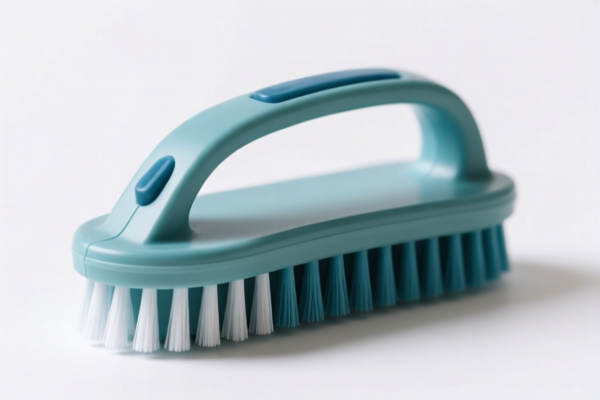
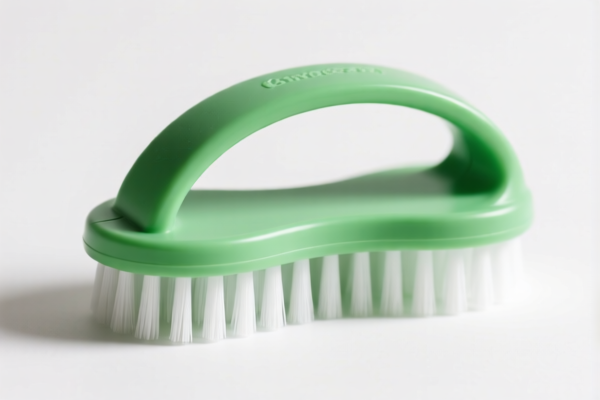
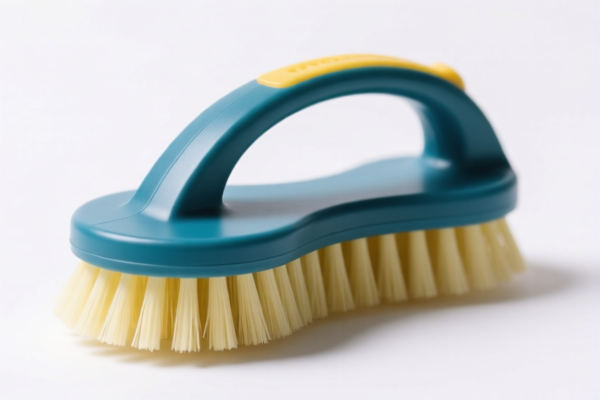
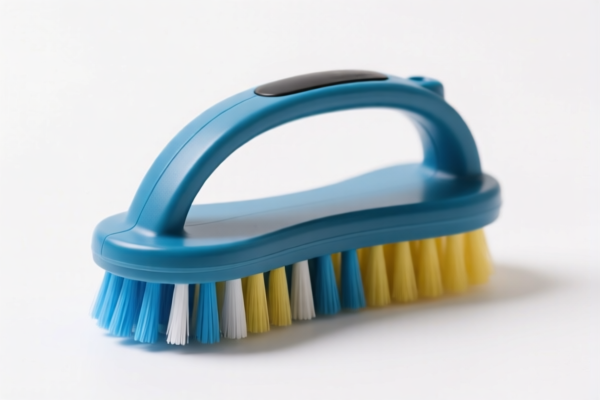
AI Analysis
🧼 Electric Cleaning Brush: HS Code Classification & Customs Clearance Guide
🌐 HS Code Reference & Customs Strategy | 2026 Latest Tariff Analysis | Professional Clearance Protocol
📌 I. Product Definition: What Exactly is an "Electric Cleaning Brush"?
An Electric Cleaning Brush is a broad category encompassing motorized devices designed for hygiene, beauty, or household cleaning. In international trade, classification is not based on the name "brush," but on its primary function and target use. Misclassification here can lead to significant tariff differences (from 10% to over 70%).
Key Functional Categories: 1. Beauty/Personal Care: Electric brushes for hair removal, skin exfoliation, or body cleaning (e.g., electric shower brushes). 2. Oral Hygiene: Electric toothbrushes (often classified separately from general "cleaning brushes"). 3. General Household Cleaning: Manual-style brushes with electric motors (e.g., scrubbing brushes for floors or dishes).
⚠️ Critical Distinction Point:
- If it’s for hair removal → It’s a Beauty Appliance.
- If it’s for teeth → It’s either a Household Appliance or a Dental Instrument (depending on medical claims).
- If it’s for general scrubbing → It’s a Bristle/Brush Article or Household Appliance.
📦 II. HS Code Classification Matrix (2026 Latest Tariff Data)
Based on the provided dataset, here are the 6 possible HS Code classifications for electric cleaning brushes, ranging from beauty devices to general cleaning tools.
| HS Code | Summary Description | Primary Function | Key Differentiator |
|---|---|---|---|
8510.30.00.00 |
Electric Hair Remover/Cleaner | Beauty/Personal Care | Specifically for hair removal or electric body cleaning (e.g., electric shower brush for exfoliation). |
8509.80.50.45 |
Electric Appliance | Household/Electric Cleaning | General purpose electric cleaning device (non-brush specific head). |
9603.21.00.00 |
Toothbrushes | Oral Hygiene | Specifically an electric toothbrush. |
9018.90.75.60 |
Medical/Dental Equipment | Healthcare | Electric toothbrush claimed as a medical/dental treatment device. |
9603.10.90.00 |
Brooms/Brushes | General Cleaning | Non-electric logic applied, but often used for general cleaning brushes if not strictly "electric appliance." |
9603.90.80.50 |
Other Brushes | General Cleaning | Mixed material brushes (Steel/Aluminum/Copper parts included). |
4417.00.60.00 |
Wooden Brushes | General Cleaning | Wooden cleaning brushes. |
🔍 重点提醒 (Key Notes):
- Toothbrushes have two distinct paths:9603.21(General) vs.9018.90(Medical).
- Material matters: If the brush has steel/aluminum/copper components,9603.90applies with a massive 70.3% total tax.
- Beauty vs. Cleaning: An "electric shower brush" for body exfoliation is often grouped under Hair Removal/Cleaning Appliances (8510) rather than general brushes.
💰 III. 2026 Tariff Rate Breakdown (Including Surcharges & Policy Add-ons)
✅ Applicable Country: United States (US)
✅ Origin: China (CN)
✅ Effective Time: 2025/2026 (Current Regulations)
🎯 1. 8510.30.00.00 – Electric Hair Remover / Beauty Cleaning Appliance
Use for: Electric body cleaning brushes, exfoliating brushes.
| Item | Detail |
|---|---|
| Basic Tariff | 4.2% |
| Additional Tariff (Section 301) | 0.0% |
| Section 122 Tariff | 10.0% |
| Total Tax Rate | 14.2% |
| Calculation Base | CIF Value × 14.2% |
| Legal Basis | 122:9903.01.10 → USITC:8510.30.00.00 |
📌 Explanation:
- This is the most favorable rate for electric body cleaning devices.
- No Section 301 tariff, only the specific 122 Clause 10%.
- Strategy: If your device is marketed as a "beauty/exfoliation" tool, classify here to save ~60% compared to general brushes.
🎯 2. 8509.80.50.45 – Electric Household Appliance
Use for: General electric cleaning gadgets not specifically "brushes" in the bristle sense.
| Item | Detail |
|---|---|
| Basic Tariff | 4.2% |
| Additional Tariff (Section 301) | 0.0% |
| Section 122 Tariff | 10.0% |
| Total Tax Rate | 14.2% |
| Calculation Base | CIF Value × 14.2% |
| Legal Basis | 122:9903.01.10 → USITC:8509.80.50.45 |
📌 Explanation:
- Similar to8510, this benefits from the 122 Clause only.
- Applicable if the device is seen as a generic electric cleaner (e.g., electric duster, scrubber) rather than a bristle brush.
🎯 3. 9603.21.00.00 – Electric Toothbrushes (General)
Use for: Standard electric toothbrushes.
| Item | Detail |
|---|---|
| Basic Tariff | 0.0% |
| Additional Tariff (Section 301) | 7.5% |
| Section 122 Tariff | 10.0% |
| Total Tax Rate | 17.5% |
| Calculation Base | CIF Value × 17.5% |
| Legal Basis | 122:9903.01.10 → USITC:9603.21.00.00 → 301:9903.88.04 |
📌 Explanation:
- Basic tariff is 0%, but Section 301 (7.5%) + 122 (10%) applies.
- Total 17.5% is slightly higher than beauty appliances.
🎯 4. 9018.90.75.60 – Dental/Medical Electric Toothbrush
Use for: Toothbrushes claimed as medical/dental treatment devices.
| Item | Detail |
|---|---|
| Basic Tariff | 0.0% |
| Additional Tariff (Section 301) | 0.0% |
| Section 122 Tariff | 10.0% |
| Total Tax Rate | 10.0% |
| Calculation Base | CIF Value × 10.0% |
| Legal Basis | 122:9903.01.10 → USITC:9018.90.75.60 |
📌 Explanation:
- Lowest Tariff (10%)!
- Requires proof that the device is used for medical/dental treatment (e.g., therapeutic claims, FDA Class I/II registration).
- Strategy: If you can legally classify as medical equipment, this is the cheapest option.
🎯 5. 9603.10.90.00 – Brooms/Brushes (General Cleaning)
Use for: General purpose cleaning brushes.
| Item | Detail |
|---|---|
| Basic Tariff | 10.0% |
| Additional Tariff (Section 301) | 7.5% |
| Section 122 Tariff | 10.0% |
| Total Tax Rate | 27.5% |
| Calculation Base | CIF Value × 27.5% |
| Legal Basis | 122:9903.01.10 → USITC:9603.10.90.00 → 301:9903.88.04 |
📌 Explanation:
- High Risk: General brushes are heavily taxed.
- Basic tariff is 10%, plus 301 and 122 surcharges.
🎯 6. 9603.90.80.50 – Other Brushes (Steel/Aluminum/Copper Components)
Use for: Brushes with metal components.
| Item | Detail |
|---|---|
| Basic Tariff | 2.8% |
| Additional Tariff (Section 301) | 7.5% |
| Section 122 Tariff | 10.0% |
| Metal Surtax | 50.0% |
| Total Tax Rate | 70.3% |
| Calculation Base | CIF Value × 70.3% |
| Legal Basis | 122:9903.01.10 → USITC:9603.90.80.50 → 301:9903.88.04 + Metal Surtax |
🚨 CRITICAL WARNING:
- If your electric brush contains steel, aluminum, or copper parts, you may be hit with a 50% Metal Surtax!
- Total tax jumps to 70.3%. This is the most expensive classification.
- Strategy: Avoid metal brushes or classify under8510(Beauty) or8509(Appliance) if possible.
🎯 7. 4417.00.60.00 – Wooden Brushes
Use for: Brushes made of wood.
| Item | Detail |
|---|---|
| Basic Tariff | 0.0% |
| Additional Tariff (Section 301) | 25.0% |
| Section 122 Tariff | 10.0% |
| Total Tax Rate | 35.0% |
| Calculation Base | CIF Value × 35.0% |
| Legal Basis | 122:9903.01.10 → USITC:4417.00.60.00 → 301:9903.88.05 |
📌 Explanation:
- Wooden brushes incur a higher 301 surcharge (25%).
- Total 35% is still cheaper than metal brushes but more expensive than beauty appliances.
🛠️ IV. Customs Clearance Practical Advice (Pitfall Avoidance Guide)
✅ 1. Preparation Checklist (Non-negotiable)
| Document | Required? | Notes |
|---|---|---|
| Product Specifications | ✔️ | Must specify: Motor type, voltage, bristle material, intended use (beauty vs. cleaning). |
| Photos (Internal & External) | ✔️ | Show internal motor and bristle type. Critical to distinguish between "Beauty Device" and "General Brush." |
| Medical/Dental Certification | ✔️ | If claiming 9018.90 (10% tax), provide FDA registration or medical device classification. |
| Material Composition Sheet | ✔️ | To avoid 9603.90 (70.3% tax), prove no steel/aluminum/copper in critical parts. |
| Commercial Invoice | ✔️ | Use precise descriptions: "Electric Exfoliating Body Brush" vs. "Cleaning Brush." |
✅ 2. Classification Strategy (The "Golden Rules")
| Scenario | Recommended HS Code | Total Tax | Why? |
|---|---|---|---|
| Electric Body Scrubber/Exfoliator | 8510.30.00.00 |
14.2% | Classified as Beauty/Hair Removal Appliance. Lowest risk for "brush-like" devices. |
| Medical Toothbrush | 9018.90.75.60 |
10.0% | Lowest tax if you have medical documentation. |
| Standard Electric Toothbrush | 9603.21.00.00 |
17.5% | Standard for oral care. |
| General Electric Scrubber | 8509.80.50.45 |
14.2% | Classified as Electric Appliance, not a "brush." |
| Metal/Steel Bristle Brush | 9603.90.80.50 |
70.3% | AVOID! Heavy surtax for metal components. |
| Wooden Brush | 4417.00.60.00 |
35.0% | High 301 surcharge. |
🔥 "整机不拆,驱动看板,名称精准,税率降一半!"
(Do not disassemble; drive by function; precise naming cuts tax by half!)
✅ 3. Special Cases
| Case | Handling Advice |
|---|---|
| OEM Electric Shower Brush | Market as "Beauty/Exfoliation Device" → Use 8510.30. Avoid "Cleaning Brush" in descriptions. |
| Electric Toothbrush with Medical Claims | Apply for 9018.90.75.60. Requires medical device license. |
| Brush with Metal Bristles | Red Flag! Consider redesigning with plastic/natural bristles to avoid 9603.90 (70.3% tax). |
| Mixed Package (Brush + Stand) | Declare as one unit under the primary function code. Do not split. |
🌍 V. Global Market Comparison (2026)
| Market | Recommended HS Code | Est. Tax (China Origin) | Notes |
|---|---|---|---|
| 🇺🇸 USA | 8510.30.00.00 (Beauty) |
14.2% | Best for electric cleaning brushes. |
| 🇺🇸 USA | 9603.90.80.50 (Metal) |
70.3% | Avoid metal components. |
| 🇨🇳 China | Varies | 5-15% | Lower base tariffs, no Section 122/301. |
| 🇪🇺 EU | 8510.30 | 0-4% | No Section 122. Lower burden. |
📌 Conclusion:
- The US market heavily penalizes "general brushes" and "metal brushes."
- Rebranding an electric cleaning brush as a "Beauty/Exfoliation Appliance" (8510) or "Medical Device" (9018) is the most effective strategy to reduce tariffs from ~35-70% down to 10-14.2%.
📌 VI. Common Errors & Pitfalls (Lessons Learned)
❌ Error 1: Declaring an Electric Shower Brush as "Cleaning Brush" (9603)
👉 Result: Tax jumps from 14.2% to 27.5% or 70.3% if metal is present.
💡 Fix: Use "Exfoliating Beauty Device" in description.
❌ Error 2: Ignoring Metal Components
👉 Result: Unexpected 50% Metal Surtax on 9603.90.
💡 Fix: Check bill of materials for steel/aluminum/copper.
❌ Error 3: Claiming Medical Status without Proof
👉 Result: Customs rejects 9018 classification, reclassifies to 9603 (17.5%+) and fines.
💡 Fix: Ensure FDA/medical certification is ready.
✅ Correct Description Example:
"Electric Exfoliating Body Brush, for Personal Beauty Care, Plastic Bristles, 220V, Model XYZ"
→ Target HS:8510.30.00.00(14.2%)
🎯 VII. Conclusion: Professional Declaration, Cost Efficiency!
🎯 Remember the Mantra:
🔹 "Beauty or Medical? Keep it under 15%!
🔹 General Brush? Watch out for 30%!
🔹 Metal Parts? Brace for 70%!"
📌 Pro Tip:
If your electric cleaning brush contains any steel, aluminum, or copper, immediately redesign it to use plastic or natural bristles and market it as a Beauty Appliance (8510) or General Appliance (8509). This single change can save you 56% in tariffs.
✨ Professional Customs Clearance Starts with Accurate Classification!
💼 Your every penny of cost deserves precise calculation!
Customer Reviews
About HS Code Classification
The Harmonized System (HS) is an internationally standardized nomenclature developed by the World Customs Organization (WCO) to classify traded products. Over 200 countries use the HS system as the basis for customs tariffs, trade statistics, and import/export regulations.
Each HS code follows a hierarchical structure:
- Chapter (2 digits) — Broad category of goods (e.g., Chapter 84: Machinery and Mechanical Appliances)
- Heading (4 digits) — More specific grouping within the chapter
- Subheading (6 digits) — Internationally standardized breakdown, used by all WCO member countries
- National subdivisions (8-10 digits) — Country-specific extensions for further classification, such as US HTSUS 10-digit codes
Correct HS code classification is essential for smooth customs clearance, accurate duty payment, and compliance with trade regulations. Misclassification can lead to customs delays, overpayment of duties, or penalties.
When importing from CN to US, the applicable tariff rates may include:
- Most-Favored-Nation (MFN) rate — The standard duty rate applied to WTO members
- General rate — Applied to countries without trade agreements
- Trade remedy duties — Additional tariffs such as Section 301 (anti-dumping), Section 232 (national security), or countervailing duties
The information provided on this page is for reference purposes only. For official classification, please consult with your local customs authority or a licensed customs broker.