electric curler
CN → US| HS Code | Tariff Rate | Origin | Destination | Doc |
|---|---|---|---|---|
| 8516320020 | 13.9% | CN | US | Official Doc |
| 8516320040 | 13.9% | CN | US | Official Doc |
| 6704190000 | 17.5% | CN | US | Official Doc |
| 3926909989 | 22.8% | CN | US | Official Doc |
| 6704900000 | 17.5% | CN | US | Official Doc |
Product Images
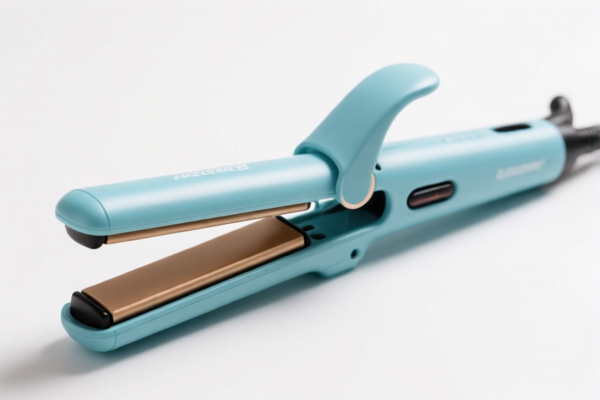
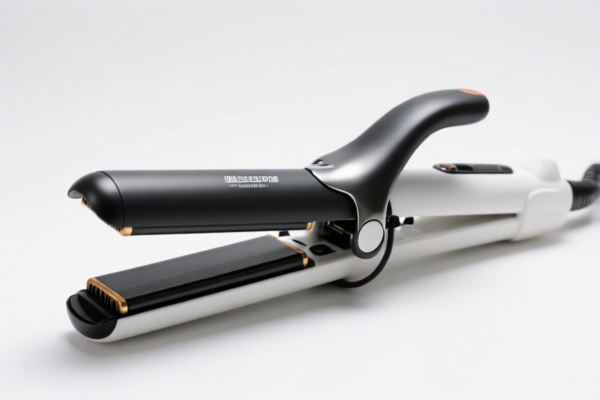
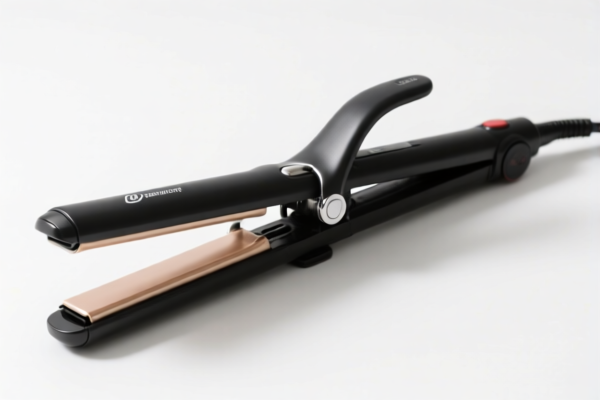
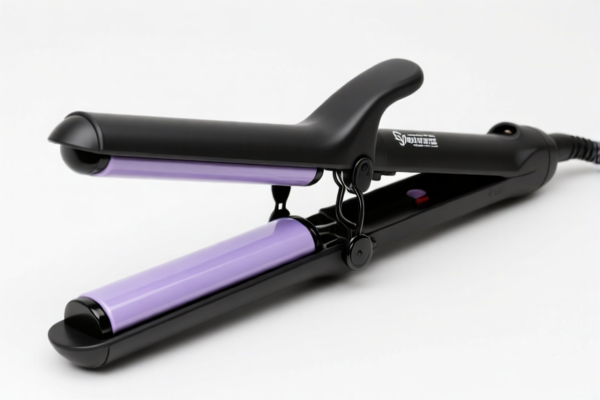
AI Analysis
🌀 Electric Curlers & Hair Tools (Hair Styling Appliances)
🌐 HS Code Reference & Customs Clearance Guide | 2026 Latest Tariff Analysis | Professional Entry Strategy
📌 I. Product Definition & Classification: Do You Really Understand "Electric Curlers"?
An "Electric Curler" is a broad term encompassing various hair styling devices that use heat or material properties to curl hair. In international trade, classification depends heavily on material composition and functionality:
1. Electric Heating Devices (Electrical Appliances):
Devices that use electricity to generate heat for styling (e.g., ceramic rollers, hot air brushes, automatic rotating curlers). These fall under Chapter 85 (Electrical machinery and equipment).
2. Non-Electric/Support Tools (Non-Metallic Goods):
Tools made of synthetic foam, plastic, or fibers used for setting hair without heat (e.g., foam rollers, plastic clips). These fall under Chapter 67 (Prepared feathers/down and articles made thereof) or Chapter 39 (Plastics and articles thereof).
⚠️ Key Distinction Point:
- If the product uses electricity and generates heat → Must be classified under 8516.32 (Domestic electric apparatus for heating hair, e.g., hair dryers, curling tongs, hot plates).
- If the product is made of synthetic foam/plastic and does NOT use heat → It may be classified under 6704 (Wigs, false braids, etc.) or 3926 (Other plastic articles), depending on specific material and usage description.
📦 II. HS Code Classification Details (2026 Latest Tariff Authority Comparison)
Based on the provided data, here are the precise classifications for different types of "curlers":
| HS Code | Product Description | Material/Feature | Application Scenario |
|---|---|---|---|
8516.32.00.20 |
Electric Curling Iron (Standard) | Matches usage with hair curlers; electrical heating device | Standard heated curling tongs, wands |
8516.32.00.40 |
Automatic Electric Curler | Heated hair styling equipment; automated rotating mechanism | Smart curlers that rotate automatically (e.g., Dyson AirWrap style) |
6704.19.00.00 |
Foam Curler (Synthetic) | Made of synthetic materials (foam); non-electric | Foam rollers for cold setting hair |
3926.90.99.89 |
Plastic Curler | Made of plastic articles; non-electric | Hard plastic rollers, clip-on styling aids |
6704.90.00.00 |
Foam Curler (Wig Accessory) | Classified as an accessory to wigs/false hair | Foam rollers used specifically in wig preparation or hairpiece maintenance |
🔍 Key Reminder:
- All electrical heating devices (even if they "curl") must go under 8516.32. Do not misclassify heated electric tools as plastic goods just because they have plastic handles. - Non-electric foam/plastic rollers do NOT go under 8516. They are classified by material: Synthetic Foam (6704) or Plastic (3926).
💰 III. 2026 Latest Tariff Rate Breakdown (Including Additional Taxes & Policy Surcharges)
✅ Applicable Country: United States (US)
✅ Origin: China (CN)
✅ Effective Date: Post-2025 trade policies (Section 301 & IEEPA)
🎯 1. 8516.32.00.20 & 8516.32.00.40 —— Electric Heating Curlers
| Item | Detail |
|---|---|
| Base Tariff Rate | 3.9% (ad valorem) |
| Section 301 Additional Tariff | 0.0% (List 4B exclusion/adjustment applies to some electrical heating appliances) |
| Section 122 Tariff | 10% (Specific surcharge for these HS codes) |
| Total Tariff Rate | 13.9% |
| Tax Calculation | CIF Value × 13.9% |
| De Minimis Eligibility | ❌ No (Valuable goods subject to additional duties) |
| Legal Basis Path | HTSUS:8516.32 → USITC:3.9% → Section 122:10% |
📌 Explanation:
- Electric curlers are considered "electrical heating appliances."
- While many Chinese electrical goods face 25% Section 301 tariffs, hair styling appliances often benefit from lower or zero Section 301 rates depending on specific list updates, but here the data specifies 0.0% for Section 301.
- However, a specific 10% Section 122 tariff is applied.
- Total 13.9% is significantly lower than the 25%+ seen on many other electronics.
🎯 2. 6704.19.00.00 & 6704.90.00.00 —— Foam Curlers (Synthetic/Wig Related)
| Item | Detail |
|---|---|
| Base Tariff Rate | 0.0% |
| Section 301 Additional Tariff | 7.5% |
| Section 122 Tariff | 10% |
| Total Tariff Rate | 17.5% |
| Tax Calculation | CIF Value × 17.5% |
| De Minimis Eligibility | ❌ No |
| Legal Basis Path | HTSUS:6704 → USITC:0% → Section 301:7.5% → Section 122:10% |
📌 Note:
- Foam curlers have a 0% base rate, but still incur 7.5% Section 301 and 10% Section 122.
- Total 17.5% is higher than electric curlers due to Section 301 application.
🎯 3. 3926.90.99.89 —— Plastic Curlers
| Item | Detail |
|---|---|
| Base Tariff Rate | 5.3% |
| Section 301 Additional Tariff | 7.5% |
| Section 122 Tariff | 10% |
| Total Tariff Rate | 22.8% |
| Tax Calculation | CIF Value × 22.8% |
| De Minimis Eligibility | ❌ No |
| Legal Basis Path | HTSUS:3926.90 → USITC:5.3% → Section 301:7.5% → Section 122:10% |
📌 Note:
- Plastic items generally have higher base tariffs.
- Total 22.8% is the highest among the listed options. Avoid this code if your product can be classified as foam (6704) or electric (8516).
🛠️ IV. Customs Clearance Practical Advice (Pitfall Avoidance Guide)
✅ 1. Required Documentation Checklist
| Document | Mandatory | Notes |
|---|---|---|
| ✅ Product Specifications | ✔️ | Must specify: "Electric" vs. "Non-Electric", Material (Plastic/Foam), Power Input (for electric) |
| ✅ Product Photos | ✔️ | Clear images showing: Heating elements, plugs, switches (if electric); Texture/Material (if non-electric) |
| ✅ Commercial Invoice | ✔️ | Description must match HS Code: e.g., "Electric Hair Curler, Ceramic Coating" vs. "Synthetic Foam Hair Rollers" |
| ✅ Circuit Diagram (for Electric) | ✔️ | Critical for proving classification under 8516.32. Proves it is an electrical heating device. |
| ✅ Material Test Report | ✔️ | For foam/plastic curlers, prove material composition (Synthetic Polymer vs. Plastic) to distinguish between 6704 and 3926. |
✅ 2. Classification Strategy (Key Mantra)
🔥 "Heating = 8516, Foam = 6704, Plastic = 3926. Don't Mix!"
| Scenario | Correct HS Code | Why? |
|---|---|---|
| Heated curling iron/tongs | 8516.32.00.20 |
Electrical heating appliance. Lowest tax (13.9%). |
| Automatic rotating heater | 8516.32.00.40 |
Still an electrical heating device. Same tax (13.9%). |
| Soft foam rollers (no heat) | 6704.19.00.00 |
Synthetic material, non-electric. Tax 17.5%. |
| Hard plastic rollers/clips | 3926.90.99.89 |
Plastic article. Highest tax (22.8%). |
| Foam rollers for wigs | 6704.90.00.00 |
Classified as wig accessory. Tax 17.5%. |
💡 Pro Tip: If you manufacture "plastic" curlers, try to adjust the material to synthetic foam or ensure the classification emphasizes non-plastic polymer characteristics to potentially use
6704(17.5%) instead of3926(22.8%). If they are electric, always use8516(13.9%) as it is the most tax-efficient.
✅ 3. Special Handling Notes
| Situation | Recommendation |
|---|---|
| Mixed Shipments | Declare Electric and Non-Electric items separately. Mixing them can cause customs delays or incorrect classification. |
| Voltage Compatibility | For 8516 items, ensure voltage (110V vs 220V) is declared. US imports require 110V/60Hz. Mismatch can lead to rejection. |
| CE/FCC Certification | Electric curlers (8516) often require FCC compliance for sale in the US, though not always mandatory for customs entry, it helps prove legitimacy as an electrical device. |
🌍 V. Global Market Comparison (2026 Snapshot)
| Market | Recommended HS Code | Total Tax (China Origin) | Key Requirement |
|---|---|---|---|
| 🇺🇸 USA | 8516.32 (Electric) |
13.9% | Section 122 + Base Rate. No Section 301 on this code. |
| 🇺🇸 USA | 3926 (Plastic) |
22.8% | Highest tariff. Avoid if possible. |
| 🇪🇺 EU | 8516.32 |
~3-4% | No Section 122. Lower base rates. No US-style surcharges. |
| 🇨🇳 China | 8516.32 |
~3.9% | Import tariff. VAT 13% applies separately. |
📌 Conclusion:
- The US Section 122 tariff adds a significant 10% burden to all curlers.
- Electric curlers (8516) are the most tax-efficient (13.9%) because they benefit from 0% Section 301 rates in this specific dataset.
- Plastic curlers (3926) are the most expensive (22.8%).
- If you have non-heating tools, aim for Foam (6704, 17.5%) over Plastic (3926, 22.8%).
📌 VI. Common Errors & Pitfalls (Lessons Learned)
❌ Error 1: Declaring an Electric Curler as "Plastic Hair Tool"
👉 Consequence: Misclassification. Customs may reassess to 3926 or penalize. Plus, you miss the correct HS code description.
👉 Result: Delayed clearance, potential fines.
❌ Error 2: Declaring Foam Rollers as "Electric"
👉 Consequence: Incorrect HS Code 8516. No electrical components exist.
👉 Result: Rejection by US Customs, return of goods.
❌ Error 3: Ignoring "Section 122" Tariff
👉 Consequence: Budgeting errors. All curlers listed here have a 10% surcharge.
👉 Result: Unexpected tax bill upon arrival.
❌ Error 4: Using Generic Names like "Hair Accessory"
👉 Consequence: Ambiguity. Customs may choose the highest applicable code (3926 or 6704).
👉 Result: Higher tax, delays.
✅ Correct Practice:
"Electric Ceramic Curling Iron, 110V, with Heating Element, Model XYZ" → 8516.32.00.20
"Synthetic Foam Hair Rollers, Non-Electric, for Cold Setting" → 6704.19.00.00
🎯 VII. Conclusion: Precise Classification Saves Money!
🎯 Remember the Tax Hierarchy:
🔹 Electric (Heated): 13.9% (Best)
🔹 Foam (Synthetic): 17.5% (Medium)
🔹 Plastic: 22.8% (Worst)🔹 "Heating equals 8516, Foam equals 6704, Plastic equals 3926. Choose wisely to save 9%!"
🔹 "Section 122 adds 10% to all. Don't forget it in your cost calculation!"
📌 Pro Tip:
If you are exporting Electric Curlers to the US, ensure your FCC certification is up-to-date. For non-electric items, clearly state "Non-Electric" and "Synthetic Foam" in the invoice to justify 6704 and avoid the higher 3926 rate.
📣 Immediate Action:
📞 Consult a customs broker for pre-classification rulings if your product has mixed features (e.g., foam rollers with electric heating pads).
🚀 Optimize your HS Code choice to minimize Section 122 impact and maximize profit margins!
✨ Professional Customs Clearance Starts with Accurate Classification!
💼 Every Percent Matters in Global Trade!
Customer Reviews
About HS Code Classification
The Harmonized System (HS) is an internationally standardized nomenclature developed by the World Customs Organization (WCO) to classify traded products. Over 200 countries use the HS system as the basis for customs tariffs, trade statistics, and import/export regulations.
Each HS code follows a hierarchical structure:
- Chapter (2 digits) — Broad category of goods (e.g., Chapter 84: Machinery and Mechanical Appliances)
- Heading (4 digits) — More specific grouping within the chapter
- Subheading (6 digits) — Internationally standardized breakdown, used by all WCO member countries
- National subdivisions (8-10 digits) — Country-specific extensions for further classification, such as US HTSUS 10-digit codes
Correct HS code classification is essential for smooth customs clearance, accurate duty payment, and compliance with trade regulations. Misclassification can lead to customs delays, overpayment of duties, or penalties.
When importing from CN to US, the applicable tariff rates may include:
- Most-Favored-Nation (MFN) rate — The standard duty rate applied to WTO members
- General rate — Applied to countries without trade agreements
- Trade remedy duties — Additional tariffs such as Section 301 (anti-dumping), Section 232 (national security), or countervailing duties
The information provided on this page is for reference purposes only. For official classification, please consult with your local customs authority or a licensed customs broker.