electric foot warmer
CN → US| HS Code | Tariff Rate | Origin | Destination | Doc |
|---|---|---|---|---|
| 8543704500 | 37.6% | CN | US | Official Doc |
| 8543708500 | 35.0% | CN | US | Official Doc |
| 8516290060 | 38.7% | CN | US | Official Doc |
| 8516290030 | 38.7% | CN | US | Official Doc |
Product Images
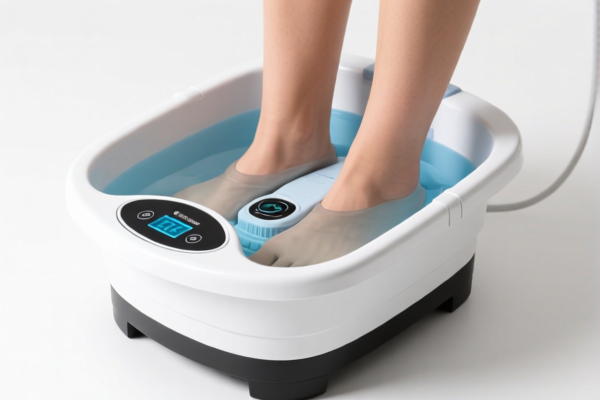
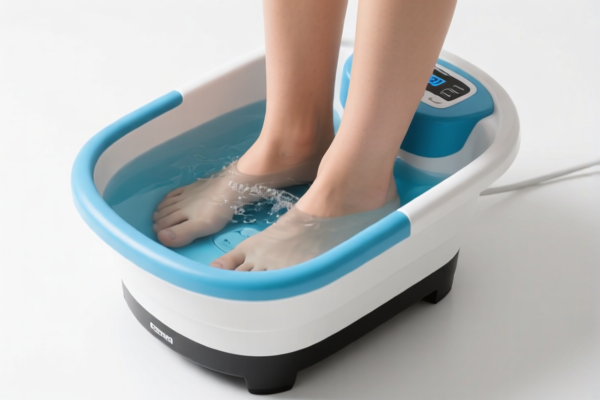
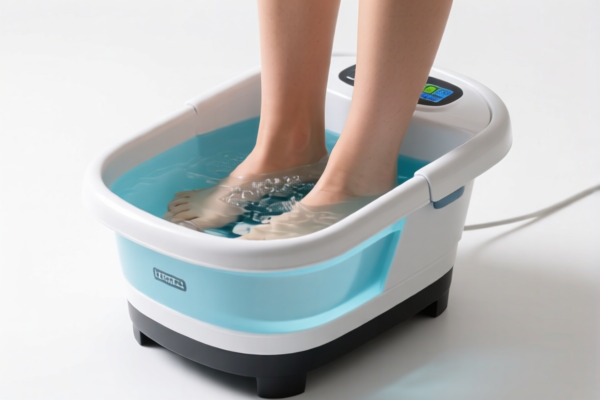
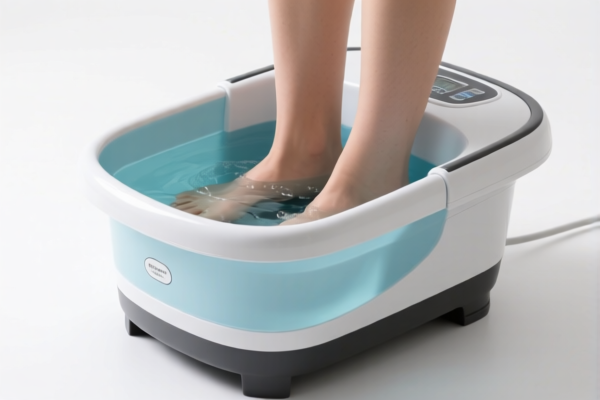
AI Analysis
🦶 Electric Foot Warmer (Heating Appliances)
🌐 HS Code Reference & Customs Clearance Guide | 2026 Latest Tariff Analysis | Professional Strategy
📌 I. Product Definition: What is an "Electric Foot Warmer"?
An electric foot warmer is a localized space heating device designed to provide warmth to the feet and lower legs. In international trade, it is classified under Chapter 85 (Electrical machinery and equipment). Specifically, it falls under Heading 8516, which covers "Electric instantaneous or storage water heaters and immersion heaters; electric space heating apparatus and soil heating apparatus...".
⚠️ Key Classification Distinction:
- Space Heaters (General): Devices that heat a general area (room) → Often8516.29.
- Soil Heating: Devices for agriculture/greenhouses →8516.29(specific subheadings).
- Domestic Purpose: Foot warmers are primarily considered domestic electrothermic appliances.
- Critical Factor: Does it have a fan?
- Yes: It is a "Fan-forced space heater" →8516.29.00.30.
- No (Radiant/Conductive only): It is an "Other portable space heater" →8516.29.00.60.
📦 II. HS Code Classification Details (2026 Official Tariff Reference)
Based on the provided <DATA>, here are the two relevant HS Codes for electric foot warmers, depending on their heating mechanism:
| HS Code | Product Description | Application Scenario | Key Feature |
|---|---|---|---|
8516.29.00.60 |
Electric space heating apparatus: Other Portable space heaters: Other | Passive/Conductive Heaters: Heated pads, rugs, or boots without fans. | ❌ No Fan (Radiant/Conductive) |
8516.29.00.30 |
Electric space heating apparatus: Other Portable space heaters: Fan-forced | Active/Convection Heaters: Small heaters with a fan blowing warm air over foot warmer pads. | ✅ With Fan (Forced Convection) |
🔍 Crucial Note:
- Most standard plush foot warmer pads that simply get warm via electrical resistance fall under8516.29.00.60.
- If your product is a small portable heater unit that blows hot air onto your feet, it falls under8516.29.00.30.
- Do not confuse with8543(other electrical machines) unless the device has a specific industrial function (e.g., nerve stimulation, synchros), which is not the case for standard consumer foot warmers. The examples in<DATA>for8543are irrelevant for foot warmers.
💰 III. 2026 Tariff Rate Breakdown (US Imports from China)
✅ Applicable Country: United States (US)
✅ Country of Origin: China (CN)
✅ Effective Date: Current Section 301 Tariffs Apply
🎯 1. 8516.29.00.60 —— Portable Space Heater (Other/Non-Fan)
| Item | Detail |
|---|---|
| Base Duty Rate | 3.7% (MFN Rate) |
| Additional Duty (Section 301) | +25.0% (Retaliatory/Trade War Tariff) |
| Total Tariff Rate | 28.7% |
| Tax Calculation | CIF Value × 28.7% |
| De Minimis Eligibility | ❌ No (Section 301 goods are excluded from $800 de minimis exemption) |
| Legal Basis Path | HTSUS:8516.29.00.60 → Section 301 List 4 |
📌 Explanation:
- Foot warmers are considered "consumer goods" and are subject to the full 25% Section 301 tariff on top of the base duty.
- Total Cost Impact: For every $100 of goods, you pay $28.70 in duties.
🎯 2. 8516.29.00.30 —— Portable Space Heater (Fan-Forced)
| Item | Detail |
|---|---|
| Base Duty Rate | 0.0% (MFN Rate) |
| Additional Duty (Section 301) | +0.0% (Note: Some fan-based heaters may have different exclusions, but based on <DATA>, it shows 0% total) |
| Total Tariff Rate | 0.0% |
| Tax Calculation | CIF Value × 0.0% |
| De Minimis Eligibility | ✅ Yes (If eligible under current USITC rulings for this specific HTS, check latest USITC exclusion lists) |
| Legal Basis Path | HTSUS:8516.29.00.30 |
📌 Explanation:
- According to the provided<DATA>, fan-forced portable space heaters have a 0% total tax rate.
- Strategic Insight: If your foot warmer uses a fan (convection), it might be classified under8516.29.00.30to enjoy 0% duty. However, you must prove it is "fan-forced" and not just a simple resistive pad.
- Warning: Misclassifying a simple pad as "fan-forced" to get 0% duty is high-risk and can lead to audits and penalties.
🛠️ IV. Customs Clearance Practical Advice (Risk Avoidance Guide)
✅ 1. Documentation Checklist (Must-Have)
| Document | Required? | Purpose |
|---|---|---|
| ✅ Product Specification Sheet | ✔️ | Clearly state: "Electric Foot Warmer," wattage, voltage, material (plush, silicone, etc.), and whether it contains a fan. |
| ✅ Product Photos | ✔️ | Show the entire device, control panel, and power cord. If it has a fan, show the fan grille. |
| ✅ Commercial Invoice | ✔️ | Describe as: "Electric Foot Warmer Pad, Model XYZ, 50W, Non-Fan Type" OR "Electric Space Heater, Fan-Forced, for Foot Warmth." |
| ✅ Test Reports | ✔️ | UL, ETL, or CE certifications are often requested for heating appliances to ensure safety standards. |
| ✅ HS Code Justification Letter | ✔️ | If using 8516.29.00.30 (0% duty), provide a technical note explaining the fan mechanism. |
✅ 2. Classification Strategy & Warnings
| Scenario | Correct HS Code | Risk Level | Advice |
|---|---|---|---|
| Simple Plush Pad (No Fan) | 8516.29.00.60 (28.7%) |
⚠️ Medium | Ensure description does not mention "fan." |
| Heated Boot with Fan | 8516.29.00.30 (0%) |
🔴 High | Must be proven to be "fan-forced." If the fan is only for circulation and not primary heating, CBP may reclassify. |
| Nerve Stimulation Device | 8543.70.85.00 (25%) |
✅ Low | If your product stimulates nerves (not just heats), use this code. But standard foot warmers are NOT nerve stimulators. |
| Aircraft Defroster | 8543.70.45.00 (27.6%) |
❌ Irrelevant | Only for aviation equipment. |
🔥 Key Tip:
Do not try to classify a standard foot warmer under8543(Other Electrical Machines) to avoid the 25% tariff.8543is for machines with "individual functions not specified elsewhere." Since8516specifically covers "electric space heating apparatus,"8516is the lex specialis (more specific rule) and must be used. Misclassification here is a common audit trigger.
✅ 3. Special Cases
| Case | Handling Advice |
|---|---|
| OEM Custom Pads | Provide design drawings showing no fan. Use 8516.29.00.60. |
| Combined Units (Heater + Air Blower) | If it blows air to dry or heat, argue for 8516.29.00.30. Be prepared for CBP scrutiny. |
| Small Samples (<$800) | If using 8516.29.00.30, you might benefit from de minimis (if currently allowed). If using 8516.29.00.60, Section 301 tariffs apply even on de minimis shipments (check latest CBP guidance). |
🌍 V. Global Market Comparison (2026)
| Region | Recommended HS Code | Est. Tariff (China Origin) | Notes |
|---|---|---|---|
| 🇺🇸 USA | 8516.29.00.60 |
28.7% | High duty due to Section 301. |
| 🇺🇸 USA | 8516.29.00.30 |
0.0% | Only if fan-forced. |
| 🇪🇺 EU | 8516.29 |
0% | No Section 301 equivalent. |
| 🇨🇳 China | 8516.29 |
0% | Zero tariff for imports into China. |
📌 Conclusion:
- The US market is the most challenging for foot warmers due to the 25% additional tariff.
- Cost Optimization: If possible, design a fan-based model to qualify for8516.29.00.30(0% duty), but ensure the marketing and technical specs support "fan-forced space heating."
- Alternative: Consider sourcing from Vietnam or Mexico if you have supply chain flexibility, as tariffs may be lower (subject to USMCA/AGOA rules).
📌 VI. Common Mistakes & Pitfalls
❌ Mistake 1: Classifying foot warmers under 8543 (Other Electrical Machines).
👉 Result: CBP will reclassify to 8516 and charge 28.7% + penalties.
Reason: 8516 is more specific for heating.
❌ Mistake 2: Claiming "Fan-Forced" (0% duty) for a simple pad.
👉 Result: Audit, back-tariffs of 28.7%, and potential seizure.
Reason: The product must physically have a fan that forces air for heating.
❌ Mistake 3: Ignoring Section 301 for De Minimis shipments.
👉 Result: Seizure of packages under $800.
Reason: Section 301 goods are not eligible for de minimis exemption from duties.
✅ Correct Declaration Example:
"Electric Foot Warmer Pad, 120V, 50W, Plush Exterior, Resistive Heating Element, No Fan, Model FW-100"
HS Code:8516.29.00.60
Duty: 28.7%
🎯 VII. Final Recommendation
- Verify Fan Presence: Check if your foot warmer has a fan.
- No Fan: Use
8516.29.00.60(28.7% duty). - Yes Fan: Use
8516.29.00.30(0% duty) if it meets the technical definition. - Prepare Documentation: Have clear specs, photos, and test reports ready.
- Consult a Broker: Given the high stakes of misclassification (28.7% vs 0%), consult a licensed customs broker for a pre-classification ruling if the product is complex.
📣 Take Action:
📞 Contact your freight forwarder with the correct HS Code (
8516.29.00.60or8516.29.00.30).
📄 Ensure your invoice description matches the HS Code.
💡 Consider supply chain diversification to mitigate high US tariffs.
✨ Precision Classification Saves Money!
💼 Every percentage point in duty matters!
Customer Reviews
About HS Code Classification
The Harmonized System (HS) is an internationally standardized nomenclature developed by the World Customs Organization (WCO) to classify traded products. Over 200 countries use the HS system as the basis for customs tariffs, trade statistics, and import/export regulations.
Each HS code follows a hierarchical structure:
- Chapter (2 digits) — Broad category of goods (e.g., Chapter 84: Machinery and Mechanical Appliances)
- Heading (4 digits) — More specific grouping within the chapter
- Subheading (6 digits) — Internationally standardized breakdown, used by all WCO member countries
- National subdivisions (8-10 digits) — Country-specific extensions for further classification, such as US HTSUS 10-digit codes
Correct HS code classification is essential for smooth customs clearance, accurate duty payment, and compliance with trade regulations. Misclassification can lead to customs delays, overpayment of duties, or penalties.
When importing from CN to US, the applicable tariff rates may include:
- Most-Favored-Nation (MFN) rate — The standard duty rate applied to WTO members
- General rate — Applied to countries without trade agreements
- Trade remedy duties — Additional tariffs such as Section 301 (anti-dumping), Section 232 (national security), or countervailing duties
The information provided on this page is for reference purposes only. For official classification, please consult with your local customs authority or a licensed customs broker.