electric furnace
CN → US| HS Code | Tariff Rate | Origin | Destination | Doc |
|---|---|---|---|---|
| 8514190000 | 35.0% | CN | US | Official Doc |
| 8516604070 | 35.0% | CN | US | Official Doc |
| 8516604074 | 35.0% | CN | US | Official Doc |
| 8514399000 | 36.3% | CN | US | Official Doc |
Product Images
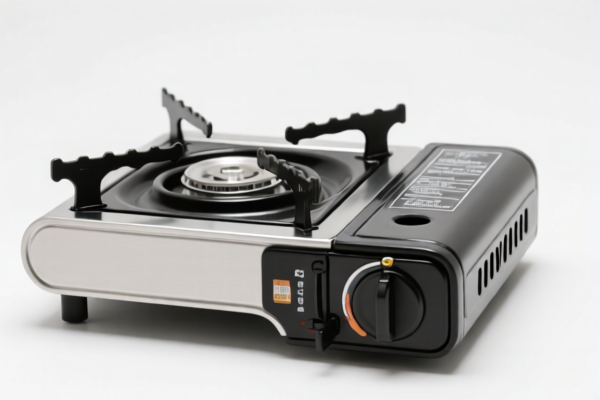
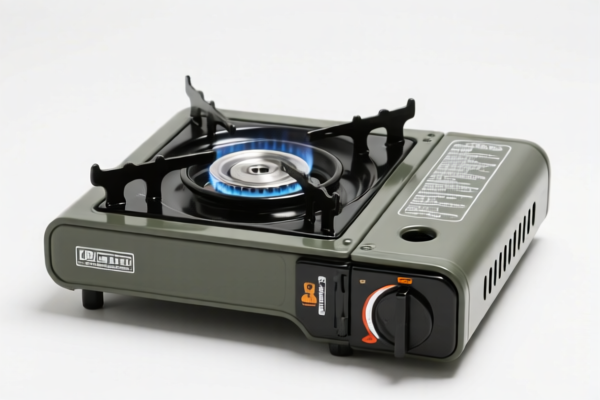
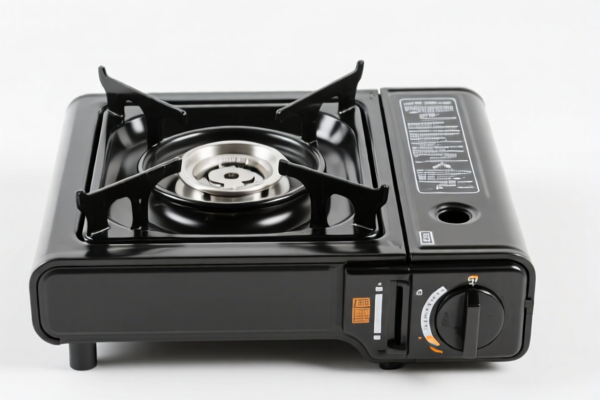
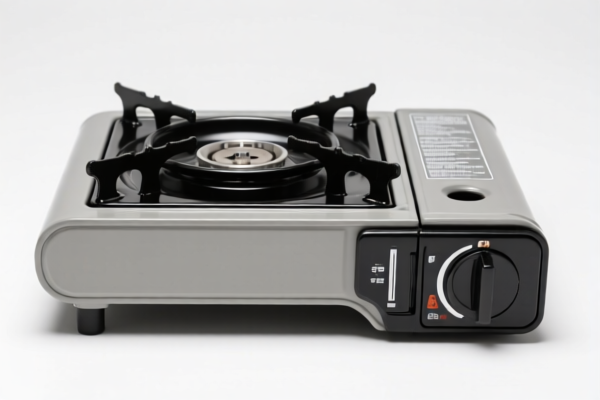
AI Analysis
🔥 Electric Furnaces (Electric Heating Appliances)
🌐 HS Code Reference & Customs Clearance Guide | 2026 Latest Tariff Analysis | Professional Compliance Strategy
📌 I. Product Definition and Classification: Do You Truly Understand "Electric Furnaces"?
An Electric Furnace in the context of general trade and consumer appliances typically refers to electric heating equipment used for cooking, baking, or industrial heating. In international trade classification, the distinction lies in the specific function and physical form of the device:
1. General Purpose Electric Heating Elements (Chapter 85.14):
Devices that function as electric resistance heaters, ovens, or furnaces where the primary mechanism is resistive heating, but they may not fit the specific "stove/hob/oven" definition for cooking purposes in Chapter 85.16. This often acts as a residual category for industrial or specialized heating units.
2. Electric Cooking/Heating Appliances (Chapter 85.16):
Appliances specifically designed for cooking, roasting, baking, or heating food, including electric stoves, hobs, ovens, and grills. These are subject to stricter harmonization with household appliance standards.
⚠️ Key Distinction Point:
- If the device is primarily for industrial heating, non-cooking space heating, or fits the general definition of an "electric furnace" without specific cooking controls → Look at 8514.19.00.00 or 8514.39.90.00.
- If the device is explicitly for cooking, baking, or roasting food (e.g., electric oven, stove, hot plate) → Look at 8516.60.40.70 or 8516.60.40.74.
📦 II. HS Code Classification Details (2026 Latest Tariff Authoritative Comparison)
| HS Code | Product Description | Application Scenario | Classification Logic |
|---|---|---|---|
8514.19.00.00 |
Electric furnaces, ovens, and kilns; other than those of subheading 8514.11, 8514.12, or 8514.20 | Industrial electric furnaces, non-standard heating units, residual category for electric heating | ✅ Other Category Matches "electric furnace" definition; no material conflict. |
8516.60.40.70 |
Electrical instantaneous water heaters and immersion heaters; other | Electric stoves, hobs, and ovens for cooking/roasting | ✅ Cooking Appliance Fits the purpose of electric stove/hob/oven; no material or form conflict. |
8516.60.40.74 |
Electrical instantaneous water heaters and immersion heaters; other | Electric cooking ranges, ovens, and heating appliances for food preparation | ✅ Heating Appliance Fits the description of electric heating equipment for cooking stoves/hobs. |
8514.39.90.00 |
Industrial electric furnaces and ovens; other | Industrial heating, residual category for electric furnaces/ovens | ✅ Residual Category Purpose aligns with electric furnace/oven core function. |
🔍 Key Reminder:
- "Electric Furnace" can be ambiguous. If it is a household kitchen appliance (like an oven or electric stove), it generally falls under 8516.60.
- If it is an industrial unit or a general-purpose heater not specifically designed for cooking food, it may fall under 8514.
- The summary in the data indicates that 8514.19.00.00 and 8514.39.90.00 are considered "Other Categories" (Residual), while 8516.60.40.70 and 8516.60.40.74 are specific to cooking/roasting purposes.
💰 III. 2026 Latest Tariff Rate Details (Including Additional Taxes & Policy Surcharges)
✅ Applicable Country: United States (US)
✅ Country of Origin: China (CN)
✅ Effective Date: From 2025 onwards (including subsequent imports)
🎯 1. 8514.19.00.00 —— Electric Furnaces (Other Category)
| Item | Content |
|---|---|
| Base Tariff | 0.0% (ad valorem) |
| USITC Additional Tariff | +25.0% (Section 301 Tariff) |
| Section 122 Tariff | +10.0% (Specific provision for certain Chinese imports) |
| Total Tariff Rate | 35.0% |
| Tax Calculation | CIF Value × 35% |
| De Minimis Eligibility | ❌ Not Eligible (High tariff rate excludes low-value shipments from exemption) |
| Legal Basis Path | USITC:8514.19.00.00 → Section 301: 25% → Section 122: 10% |
📌 Explanation:
- The Base Tariff is 0%, meaning there is no standard duty for this subheading.
- However, due to Section 301 (25%) and Section 122 (10%), the total effective rate is 35%.
- This category is for "Other" electric furnaces not specifically listed elsewhere, often catching industrial or non-standard heating units.
🎯 2. 8516.60.40.70 —— Electric Stoves, Hobs, and Ovens
| Item | Content |
|---|---|
| Base Tariff | 0.0% (ad valorem) |
| USITC Additional Tariff | +25.0% (Section 301 Tariff) |
| Section 122 Tariff | +10.0% |
| Total Tariff Rate | 35.0% |
| Tax Calculation | CIF Value × 35% |
| De Minimis Eligibility | ❌ Not Eligible |
| Legal Basis Path | USITC:8516.60.40.70 → Section 301: 25% → Section 122: 10% |
📌 Explanation:
- Specifically for cooking appliances (stoves, hobs, ovens).
- The summary states: "Fits the purpose of electric stove/hob/oven; no material or form conflict."
- Total rate is 35%, identical to the 8514 category due to similar tariff footnotes.
🎯 3. 8516.60.40.74 —— Electric Cooking Appliances
| Item | Content |
|---|---|
| Base Tariff | 0.0% (ad valorem) |
| USITC Additional Tariff | +25.0% (Section 301 Tariff) |
| Section 122 Tariff | +10.0% |
| Total Tariff Rate | 35.0% |
| Tax Calculation | CIF Value × 35% |
| De Minimis Eligibility | ❌ Not Eligible |
| Legal Basis Path | USITC:8516.60.40.74 → Section 301: 25% → Section 122: 10% |
📌 Explanation:
- Another subheading for electric heating appliances used for cooking.
- The summary confirms: "Belongs to electric heating appliances, fits the description of cooking stoves, hobs, etc."
- Total rate is 35%.
🎯 4. 8514.39.90.00 —— Industrial Electric Furnaces (Residual)
| Item | Content |
|---|---|
| Base Tariff | 1.3% (ad valorem) |
| USITC Additional Tariff | +25.0% (Section 301 Tariff) |
| Section 122 Tariff | +10.0% |
| Total Tariff Rate | 36.3% |
| Tax Calculation | CIF Value × 36.3% |
| De Minimis Eligibility | ❌ Not Eligible |
| Legal Basis Path | USITC:8514.39.90.00 → Section 301: 25% → Section 122: 10% |
📌 Explanation:
- This is the most expensive option at 36.3% due to the 1.3% Base Tariff.
- It is classified as a "Residual Category" for other electric furnaces/ovens where specific subheadings do not apply.
- The summary states: "Purpose and core function consistent with electric furnace/oven."
🛠️ IV. Customs Clearance Practical Advice (Battle-Tested Pitfall Avoidance)
✅ 1. Preparation Checklist (Missing Any Item = Delay)
| Document | Required? | Description |
|---|---|---|
| ✅ Product Specifications | ✔️ | Must include power rating (kW/V), heating element type, dimensions, and intended use (industrial vs. cooking). |
| ✅ Circuit Diagram/Structure | ✔️ | Critical to distinguish between a simple heating element (8514) and a complete appliance with controls (8516). |
| ✅ Product Photos (with Nameplate) | ✔️ | Clear view of model number, brand, input/output parameters, and control panel. |
| ✅ Third-Party Test Reports | ✔️ | FCC (for electronics), UL/ETL (for safety), CE (if applicable for other markets). |
| ✅ Commercial Invoice | ✔️ | Must explicitly state "Electric Furnace" or "Electric Oven/Stove" and HS Code. Avoid vague terms like "Heater." |
| ✅ Certificate of Origin (CO) | ✔️ | Essential for proving origin. If not Chinese, may avoid Section 301/122 tariffs. |
| ✅ Packing List | ✔️ | Detail parts vs. accessories to prevent splitting errors. |
✅ 2. Declaration Strategy (Key Mnemonic)
🔥 “Function First, Base Tax Varies, 35% is the Sweet Spot, 36.3% is the Trap!”
| Scenario | Correct HS Code | Risk/Error if Wrong |
|---|---|---|
| Electric Oven/Stove (Cooking) | 8516.60.40.70 / .74 |
Misclassifying as 8514 is okay (same rate), but ensure it’s not a "Water Heater" (different code). |
| Industrial Electric Furnace | 8514.19.00.00 |
Misclassifying as 8514.39.90.00 adds 1.3% unnecessarily. |
| Simple Heating Element (No Housing) | 8514.19.00.00 |
Declaring as a complete appliance may trigger additional safety certification requirements. |
| Electric Water Heater | ❌ Not listed above | Do not use 8516.60 codes for water heaters if they fall under 8516.80/81. Check specific subheadings. |
✅ 3. Special Case Handling
| Situation | Handling Advice |
|---|---|
| OEM Electric Ovens | Provide design drawings to prove it is a "Cooking Appliance" (8516) rather than a generic heater (8514), though rates are similar. |
| Hybrid Devices (e.g., Induction Cooker) | Ensure the description matches "Electromagnetic Heating" if applicable. If resistive, use the codes above. |
| Partial Assembly (SKD/CKD) | Declare as complete units. Partial kits may be classified as parts (higher duty rates for parts). |
| Intended Use Dispute | If Customs questions whether it’s a "Cooking Appliance" or "Industrial Furnace," provide a Statement of Use signed by the end-user. |
🌍 V. Global Market Comparison (2026 Latest)
| Country/Region | Recommended HS Code | Tariff (China Origin) | Certification Requirements | Notes |
|---|---|---|---|---|
| 🇺🇸 USA | 8516.60.40.70 or 8514.19.00.00 |
35.0% (or 36.3%) | FCC + UL/ETL | High tariff barrier. Section 122 adds 10%. |
| 🇨🇳 China | 8516.60.40.70 |
5% (Approx.) | CCC | No Section 301/122 tariffs. |
| 🇪🇺 EU | 8516.60.40.70 |
0% (if CE compliant) | CE + RoHS | No additional surcharges. |
| 🇬🇧 UK | 8516.60.40.70 |
0-4% (Depends) | UKCA | Post-Brexit rules apply. |
| 🇦🇺 Australia | 8516.60.40.70 |
5% | RCM | No Section 301. |
📌 Conclusion:
- USA is the most challenging market due to the 35% Total Tariff.
- Non-Chinese Origins (e.g., Vietnam, Mexico) can potentially avoid Section 301/122 tariffs, reducing the rate to 0% or base rate.
- Recommendation: Consider Supply Chain Diversification for US-bound electric furnaces to mitigate tariff risks.
📌 VI. Common Errors & Pitfall Avoidance (Lessons Learned)
❌ Error 1: Using "Electric Heater" as a generic name without specifying "Cooking" vs. "Industrial."
👉 Consequence: Customs may classify under the residual 8514.39.90.00 (36.3%) instead of 8514.19.00.00 (35.0%).
❌ Error 2: Misidentifying a Cooking Oven as a "Water Heater."
👉 Consequence: Wrong HS Code, potential seizure, or delay for additional safety checks (UL/ETL for ovens vs. different standards for water heaters).
❌ Error 3: Ignoring Section 122 Tariff (10%).
👉 Consequence: Underpayment of duties. 122 Tariff applies to many Chinese imports regardless of the specific HS code, unless exempted.
✅ Correct Declaration Example:
"Electric Resistance Oven, Model XYZ, 220V, 3kW, For Commercial Kitchen Use, FCC Certified, HS 8516.60.40.70"
🎯 VII. Conclusion: Precision Classification Saves Money!
🎯 Key Takeaways:
🔹 "Cooking = 8516.60; Industrial/Other = 8514.19"
🔹 "Total Tariff is 35% for most, 36.3% for residual industrial."
🔹 "Section 301 (25%) + Section 122 (10%) = The 35% Burden."
🔹 "If not made in China, Check for Tariff Exemptions!"
📌 Pro Tip:
If your electric furnace is originally manufactured in Vietnam, Mexico, or Malaysia, you may be eligible to avoid Section 301 and Section 122 tariffs, reducing the duty to 0% or the base rate.
👉 Action: Apply for Pre-Ruling (Advance Ruling) from CBP to confirm the HS Code and tariff liability before shipping.
📣 Immediate Action:
📞 Contact a Licensed Customs Broker + Provide Product Specs + Verify Origin
🚀 Ensure Smooth Clearance, Cost Efficiency, and Compliance for your Electric Furnaces!
✨ Professional Classification, From Precision Starts!
💼 Every Percent Matters in International Trade!
Customer Reviews
About HS Code Classification
The Harmonized System (HS) is an internationally standardized nomenclature developed by the World Customs Organization (WCO) to classify traded products. Over 200 countries use the HS system as the basis for customs tariffs, trade statistics, and import/export regulations.
Each HS code follows a hierarchical structure:
- Chapter (2 digits) — Broad category of goods (e.g., Chapter 84: Machinery and Mechanical Appliances)
- Heading (4 digits) — More specific grouping within the chapter
- Subheading (6 digits) — Internationally standardized breakdown, used by all WCO member countries
- National subdivisions (8-10 digits) — Country-specific extensions for further classification, such as US HTSUS 10-digit codes
Correct HS code classification is essential for smooth customs clearance, accurate duty payment, and compliance with trade regulations. Misclassification can lead to customs delays, overpayment of duties, or penalties.
When importing from CN to US, the applicable tariff rates may include:
- Most-Favored-Nation (MFN) rate — The standard duty rate applied to WTO members
- General rate — Applied to countries without trade agreements
- Trade remedy duties — Additional tariffs such as Section 301 (anti-dumping), Section 232 (national security), or countervailing duties
The information provided on this page is for reference purposes only. For official classification, please consult with your local customs authority or a licensed customs broker.