electric kettle
CN → US| HS Code | Tariff Rate | Origin | Destination | Doc |
|---|---|---|---|---|
| 8516100040 | 17.5% | CN | US | Official Doc |
| 8516100080 | 17.5% | CN | US | Official Doc |
| 8419815080 | 17.5% | CN | US | Official Doc |
| 8516710080 | 21.2% | CN | US | Official Doc |
| 7323999030 | 88.4% | CN | US | Official Doc |
Product Images


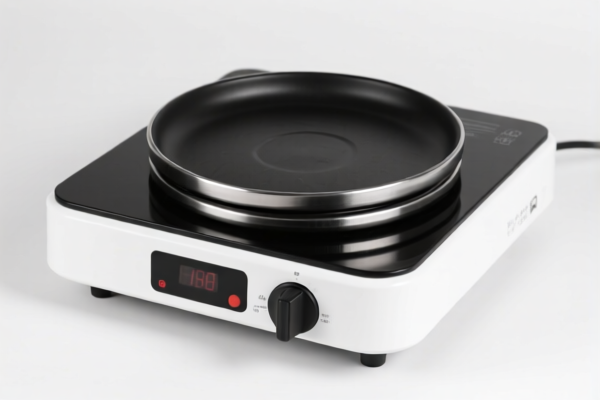
AI Analysis
🌊 Electric Kettles & Water Heaters: The Ultimate 2026 Import & Tax Guide
🌐 HS Code Classification & Duty Decoding | 2026 Tariff Authority | Smart Clearance Strategy
📌 Part 1: Product Definition & Classification – What is an "Electric Kettle"?
The Electric Kettle is a ubiquitous appliance used for heating drinking water or making hot beverages. However, in international trade, its classification depends heavily on material composition, design, and intended function.
The Critical Distinction:
Traditional Electric Water Heaters: Large storage units for home bathing/cooking (often fixed).
Portable Electric Cups/Kettles: Small, portable devices for heating drinks (travel mugs, desktop warmers).
Material Matters: Is it made of Metal (Iron/Steel) or Electric Heating Element? This determines if it falls under Heating Appliances (Chapter 85) or Tableware* (Chapter 73).
⚠️ Key Classification Logic:
- Standard Electric Kettle/Cup (Heating element inside) → Chapter 85 (Electrical Appliances).
- Metal Travel Mug with External Heating Base → Chapter 73 (Iron/Steel Articles).
- Fixed Storage Water Heater → Chapter 85 (Large capacity, storage).
📦 Part 2: HS Code Breakdown & Tax Analysis (2026 Latest Tariff)
Based on the official 2026 tariff data, here is the precise breakdown for Electric Kettles and Water Heaters.
| HS Code | Product Description | Scenario / Fit | Total Duty Rate |
|---|---|---|---|
8516.10.00.40 |
Storage Electric Water Heater | Large fixed units, storage type, for bathing/cooking. | 17.5% |
8516.10.00.80 |
Electric Water Heater | General purpose electric heating appliance, fits description. | 17.5% |
8419.81.50.80 |
Electric Heating Cup | Mechanical device for heating drinks (e.g., travel mugs). | 17.5% |
8516.71.00.80 |
Electric Heating Appliance (Other) | Portable cups, "Other" electrical heating devices. | 21.2% |
7323.99.90.30 |
Iron/Steel Tableware (Kettle) | Metal Kettles classified as household iron/steel articles. | 88.4% |
🔍 Critical Warning:
- The Iron/Steel classification (7323...) carries a catastrophic 88.4% tariff (including steel/aluminum surcharges). Avoid this if the product is primarily an electrical heating device.
- Electrical Kettles (Chapters 85/84) generally fall between 17.5% – 21.2%, which is significantly safer.
💰 Part 3: 2026 Tariff Structure Deep Dive (Detailed Breakdown)
✅ Applicable Region: USA (US)
✅ Origin: China (CN)
✅ Effective Date: 2025-11-10 onwards (Including Section 301 & Section 122 measures)
🎯 1. Standard Electric Heaters (8516.10.00.40 / 8516.10.00.80 / 8419.81.50.80)
These are the most common classifications for standard electric kettles and storage heaters.
| Component | Rate | Legal Basis / Description |
|---|---|---|
| Base Tariff | 0.0% | Standard Most Favored Nation (MFN) duty. |
| Additional Duty | +7.5% | Section 301 Additional Duty (Section 301.45). |
| Section 122 Duty | +10.0% | Specific "122 Clause" tariff (Section 301). |
| TOTAL | 17.5% | 0% + 7.5% + 10% |
📌 Explanation:
- This is the standard "safe" rate for electrical heating appliances.
- The 10% "122 Clause" and 7.5% additional duty are the heavy hitters here.
- Strategy: Ensure your product is clearly defined as an "Electric Appliance" to qualify for this tier.
🎯 2. "Other" Electric Heating Devices (8516.71.00.80)
Used for specific types of electric cups or non-standard heaters.
| Component | Rate | Legal Basis / Description |
|---|---|---|
| Base Tariff | 3.7% | Slightly higher base MFN duty. |
| Additional Duty | +7.5% | Section 301 Additional Duty. |
| Section 122 Duty | +10.0% | Section 301 "122 Clause". |
| TOTAL | 21.2% | 3.7% + 7.5% + 10% |
📌 Explanation:
- This tier applies when the device doesn't fit the primary "Water Heater" sub-headings but is still an electrical appliance.
- Cost Impact: 3.7% higher than standard kettles.
🚨 3. The "Trap": Iron/Steel Kettles (7323.99.90.30)
This classification is for kettles primarily made of Iron/Steel where the heating element is secondary or the item is deemed "tableware".
| Component | Rate | Legal Basis / Description |
|---|---|---|
| Base Tariff | 3.4% | Standard MFN duty for steel articles. |
| Additional Duty | +25.0% | Section 301 (Steel/Aluminum surcharge). |
| Section 122 Duty | +10.0% | Section 301 "122 Clause". |
| Steel/Alum Surcharge | +50.0% | Specific surcharge for Steel/Aluminum/Copper products. |
| TOTAL | 88.4% | 3.4% + 25% + 10% + 50% |
📌 EXPLANATION (CRITICAL):
- The 50% surcharge for steel/aluminum products is the killer here.
- Total Tax: 88.4%. This effectively makes import impossible without a massive price hike.
- Why it happens: If Customs classifies your "Electric Kettle" as a "Steel Pot" rather than an "Electrical Appliance," you hit this wall.
🛠️ Part 4: Customs Clearance Strategy & Actionable Advice
✅ 1. Document Preparation Checklist (Must-Have)
To ensure you land in the 17.5% – 21.2% bracket and avoid the 88.4% trap:
| Document | Requirement | Why It Matters |
|---|---|---|
| Product Spec Sheet | Must state "Electrical Heating Element" & "Voltage/Power". | Proves it's an appliance (Ch 85/84), not just steel (Ch 73). |
| Photos | Clear shots of the plug, heating base, and interior element. | Visual proof of electrical function. |
| User Manual | Must mention "Safety Heating", "Temperature Control". | Supports "Appliance" classification. |
| Material Composition | Explicitly state: "Body: Stainless Steel, Function: Electrical Heating". | Prevents "Tableware" misclassification. |
✅ 2. Declaration Tips (The "Golden Rule")
🔥 Rule: "Electrical Function First, Material Second!"
| Scenario | Correct Declaration | Risk of Wrong Declaration |
|---|---|---|
| Standard Electric Kettle | HS 8516.10.00.80"Electric Water Heater" |
❌ If declared as 7323.99.90.30 (Tableware) → 88.4% Tax! |
| Travel Electric Cup | HS 8419.81.50.80 or 8516.71.00.80 |
❌ Declared as Steel Cup → 88.4% Tax! |
| Large Storage Heater | HS 8516.10.00.40 |
❌ Declared as "Water Tank" → Risk of penalty. |
Declaration Wording Example:
"Electric Water Kettle, 1.7L, 1500W, 120V, with Stainless Steel Body and Internal Heating Element. For heating drinking water."
DO NOT just write: "Steel Kettle" or "Cooking Pot".
✅ 3. Avoiding the 88.4% Trap
- The 50% Surcharge: This applies specifically to Steel, Aluminum, and Copper products under specific trade remedy measures.
- How to Avoid:
- Emphasize the Electrical Mechanism in your commercial invoice.
- Ensure the HS Code is 8516 or 8419 (Electrical/Heating).
- Do NOT use the 7323 code unless the item is purely a non-electric metal container.
🌍 Part 5: Global Market Comparison (2026)
| Market | Recommended HS Code | Effective Tax Rate | Key Certification |
|---|---|---|---|
| 🇺🇸 USA | 8516.10.00.80 |
17.5% (Avoid 88.4%!) | UL, ETL, FCC |
| 🇪🇺 EU | 8516.10.00.80 |
~0-5% (No Section 301) | CE, RoHS |
| 🇨🇳 China | 8516.10.00.80 |
~0% (No export duty) | CCC |
📌 Conclusion:
The USA is the only major market with these high Section 301 + 122 surcharges.
Strategy: For the US, strictly classify as "Electrical Heating Appliance" to stay under 22%. If misclassified as "Steel Tableware," you face an 88.4% tax that will kill your margins.
📌 Part 6: Common Pitfalls & Red Flags
❌ Mistake 1: Calling the product "Stainless Steel Water Kettle" without mentioning "Electric".
👉 Result: Customs might guess 7323 → 88.4% Tax.
❌ Mistake 2: Declaring a travel mug with a heating base as just a "Travel Mug".
👉 Result: Might be pushed to 7323 → 88.4% Tax.
❌ Mistake 3: Splitting the heating element from the kettle body in the invoice.
👉 Result: Customs may treat them as separate items, potentially complicating the duty calculation.
✅ Correct Strategy:
"Electrical Heating Kettle, 1500W, Stainless Steel Body."
HS Code:8516.10.00.80
Duty: 17.5%
🎯 Part 7: Final Verdict
🔹 Rule of Thumb: If it has a plug and heats water, it is 8516/8419.
🔹 Avoid: 7323 unless you are importing a non-electric steel pot.
🔹 Duty Reality:
- Safe Zone: 17.5% - 21.2% (Electrical).
- Danger Zone: 88.4% (Steel Tableware).
📣 Call to Action:
✅ Review your product photos to ensure the heating element is visible.
✅ Update your Commercial Invoice to highlight "Electrical Function".
✅ Confirm HS Code with your freight forwarder before shipping.
🚀 Secure your margins by avoiding the 88.4% Steel Trap!
✨ Smart Trade, Smart Clearance!
💼 Know your HS Code, know your cost, avoid the surprise tax.
Customer Reviews
About HS Code Classification
The Harmonized System (HS) is an internationally standardized nomenclature developed by the World Customs Organization (WCO) to classify traded products. Over 200 countries use the HS system as the basis for customs tariffs, trade statistics, and import/export regulations.
Each HS code follows a hierarchical structure:
- Chapter (2 digits) — Broad category of goods (e.g., Chapter 84: Machinery and Mechanical Appliances)
- Heading (4 digits) — More specific grouping within the chapter
- Subheading (6 digits) — Internationally standardized breakdown, used by all WCO member countries
- National subdivisions (8-10 digits) — Country-specific extensions for further classification, such as US HTSUS 10-digit codes
Correct HS code classification is essential for smooth customs clearance, accurate duty payment, and compliance with trade regulations. Misclassification can lead to customs delays, overpayment of duties, or penalties.
When importing from CN to US, the applicable tariff rates may include:
- Most-Favored-Nation (MFN) rate — The standard duty rate applied to WTO members
- General rate — Applied to countries without trade agreements
- Trade remedy duties — Additional tariffs such as Section 301 (anti-dumping), Section 232 (national security), or countervailing duties
The information provided on this page is for reference purposes only. For official classification, please consult with your local customs authority or a licensed customs broker.