electric motor hs code 8501104040
CN → USProduct Images
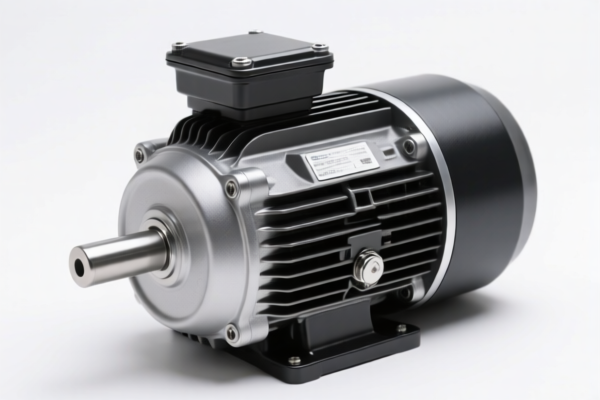
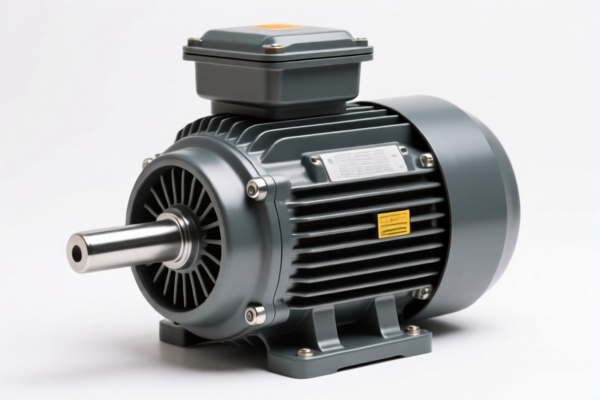
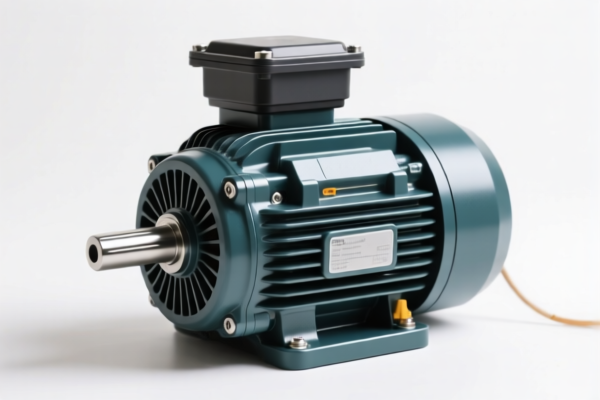
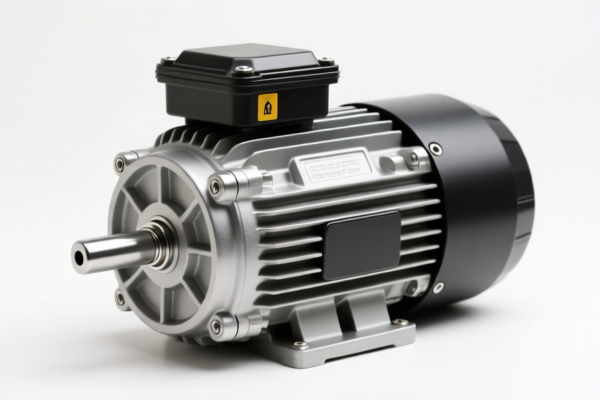
AI Analysis
🏭 DC Brushless Motors (HS Code: 8501104040)
🌐 HS Code Reference & Customs Clearance Guide | 2026 Latest Tariff Analysis | Professional Clearance Strategy
📌 I. Product Definition & Classification: Do You Really Understand "DC Brushless Motors"?
A DC Brushless Motor is a high-efficiency electromechanical device that converts electrical energy into mechanical energy without the use of mechanical brushes (commutators). In international trade, classification depends strictly on power output and electrical characteristics.
For HS Code 8501.10.60.40 (often represented as 8501106040), the core attributes are:
* Type: DC (Direct Current) Motor.
* Structure: Brushless.
* Power Range: Output power between 18.65W and 37.5W.
⚠️ Key Distinction:
- If the motor is brushed (has carbon brushes), it falls under different subheadings (e.g., 8501.10.40).
- If the power is < 18.65W or > 37.5W, it belongs to a different tariff line.
- Critical Rule: The HS code itself encodes the power range. If the physical product’s power output does not match the range implied by8501.10.60.40, the classification is invalid.
📦 II. HS Code Classification Details (2026 Latest Tariff Authority Comparison)
| HS Code | Product Description | Power Range | Motor Type | Key Attribute Confirmation |
|---|---|---|---|---|
8501.10.60.40 |
DC Brushless Motor | 18.65W – 37.5W | Brushless | ✅ Core attributes (Power, DC, Brushless) are explicitly defined in the code. |
8501106040 |
DC Brushless Motor | 18.65W – 37.5W | Brushless | ✅ Same as above (digit-only format). |
🔍 Important Note:
- The summary for this code states: "Output power between 18.65W and 37.5W, DC brushless motor."
- There is no conflict with material or form factors. As long as the motor is DC, brushless, and within the specified wattage, it fits this code.
- Do not misclassify as AC motors or motors with different power ranges, as this will lead to severe penalties.
💰 III. 2026 Latest Tariff Rate Details (Including Surcharges & Policy Add-ons)
✅ Applicable Country: USA (US)
✅ Origin: China (CN)
✅ Effective Date: 2025-11-10 onwards
🎯 1. 8501.10.60.40 / 8501106040 —— DC Brushless Motor (18.65W-37.5W)
| Item | Content |
|---|---|
| Base Tariff Rate | 2.8% (Ad Valorem) |
| Section 301 Surcharge | +25.0% (USITC Footnote) |
| Section 122 Surcharge | +10.0% (Specific China-related provision) |
| Total Tax Rate | 37.8% |
| Tax Calculation | CIF Value × 37.8% |
| De Minimis Eligibility | ❌ Not Eligible (High tax rate blocks small package exemption) |
| Legal Basis Path | Base Tariff: 2.8% → Section 301: 25.0% → Section 122: 10.0% |
📌 Explanation:
- Base Tariff (2.8%): The standard Most Favored Nation (MFN) rate for DC motors in this power range.
- Section 301 Surcharge (25.0%): Imposed on a wide range of Chinese goods due to trade restrictions.
- Section 122 Surcharge (10.0%): A specific additional tariff applied to certain Chinese imports.
- Total Impact: The combined rate of 37.8% is significantly high. Importers must factor this into their cost structure immediately.
🛠️ IV. Customs Clearance Practical Advice (Battle-Tested Pitfall Guide)
✅ 1. Document Checklist (Missing Items = Delay)
| Document | Required | Notes |
|---|---|---|
| ✅ Product Specification Sheet | ✔️ | Must clearly state: DC, Brushless, and Power Output (Watts). |
| ✅ Technical Drawing/Schematic | ✔️ | To prove the absence of brushes (commutator) if challenged. |
| ✅ Photos (including Nameplate) | ✔️ | Clear image of model number, voltage, and wattage label. |
| ✅ Commercial Invoice | ✔️ | Description must match: "DC Brushless Motor, [Power]W". Avoid vague terms like "Motor" or "Engine". |
| ✅ Packing List | ✔️ | Detail contents to avoid mixed-container classification issues. |
| ✅ Origin Certificate | ✔️ | Essential for verifying China origin (which triggers surcharges). |
✅ 2. Declaration Tips (Key Mnemonics)
🔥 "Power Defines Code, Brushless Defines Type, Accuracy Saves Money!"
| Scenario | Correct Declaration | Incorrect Practice |
|---|---|---|
| Motor is 25W, DC, Brushless | 8501.10.60.40 |
Misdeclare as <18.65W or >37.5W → Customs Rejection |
| Motor is AC, not DC | Wrong Code | Declare as DC Motor → Penalty & Back Taxes |
| Motor is Brushed (has carbon brushes) | Wrong Code | Declare as Brushless → Misclassification Fraud Risk |
| Vague Description: "Motor Part" | Wrong Code | Must specify full function and power → Audit Trigger |
✅ 3. Special Circumstances Handling
| Situation | Handling Advice |
|---|---|
| OEM Custom Motors | Provide customer PO and design specs. Ensure the nameplate matches the declared power. |
| Motor Assembly (Kit) | If sold as a kit, declare based on the principal character (the motor itself). Do not split items to lower tax. |
| Mixed Container | If other goods are in the same container, ensure proper segregation in documents to avoid cross-contamination of audit risks. |
| Power Dispute | If customs questions the power rating, provide a third-party test report confirming the output is within 18.65W–37.5W. |
🌍 V. Global Market Comparison (2026 Latest)
| Country/Region | Recommended HS Code | Tariff (China Origin) | Certifications | Notes |
|---|---|---|---|---|
| 🇺🇸 USA | 8501.10.60.40 |
37.8% | FCC, UL (if applicable) | High due to 301 + 122 surcharges. |
| 🇨🇳 China | 8501.10.60.40 |
~5-8% (Est.) | CCC | Lower base rate, no US surcharges. |
| 🇪🇺 EU | 8501.10.60.40 |
~0-4% | CE, RoHS | No Section 301/122. Competitive. |
| 🇬🇧 UK | 8501.10.60.40 |
~0-5% | UKCA | Post-Brexit tariffs vary, generally low. |
| 🇦🇺 Australia | 8501.10.60.40 |
~5% | RCM | Standard MFN rates. |
📌 Conclusion:
- USA remains the most expensive market for these specific motors due to layered tariffs.
- EU and Asia offer more competitive tariff environments.
- Consider supply chain diversification if targeting the US market heavily.
📌 VI. Common Errors & Pitfall Guide (Lessons Learned)
❌ Error 1: Declaring "Electric Motor" without specifying "Brushless"
👉 Consequence: Customs may assign a different code (e.g., for brushed motors), leading to reclassification penalties.
❌ Error 2: Ignoring the Power Range
👉 Consequence: If the motor is 40W but declared as 30W, it is fraud. If it is 10W, it’s the wrong code. Both cause delays.
❌ Error 3: Under-declaring Value
👉 Consequence: 37.8% tax is calculated on CIF. Low-balling value leads to heavy fines and potential shipment seizure.
❌ Error 4: Assuming "De Minimis" Applies
👉 Consequence: Packages under $800 do not qualify for tax exemption when the duty rate exceeds certain thresholds or when Section 301/122 applies. Expect taxes even on small samples.
✅ Correct Practice:
"DC Brushless Motor, 25W Output, Model XYZ, Voltage 12V, No Commutator/Brushes, FCC Certified"
🎯 VII. Conclusion: Precision in Classification, Profit in Clearance!
🎯 Remember the Mnemonic:
🔹 "DC Brushless, Power Range is King; 18.65 to 37.5, 37.8% Tax Springing!"
🔹 "No Brush, No DC, Wrong Code; Save Dollars, Be True!"
📌 Pro Tip:
If your motor is originally manufactured in Vietnam, Mexico, or Thailand, you may be eligible for IEEPA Exemptions or lower tariffs (0%-5%).
Recommendation: Apply for an Advance Ruling from US Customs (CBP) before shipping to confirm the 37.8% rate and avoid post-entry audits.
📣 Take Action Now:
📞 Contact a professional freight forwarder + Provide Product Specs + Apply for HS Code Advance Ruling
🚀 Ensure your DC motors clear customs smoothly, stay compliant, and maximize your margins!
✨ Professional Clearance Starts with Accurate Classification!
💼 Every Cent of Tax Should Be Calculated Precisely!
Customer Reviews
About HS Code Classification
The Harmonized System (HS) is an internationally standardized nomenclature developed by the World Customs Organization (WCO) to classify traded products. Over 200 countries use the HS system as the basis for customs tariffs, trade statistics, and import/export regulations.
Each HS code follows a hierarchical structure:
- Chapter (2 digits) — Broad category of goods (e.g., Chapter 84: Machinery and Mechanical Appliances)
- Heading (4 digits) — More specific grouping within the chapter
- Subheading (6 digits) — Internationally standardized breakdown, used by all WCO member countries
- National subdivisions (8-10 digits) — Country-specific extensions for further classification, such as US HTSUS 10-digit codes
Correct HS code classification is essential for smooth customs clearance, accurate duty payment, and compliance with trade regulations. Misclassification can lead to customs delays, overpayment of duties, or penalties.
When importing from CN to US, the applicable tariff rates may include:
- Most-Favored-Nation (MFN) rate — The standard duty rate applied to WTO members
- General rate — Applied to countries without trade agreements
- Trade remedy duties — Additional tariffs such as Section 301 (anti-dumping), Section 232 (national security), or countervailing duties
The information provided on this page is for reference purposes only. For official classification, please consult with your local customs authority or a licensed customs broker.