electric putter
CN → US| HS Code | Tariff Rate | Origin | Destination | Doc |
|---|---|---|---|---|
| 8501106080 | 37.8% | CN | US | Official Doc |
| 8501106020 | 37.8% | CN | US | Official Doc |
| 8479820040 | 35.0% | CN | US | Official Doc |
| 8479899595 | 37.5% | CN | US | Official Doc |
| 9506390080 | 22.4% | CN | US | Official Doc |
| 9506310000 | 21.9% | CN | US | Official Doc |
Product Images
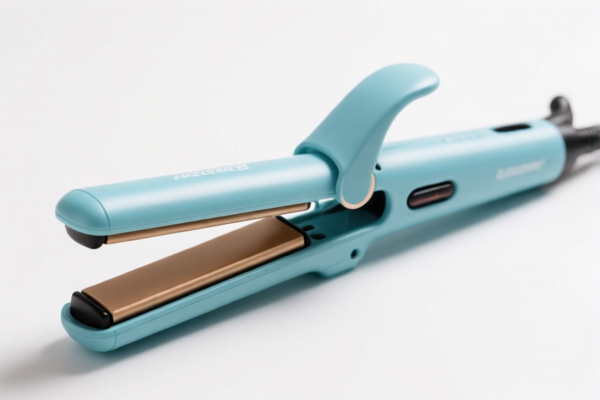
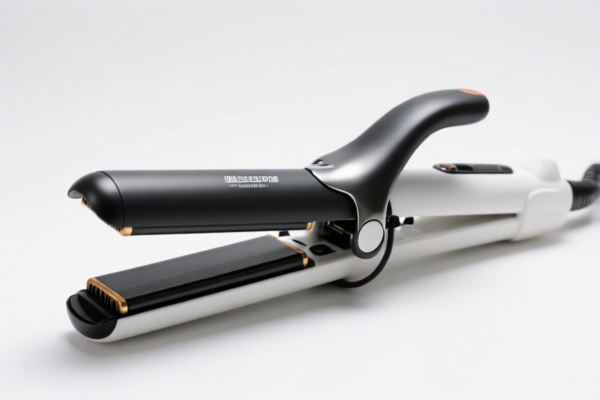
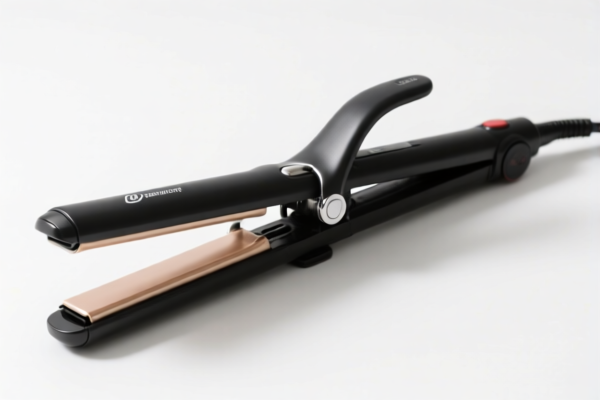
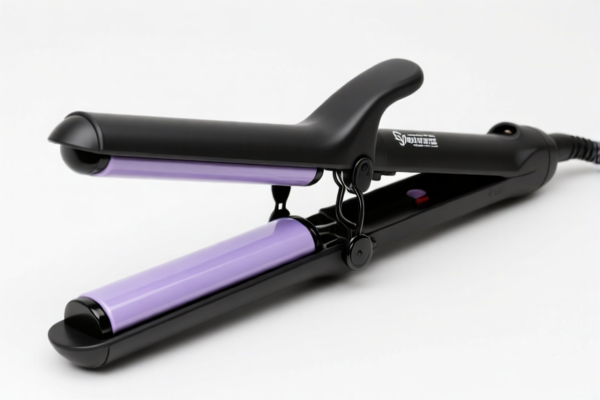
AI Analysis
🏌️♂️ Electric Putter (Golf Clubs & Equipment)
🌐 HS Code Reference & Customs Clearance Guide | 2026 Latest Tariff Analysis | Professional-Level Strategy
📌 One, Product Definition: Is it a Golf Club or a Machine?
An "Electric Putter" is a niche piece of golf equipment that falls squarely under the category of Golf Clubs and Other Golf Equipment. In international trade, classification depends on whether the item is a "complete club" (including the head, shaft, and grip) or a generic "machine" with mixing/vibrating functions.
Key Distinction:
* Complete Golf Club (9506.31.00.00): A putter with an electric mechanism (e.g., auto-aligning heads, electronic distance sensors) integrated into the club structure, sold as a club for personal use.
* Industrial/Commercial Machine (8479.82.00.40 or 8479.89.95.95): If the device is a standalone mechanical appliance used for manufacturing, testing, or heavy-duty industrial vibration/mixing (not designed for holding in a hand to strike a ball), it may be misclassified as industrial machinery.
⚠️ Critical Classification Point: - If it is sold as a golf club for sports/hobby use → Chapter 95 (Sports Goods). - If it is a mechanical appliance for industrial mixing/vibrating → Chapter 84 (Machinery). - Most consumer "Electric Putters" are classified as Golf Clubs.
📦 Two, HS Code Classification Details (2026 Latest Tariff Reference)
Based strictly on the provided data, here are the relevant HS Codes for "Electric Putter" scenarios:
| HS Code | Product Description | Application Scenario | Tax Status (Total) |
|---|---|---|---|
9506.31.00.00 |
Golf Clubs, Complete | Primary Classification: A putter (complete club with head, shaft, grip) that may have electric components (sensors, auto-fitting) but is functionally a golf club. | 0.0% |
8479.82.00.40 |
Mixing, Kneading, or Stirring Machines | Misclassification Risk: Only if the device is not a club but a standalone machine used for mixing/kneading (highly unlikely for a putter, but possible if misdescribed as an "electric kneader"). | 25.0% |
9506.39.00.80 |
Other Golf Equipment (Parts/Accessories) | Secondary Classification: If the "electric putter" is sold as a part or accessory (e.g., an electric head replacement kit, not a complete club). | 0.0% |
8479.89.95.95 |
Other Industrial Vibrators | Low Probability: If the device is marketed as an "industrial vibrator" for construction/materials rather than a sports item. | 0.0% |
🔍 Important Note: -
9506.31.00.00is the most accurate HS Code for a complete electric golf putter. -8479.82.00.40carries a 25% tariff. Misclassifying a golf club as a "stirring machine" to avoid taxes is high-risk and illegal. Conversely, declaring a machine as a golf club is also fraudulent. -9506.39.00.80is for incomplete clubs or accessories (e.g., an electric sensor device that attaches to a regular putter).
💰 Three, 2026 Latest Tariff Rate Details (Including Additional Taxes)
✅ Applicable Country: United States (US)
✅ Origin: China (CN)
✅ Effective Time: Current rates apply based on Section 301 and IEEPA regulations.
🎯 1. 9506.31.00.00 —— Golf Clubs, Complete (Recommended)
| Item | Content |
|---|---|
| Base Tariff | 0% (ad valorem) |
| USITC Additional Tax | 0% (None listed in data) |
| IEEPA Additional Tax | 0% (None listed in data) |
| Total Tax Rate | 0.0% |
| Tax Calculation | CIF Value × 0% = $0 |
| De Minimis Eligibility | ✅ Yes (If value < $800, duty-free under Section 321) |
| Legal Basis | Chapter 95 (Sports Equipment) |
📌 Explanation: - Golf clubs are generally exempt from Section 301 additional tariffs in this specific dataset. - Lowest Risk, Lowest Cost: This is the optimal classification for consumer electric putters.
🎯 2. 8479.82.00.40 —— Mixing/Kneading/Stirring Machines (Risk Warning)
| Item | Content |
|---|---|
| Base Tariff | 0.0% |
| USITC Additional Tax | 25.0% |
| IEEPA Additional Tax | 0.0% (Not specified in data, assume included in total) |
| Total Tax Rate | 25.0% |
| Tax Calculation | CIF Value × 25% |
| De Minimis Eligibility | ❌ No (Likely subject to scrutiny due to 301 tariff) |
| Legal Basis | 8479.82.00.40 → Footnote 9903.88.01 (if applicable) |
📌 Warning: - Do NOT classify a golf putter as a "mixing machine" unless it is actually industrial equipment. - This rate is 25x higher than the correct classification (
9506.31.00.00).
🎯 3. 8501.10.60.80 —— Electric Motors (Component Level)
| Item | Content |
|---|---|
| Base Tariff | 2.8% |
| USITC Additional Tax | 25.0% |
| Total Tax Rate | 27.8% |
| Context | Only applicable if importing motors separately, not the finished putter. |
📌 Note: - If you import motors to assemble putters domestically, the motor itself is taxed at 27.8%. - This is not the final product rate for the putter.
🛠️ Four, Customs Clearance Practical Advice (Pitfall Avoidance Guide)
✅ 1. Documentation Checklist (Mandatory)
| Document | Required? | Description |
|---|---|---|
| ✅ Product Specs | ✔️ | Must clearly state "Electric Golf Putter" and function. |
| ✅ Photos | ✔️ | Show the club head, shaft, and any electronic components. |
| ✅ Circuit Diagram | ✔️ | If asked, to prove it’s a sports device, not an industrial mixer. |
| ✅ Commercial Invoice | ✔️ | Description: "Golf Club, Electric, Model XYZ, Complete." |
| ✅ Packing List | ✔️ | Include heads, shafts, grips if shipped separately. |
✅ 2. Declaration Tips (Golden Rules)
🔥 "Declare as Golf Club, Not Machine!"
| Scenario | Correct Declaration | Wrong Declaration |
|---|---|---|
| Complete Electric Putter | 9506.31.00.00 - "Golf Club, Complete" |
"Electric Mixing Machine" → 25% Tax |
| Electric Head Only (No Shaft) | 9506.39.00.80 - "Golf Equipment, Other" |
"Part of Motor" → 27.8% Tax |
| Motor Import (For Assembly) | 8501.10.60.80 - "Electric Motor" |
"Golf Club" → Misdeclaration |
✅ 3. Special Cases
| Case | Handling Advice |
|---|---|
| OEM Branded Putters | Provide brand authorization and design drawings to prove it’s a golf club. |
| Shipped in Parts | If shipped as "Head + Shaft + Grip", declare as Complete Club (9506.31.00.00) if intended for immediate assembly. |
| Industrial Vibration Testers | If the "electric putter" is actually a lab shaker/vibrator for materials testing, use 8479.89.95.95 (0% tax in data, but check other regulations). |
🌍 Five, Global Market Comparison (2026)
| Country/Region | Recommended HS Code | Tariff Rate | Remarks |
|---|---|---|---|
| 🇺🇸 USA | 9506.31.00.00 |
0.0% | Best Option: No additional tariffs on complete golf clubs. |
| 🇨🇳 China | 9506.31.00.00 |
~5-10% | Standard import duty applies (not in US data). |
| 🇪🇺 EU | 9506.31 |
0% | Under GSP or general rate, often 0% for sports goods. |
| 🇬🇧 UK | 9506.31 |
0% | Post-Brexit, golf clubs remain low-tariff. |
📌 Conclusion: - The USA offers 0% duty for complete electric putters under
9506.31.00.00. - Avoid misclassifying as machinery (8479...) to save costs, as it leads to 25% penalties and legal risks.
📌 Six, Common Mistakes & Pitfalls
❌ Mistake 1: Calling it "Electric Stirring Machine" | 📉 Result: 25% Tariff + Customs Audit
❌ Mistake 2: Shipping as "Motor Parts" to get lower rates | 📉 Result: 27.8% on motor + potential fraud penalties
❌ Mistake 3: Not declaring it as a "Complete Club" when shipped in parts | 📉 Result: Potential reclassification to 9506.39.00.80 (still 0%, but requires proof)
✅ Correct Approach:
"Electric Golf Putter, Complete, Model XYZ, with Integrated Sensor System, FCC Certified"
🎯 Seven, Conclusion: Professional Clearance, Cost Saving!
🎯 Remember the Mantra:
🔹 "Golf Club = 0% Tax"
🔹 "Machine = 25% Tax"
🔹 "Motor = 27.8% Tax"
🔹 "Don't Mix Them Up!"
📌 Pro Tip:
If your "Electric Putter" includes batteries, ensure they are UN38.3 certified for air/sea freight.
For de minimis shipments (<$800), ensure the description is accurate to avoid customs holds.
📣 Immediate Action:
📞 Contact a licensed customs broker + Provide product photos + Request Advance Ruling if unsure.
🚀 Ensure your invoice says "Golf Club" not "Machine".
✨ Professional Clearance Starts with Accurate Classification!
💼 Your Every Dollar is Worth Precise Calculation!
Customer Reviews
About HS Code Classification
The Harmonized System (HS) is an internationally standardized nomenclature developed by the World Customs Organization (WCO) to classify traded products. Over 200 countries use the HS system as the basis for customs tariffs, trade statistics, and import/export regulations.
Each HS code follows a hierarchical structure:
- Chapter (2 digits) — Broad category of goods (e.g., Chapter 84: Machinery and Mechanical Appliances)
- Heading (4 digits) — More specific grouping within the chapter
- Subheading (6 digits) — Internationally standardized breakdown, used by all WCO member countries
- National subdivisions (8-10 digits) — Country-specific extensions for further classification, such as US HTSUS 10-digit codes
Correct HS code classification is essential for smooth customs clearance, accurate duty payment, and compliance with trade regulations. Misclassification can lead to customs delays, overpayment of duties, or penalties.
When importing from CN to US, the applicable tariff rates may include:
- Most-Favored-Nation (MFN) rate — The standard duty rate applied to WTO members
- General rate — Applied to countries without trade agreements
- Trade remedy duties — Additional tariffs such as Section 301 (anti-dumping), Section 232 (national security), or countervailing duties
The information provided on this page is for reference purposes only. For official classification, please consult with your local customs authority or a licensed customs broker.