electric wrench
CN → US| HS Code | Tariff Rate | Origin | Destination | Doc |
|---|---|---|---|---|
| 8467290040 | 17.5% | CN | US | Official Doc |
| 8204120000 | 44.0% | CN | US | Official Doc |
| 8204110030 | 44.0% | CN | US | Official Doc |
| 8205595560 | 40.3% | CN | US | Official Doc |
| 8205593080 | 35.0% | CN | US | Official Doc |
Product Images
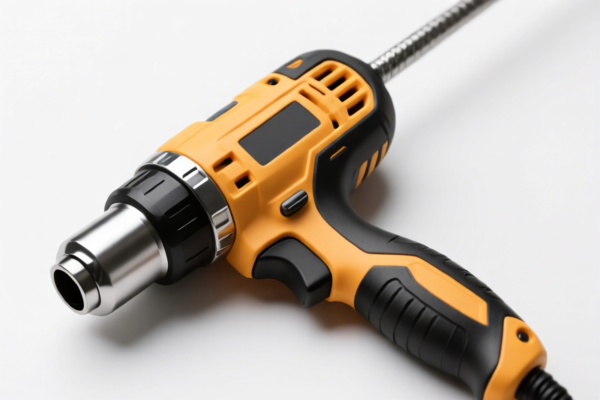
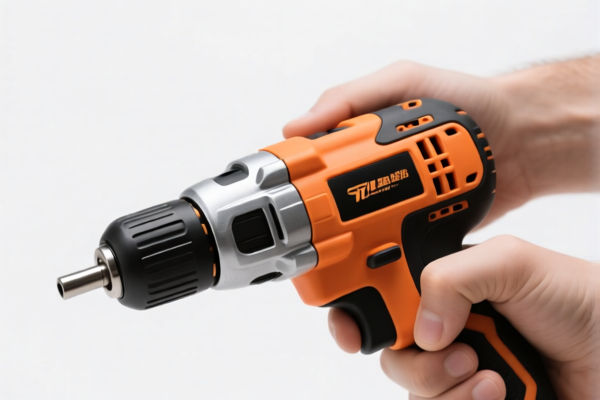
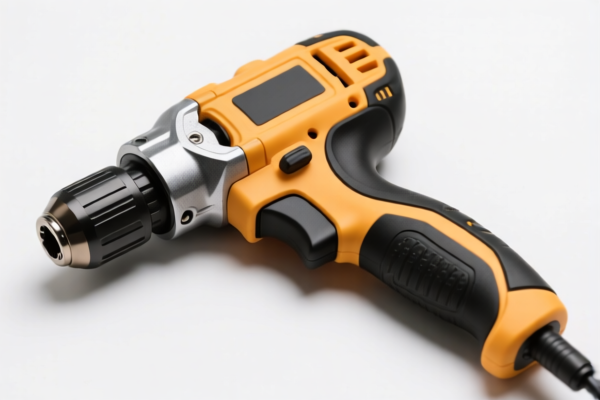
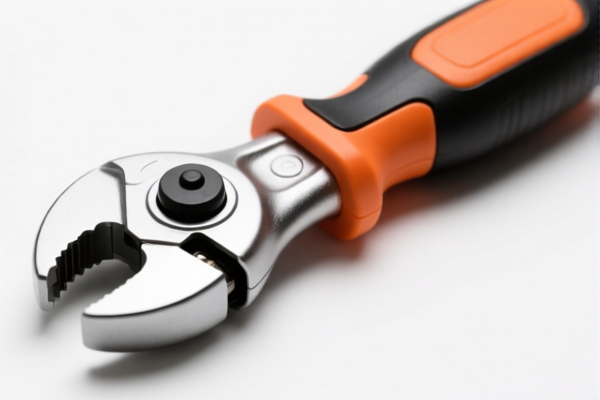
AI Analysis
🔩 Electric Wrench (Power Tools for Fastening)
🌐 HS Code Reference & Customs Clearance Guide | 2026 Latest Tariff Analysis | Professional Clearance Strategy
📌 I. Product Definition and Classification: What Exactly is an "Electric Wrench"?
In international trade, an "Electric Wrench" is broadly categorized under Chapter 84 (Nuclear reactors, boilers, machinery and mechanical appliances). The specific HS Code depends heavily on the driving mechanism (rotary vs. impact) and the power source (battery vs. corded, though both fall under electric).
It is crucial to distinguish between: * Rotary Electric Tools: Tools that drive screws or bolts via continuous rotation (e.g., electric screwdrivers, drill drivers). * Impact/Effector Tools: Tools that apply high torque through rapid impacts (e.g., impact wrenches, rivet guns).
⚠️ Key Distinction Point:
- If the tool operates primarily through rotational motion to drive screws/nuts → Likely 8467.29 or 8467.21.
- If the tool is a hand-held wrench (non-powered) → It belongs in Chapter 82 (Articles of Iron or Steel), NOT Chapter 84.
- Common Mistake: Misclassifying manual wrenches as electric tools (or vice versa) leads to massive tariff discrepancies.
📦 II. HS Code Classification Details (2026 Latest Tariff Authority Alignment)
Based on the provided data for "Electric Wrench" and related tools, here are the specific classifications and their tax implications for China-origin goods imported into the USA.
| HS Code | Product Description | Application Scenario | Power Type | Total Tax Rate |
|---|---|---|---|---|
8467.29.00.40 |
Electric Ratchet Wrench (Rotary/Drill-like) | Electric impact wrenches, rotary drivers, power screwdrivers | ⚡ Electric | 17.5% |
8204.12.00.00 |
Hand Wrench (Metal) | Manual open-end or combination wrenches | ✋ Manual | 44.0% |
8204.11.00.30 |
Hand Wrench & Parts | Manual wrenches, adjustable spanners | ✋ Manual | 44.0% |
8205.59.55.60 |
Other Iron/Steel Hand Tools | Generic manual tools (pliers, hammers, etc.) | ✋ Manual | 40.3% |
8205.59.30.80 |
Other Hand Tools | Miscellaneous manual tools | ✋ Manual | 35.0% |
🔍 Critical Insight:
- Electric Wrenches (8467.29.00.40) are significantly cheaper in tariffs (17.5%) compared to manual steel tools (35%-44%).
- However, if you mislabel an electric tool as a manual one, or vice versa, customs may reclassify it, leading to audits, penalties, or higher duties if the "wrong" code has a different rate structure.
- Note: The data provided for manual wrenches (8204.xxxx) shows high tax rates due to Section 301 and IEEPA tariffs. Do not assume manual tools are exempt!
💰 III. 2026 Latest Tariff Rate Breakdown (Including Surcharges & Policy Add-ons)
✅ Applicable Country: United States (US)
✅ Origin: China (CN)
✅ Effective Date: From November 10, 2025 (for subsequent imports)
🎯 1. 8467.29.00.40 —— Electric Ratchet Wrench / Power Driver
| Item | Content |
|---|---|
| Base Tariff | 0.0% (Ad Valorem) |
| USITC Surcharge | +7.5% (Section 301 / Trade Remedy) |
| IEEPA Surcharge | +10% (China-specific emergency powers) |
| Total Tax Rate | 17.5% |
| Tax Calculation | CIF Value × 17.5% |
| De Minimis Exemption? | ❌ NO (Denied for Chinese goods under Section 301/IEEPA) |
| Legal Path | IEEPA:9903.01.24 → USITC:8467.29.00.40 → FOOTNOTE:301 |
📌 Explanation:
- Although the base MFN rate is 0%, the Section 301 surcharge (7.5%) and IEEPA 122 Clause (10%) apply.
- Total: 17.5%. This is the most favorable rate for electric tools in the provided dataset.
- Crucial: Ensure the description clearly states "Electric" or "Power Tool" to qualify for Chapter 84.
🎯 2. 8204.12.00.00 / 8204.11.00.30 —— Manual Hand Wrenches
| Item | Content |
|---|---|
| Base Tariff | 9.0% |
| USITC Surcharge | +25.0% (Section 301) |
| IEEPA Surcharge | +10.0% (China-specific) |
| Total Tax Rate | 44.0% |
| Tax Calculation | CIF Value × 44.0% |
| De Minimis Exemption? | ❌ NO |
| Legal Path | IEEPA:9903.01.25 → USITC:8204.1x → FOOTNOTE:301 |
📌 Warning:
- If your product is an electric wrench but you mistakenly declare it under 8204 (Manual Tools), you may face underpayment if the customs officer determines it’s actually electric and reclassifies it to 8467 (lower rate) or 8205 (if deemed other tools).
- Conversely, if you declare a manual wrench as electric, you might try to pay only 17.5%, but customs will reclassify it to 8204, demanding the 44.0% rate plus penalties.
🎯 3. 8205.59.55.60 & 8205.59.30.80 —— Other Hand Tools
| HS Code | Total Tax Rate | Breakdown |
|---|---|---|
8205.59.55.60 |
40.3% | Base 5.3% + 35% Surcharge (25% 301 + 10% IEEPA) |
8205.59.30.80 |
35.0% | Base 0% + 35% Surcharge (25% 301 + 10% IEEPA) |
📌 Note:
- These codes are for "Other" hand tools not specified elsewhere (e.g., pliers, hammers, screwdrivers).
- An "electric wrench" should NOT be classified here. It is a power tool (Chapter 84) or a specific manual wrench (Chapter 82).
🛠️ IV. Customs Clearance Practical Advice (Avoid Pitfalls)
✅ 1. Documentation Checklist (Mandatory)
| Document | Required | Explanation |
|---|---|---|
| ✅ Product Spec Sheet | ✔️ | Must clearly state: Power Source (Battery/AC), Torque, Speed (RPM), Weight. |
| ✅ Photos (Clear & Detailed) | ✔️ | Show the entire tool, including brand, model, power switch, and battery pack (if any). |
| ✅ Commercial Invoice | ✔️ | Use precise terminology: "Electric Ratchet Wrench, Model XYZ, 18V, Cordless" or "Manual Combination Wrench". |
| ✅ Packing List | ✔️ | List contents clearly. Do not mix electric and manual tools in a way that confuses classification. |
| ✅ FCC Certificate | ✔️ | For electric tools: Required for US import. |
| ✅ Battery MSDS | ✔️ | If battery-operated: Required for shipping (DGV) and customs. |
✅ 2. Declaration Tips (Key Mantra)
🔥 "Electric vs. Manual: Know the Difference, Save Half the Tax!"
| Scenario | Correct HS Code | Common Mistake | Consequence |
|---|---|---|---|
| Electric Ratchet/Impact Wrench | 8467.29.00.40 |
Declare as 8204 (Manual) |
Underpayment: Customs reclassifies, demands back taxes + penalties. |
| Manual Steel Wrench | 8204.12.00.00 |
Declare as 8467 (Electric) |
Overpayment/Scrutiny: Customs may reject as non-compliant or reclassify to 8204 (44%) if originally declared at 17.5%. |
| Tool Set (Mixed) | Split Declaration | Lump as "Hand Tools" | High Risk: Each item must be classified separately. |
✅ 3. Special Considerations
| Situation | Advice |
|---|---|
| Cordless vs. Corded | Both fall under 8467.29 if electric. Ensure the invoice specifies "Cordless" if batteries are included, as batteries require separate MSDS. |
| Battery Inclusion | If the wrench comes with a lithium-ion battery, declare the battery separately or ensure the HS Code covers the tool with battery. Batteries themselves may have different HS Codes (8507.60), but often the tool classification prevails if integral. |
| Brand & Origin | Clearly mark "Made in China" on the product and invoice. This triggers the 10% IEEPA surcharge. |
| Pre-Ruling | For high-volume imports, consider applying for an Advance Ruling to lock in the 8467.29.00.40 classification. |
🌍 V. Global Market Comparison (2026 Update)
| Market | Recommended HS Code | Base Tariff | Section 301/IEEPA | Total Estimated Tax (China Origin) | Notes |
|---|---|---|---|---|---|
| 🇺🇸 USA | 8467.29.00.40 |
0% | +17.5% | 17.5% | Most favorable for electric tools. |
| 🇺🇸 USA (Manual) | 8204.12.00.00 |
9% | +35% | 44.0% | High tax burden for manual tools. |
| 🇨🇳 China | 8467.29.00.00 |
~10-16% | 0% | ~10-16% | Lower import duty, no US surcharges. |
| 🇪🇺 EU | 8467.29.00 |
~4-6% | 0% (mostly) | ~4-6% | No Section 301. VAT applies separately. |
📌 Conclusion:
- USA is the only market among these with heavy surcharges on Chinese goods.
- Electric tools (8467) are significantly more tariff-advantageous than manual steel tools (8204) in the US.
- Strategy: If you are exporting electric wrenches to the US, ensure they are clearly declared as electric power tools to benefit from the 17.5% rate rather than misclassifying them.
📌 VI. Common Errors & Pitfalls (Lessons Learned)
❌ Error 1: Declaring an electric wrench as a "Hand Tool" (8204).
👉 Result: Underpayment of duties. Customs may assess the 44.0% rate if they reclassify, plus penalties.
❌ Error 2: Not declaring the battery separately or providing MSDS.
👉 Result: Shipment held at customs due to safety regulations (DGV). Delay in clearance.
❌ Error 3: Using vague descriptions like "Wrench" without specifying "Electric".
👉 Result: Customs officer may guess the classification, leading to delays or incorrect duty assessment.
✅ Correct Declaration Example:
"ELECTRIC RATCHET WRENCH, 18V CORDLESS, LITHIUM ION BATTERY INCLUDED, MODEL XYZ, MADE IN CHINA"
🎯 VII. Conclusion: Precise Classification Saves Money!
🎯 Remember the Mantra:
🔹 "Electric = 8467 (17.5%) | Manual = 8204 (44%) | Don't Mix!"
🔹 "Clear Description, Clear Classification, Clear Customs!"
📌 Pro Tip:
- If your product is not made in China (e.g., Vietnam, Thailand), you may qualify for lower or zero Section 301 tariffs.
- Always consult a licensed customs broker for pre-classification to avoid costly reclassifications.
📣 Immediate Action:
📞 Contact your customs broker with product photos and specs.
🚀 Ensure your invoice accurately reflects "Electric" to secure the 17.5% rate.
💼 Don't let a misclassified wrench cost you 26.5% extra in duties!
✨ Professional Clearance Starts with Accurate Classification!
💼 Every percentage point saved is pure profit!
Customer Reviews
About HS Code Classification
The Harmonized System (HS) is an internationally standardized nomenclature developed by the World Customs Organization (WCO) to classify traded products. Over 200 countries use the HS system as the basis for customs tariffs, trade statistics, and import/export regulations.
Each HS code follows a hierarchical structure:
- Chapter (2 digits) — Broad category of goods (e.g., Chapter 84: Machinery and Mechanical Appliances)
- Heading (4 digits) — More specific grouping within the chapter
- Subheading (6 digits) — Internationally standardized breakdown, used by all WCO member countries
- National subdivisions (8-10 digits) — Country-specific extensions for further classification, such as US HTSUS 10-digit codes
Correct HS code classification is essential for smooth customs clearance, accurate duty payment, and compliance with trade regulations. Misclassification can lead to customs delays, overpayment of duties, or penalties.
When importing from CN to US, the applicable tariff rates may include:
- Most-Favored-Nation (MFN) rate — The standard duty rate applied to WTO members
- General rate — Applied to countries without trade agreements
- Trade remedy duties — Additional tariffs such as Section 301 (anti-dumping), Section 232 (national security), or countervailing duties
The information provided on this page is for reference purposes only. For official classification, please consult with your local customs authority or a licensed customs broker.