electromagnetic couplings and clutches
CN → US| HS Code | Tariff Rate | Origin | Destination | Doc |
|---|---|---|---|---|
| 8505200000 | 38.1% | CN | US | Official Doc |
| 8483608000 | 37.8% | CN | US | Official Doc |
| 8483604040 | 37.8% | CN | US | Official Doc |
Product Images
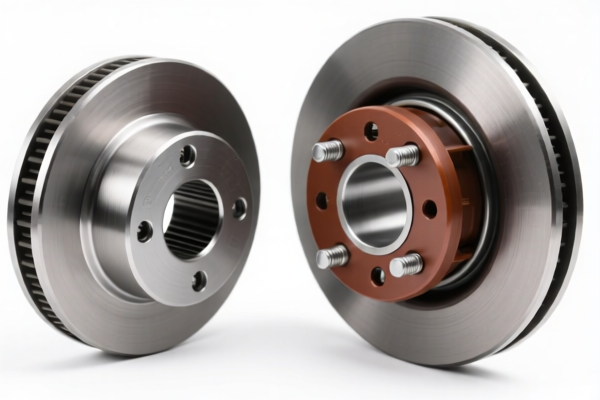
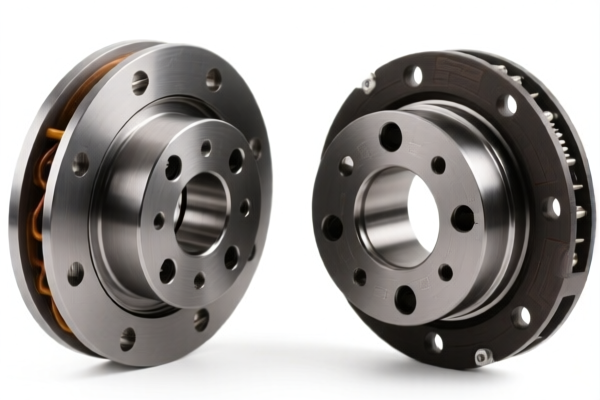
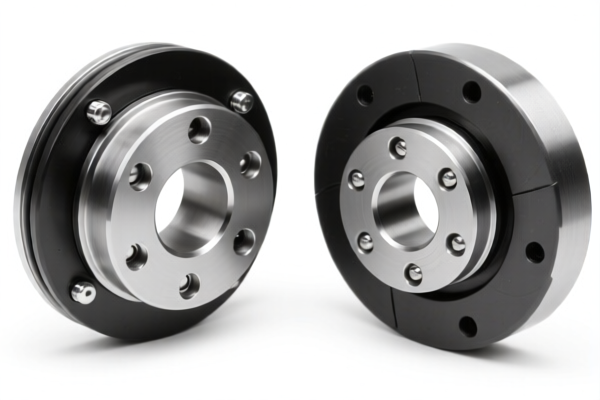
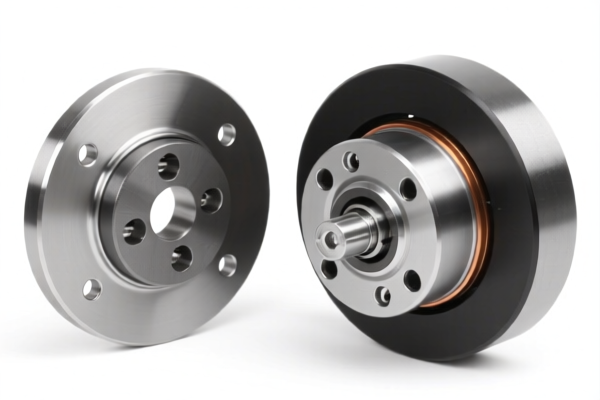
AI Analysis
🧲 Electromagnetic Couplings & Clutches (电磁耦合器与离合器)
🌐 HS Code Reference & Customs Clearance Guide | 2026 Latest Tariff Analysis | Professional-Level Strategy
📌 I. Product Definition & Classification: Do You Really Understand "Electromagnetic Couplings"?
Electromagnetic couplings and clutches are critical transmission components used to engage or disengage power transmission between shafts using electromagnetic force. In international trade, they are strictly categorized based on their operating principle and structural integration:
- Electromagnetic Type (8505.20.00.00): Devices that use an electric current to generate a magnetic field to engage the clutch. These belong to Chapter 85 (Electrical machinery and equipment).
- Mechanical/Magnetic Hybrid or Pure Mechanical Clutches (8483.60): Devices that are purely mechanical or use permanent magnets/permanent magnetic chucks without active electromagnetic coils for engagement control in the context of Chapter 84. These belong to Chapter 84 (Nuclear reactors, boilers, machinery and mechanical appliances).
⚠️ Key Distinction Point:
- If the device uses an electromagnet (coil) to create magnetic attraction for engagement →归类 8505.20.00.00
- If the device is a pure mechanical clutch, or uses permanent magnets (passive) without active electromagnetic control coils, or is described as a standard shaft coupling/universal joint →归类 8483.60.xxxx
📦 II. HS Code Classification Details (2026 Latest Tariff Authority Comparison)
| HS Code | Product Description | Applicable Scenario | Inclusion of Electromagnet |
|---|---|---|---|
8505.20.00.00 |
Electromagnetic couplings, clutches and brakes | Active electromagnetic engagement, industrial automation, CNC machines, robotics | ✅ Yes (Uses electromagnetic coils) |
8483.60.80.00 |
Clutches and shaft couplings (including universal joints): Other | Mechanical clutches, hydraulic/pneumatic clutches (if not primarily electromagnetic), or general shaft couplings | ❌ No (Not primarily electromagnetic) |
8483.60.40.40 |
Clutches and shaft couplings (including universal joints): Clutches... Clutches | Specific mechanical clutches, dry-type clutches, or non-electromagnetic engagement systems | ❌ No (Mechanical focus) |
🔍 Key Reminder:
- 8505.20.00.00 is for Electromagnetic devices. If your product has a coil and requires electricity to engage, this is likely the correct code.
- 8483.60.xxxx covers Mechanical Clutches and Couplings. Even if a clutch uses magnets, if it is not an electromagnetic unit (i.e., no coil-driven field), it may fall here. Also, "Shaft Couplings" (flexible/rigid connectors) are explicitly listed in 8483.60.
- Misclassification between Chapter 85 and Chapter 84 is a common customs audit risk.
💰 III. 2026 Latest Tariff Rate Details (Including Surcharges & Policy Add-ons)
✅ Applicable Country: United States (US)
✅ Country of Origin: China (CN)
✅ Effective Date: November 10, 2025 onwards (including subsequent imports)
🎯 1. 8505.20.00.00 —— Electromagnetic Couplings, Clutches and Brakes
| Item | Content |
|---|---|
| Base Tariff Rate | 0.0% (ad valorem) |
| Section 301 Surcharge | 0.0% |
| Total Tax Rate | 0.0% |
| Tax Calculation | CIF Value × 0.0% = $0 |
| De Minimis Eligibility | ❌ Not applicable (0% rate) |
| Legal Basis Path | HTSUS: 8505.20.00.00 → No Section 301 footnote applies |
📌 Explanation:
- Unlike many electronics and machinery parts, electromagnetic couplings currently enjoy a 0% total tariff rate under Section 301.
- This is a significant advantage compared to other electromechanical components.
- Verification Required: Ensure the product is indeed electromagnetic (has coils) to justify this code. If misclassified from a 25% code, this 0% rate is a benefit; if misclassified from a 0% code to a 25% code, it’s a penalty.
🎯 2. 8483.60.80.00 —— Other Clutches and Shaft Couplings
| Item | Content |
|---|---|
| Base Tariff Rate | 0.0% (ad valorem) |
| Section 301 Surcharge | 0.0% |
| Total Tax Rate | 0.0% |
| Tax Calculation | CIF Value × 0.0% = $0 |
| De Minimis Eligibility | ❌ Not applicable (0% rate) |
| Legal Basis Path | HTSUS: 8483.60.80.00 → No Section 301 footnote applies |
📌 Explanation:
- General mechanical clutches and shaft couplings also have a 0% total tariff rate.
- This applies to non-electromagnetic clutches, hydraulic clutches, and universal joints.
🎯 3. 8483.60.40.40 —— Clutches (Specific Mechanical)
| Item | Content |
|---|---|
| Base Tariff Rate | 0.0% (ad valorem) |
| Section 301 Surcharge | 0.0% |
| Total Tax Rate | 0.0% |
| Tax Calculation | CIF Value × 0.0% = $0 |
| De Minimis Eligibility | ❌ Not applicable (0% rate) |
| Legal Basis Path | HTSUS: 8483.60.40.40 → No Section 301 footnote applies |
📌 Explanation:
- Specific mechanical clutch categories also carry 0% total tax.
- Note: While the tariff is 0%, the risk of misclassification is higher because customs may challenge whether a "mechanical" description hides an "electromagnetic" feature.
🛠️ IV. Customs Clearance Practical Advice (Real-World Pitfall Avoidance Guide)
✅ 1. Required Documentation Checklist (All are Mandatory)
| Document | Must Provide | Description |
|---|---|---|
| ✅ Product Specification Sheet | ✔️ | Must clearly state: "Electromagnetic" or "Mechanical", Voltage, Power, Engagement Method |
| ✅ Cross-Sectional Diagram | ✔️ | Crucial to prove presence/absence of electromagnetic coils |
| ✅ Product Photos | ✔️ | Clear view of nameplate, model, and internal structure if possible |
| ✅ Commercial Invoice | ✔️ | Description must match HS Code: e.g., "Electromagnetic Clutch" for 8505 vs. "Mechanical Clutch" for 8483 |
| ✅ Packing List | ✔️ | Include all components (coils, housings, shafts) |
| ✅ Origin Certificate | ✔️ | If not from China, to prove non-subject-of-tariff origin (though rates are 0% here, it’s standard practice) |
✅ 2. Declaration Tips (Key Mantra)
🔥 “Coils define 8505, Mechanics define 8483. Be precise, avoid ambiguity!”
| Scenario | Correct Declaration | Incorrect Practice |
|---|---|---|
| Product has electromagnetic coils | 8505.20.00.00 - "Electromagnetic Clutch" |
Declare as "Clutch" without specifying "Electromagnetic" → Risk of reclassification |
| Product is purely mechanical (dry friction) | 8483.60.80.00 or 8483.60.40.40 |
Declare as "Electromagnetic Clutch" → Over-declaration risk |
| Product is a Shaft Coupling (flexible/rigid) | 8483.60.80.00 |
Declare as "Clutch" → Functional difference matters |
| Product is a Magnetic Powder Clutch | 8505.20.00.00 (if electromagnetic) |
Misclassified as mechanical → Audit risk |
⚠️ Critical Note:
- Magnetic Powder Clutches are often electromagnetic (coil-controlled) and thus fall under 8505.20.00.00.
- Permanent Magnet Clutches (no coil) may fall under 8505.10 or 8483.60, depending on specific design and country interpretation. Check the coil presence!
✅ 3. Special Circumstances Handling
| Situation | Handling Advice |
|---|---|
| Hydraulic/Electro-Hydraulic Clutches | If the primary engagement is hydraulic, but with an electromagnetic valve, consult customs. Often still 8483.60 if the clutch itself is hydraulic. |
| Universal Joints | Clearly declare as "Universal Joint" under 8483.60.80.00. Do not call it a clutch. |
| Brakes (Electromagnetic) | Also fall under 8505.20.00.00. Combine with clutches in same shipment if same code. |
| Parts of Clutches | Generally follow the parent product code. If shipped separately, ensure they are identifiable as parts of a specific clutch type. |
🌍 V. Global Market Clearance Comparison (2026 Latest)
| Country/Region | Recommended HS Code | Tariff (China Origin) | Certification Requirements | Remarks |
|---|---|---|---|---|
| 🇺🇸 USA | 8505.20.00.00 (EM) or 8483.60.xxxx (Mech) |
0.0% | No special certs required for basic clearance | Zero tariff advantage! |
| 🇨🇳 China | 8505.20.00.00 or 8483.60.xxxx |
0% - 8% | CCC (if electrical) | Check domestic tariff schedule |
| 🇪🇺 EU | 8505.20.00 or 8483.60.80 |
0% | CE Marking | Standard import duties |
| 🇯🇵 Japan | 8505.20.00 or 8483.60.80 |
0% - 3% | PSE (if electrical) | Low tariffs |
| 🇬🇧 UK | 8505.20.00 or 8483.60.80 |
0% - 5% | UKCA Marking | Post-Brexit rules apply |
📌 Conclusion:
- USA, EU, Japan, and UK all impose 0% or very low tariffs on these components.
- The main challenge is not tariff cost, but classification accuracy. Misclassification can lead to audits, delays, and potential penalties if the product is deemed to have a different function.
- Electromagnetic components (8505) are often viewed as "electrical machinery" and may require more detailed technical documentation.
📌 VI. Common Mistakes & Pitfall Guide (Lessons Learned from Blood and Tears)
❌ Mistake 1: Calling an Electromagnetic Clutch a "General Clutch" and using 8483.60.80.00
👉 Consequence: While tariff is same (0%), customs may request technical specs, causing delays. If they determine it’s electrical, they may ask for additional compliance docs.
❌ Mistake 2: Calling a Mechanical Coupling an "Electromagnetic Clutch" and using 8505.20.00.00
👉 Consequence: Unnecessary scrutiny. If the product has no coil, customs will reject the declaration.
❌ Mistake 3: Ignoring the Shaft Coupling vs. Clutch distinction
👉 Consequence: Shaft couplings transmit torque continuously; clutches engage/disengage. Different functions, different sub-headings under 8483.60.
❌ Mistake 4: Not providing Coil Specifications for Electromagnetic Products
👉 Consequence: Customs cannot verify if it’s truly "Electromagnetic." Result: Delayed release, possible reclassification.
✅ Correct Practice:
"Electromagnetic Clutch, Model XYZ, 24V DC, Coil-Actuated, For Industrial Automation"
🎯 VII. Conclusion: Professional Declaration Saves Time, Money, and Hassle!
🎯 Remember the Mantra:
🔹 “Coils? 8505. No Coils? 8483. Both 0%! But Details Matter!”
🔹 “HS Code is King, Description is Queen, Accuracy is the Kingdom!”
📌 Pro Tip:
- If your product is a Magnetic Powder Clutch, confirm if it’s electromagnetic (coil-controlled) → 8505.20.00.00.
- If it’s a Permanent Magnet Coupling (passive), it may fall under 8505.11 or 8483.60 depending on application.
- Always provide a cross-sectional diagram to prove the presence/absence of electromagnetic coils.
📣 Immediate Action:
📞 Contact your customs broker + Provide product tech sheet + Confirm coil presence
🚀 Let your couplings and clutches clear smoothly, efficiently, and cost-effectively!
✨ Professional clearance starts with precise classification!
💼 Every component, correctly declared, is a profit protected!
Customer Reviews
About HS Code Classification
The Harmonized System (HS) is an internationally standardized nomenclature developed by the World Customs Organization (WCO) to classify traded products. Over 200 countries use the HS system as the basis for customs tariffs, trade statistics, and import/export regulations.
Each HS code follows a hierarchical structure:
- Chapter (2 digits) — Broad category of goods (e.g., Chapter 84: Machinery and Mechanical Appliances)
- Heading (4 digits) — More specific grouping within the chapter
- Subheading (6 digits) — Internationally standardized breakdown, used by all WCO member countries
- National subdivisions (8-10 digits) — Country-specific extensions for further classification, such as US HTSUS 10-digit codes
Correct HS code classification is essential for smooth customs clearance, accurate duty payment, and compliance with trade regulations. Misclassification can lead to customs delays, overpayment of duties, or penalties.
When importing from CN to US, the applicable tariff rates may include:
- Most-Favored-Nation (MFN) rate — The standard duty rate applied to WTO members
- General rate — Applied to countries without trade agreements
- Trade remedy duties — Additional tariffs such as Section 301 (anti-dumping), Section 232 (national security), or countervailing duties
The information provided on this page is for reference purposes only. For official classification, please consult with your local customs authority or a licensed customs broker.