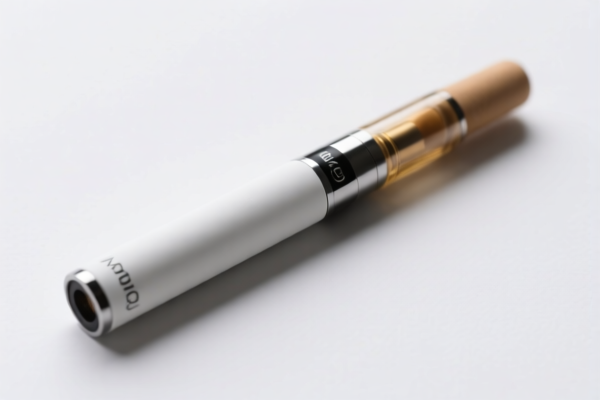
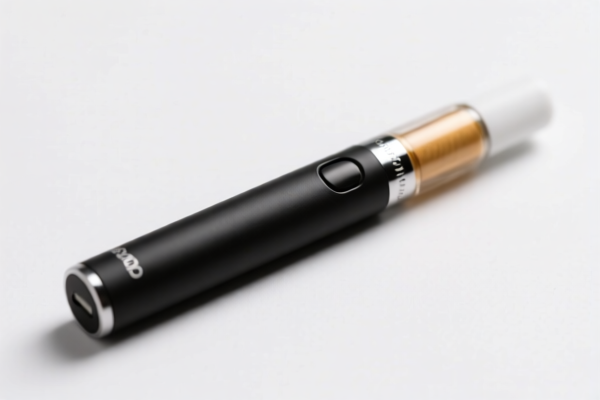
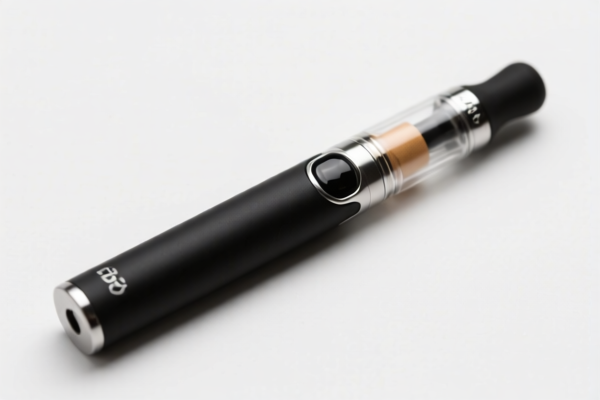
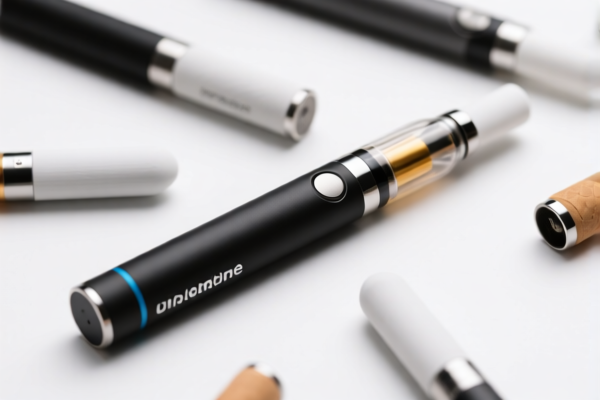
electronic cigarette refill liquid
CN → US| HS Code | Tariff Rate | Origin | Destination | Doc |
|---|---|---|---|---|
| 3302901050 | 35.0% | CN | US | Official Doc |
| 3302902050 | 35.0% | CN | US | Official Doc |
| 3824999397 | 40.0% | CN | US | Official Doc |
Product Images
AI Analysis
🌫️ Electronic Cigarette Refill Liquid (Nicotine-Containing E-Liquid for Vaping Devices)
🌐 HS Code Reference & Customs Clearance Guide | 2026 Updated Tariff Analysis | Professional Import Strategy
📌 One, Product Definition & Classification: What Exactly Is "E-Cigarette Refill Liquid"?
Electronic cigarette refill liquid — commonly known as e-liquid or vape juice — is a nicotine-containing mixture designed for use in personal electronic vaporizing devices (such as e-cigarettes, vape pens, pod systems). It is intended for inhalation without combustion, and typically consists of:
- Propylene glycol (PG) and/or vegetable glycerin (VG) as base liquids
- Nicotine (natural or synthetic)
- Flavorings (food-grade or synthetic)
- Optional additives (e.g., stabilizers, colorants)
⚠️ Key Classification Rule:
- If the product contains nicotine and is intended for inhalation without burning tobacco, it falls under Chapter 24 (Tobacco and Manufactured Tobacco Substitutes) — not under Chapter 33 (Cosmetics) or Chapter 38 (Chemical Products).
- Even if the liquid is not tobacco-based, the presence of nicotine triggers classification under 2404.12.10.00 or 2404.19.10.00.
📦 Two, HS Code Classification Details (2026 Official Tariff Authority)
| HS Code | Product Description | Target Use | Contains Nicotine? | Includes Combustion? |
|---|---|---|---|---|
2404.12.10.00 |
Mixtures for personal electric or electronic vaporizing devices: Other (containing nicotine) | Vape pens, pod mods, disposable vapes | ✅ Yes | ❌ No (non-combustible) |
2404.19.10.00 |
Other mixtures for personal vaporizing devices: Other (containing nicotine) | Custom e-liquids, DIY kits, specialty blends | ✅ Yes | ❌ No (non-combustible) |
🔍 Critical Distinction:
-2404.12.10.00applies to standard, ready-to-use e-liquids sold in retail packaging (e.g., 10ml bottles, pre-filled pods).
-2404.19.10.00covers non-standard, custom, or niche formulations, including those with unusual ratios, experimental flavors, or used in DIY kits.✅ Important Note:
- Both codes exclude products where nicotine is not present (e.g., flavor-only liquids) — those may fall under 3303.00.00 (perfumes) or 3822.00.00 (miscellaneous chemical products). - No distinction is made between nicotine source (natural, synthetic, or extracted) — presence alone triggers Chapter 24.
💰 Three, 2026 Latest Tariff Rate Breakdown (With Additional Taxes & Policies)
✅ Applicable Country: United States (US)
✅ Origin: China (CN)
✅ Effective Date: November 10, 2025 (with retroactive application)
🎯 1. 2404.12.10.00 — E-Liquid for Personal Vaporizing Devices (Standard Formulations)
| Item | Detail |
|---|---|
| Base Tariff | 0% (ad valorem) |
| USITC Section 301 Additional Duty | +25% (from USITC Footnote 9903.88.01) |
| IEEPA Emergency Economic Powers Act Duty | +10% (applies to goods from China/HK, effective Nov 10, 2025) |
| Total Effective Duty | 45% |
| Tax Calculation | CIF Value × 45% |
| De Minimis Threshold | ❌ Not applicable (denied under IEEPA) |
| Legal Basis Pathway | IEEPA:9903.01.25 → IEEPA:9903.01.24 → USITC:2404.12.10.00 → FOOTNOTE:9903.88.01 |
📌 Explanation:
- The 25% USITC duty stems from Section 301 of the Trade Act of 1974 — targeting unfair trade practices by China.
- The 10% IEEPA duty is a national security-based tariff under the International Emergency Economic Powers Act, applied to all Chinese-origin goods in sensitive categories.
- Total: 45% — one of the highest tariffs in the entire import regime for consumer goods.
🎯 2. 2404.19.10.00 — Other E-Liquids (Custom, Niche, or Non-Standard Mixtures)
| Item | Detail |
|---|---|
| Base Tariff | 0% |
| USITC Section 301 Duty | +25% |
| IEEPA Duty | +10% |
| Total Effective Duty | 45% |
| Tax Calculation | CIF × 45% |
| De Minimis Exemption | ❌ Not allowed |
| Legal Basis Pathway | IEEPA:9901.25 → IEEPA:9903.01.24 → USITC:2404.19.10.00 → FOOTNOTE:9903.88.01 |
📌 Important Note:
- Even if the e-liquid is not mass-produced, not branded, or sold in small batches, the 45% duty still applies if it contains nicotine and is intended for inhalation.
- This includes DIY e-liquid kits, flavor concentrates, nicotine boosters, and custom blends.
🛠️ Four, Customs Clearance Best Practices (Pro Tips to Avoid Penalties)
✅ 1. Required Documentation (Must-Have Checklist)
| Document | Required? | Notes |
|---|---|---|
| ✅ Product Specification Sheet | ✔️ | Must list: base (PG/VG), nicotine concentration (mg/mL), flavor types, ingredients |
| ✅ Certificate of Analysis (CoA) | ✔️ | Lab test proving nicotine content, purity, and absence of contaminants |
| ✅ Safety Data Sheet (SDS) | ✔️ | Required for hazardous substances (e.g., high nicotine levels) |
| ✅ Commercial Invoice | ✔️ | Clearly state: “E-Liquid for Electronic Vaporizing Devices, Containing Nicotine” |
| ✅ Bill of Lading / Air Waybill | ✔️ | Must match invoice and packing list |
| ✅ Certificate of Origin (CO) | ✔️ | Critical for IEEPA/USITC compliance |
| ✅ Packaging & Labeling Compliance Proof | ✔️ | Must include: nicotine warning, child-resistant packaging, ingredient list |
✅ 2.申报技巧 (申报口诀)
🔥 "Nicotine in? → 2404.12/19 → 45% tariff! No de minimis. No exceptions."
| Scenario | Correct HS Code | Common Mistake |
|---|---|---|
| Standard 10ml bottle, 3mg/mL nicotine | 2404.12.10.00 |
Misclassified as "perfume" → 0% → Reassessment + penalty |
| DIY flavor concentrate (no nicotine) | 3822.00.00 |
If nicotine present → must use 2404.12/19 |
| Custom blend with 20mg/mL nicotine | 2404.19.10.00 |
Claimed as "food flavor" → high risk of seizure |
| E-liquid in child-proof bottle | 2404.12.10.00 |
Still 45% duty — packaging doesn’t reduce tax |
✅ 3. Special Case Handling
| Situation | Recommended Action |
|---|---|
| Low-nicotine (<20mg/mL) | Still subject to 45% — no exemption |
| Nicotine-free e-liquid | Can be classified under 3303.00.00 (perfumes) or 3822.00.00 (chemicals) — lower duty |
| Imported from Vietnam/Mexico | May qualify for IEEPA exemption — 0% tariff if origin is non-China |
| Small sample shipments (<$800) | ❌ No de minimis — 45% duty still applies (IEEPA overrides de minimis) |
| Medical-grade nicotine liquid | Requires FDA 510(k) or De Novo clearance — not exempt from tariff |
🌍 Five, Global Market Customs Comparison (2026 Update)
| Country/Region | Recommended HS Code | Tariff | Certification Required | Notes |
|---|---|---|---|---|
| 🇺🇸 United States | 2404.12.10.00 or 2404.19.10.00 |
45% | FDA (for nicotine products), FCC (if electronic device) | Highest tax globally |
| 🇨🇳 China | 2404.12.10.00 |
5% | CCC, QS, FDA-like approval | No IEEPA/USITC duties |
| 🇪🇺 European Union | 2404.12.10.00 |
0% (if compliant with TPD) | EU Tobacco Product Directive (TPD) | Strict labeling & nicotine limits |
| 🇦🇺 Australia | 2404.12.10.00 |
5% | TGA approval, RCM | Nicotine restricted; import licenses required |
| 🇯🇵 Japan | 2404.12.10.00 |
0% | PMDA approval | No additional tariffs |
| 🇧🇷 Brazil | 2404.12.10.00 |
20% | ANVISA registration | High compliance burden |
📌 Insight:
- Only the U.S. imposes 45% tariff on nicotine-containing e-liquids from China.
- EU and Japan have no additional tariffs, but strict product safety and labeling rules apply.
📌 Six, Common Mistakes & Risk Warnings (Avoid These!)
❌ Mistake 1: Claiming "no nicotine" when liquid contains 3mg/mL
👉 Result: Misclassification → 45% duty + penalties + seizure
❌ Mistake 2: Using "flavor concentrate" or "e-juice" as name without declaring nicotine
👉 Result: Customs may flag for inspection → delayed release or rejection
❌ Mistake 3: Shipping small samples (e.g., 5ml) under $800
👉 Result: No de minimis relief — 45% tax still applies
❌ Mistake 4: Not providing CoA or SDS
👉 Result: Customs may refuse entry or demand lab testing
✅ Correct Labeling Example:
"E-Liquid, 10ml, 6mg/mL Nicotine, PG/VG Base, Flavor: Mint Chocolate, For Use in Personal Electronic Vaporizing Devices, Child-Resistant Packaging, FDA-Compliant"
🎯 Seven, Conclusion: Accurate Classification = Cost Control & Risk Avoidance
🎯 Remember the Golden Rule:
🔹 "If it contains nicotine and is for inhalation → 2404.12 or 19 → 45% tariff in the U.S."
🔹 "No de minimis. No exceptions. No second chances."
📌 Pro Tip:
✅ Apply for an Advance Ruling (Pre-Approval) from U.S. Customs before shipping.
✅ Use non-China origin (e.g., Vietnam, Thailand, Mexico) to avoid IEEPA/USITC duties.
✅ Partner with a licensed U.S. importer who understands FDA + CBP regulations.
📣 Act Now!
📞 Contact a specialized vape import broker or customs attorney
🚀 Secure your HS Code pre-ruling + tariff mitigation plan
💼 Avoid $10,000+ in unexpected duties and months of delay
✨ Smart Importing Starts with Accurate HS Code!
💼 Your profit margin depends on the precision of your classification.
Customer Reviews
About HS Code Classification
The Harmonized System (HS) is an internationally standardized nomenclature developed by the World Customs Organization (WCO) to classify traded products. Over 200 countries use the HS system as the basis for customs tariffs, trade statistics, and import/export regulations.
Each HS code follows a hierarchical structure:
- Chapter (2 digits) — Broad category of goods (e.g., Chapter 84: Machinery and Mechanical Appliances)
- Heading (4 digits) — More specific grouping within the chapter
- Subheading (6 digits) — Internationally standardized breakdown, used by all WCO member countries
- National subdivisions (8-10 digits) — Country-specific extensions for further classification, such as US HTSUS 10-digit codes
Correct HS code classification is essential for smooth customs clearance, accurate duty payment, and compliance with trade regulations. Misclassification can lead to customs delays, overpayment of duties, or penalties.
When importing from CN to US, the applicable tariff rates may include:
- Most-Favored-Nation (MFN) rate — The standard duty rate applied to WTO members
- General rate — Applied to countries without trade agreements
- Trade remedy duties — Additional tariffs such as Section 301 (anti-dumping), Section 232 (national security), or countervailing duties
The information provided on this page is for reference purposes only. For official classification, please consult with your local customs authority or a licensed customs broker.