empty pen case
CN → US| HS Code | Tariff Rate | Origin | Destination | Doc |
|---|---|---|---|---|
| 3926909989 | 22.8% | CN | US | Official Doc |
| 4202322000 | 55.0% | CN | US | Official Doc |
| 4202329100 | 52.6% | CN | US | Official Doc |
| 3926908300 | 40.3% | CN | US | Official Doc |
Product Images
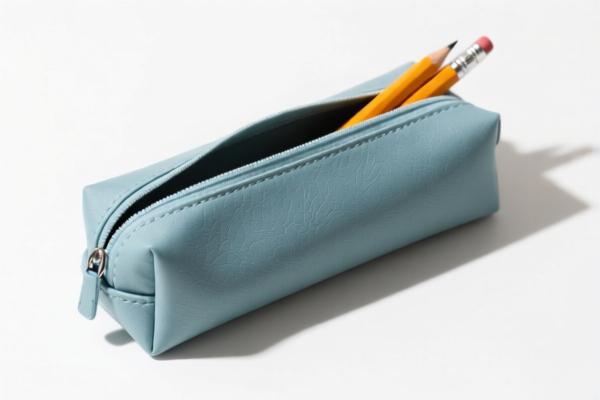
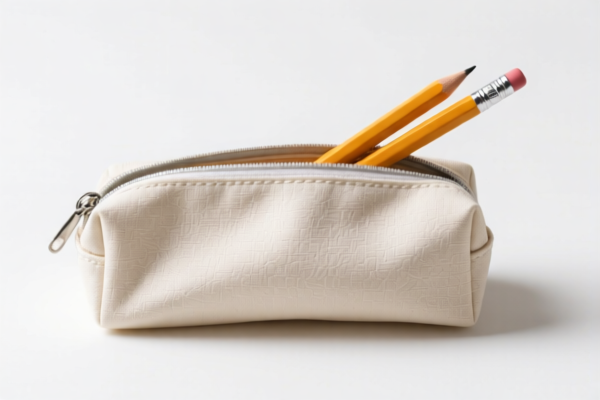
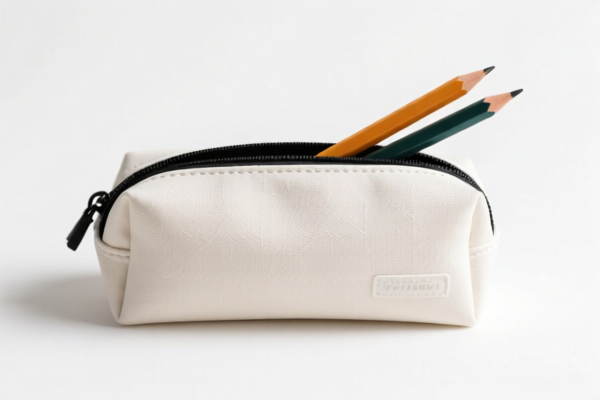
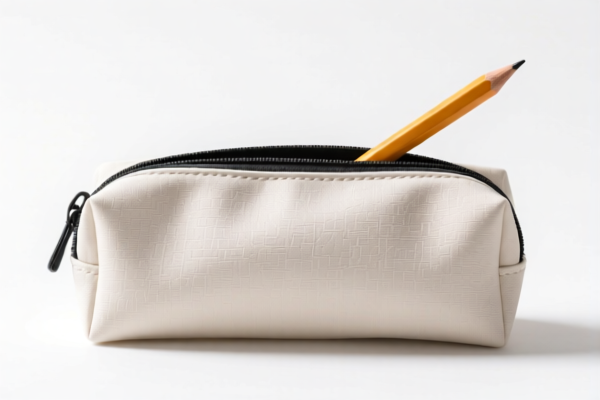
AI Analysis
🎒 Empty Pen Case (Pencil Case / Pouch)
🌐 HS Code Reference & Customs Clearance Guide | 2026 Latest Tariff Analysis | Professional Strategy
📌 I. Product Definition: What Exactly Is an "Empty Pen Case"?
An "empty pen case" is a container designed to hold writing instruments (pens, pencils, markers). In international trade, its classification depends heavily on material composition and functional design. Since the input does not specify the material, classification falls into a "catch-all" logic based on common manufacturing materials: Plastic (Polymer) or Textile/Fabric/Leather.
⚠️ Key Distinction:
- If made of Plastic/Synthetic Materials → Classified under Chapter 39 (Plastics and Articles Thereof).
- If made of Textiles (Fabric), Leather, or Synthetic Leather → Classified under Chapter 42 (Articles of Leather; Saddle Harness; Travel Goods).
📦 II. HS Code Classification Details (2026 Latest Tariff Authority Comparison)
Based on the provided data, here are the four possible classifications depending on the inferred material:
| HS Code | Product Description | Inferred Material Logic | Tax Category Basis |
|---|---|---|---|
3926.90.99.89 |
Other articles of plastics, not elsewhere specified | Plastic/Resin (Assumed due to "Other" catch-all for plastic items) | Plastic Articles |
4202.32.20.00 |
Articles for carrying writing instruments, with outer surface of plastic sheeting | Plastic Sheet (Outer layer is plastic, e.g., vinyl/PU coated fabric) | Textile/Plastic Composite |
4202.32.91.00 |
Articles for carrying writing instruments, other than those with outer surface of plastic | Textile/Fabric (e.g., Cotton, Nylon, Polyester canvas) | Textile Bags |
3926.90.83.00 |
Other plastic articles (specifically containers/cases) | Plastic Container (Emphasizes the "container" aspect of plastic) | Plastic Articles |
🔍 Critical Note:
- "Empty" implies it contains no other goods, but it is still a finished good (a container).
- Material is King: Without explicit material specs, customs may assess based on the outer surface material.
- No Material Conflict: The provided summaries note no "material conflict," meaning any of these are valid inferences based on common market standards.
💰 III. 2026 Latest Tariff Rate Breakdown (Including Additional Taxes)
✅ Applicable Country: United States (US)
✅ Origin: China (CN)
✅ Effective Date: Post-2025 (Includes Section 301 & IEEPA measures)
🎯 1. 3926.90.99.89 – Plastic Articles (Catch-all)
| Item | Detail |
|---|---|
| Base Duty | 5.3% |
| Section 301 Additional Duty | 7.5% |
| Section 122 Duty (IEEPA) | 10% |
| Total Effective Rate | 22.8% |
| Calculation | CIF Value × 22.8% |
| De Minimis Eligibility | ❌ No (Subject to strict scrutiny) |
📌 Explanation:
- This is the lowest tax bracket among the options.
- Applies if the pen case is primarily molded plastic or hard plastic.
- Section 122 (10%) is a specific additional duty often applied to certain Chinese imports under emergency powers.
🎯 2. 4202.32.20.00 – Outer Surface: Plastic Sheeting
| Item | Detail |
|---|---|
| Base Duty | 20.0% |
| Section 301 Additional Duty | 25.0% |
| Section 122 Duty (IEEPA) | 10% |
| Total Effective Rate | 55.0% |
| Calculation | CIF Value × 55.0% |
| De Minimis Eligibility | ❌ No |
📌 Explanation:
- High tax rate due to classification as a "Travel Good" or "Bag" with plastic outer layer.
- Common for vinyl, PVC, or PU-coated fabric pencil cases.
- Warning: This is one of the highest tax scenarios. Avoid if possible unless the product is clearly defined this way.
🎯 3. 4202.32.91.00 – Outer Surface: Other (Textile)
| Item | Detail |
|---|---|
| Base Duty | 17.6% |
| Section 301 Additional Duty | 25.0% |
| Section 122 Duty (IEEPA) | 10% |
| Total Effective Rate | 52.6% |
| Calculation | CIF Value × 52.6% |
| De Minimis Eligibility | ❌ No |
📌 Explanation:
- Applies to cloth, canvas, nylon, or polyester pen cases.
- Despite being "textile," it is taxed higher than pure plastic due to Section 301 (25%) and Section 122 (10%).
- Slightly lower than4202.32.20.00but still very expensive.
🎯 4. 3926.90.83.00 – Other Plastic Articles (Containers)
| Item | Detail |
|---|---|
| Base Duty | 5.3% |
| Section 301 Additional Duty | 25.0% |
| Section 122 Duty (IEEPA) | 10% |
| Total Effective Rate | 40.3% |
| Calculation | CIF Value × 40.3% |
| De Minimis Eligibility | ❌ No |
📌 Explanation:
- A middle-ground option for plastic items.
- Lower base duty (5.3%) but higher Section 301 duty (25%) compared to3926.90.99.89.
- Use only if the item is clearly a plastic container but doesn't fit the "other" catch-all of99.89.
🛠️ IV. Customs Clearance Practical Advice (Pitfall Avoidance)
✅ 1. Material Declaration is Critical
| Scenario | Recommended HS Code | Reason |
|---|---|---|
| Hard Plastic/Rigid Case | 3926.90.99.89 |
Lowest tax (22.8%). Ensure it's not classified as a "bag." |
| Soft Plastic/Vinyl Case | 4202.32.20.00 |
High tax (55.0%). Declaring as "plastic article" might be challenged. |
| Fabric/Canvas Case | 4202.32.91.00 |
High tax (52.6%). Must prove textile outer surface. |
| Mixed Material (Plastic Frame + Fabric) | 3926.90.83.00 |
Mid tax (40.3%). If plastic is the primary component. |
📌 Pro Tip:
- If the pen case is 100% plastic, always push for Chapter 39 (3926.xxx) to avoid the 25% Section 301 duty on textiles/leather goods.
- Do not declare a fabric pen case as plastic. This is customs fraud and leads to seizure.
✅ 2. Documentation Checklist
| Document | Requirement |
|---|---|
| Commercial Invoice | Clearly state: "Empty Pen Case," Material: "100% Plastic" or "Polyester Fabric," No contents inside. |
| Product Photos | Show the item empty, close-up of material texture (weave for fabric, mold mark for plastic). |
| Material Composition Sheet | Detailed breakdown of outer, inner, and zipper materials. |
| Labeling | Ensure "Made in China" is visible on the product or packaging. |
✅ 3. Special Clearance Tips
- "Empty" Status: Emphasize that the case is empty. If pens are inside, they may be classified separately, complicating the declaration.
- Section 122 (10%): This duty applies to all listed HS codes for Chinese origin. It is non-negotiable for standard imports.
- De Minimis ($800): ❌ Not Eligible. All these codes are subject to full duty assessment. Do not use de minimis entry for these goods.
🌍 V. Global Market Comparison (2026)
| Country | Recommended HS Code | Est. Total Tax | Notes |
|---|---|---|---|
| 🇺🇸 USA | 3926.90.99.89 (Plastic) |
22.8% | Best for plastic cases. |
| 🇺🇸 USA | 4202.32.20.00 (Plastic/Textile) |
55.0% | Highest risk category. |
| 🇨🇳 China | 4202.32.20.00 |
~5-10% | Lower import duty, but export from US to China varies. |
| 🇪🇺 EU | 4202.32.00 |
~2-4% + VAT | No Section 301/122 duties. Much cheaper. |
| 🇬🇧 UK | 4202.32.00 |
~2-4% + VAT | Similar to EU post-Brexit. |
📌 Conclusion:
- USA imposes heavy punitive tariffs on both plastic and textile pen cases from China.
- Plastic cases (3926.90.99.89) are the most cost-effective option for US import.
- Textile/Leather cases face ~53-55% total tax, making them uncompetitive unless sold at a high margin.
📌 VI. Common Mistakes & Pitfalls (Lessons Learned)
❌ Mistake 1: Declaring a fabric pen case as plastic to save tax.
👉 Result: Customs audit, penalty, and forced payment of 55% + fines.
❌ Mistake 2: Ignoring Section 122 (10%).
👉 Result: Underpayment of duties, leading to customs holds and storage fees.
❌ Mistake 3: Claiming De Minimis ($800 exemption) for a single high-value pen case.
👉 Result: Entry rejected. These items are not eligible for de minimis due to high duty rates and origin restrictions.
❌ Mistake 4: Vague description "Pencil Pouch" without material.
👉 Result: Customs assigns the highest applicable duty (55%) due to uncertainty.
✅ Best Practice:
"Empty Plastic Pen Case, 100% PVC, No Contents, Made in China"
→ Use3926.90.99.89→ 22.8% Total Tax.
🎯 VII. Conclusion: Strategic Recommendation
🎯 Key Takeaway:
🔹 Material Determines Tax: Plastic = Lower Tax (22.8%). Fabric/Leather = High Tax (52-55%).
🔹 Avoid Chapter 42 if Possible: The 25% Section 301 duty on "bags/travel goods" crushes margins.
🔹 Always Declare Material: Be precise. "Plastic" saves you ~30% in taxes compared to "Textile."
📌 Action Plan:
1. Confirm Material: If you can source plastic cases, choose them over fabric for US import.
2. Use HS Code 3926.90.99.89 if made of plastic.
3. Budget for 22.8% total tax (not just base duty).
4. Do Not Use De Minimis. Plan for formal entry.
📣 Immediate Action:
📞 Consult a licensed customs broker for Pre-Import Classification.
📄 Ensure your supplier labels goods as "Plastic" if they are indeed plastic.
🚀 Save 30%+ in duties by choosing the right HS Code!
✨ Precision in Classification = Profit in Your Pocket!
💼 Every dollar saved on duty is a dollar earned!
Customer Reviews
About HS Code Classification
The Harmonized System (HS) is an internationally standardized nomenclature developed by the World Customs Organization (WCO) to classify traded products. Over 200 countries use the HS system as the basis for customs tariffs, trade statistics, and import/export regulations.
Each HS code follows a hierarchical structure:
- Chapter (2 digits) — Broad category of goods (e.g., Chapter 84: Machinery and Mechanical Appliances)
- Heading (4 digits) — More specific grouping within the chapter
- Subheading (6 digits) — Internationally standardized breakdown, used by all WCO member countries
- National subdivisions (8-10 digits) — Country-specific extensions for further classification, such as US HTSUS 10-digit codes
Correct HS code classification is essential for smooth customs clearance, accurate duty payment, and compliance with trade regulations. Misclassification can lead to customs delays, overpayment of duties, or penalties.
When importing from CN to US, the applicable tariff rates may include:
- Most-Favored-Nation (MFN) rate — The standard duty rate applied to WTO members
- General rate — Applied to countries without trade agreements
- Trade remedy duties — Additional tariffs such as Section 301 (anti-dumping), Section 232 (national security), or countervailing duties
The information provided on this page is for reference purposes only. For official classification, please consult with your local customs authority or a licensed customs broker.