empty plastic bottles
CN → US| HS Code | Tariff Rate | Origin | Destination | Doc |
|---|---|---|---|---|
| 3923300090 | 38.0% | CN | US | Official Doc |
| 3923300010 | 38.0% | CN | US | Official Doc |
| 3924104000 | 13.4% | CN | US | Official Doc |
| 3924905650 | 20.9% | CN | US | Official Doc |
| 3923300090 | 38.0% | CN | US | Official Doc |
Product Images
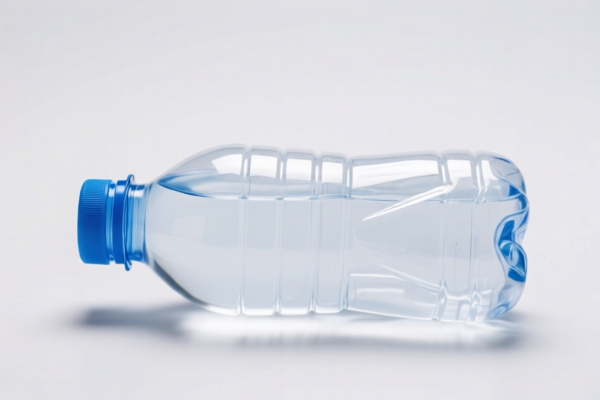
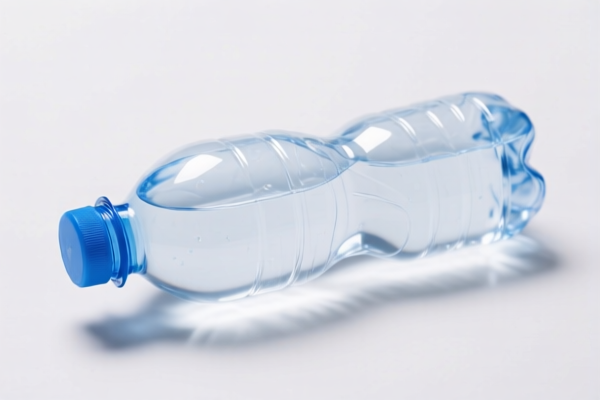
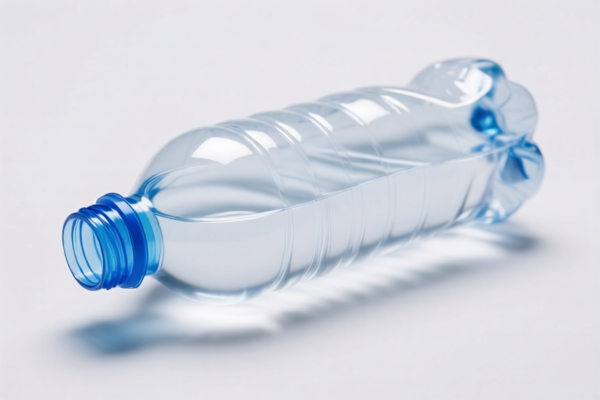
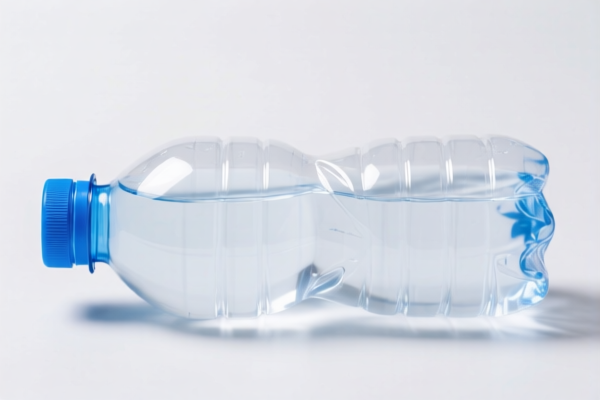
AI Analysis
🧴 Empty Plastic Bottles (Plastic Containers & Hygiene Items)
🌐 HS Code Reference & Customs Clearance Guide | 2024/2025 Latest Tariff Analysis | Professional Entry Strategy
📌 I. Product Definition & Classification: Are You Shipping "Drugs" or "Cosmetics"?
Empty plastic bottles are generic containers, but their intended use and final destination determine their HS Code classification in the US. They are primarily split into two categories:
- General Packaging Bottles (
3923.30): Used for food, chemicals, cosmetics, or general liquids. These are considered "articles for the conveyance or packing of goods." - Personal Care/Hygiene Items (
3924.10&3924.90): Bottles specifically designed for toilets, hygiene, or bathroom use (e.g., shampoo bottles, soap dispensers, cosmetic jars).
⚠️ Key Distinction Point:
- If the bottle is generic (cylindrical, screw-top, no branding) and intended for general packing →3923.30
- If the bottle is shaped specifically for bathroom/hygiene use (e.g., pump bottles, toilet brushes, cosmetic compacts) →3924.10or3924.90
- Warning: Misclassifying a generic bottle as a "hygiene item" to get a lower base tax can lead to severe penalties if Customs determines it is intended for general commercial packing.
📦 II. HS Code Classification Details (Latest Tariff Authority Comparison)
| HS Code | Product Description | Application Scenario | Base Tax Rate |
|---|---|---|---|
3923.30.00.10 |
Plastic bottles, articles for the conveyance or packing of goods | Generic packaging bottles for food, chemicals, liquids | 3.0% |
3923.30.00.90 |
Plastic bottles, articles for conveyance/packing (other than 10) |
Non-generic shapes, specialized plastic bottles not elsewhere specified | 3.0% |
3924.10.40.00 |
Sanitary or toilet ware of plastics, including cosmetic bottles | Bathroom-specific items, shampoo bottles, cosmetic jars | 3.4% |
3924.90.56.50 |
Other household or sanitary ware of plastics (e.g., trays, jars) | General household plastic containers, non-bottle hygiene items | 3.4% |
🔍 Key Reminder:
- All "Bottles" (3923.30) are subject to the highest additional tariffs in this dataset.
- "Sanitary/Toilet Ware" (3924) may have slightly different base rates but still incur the 122 Clause tax.
- Do NOT split a shipment of identical bottles into different HS codes to save tax; this is considered fraud.
💰 III. 2024/2025 Latest Tariff Rate Breakdown (Including Surcharges)
✅ Applicable Country: United States (US)
✅ Country of Origin: China (CN)
✅ Effective Date: Current rates apply (including Section 301 and Section 122 measures)
🎯 1. 3923.30.00.90 & 3923.30.00.10 —— Plastic Bottles (General Packaging)
| Item | Content |
|---|---|
| Base Tax Rate | 3.0% |
| Section 301 Surcharge | +25.0% (From USITC Footnote 9903.30.00) |
| Section 122 Clause Tax | +10.0% (Specific administrative tax on certain goods) |
| Total Tax Rate | 38.0% |
| Tax Calculation | CIF Value × 38% |
| De Minimis Exemption | ❌ Not Eligible (Deny De Minimis) |
| Legal Path | HTS:3923.30.00 → SECTION_301:25% → SECTION_122:10% |
📌 Explanation:
- 3.0% is the standard Most Favored Nation (MFN) rate for plastic articles for packing.
- 25% is the heavy "Section 301" tariff targeting Chinese plastics/packaging.
- 10% is the additional Section 122 tax, often applied to goods that might otherwise flow through de minimis or other loopholes, or specific administrative measures.
- Total 38% is VERY HIGH. This is the most expensive category in this dataset.
🎯 2. 3924.10.40.00 —— Sanitary/Toilet Ware (e.g., Cosmetic Bottles)
| Item | Content |
|---|---|
| Base Tax Rate | 3.4% |
| Section 301 Surcharge | 0.0% (Specific exemption or lower classification for certain hygiene items?) |
| Section 122 Clause Tax | +10.0% |
| Total Tax Rate | 13.4% |
| Tax Calculation | CIF Value × 13.4% |
| De Minimis Exemption | ❌ Not Eligible (Deny De Minimis) |
| Legal Path | HTS:3924.10.40 → SECTION_122:10% |
📌 Note:
- This category offers a massive tax advantage (13.4% vs. 38.0%).
- However, it only applies if the bottles are clearly defined as sanitary or toilet ware (e.g., intended for bathroom use, cosmetic storage in a sanitary context).
- Risk: If Customs determines these are generic bottles being shipped to a cosmetic company for general packing, they will reclassify them to3923.30and charge 38% + penalties.
🎯 3. 3924.90.56.50 —— Other Household/Sanitary Plastic Ware
| Item | Content |
|---|---|
| Base Tax Rate | 3.4% |
| Section 301 Surcharge | +7.5% |
| Section 122 Clause Tax | +10.0% |
| Total Tax Rate | 20.9% |
| Tax Calculation | CIF Value × 20.9% |
| De Minimis Exemption | ❌ Not Eligible |
| Legal Path | HTS:3924.90.56 → SECTION_301:7.5% → SECTION_122:10% |
📌 Note:
- This is a "catch-all" for other plastic household items.
- It includes a partial Section 301 surcharge (7.5%) unlike the 0% in3924.10.
- Suitable for non-bottle hygiene items (e.g., plastic trays, jars, non-bottle containers).
🛠️ IV. Customs Clearance Practical Advice (Real-World Pitfall Guide)
✅ 1. Documentation Checklist (Non-Negotiable)
| Document | Required? | Description |
|---|---|---|
| ✅ Product Specification | ✔️ | Must detail material (PE, PP, PET), capacity, closure type, and intended use. |
| ✅ Photos (Clear & Labeled) | ✔️ | Show the bottle shape, neck finish, and any labeling. No generic "bottle" photos. |
| ✅ Commercial Invoice | ✔️ | Must accurately describe the item as "Plastic Bottles for [Specific Use]" or "Sanitary Plastic Ware." |
| ✅ Packing List | ✔️ | Detail quantity, weight, and dimensions. |
| ✅ Usage Declaration | ✔️ | Critical! If claiming 3924.10, provide a letter stating the bottles are for sanitary/toilet/cosmetic bathroom use. |
✅ 2. Classification Strategy (Key Rules)
🔥 “Shape Defines Use, Use Defines Tax!”
| Situation | Correct HS Code | Why? |
|---|---|---|
| Generic cylindrical bottles for water/chemicals | 3923.30.00.90/10 |
Standard packaging article. High tax (38%). |
| Shampoo bottles with pumps (for bathroom) | 3924.10.40.00 |
Defined as sanitary/toilet ware. Lower tax (13.4%). |
| Cosmetic jars for cream (bathroom use) | 3924.10.40.00 |
Considered sanitary/cosmetic ware. Lower tax (13.4%). |
| Plastic trays or non-bottle containers | 3924.90.56.50 |
Other household sanitary ware. Medium tax (20.9%). |
| Bottles with no specific shape (generic) | 3923.30.00.90 |
Cannot claim hygiene status without specific design/use proof. |
📌 Warning:
- Do NOT declare generic bottles as "cosmetic bottles" just to get 13.4%. If the buyer is a factory packing industrial chemicals, Customs will reject this.
- Ensure the End User and Product Function align with the HS Code description.
✅ 3. Special Cases
| Situation | Handling Advice |
|---|---|
| OEM Bottles with Branding | If branded for a specific cosmetic brand, provide the brand authorization letter and product catalog showing it is for cosmetic/hygiene use. |
| Mixed Shipment (Bottles + Caps) | Declare as a set if packed together. If separate, declare separately. Caps usually follow the bottle classification. |
| Sample Shipments | Still subject to taxes. Do not use "Gift" or "Sample" to avoid classification; the HS Code remains the same. |
🌍 V. Global Market Comparison (2024/2025)
| Country/Region | Recommended HS Code | Tax Rate | Certification | Notes |
|---|---|---|---|---|
| 🇺🇸 USA | 3923.30 or 3924.10 |
13.4% - 38% | FDA (if food contact) | High surcharges. 122 Clause applies. |
| 🇨🇳 China | 3923.30 or 3924.10 |
0% - 6% | N/A | No additional US tariffs. |
| 🇪🇺 EU | 3923.30 or 3924.10 |
0% - 4.5% | CE (if applicable) | No Section 301 or 122. |
| 🇬🇧 UK | 3923.30 or 3924.10 |
0% - 4.5% | UKCA | Post-Brexit rules apply. |
| 🇯🇵 Japan | 3923.30 or 3924.10 |
0% - 3% | PSE (if electrical) | Low base taxes. |
📌 Conclusion:
- The US is the only market with punitive additional tariffs (301 + 122).
- Strategy: If possible, structure your product as sanitary/cosmetic ware (3924.10) rather than generic packaging (3923.30) to save 24.6% in tariffs.
- Documentation is Key: You must prove the "sanitary/cosmetic" intent.
📌 VI. Common Mistakes & Pitfalls (Blood & Tears Lessons)
❌ Mistake 1: Declaring cosmetic bottles as "Plastic Packaging Articles" (3923.30)
👉 Consequence: You pay 38% instead of 13.4%. You lost 24.6% unnecessarily!
👉 Fix: Declare as 3924.10.40.00 with proper "cosmetic/sanitary" description.
❌ Mistake 2: Declaring generic water bottles as "Sanitary Ware" (3924.10)
👉 Consequence: Customs reclassifies to 3923.30, charges 38%, plus penalties for misdeclaration.
👉 Fix: Only use 3924 for items clearly intended for bathroom/hygiene use.
❌ Mistake 3: Ignoring the 122 Clause
👉 Consequence: Even if you get a low base rate, forgetting the 10% 122 tax leads to underpayment.
👉 Fix: Always add 10% for Section 122 on plastic goods from China.
❌ Mistake 4: Using "De Minimis" ($800) to avoid tax
👉 Consequence: Not allowed for these HS codes from China. All shipments are subject to tax.
👉 Fix: Plan for full tax payment. Do not split shipments to bypass.
🎯 VII. Conclusion: Smart Classification Saves Millions!
🎯 Remember the Mantra:
🔹 "Cosmetic/Sanitary = 13.4% (Save Big!)"
🔹 "Generic Packaging = 38.0% (Pay More!)"
🔹 "122 Clause is Always On (+10%)"
🔹 "Prove Your Use to Save Your Money!"
📌 Pro Tip:
- If you are shipping shampoo bottles, lotion jars, or cosmetic containers, always classify under 3924.10.40.00.
- Provide photos and catalogues showing these items are for bathroom/cosmetic use.
- This simple switch can save you ~25% in total duties.
📣 Immediate Action:
📞 Consult a Customs Broker to review your product photos.
📄 Prepare a "Use Declaration" for cosmetic/sanitary items.
🚀 Optimize Your HS Code to minimize tax burden while staying compliant!
✨ Precision in Classification, Profit in Clearance!
💼 Don't let 25% tariffs eat your margin. Classify Smart!
Customer Reviews
About HS Code Classification
The Harmonized System (HS) is an internationally standardized nomenclature developed by the World Customs Organization (WCO) to classify traded products. Over 200 countries use the HS system as the basis for customs tariffs, trade statistics, and import/export regulations.
Each HS code follows a hierarchical structure:
- Chapter (2 digits) — Broad category of goods (e.g., Chapter 84: Machinery and Mechanical Appliances)
- Heading (4 digits) — More specific grouping within the chapter
- Subheading (6 digits) — Internationally standardized breakdown, used by all WCO member countries
- National subdivisions (8-10 digits) — Country-specific extensions for further classification, such as US HTSUS 10-digit codes
Correct HS code classification is essential for smooth customs clearance, accurate duty payment, and compliance with trade regulations. Misclassification can lead to customs delays, overpayment of duties, or penalties.
When importing from CN to US, the applicable tariff rates may include:
- Most-Favored-Nation (MFN) rate — The standard duty rate applied to WTO members
- General rate — Applied to countries without trade agreements
- Trade remedy duties — Additional tariffs such as Section 301 (anti-dumping), Section 232 (national security), or countervailing duties
The information provided on this page is for reference purposes only. For official classification, please consult with your local customs authority or a licensed customs broker.