engine cover
CN → US| HS Code | Tariff Rate | Origin | Destination | Doc |
|---|---|---|---|---|
| 8607991000 | 37.8% | CN | US | Official Doc |
| 7308909590 | 85.0% | CN | US | Official Doc |
| 7308305050 | 85.0% | CN | US | Official Doc |
| 3926909940 | 22.8% | CN | US | Official Doc |
| 8907900060 | 17.5% | CN | US | Official Doc |
| 8708295160 | 0.0% | CN | US | Official Doc |
Product Images
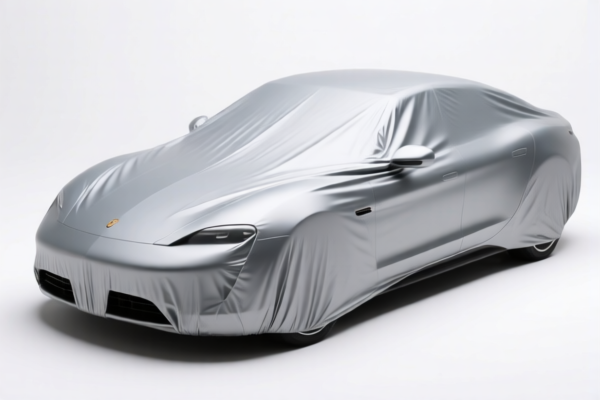
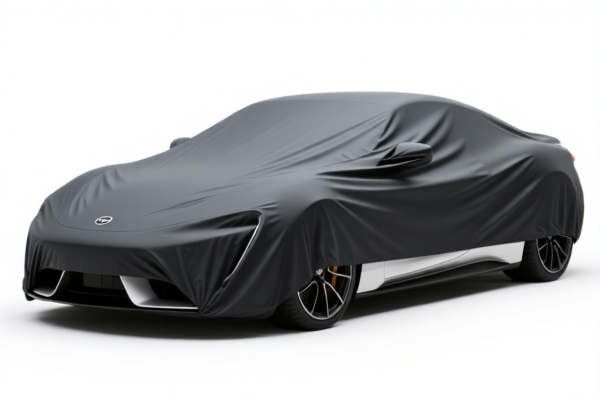
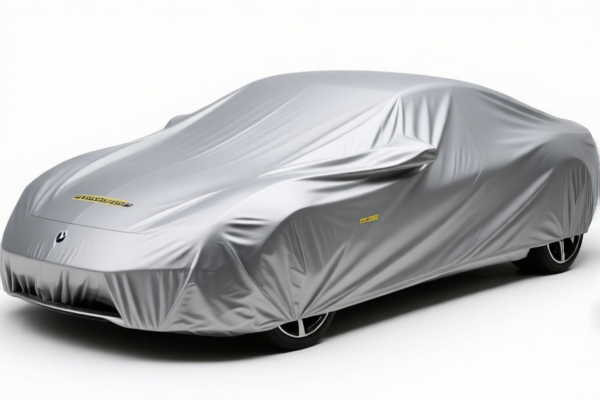
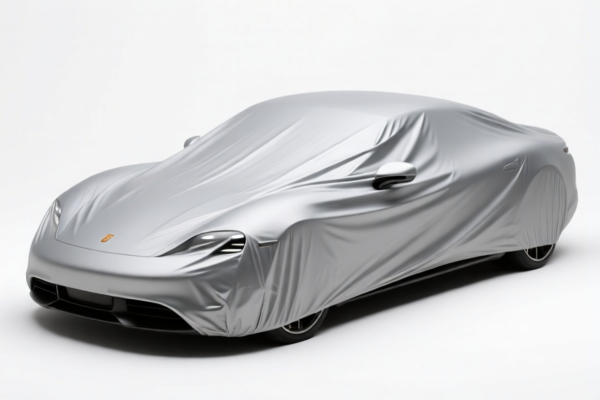
AI Analysis
🚗 Engine Cover (Covers for Vehicles)
🌐 HS Code Reference & Customs Clearance Guide | 2026 Latest Tariff Analysis | Professional Entry Strategy
📌 I. Product Definition & Classification: Do You Really Understand "Engine Covers"?
An engine cover is a structural or protective component used to enclose the engine compartment. It serves aesthetic, acoustic insulation, and thermal protection purposes. In international trade, classification depends heavily on the material, application context (Rail, Road, Marine), and structural nature.
Key Classification Divergence: 1. Vehicle Parts (Road/Rail): If it is a specific accessory for automobiles or trains, it falls under vehicle parts chapters (87 or 86). 2. Structural Steel Parts: If it is a large, fabricated steel structure, it may fall under structural works (7308). 3. Other Materials: If made of plastic or other non-metallic materials, it falls under respective material chapters (39).
⚠️ Critical Distinction Point:
- If it is a standard automotive part (e.g., plastic cover for a car engine) → Chapter 87
- If it is a railway vehicle part → Chapter 86
- If it is a generic steel structure (not specific to a vehicle’s functional assembly) → Chapter 73
- If it is a plastic cover → Chapter 39
📦 II. HS Code Classification Details (2026 Latest Tariff Authority对照)
| HS Code | Product Description | Application Scenario | Material/Context | Tax Rate Total |
|---|---|---|---|---|
8708.29.51.60 |
Body Parts for Motor Vehicles (Engine Cover as Vehicle Accessory) | Standard automotive engine covers; "parts of structures" for cars/trucks | Steel/Metal (Implied by high tax) | 87.5% |
8607.99.10.00 |
Parts of Rail Vehicles (Engine Cover for Trains) | Covers for locomotives or railway carriages; excludes brake regulators | General Rail Part | 37.8% |
7308.90.95.90 |
Other Structural Works (Steel) | Large steel covers, architectural/engine bay structures; generic structural component | Steel | 85.0% |
7308.30.50.50 |
Other Structures and Parts Thereof (Steel) | Steel framework/coverings; generic steel structural parts | Steel | 85.0% |
3926.90.99.40 |
Other Plastic Articles | Plastic engine covers, non-metallic structural lids | Plastic | 22.8% |
8907.90.00.60 |
Other Floating Structures | Covers for marine tanks or floating vessels; structural parts for ships | General Marine Structure | 17.5% |
🔍 Key Reminder:
- 8708.29.51.60 is the most common for automotive engine covers but carries the highest duty due to steel classification and additional tariffs.
- 8607.99.10.00 applies specifically to railway applications, avoiding the high steel structural tariffs.
- 3926.90.99.40 is the optimal choice if the cover is plastic, significantly reducing duty costs.
💰 III. 2026 Latest Tariff Rate Breakdown (Including Surtaxes & Policy Add-ons)
✅ Applicable Country: USA (US)
✅ Origin: China (CN)
✅ Effective Date: Post-November 10, 2025 (Includes subsequent imports)
🎯 1. 8708.29.51.60 —— Body Parts for Motor Vehicles (Steel)
| Item | Content |
|---|---|
| Base Duty | 2.5% (ad valorem) |
| Section 301 Surcharge | +25% (USITC Footnote 9903.88.01) |
| Section 122 Tariff | +10% (Targeting Chinese/US relations) |
| Steel/Aluminum/Copper Surcharge | +50% (Section 232 for steel products) |
| Total Duty Rate | 87.5% |
| Tax Calculation | CIF Value × 87.5% |
| De Minimis Eligibility | ❌ No (deny_de_minimis) |
| Legal Basis Path | USITC:8708.29.51.60 → SECTION301:9903.88.01 → SECTION122 → SECTION232 |
📌 Explanation:
- This code incurs the highest combined tariff due to the 50% steel surcharge (Section 232) + 25% Section 301 + 10% Section 122.
- Even if the cover is thin or plastic-coated, if classified as "steel," the 50% surcharge applies.
- Cost Impact: For a $10,000 shipment, duty alone is $8,750.
🎯 2. 8607.99.10.00 —— Parts of Rail Vehicles
| Item | Content |
|---|---|
| Base Duty | 2.8% (ad valorem) |
| Section 301 Surcharge | +25% |
| Section 122 Tariff | +10% |
| Total Duty Rate | 37.8% |
| Tax Calculation | CIF Value × 37.8% |
| De Minimis Eligibility | ❌ No |
| Legal Basis Path | USITC:8607.99.10.00 → SECTION301 → SECTION122 |
📌 Explanation:
- Lower base duty (2.8%) and no Section 232 steel surcharge (as it’s classified as a rail part, not general structural steel).
- Still subject to Section 301 and 122 tariffs.
🎯 3. 7308.90.95.90 & 7308.30.50.50 —— Structural Steel Works
| Item | Content |
|---|---|
| Base Duty | 0.0% |
| Section 301 Surcharge | +25% |
| Section 122 Tariff | +10% |
| Steel/Aluminum/Copper Surcharge | +50% |
| Total Duty Rate | 85.0% |
| Tax Calculation | CIF Value × 85.0% |
| De Minimis Eligibility | ❌ No |
| Legal Basis Path | USITC:7308.90.95.90 → SECTION301 → SECTION122 → SECTION232 |
📌 Explanation:
- Despite 0% base duty, the 50% steel surcharge makes this prohibitively expensive.
- Only suitable if Section 232 exemption applies (e.g., certain alloy steel types), but generally high risk.
🎯 4. 3926.90.99.40 —— Plastic Engine Covers
| Item | Content |
|---|---|
| Base Duty | 5.3% |
| Section 301 Surcharge | +7.5% |
| Section 122 Tariff | +10% |
| Total Duty Rate | 22.8% |
| Tax Calculation | CIF Value × 22.8% |
| De Minimis Eligibility | ❌ No |
| Legal Basis Path | USITC:3926.90.99.40 → SECTION301 → SECTION122 |
📌 Explanation:
- Lowest duty rate among all options.
- No Section 232 steel surcharge.
- Optimal for plastic covers. Ensure material is clearly declared as Plastic (PET, PP, ABS, etc.).
🎯 5. 8907.90.00.60 —— Marine Floating Structures
| Item | Content |
|---|---|
| Base Duty | 0.0% |
| Section 301 Surcharge | +7.5% |
| Section 122 Tariff | +10% |
| Total Duty Rate | 17.5% |
| Tax Calculation | CIF Value × 17.5% |
| De Minimis Eligibility | ❌ No |
| Legal Basis Path | USITC:8907.90.00.60 → SECTION301 → SECTION122 |
📌 Explanation:
- Low duty if the cover is specifically for marine/tank structures.
- Misclassification risk if used for land vehicles.
🛠️ IV. Customs Clearance Practical Advice (Battle-Tested Pitfall Guide)
✅ 1. Required Documentation Checklist (All Must Be Provided)
| Document | Required | Description |
|---|---|---|
| ✅ Product Specification Sheet | ✔️ | Material type (Steel/Plastic), Dimensions, Weight, Application (Car/Train/Marine) |
| ✅ Material Declaration | ✔️ | Critical: Must specify "Steel," "Plastic," or "Alloy." Vague descriptions lead to high duties. |
| ✅ Product Photos | ✔️ | Clear images showing shape, mounting points, and material texture. |
| ✅ Commercial Invoice | ✔️ | Must match HS Code description (e.g., "Plastic Engine Cover for Automotive Use") |
| ✅ Packing List | ✔️ | Detailed weight and dimensions. |
| ✅ OEM/Design Drawings | ✔️ | To prove specific vehicle compatibility (for 8708/8607 classification) |
✅ 2. Declaration Strategy (Key Mantra)
🔥 “Material Defines Duty, Application Defines Code!”
| Scenario | Correct Declaration | Wrong Action | Consequence |
|---|---|---|---|
| Plastic Car Cover | 3926.90.99.40 |
Declare as "Metal Part" | +50% Steel Surcharge → 87.5% vs 22.8% |
| Steel Car Cover | 8708.29.51.60 |
Declare as "General Structure" | High duty, but correct for auto parts |
| Train Cover | 8607.99.10.00 |
Declare as "Car Part" | Misclassification → Penalties + High Duty |
| Marine Cover | 8907.90.00.60 |
Declare as "Steel Structure" | Missed low-duty opportunity |
✅ 3. Special Case Handling
| Situation | Handling Advice |
|---|---|
| Composite Material (Steel Frame + Plastic Shell) | Declare based on essential character. If plastic dominates, argue for 3926. If steel frame is essential, 8708 applies. Consult Ruling. |
| Customs Audit Risk | Provide material test reports (e.g., ASTM for plastics, steel grade certificates). |
| Section 232 Exemption | If using non-listed steel alloys, apply for exemption with technical data. |
| De Minimis (Section 321) | ❌ Not Applicable for these HS Codes. All shipments subject to full duty. |
🌍 V. Global Market Comparison (2026 Latest)
| Country/Region | Recommended HS Code | Duty Rate | Certification | Notes |
|---|---|---|---|---|
| 🇺🇸 USA | 3926.90.99.40 (Plastic) |
22.8% | FCC/UL (if electronic) | Lowest duty option |
| 🇺🇸 USA | 8708.29.51.60 (Steel) |
87.5% | DOT/SFI | Highest duty |
| 🇪🇺 EU | 8708.29.95 (Steel) |
~4.5% | ECE R10 (EMC) | No Section 301/232 |
| 🇨🇳 China | 8708.29.99 |
~10% | CCC | Base duty lower |
📌 Conclusion:
- USA imposes massive tariffs on steel automotive parts.
- Plastic covers are the most cost-effective for US entry.
- Rail/Marine covers have moderate duties but require strict application proof.
📌 VI. Common Mistakes & Pitfalls (Blood Lessons)
❌ Mistake 1: Declaring a plastic cover as "Metal Part"
👉 Consequence: +50% Steel Surcharge → Duty jumps from 22.8% to 87.5%.
❌ Mistake 2: Using vague terms like "Car Accessory"
👉 Consequence: Customs assigns default HS Code → Likely 8708 (Steel) → 87.5% Duty.
❌ Mistake 3: Ignoring Section 122 (10%)
👉 Consequence: Underestimating total cost by 10% → Cash flow issues.
❌ Mistake 4: Claiming De Minimis for shipments under $800
👉 Consequence: Denied. All these HS Codes are excluded from Section 321.
✅ Correct Approach:
"Engine Cover, Model XYZ, Material: Polypropylene (Plastic), for Automotive Use, UN2635 Compatible"
➡️ HS Code: 3926.90.99.40
🎯 VII. Conclusion: Professional Declaration, Save Costs!
🎯 Remember the Mantra:
🔹 "Plastic = 22.8% | Steel Auto = 87.5% | Steel Structure = 85% | Rail = 37.8%"
🔹 "Declare Material Accurately, Avoid Steel Trap!"
📌 Pro Tip:
- If your product is steel, explore Section 232 Exemptions or Supply Chain Diversification (e.g., manufacturing in Mexico/Vietnam for US entry).
- For plastic covers, ensure material percentage is clearly stated in invoices to justify 3926.
📣 Immediate Action:
📞 Contact Customs Broker + Provide Material Test Report + Apply for Advance Ruling
🚀 Optimize Duty, Ensure Compliance, Maximize Profit!
✨ Professional Customs Clearance Starts with Precise Classification!
💼 Every Cent Saved is Pure Profit!
Customer Reviews
About HS Code Classification
The Harmonized System (HS) is an internationally standardized nomenclature developed by the World Customs Organization (WCO) to classify traded products. Over 200 countries use the HS system as the basis for customs tariffs, trade statistics, and import/export regulations.
Each HS code follows a hierarchical structure:
- Chapter (2 digits) — Broad category of goods (e.g., Chapter 84: Machinery and Mechanical Appliances)
- Heading (4 digits) — More specific grouping within the chapter
- Subheading (6 digits) — Internationally standardized breakdown, used by all WCO member countries
- National subdivisions (8-10 digits) — Country-specific extensions for further classification, such as US HTSUS 10-digit codes
Correct HS code classification is essential for smooth customs clearance, accurate duty payment, and compliance with trade regulations. Misclassification can lead to customs delays, overpayment of duties, or penalties.
When importing from CN to US, the applicable tariff rates may include:
- Most-Favored-Nation (MFN) rate — The standard duty rate applied to WTO members
- General rate — Applied to countries without trade agreements
- Trade remedy duties — Additional tariffs such as Section 301 (anti-dumping), Section 232 (national security), or countervailing duties
The information provided on this page is for reference purposes only. For official classification, please consult with your local customs authority or a licensed customs broker.