engraving machine
CN → US| HS Code | Tariff Rate | Origin | Destination | Doc |
|---|---|---|---|---|
| 8479300000 | 35.0% | CN | US | Official Doc |
| 8465920003 | 38.0% | CN | US | Official Doc |
| 8479899595 | 37.5% | CN | US | Official Doc |
| 8479899599 | 87.5% | CN | US | Official Doc |
| 8456111010 | 38.5% | CN | US | Official Doc |
Product Images
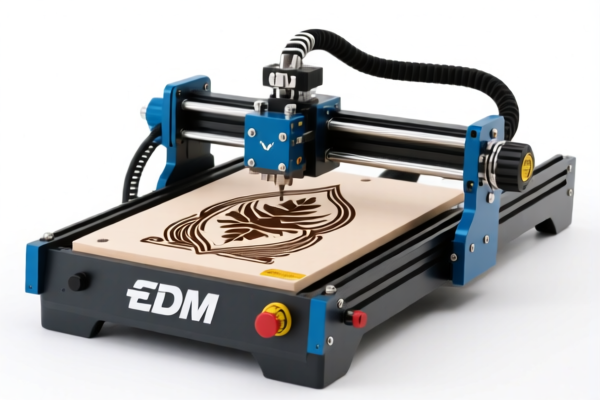
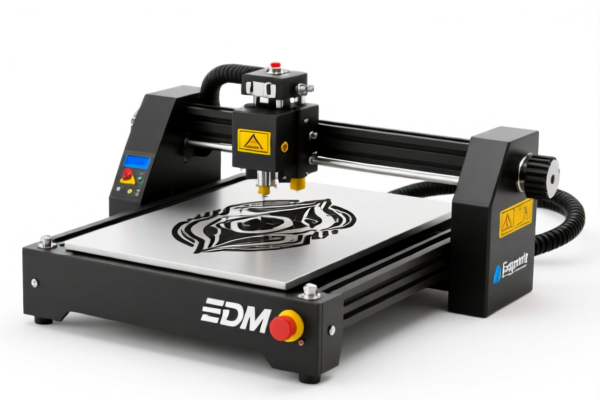
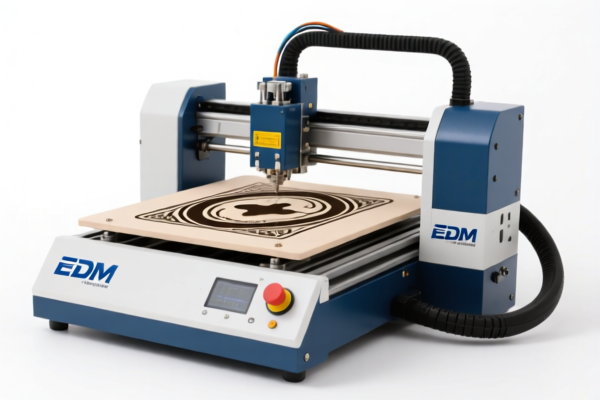
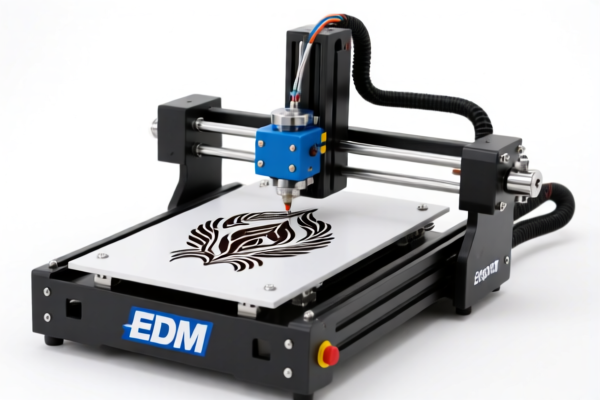
AI Analysis
🪵 Engraving Machines: The Ultimate HS Code & Tariff Strategy Guide (2026 Update)
🌐 HS Code Reference & Customs Clearance Guide | 2026 Latest Tariff Analysis | Professional-Level Entry Strategy
📌 I. Product Definition & Classification: Do You Really Understand "Engraving Machines"?
Engraving machines are critical industrial equipment for precision machining, widely used in woodworking, metal processing, and signage industries. In international trade, they are broadly categorized based on their driving mechanism and specific application:
- Mechanical/CNC Wood Engraving Machines: Devices that use rotating cutters (milling bits) to remove material. These fall under machinery chapters (Chapter 84).
- Laser Engraving Machines: Devices that use high-energy laser beams to ablate or mark materials. These also fall under Chapter 84 but have distinct subheadings based on functionality.
⚠️ Key Distinction Point:
- If the machine performs milling/routing operations (physical cutting via rotating tool) → Classified under 8465 or 8479.
- If the machine performs laser ablation/marking → Classified under 8456 or 8479.
- Note: Many "All-in-One" machines or generic industrial units may fall under the "Machines with Individual Function" category (8479), which has varying tariff implications.
📦 II. HS Code Classification Details (2026 Latest Tariff Authority对照)
Below are the five most relevant HS Codes for Engraving Machines, as per your provided data. Each has a unique tariff structure due to different functional interpretations.
| HS Code | Product Description | Application Scenario | Key Feature |
|---|---|---|---|
8479.30.00.00 |
Wood Carving Engraving Machine | Dedicated wood processing, furniture making | Specific for wood carving; separate classification from general machinery. |
8465.92.00.03 |
Wood Engraving Machine (Category: Mold Milling Machines) | Fits under "Machines for working wood, cork, bone, etc." | Classified as a type of milling/mold machine. |
8479.89.95.95 |
Wood Engraving Machine (Individual Function Mechanical Device) | General industrial use, multi-purpose | "Catch-all" for machines with independent functions not elsewhere specified. |
8479.89.95.99 |
Laser Engraving Machine (Individual Function) | Metal, plastic, or general laser marking/cutting | Specifically for laser devices with independent functions; High Tariff Risk. |
8456.11.10.10 |
Laser Engraving Machine (Laser Operation & Metal Processing) | Precise metal engraving/cutting | Specifically for laser machines used for metal processing. |
🔍 Critical Reminder:
- Wood vs. Laser: Do not confuse mechanical wood engravers with laser engravers. Misclassification can lead to massive tariff differences (e.g., 35% vs. 87.5%).
- "Individual Function" vs. Specific Function: If your machine is specifically designed for wood carving,8479.30.00.00or8465.92.00.03may be more accurate than the generic8479.89...codes.
- Laser Metal vs. Laser General: If your laser machine works on metal,8456.11.10.10is the precise code. If it’s general-purpose,8479.89.95.99applies but carries a punitive tariff.
💰 III. 2026 Latest Tariff Rate Breakdown (Including Additional Taxes & Policy Surcharges)
✅ Applicable Country: United States (US)
✅ Country of Origin: China (CN)
✅ Effective Time: 2025/2026 (Current Trade War Policies)
🎯 1. 8479.30.00.00 – Wood Carving Engraving Machine
| Item | Detail |
|---|---|
| Base Tariff | 0.0% |
| USITC Additional Tariff (Section 301) | +25.0% |
| IEEPA Additional Tariff (Section 122/Other) | +10.0% |
| Total Effective Rate | 35.0% |
| Calculation Basis | CIF Value × 35% |
| De Minimis Exemption | ❌ NOT APPLICABLE (Deny de_minimis) |
| Legal Basis Path | USITC:8479.30.00.00 → FOOTNOTE:Section301 → IEEPA:Section122 |
📌 Explanation:
- This is the most favorable code for dedicated wood carving machines.
- While the base tariff is 0%, the 35% total includes the 25% Section 301 tariff and a 10% additional surcharge.
- Risk: Low if the machine is strictly for wood. High if it can also cut acrylic or metal (which might trigger other codes).
🎯 2. 8465.92.00.03 – Wood Engraving Machine (Mold Milling Category)
| Item | Detail |
|---|---|
| Base Tariff | 3.0% |
| USITC Additional Tariff (Section 301) | +25.0% |
| IEEPA Additional Tariff (Section 122/Other) | +10.0% |
| Total Effective Rate | 38.0% |
| Calculation Basis | CIF Value × 38% |
| De Minimis Exemption | ❌ NOT APPLICABLE |
| Legal Basis Path | USITC:8465.92.00.03 → FOOTNOTE:Section301 → IEEPA:Section122 |
📌 Explanation:
- Slightly higher than8479.30.00.00due to the 3% base tariff.
- Suitable if the machine is classified under "Machines for Working Wood" (Chapter 84, Heading 8465) rather than "General Purpose Machinery."
- Recommendation: Only use if customs experts confirm it fits the "Mold Milling" definition better than the dedicated wood carving code.
🎯 3. 8479.89.95.95 – Wood Engraving Machine (Individual Function)
| Item | Detail |
|---|---|
| Base Tariff | 2.5% |
| USITC Additional Tariff (Section 301) | +25.0% |
| IEEPA Additional Tariff (Section 122/Other) | +10.0% |
| Total Effective Rate | 37.5% |
| Calculation Basis | CIF Value × 37.5% |
| De Minimis Exemption | ❌ NOT APPLICABLE |
| Legal Basis Path | USITC:8479.89.95.95 → FOOTNOTE:Section301 → IEEPA:Section122 |
📌 Explanation:
- This is a "General Purpose" fallback code.
- Useful if the machine is not exclusively for wood or if it has complex, multi-industrial applications.
- Caution: Customs may challenge this if the machine is clearly marketed as a "Wood Engraver," potentially leading to reclassification and penalties.
🎯 4. 8479.89.95.99 – Laser Engraving Machine (Individual Function) ⚠️ HIGH RISK
| Item | Detail |
|---|---|
| Base Tariff | 2.5% |
| USITC Additional Tariff (Section 301) | +25.0% |
| IEEPA Additional Tariff (Section 122/Other) | +10.0% |
| Steel/Aluminum/Copper Product Surcharge | +50.0% (If applicable to components/materials processed) |
| Total Effective Rate | 87.5% (Base + 25% + 10% = 37.5%; +50% for steel/al/cu items = 87.5%) |
| Calculation Basis | CIF Value × 87.5% (Worst Case) |
| De Minimis Exemption | ❌ NOT APPLICABLE |
| Legal Basis Path | USITC:8479.89.95.99 → FOOTNOTE:Section301 → IEEPA:Section122 → Section232 |
📌 Explanation:
- DANGER ZONE: This code carries the highest tariff in the list.
- The 87.5% rate is driven by the 50% Section 232 Tariff on steel/aluminum/copper products if the machine processes or contains these materials.
- Recommendation: Avoid this code if possible. Use8456.11.10.10for laser machines if it fits the "Metal Processing" description, as it has a much lower rate (38.5%).
🎯 5. 8456.11.10.10 – Laser Engraving Machine (Laser Operation & Metal Processing)
| Item | Detail |
|---|---|
| Base Tariff | 3.5% |
| USITC Additional Tariff (Section 301) | +25.0% |
| IEEPA Additional Tariff (Section 122/Other) | +10.0% |
| Total Effective Rate | 38.5% |
| Calculation Basis | CIF Value × 38.5% |
| De Minimis Exemption | ❌ NOT APPLICABLE |
| Legal Basis Path | USITC:8456.11.10.10 → FOOTNOTE:Section301 → IEEPA:Section122 |
📌 Explanation:
- This is the best option for Laser Machines that process metal.
- It avoids the punitive 50% Section 232 surcharge because it is classified under "Laser Processing Machines" (8456) rather than "General Purpose Machines" (8479).
- Requirement: The machine must be demonstrably used for metal processing. If used only on wood/acrylic, this code may be rejected by customs.
🛠️ IV. Customs Clearance Practical Advice (Battle-Tested Pitfall Avoidance)
✅ 1. Required Documentation Checklist (Non-Negotiable)
| Document | Mandatory? | Description |
|---|---|---|
| ✅ Product Specification Sheet | ✔️ | Must detail: Power, Speed, Work Area, Material Compatibility (Wood/Metal/Laser). |
| ✅ Technical Drawing | ✔️ | Shows internal structure: Is it a milling head (mechanical) or laser tube (optical)? |
| ✅ Clear Product Photos | ✔️ | Label must show Model, Voltage, Frequency, and "Made in China." |
| ✅ Commercial Invoice | ✔️ | Must explicitly state: "Wood Carving Machine" OR "Laser Engraving Machine." Vague terms like "Engraver" are risky. |
| ✅ Packing List | ✔️ | Details net/gross weight and dimensions. |
| ✅ CE/FCC Certification | ✔️ | Essential for US market entry. |
| ✅ Letter of Function | ✔️ | From manufacturer stating primary use (e.g., "Primarily for wood, not metal"). |
✅ 2. Declaration Strategy (Key Mantras)
🔥 "Mechanical Wood = 8479.30; Laser Metal = 8456.11; Avoid 8479.99!"
| Scenario | Correct Declaration | Incorrect Declaration | Consequence |
|---|---|---|---|
| Wood CNC Router | 8479.30.00.00 - Wood Carving Machine |
8479.89.95.95 - General Machine |
Risk of reclassification & penalty. |
| Laser Metal Marker | 8456.11.10.10 - Laser Metal Processor |
8479.89.95.99 - General Laser |
Saves 49% tariff (38.5% vs 87.5%). |
| Hybrid Machine | Consult Customs Broker | Self-declare as 8479.30 |
High audit risk; may be denied. |
| Laser Acrylic Cutter | 8479.89.95.99 (No metal) |
8456.11.10.10 |
Misdeclaration; potential fraud charges. |
✅ 3. Special Handling for "Section 232" & "Section 301"
| Issue | Handling Strategy |
|---|---|
| Section 232 Tariff (Steel/Al/Cu +50%) | If your machine contains steel parts, ensure it is classified under 8456 (if laser) or 8479.30 (if wood). Avoid 8479.89.95.99 which triggers the 50% surcharge. |
| Section 301 Tariff (+25%) | Applies to almost all Chinese-made machinery. No exemption for engraving machines. Factor this into your pricing. |
| IEEPA +10% | New surcharge for Chinese goods. Budget for this 10% on top of the 25% Section 301. |
🌍 V. Global Market Comparison (2026)
| Market | Recommended HS Code | Est. Total Tariff | Key Certification |
|---|---|---|---|
| 🇺🇸 USA | 8479.30.00.00 (Wood) or 8456.11.10.10 (Laser/Metal) |
35% - 38.5% | FCC, UL |
| 🇪🇺 EU | 8465.92.00 / 8456.11 |
~4.5% - 5.5% | CE, RoHS |
| 🇨🇳 China | 8465.92 / 8456.11 |
5% - 10% | CCC |
| 🇬🇧 UK | 8465.92 / 8456.11 |
~5% - 6% | UKCA |
📌 Insight:
- The US market is the most expensive due to the 25% Section 301 + 10% IEEPA tariffs.
- The EU and UK have standard low tariffs but strict CE/UKCA compliance.
- Strategy: For US-bound laser machines, strictly avoid8479.89.95.99if possible. Use8456.11.10.10for metal applications to save 49% in duties.
📌 VI. Common Mistakes & Pitfalls (Lessons Learned)
❌ Mistake 1: Using 8479.89.95.99 for a standard wood CNC router.
👉 Result: Unnecessary complexity; better to use 8479.30.00.00 for a cleaner classification, though tariffs are similar (35% vs 37.5%).
❌ Mistake 2: Declaring a Laser Machine as 8479.89.95.99 when it processes metal.
👉 Result: Catastrophic. Tariff jumps from 38.5% to 87.5% due to the 50% Section 232 surcharge.
👉 Fix: Always declare laser metal machines as 8456.11.10.10.
❌ Mistake 3: Vague description "Engraving Machine" on Invoice.
👉 Result: Customs will select the highest possible duty rate or request reclassification, causing delays.
👉 Fix: Be specific: "CNC Wood Carving Machine" or "Fiber Laser Marking Machine for Metal."
✅ Correct Approach:
"Model XYZ, 3-Axis CNC Wood Engraving Machine, for Furniture Manufacturing, Voltage: 220V, Motor: 3kW."
🎯 VII. Conclusion: Precision in Classification Saves Thousands
🎯 Key Takeaway Mantra:
🔹 "Wood CNC? Use 8479.30 or 8465.92. Laser Metal? Use 8456.11. Avoid 8479.99 for Laser!"
🔹 "In the US, Tariffs are King. 35% is acceptable. 87.5% is a death sentence."
📌 Pro Tip:
If your machine is a hybrid (e.g., can cut wood AND metal), consult a customs broker before shipment. Misclassification can lead to back taxes, penalties, and seizure.
📣 Immediate Action:
📞 Contact a Licensed Customs Broker
📄 Prepare Detailed Technical Specs
🚀 Apply for Advance Ruling if Shipment Volume is High
✨ Professional Clearance Starts with Accurate Classification!
💼 Every Percent Saved is Pure Profit!
Customer Reviews
About HS Code Classification
The Harmonized System (HS) is an internationally standardized nomenclature developed by the World Customs Organization (WCO) to classify traded products. Over 200 countries use the HS system as the basis for customs tariffs, trade statistics, and import/export regulations.
Each HS code follows a hierarchical structure:
- Chapter (2 digits) — Broad category of goods (e.g., Chapter 84: Machinery and Mechanical Appliances)
- Heading (4 digits) — More specific grouping within the chapter
- Subheading (6 digits) — Internationally standardized breakdown, used by all WCO member countries
- National subdivisions (8-10 digits) — Country-specific extensions for further classification, such as US HTSUS 10-digit codes
Correct HS code classification is essential for smooth customs clearance, accurate duty payment, and compliance with trade regulations. Misclassification can lead to customs delays, overpayment of duties, or penalties.
When importing from CN to US, the applicable tariff rates may include:
- Most-Favored-Nation (MFN) rate — The standard duty rate applied to WTO members
- General rate — Applied to countries without trade agreements
- Trade remedy duties — Additional tariffs such as Section 301 (anti-dumping), Section 232 (national security), or countervailing duties
The information provided on this page is for reference purposes only. For official classification, please consult with your local customs authority or a licensed customs broker.