equine full grain hides, fancy leather
CN → US| HS Code | Tariff Rate | Origin | Destination | Doc |
|---|---|---|---|---|
| 4107118000 | 12.4% | CN | US | Official Doc |
| 4107113000 | 13.6% | CN | US | Official Doc |
| 4101501091 | 17.5% | CN | US | Official Doc |
| 4101901040 | 17.5% | CN | US | Official Doc |
| 4107113000 | 13.6% | CN | US | Official Doc |
Product Images
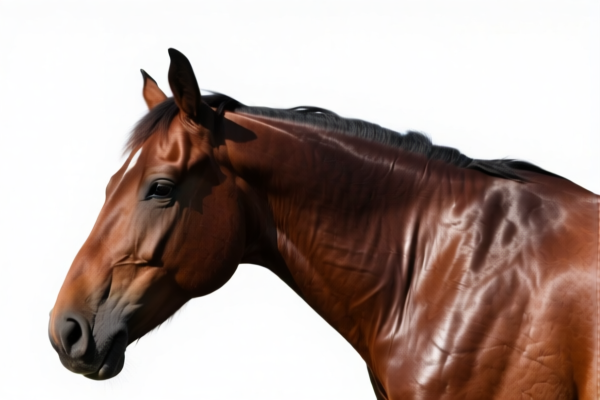
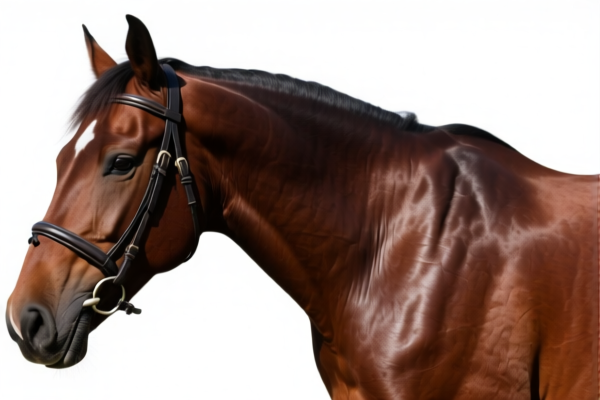
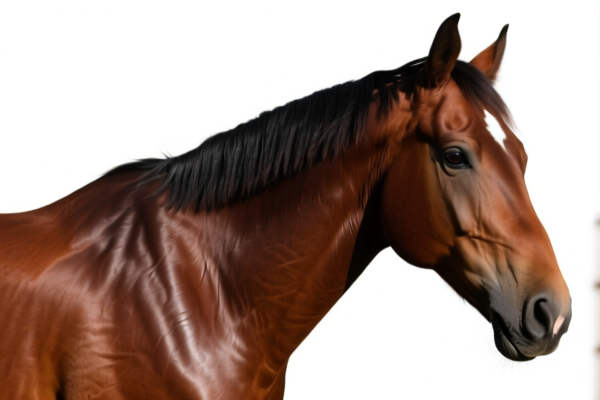
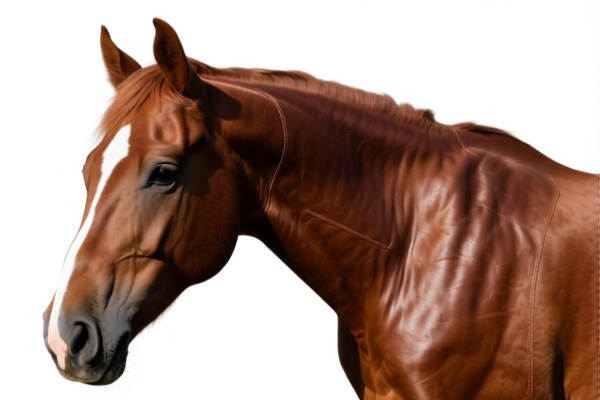
AI Analysis
🐎 Equine Full Grain Hides | Fancy Leather (Horse Hides)
🌐 HS Code Reference & Customs Clearance Guide | 2026 Latest Tariff Analysis | Professional Classification Strategy
📌 One, Product Definition & Classification: Do You Really Know "Fancy Horse Hides"?
Equine hides, specifically classified as "Full Grain" and "Fancy Leather," represent the premium segment of imported animal skins. In international trade, these are not just raw materials but high-value commodities used for luxury goods (handbags, shoes, high-end apparel).
The classification depends strictly on three key factors: 1. Preparation Status: Is it "Fully Tanned" (processed) or "Raw/Unprocessed"? 2. Structural Integrity: Is it "Split" (layered) or "Whole/Unsplit"? 3. Processing Type: Is it "Full Grain" (top layer retained) or just "Base Leather"?
⚠️ Critical Distinction Point:
- If the hide is raw/unprocessed (raw horsehide) → It falls under Chapter 41, Heading 4101.
- If the hide is fully tanned (finished leather) → It falls under Chapter 41, Heading 4107.
- "Fancy Leather" typically implies specific tanning/dyeing processes that may trigger higher base tariffs or specific 122 Clause requirements depending on the exact chemical treatment.
📦 Two, HS Code Classification Details (2026 Latest Tariff Authority Comparison)
| HS Code | Product Description | Application Scenario | Processing Status |
|---|---|---|---|
4107.11.80.00 |
Full grain horsehide, fancy leather, split or not | High-end luxury goods, full-grain finished leather | ✅ Fully Tanned, Full Grain |
4107.11.30.00 |
Full grain horsehide, fancy leather, unsplit | Premium leather goods, unsplit full grain leather | ✅ Fully Tanned, Unsplit |
4101.50.10.91 |
Raw horsehide, unsplit, full grain, non-prepared | Raw material sourcing, pre-tanning stage | ❌ Raw/Unprocessed |
4101.90.10.40 |
Raw horsehide, unsplit, non-finished | General raw hide, unprocessed for tanning | ❌ Raw/Unprocessed |
4107.11.30.00 |
Full grain horsehide, fancy, split category | Decorative or specific fancy processing | ✅ Fully Tanned, Split/Processed |
🔍 Key Reminder:
- Hides under4101are considered raw materials. They have high base tariffs due to trade protection policies. - Hides under4107are considered finished goods. They have lower base tariffs but are subject to specific "Fancy" processing definitions. - "Fancy Leather" often requires detailed chemical descriptions to prove the type of tanning (vegetable, chrome, etc.), affecting the final HS code selection within4107.11.
💰 Three, 2026 Latest Tariff Rate Detailed Analysis (Including Surtaxes, Policy Additions)
✅ Applicable Country: United States (US)
✅ Origin: China (CN)
✅ Effective Time: 2025/2026 Import Period
🎯 1. 4107.11.80.00 & 4107.11.30.00 —— Fully Tanned Fancy Horsehide
| Item | Content |
|---|---|
| Base Tariff | 3.6% (ad valorem) |
| Section 301 Surtax | +10% (USITC Footnote 9903.88.01 - Textile/Apparel Leather category) |
| Section 122 Tariff | +10% (Specific to certain leather products under IEEPA/US Trade Law) |
| Total Tax Rate | 13.6% |
| Tax Calculation | CIF Value × 13.6% |
| De Minimis Exemption | ❌ Not Available (Deny de minimis for China-origin leather) |
| Legal Basis Path | USITC:4107.11.x0.00 → SECTION_301:9903.88.01 → SECTION_122:IEEPA |
📌 Explanation:
- Although the base tariff is low (3.6%), the Section 301 and Section 122 surtaxes significantly increase the cost. - Section 122 is particularly critical for leather items; ensure your product documentation explicitly states "Fancy Leather" to avoid misclassification as raw hides (which have 0% base but 17.5% total, see below).
🎯 2. 4101.50.10.91 & 4101.90.10.40 —— Raw/Unprocessed Horsehide
| Item | Content |
|---|---|
| Base Tariff | 0.0% (ad valorem) |
| Section 301 Surtax | +7.5% (USITC Footnote for raw animal skins) |
| Section 122 Tariff | +10% (Applied to raw hides under specific trade restrictions) |
| Total Tax Rate | 17.5% |
| Tax Calculation | CIF Value × 17.5% |
| De Minimis Exemption | ❌ Not Available |
| Legal Basis Path | USITC:4101.xx.91.00 → SECTION_301:9903.88.01 → SECTION_122:IEEPA |
📌 Critical Warning:
- 0% Base Tariff is Misleading!
- The 17.5% total rate is HIGHER than the 13.6% rate for finished fancy leather. - Strategy: If you are exporting processed leather, ensure it is classified under4107(13.6%) rather than4101(17.5%). Do not ship partially processed hides as "raw" to avoid the higher total tax burden.
🛠️ Four, Customs Clearance Practical Advice (Real-World Pitfall Avoidance Guide)
✅ 1. Preparation Checklist (Missing Items = Delays)
| Document | Required | Explanation |
|---|---|---|
| ✅ Product Specification Sheet | ✔️ | Must detail: Species (Equine), Preparation (Tanned/Chrome), Finish (Full Grain/Fancy), Dimensions |
| ✅ Photos of Hides | ✔️ | Show surface texture, grain structure, and any side markings. Prove "Full Grain" (no sanding down). |
| ✅ Commercial Invoice | ✔️ | Clearly state "Horsehide, Fully Tanned, Full Grain, Fancy Leather" |
| ✅ Packing List | ✔️ | List weight, count, and packaging type (bales, crates). |
| ✅ Origin Certificate | ✔️ | Confirm Country of Origin to apply correct Section 301/122 rates. |
| ✅ Treatment Certificate | ✔️ | Proof of tanning process (Chrome-tanned, Vegetable-tanned) to distinguish from raw hides. |
✅ 2. Declaration Tips (Key Mantra)
🔥 “Processed is 4107, Raw is 4101. Fancy means 13.6%, Raw means 17.5%! Declare precisely!”
| Situation | Correct HS Code | Mistake to Avoid |
|---|---|---|
| Finished Fancy Leather | 4107.11.30.00 or 4107.11.80.00 |
Declaring as "Raw Hide" → 17.5% Tax (Higher!) |
| Raw Horsehide | 4101.50.10.91 or 4101.90.10.40 |
Declaring as "Finished Leather" → Customs Inspection Delay |
| Split Leather (Not Full Grain) | Different 4107 subheadings |
Calling it "Full Grain" → Fraud Penalty/Reclassification |
✅ 3. Special Case Handling
| Scenario | Handling Advice |
|---|---|
| "Fancy" Definition | Provide photos showing unique tanning effects (pull-up, aniline, etc.) to justify "Fancy" classification under 4107.11. |
| Mixed Shipments | If a container has both raw and finished hides, segregate and declare separately. Mixed declarations cause total seizure. |
| Sample Imports | Even samples are subject to 0% De Minimis Exemption for China-origin leather. Pay taxes upfront. |
| Recycled Leather | If "Fancy" includes bonded or reconstructed leather, it may fall under 4115 (different tariff). Do not misdeclare as 4107. |
🌍 Five, Global Market Comparison (2026 Latest)
| Country/Region | Recommended HS Code | Tariff Rate | Certification | Remarks |
|---|---|---|---|---|
| 🇺🇸 USA | 4107.11.30.00 |
13.6% | None | Highest risk of Section 122 audit |
| 🇨🇳 China (Export) | 4107.11.30.00 |
0% (Export Duty) | CIQ | Export declaration standard |
| 🇪🇺 EU | 4107 11 00 |
4.7% | EoL (Leather Working Group) | No Section 122 surtax |
| 🇬🇧 UK | 4107 11 00 |
4.7% | EoL | Post-Brexit rules apply |
📌 Conclusion:
- The US is the most complex market due to the combination of Section 301 and Section 122 tariffs. - Total Cost in US: 13.6% for finished, 17.5% for raw. - EU/UK: Simpler, lower tariffs (~4.7%), no special surtaxes on standard fancy leather.
📌 Six, Common Errors & Pitfall Guide (Lessons Learned)
❌ Error 1: Calling "Finished Leather" as "Raw Hide" to avoid Section 301
👉 Consequence: Customs audits find chemical traces → Reclassified to 13.6% + Penalties.
❌ Error 2: Calling "Raw Hide" as "Fancy Leather" to claim 0% base rate
👉 Consequence: 17.5% Total Rate is higher than 13.6%. You pay more tax unnecessarily!
❌ Error 3: Missing "Full Grain" details in description
👉 Consequence: Customs may classify as "Split Leather" or "Base Leather" → Different HS Code → Risk of Audit.
❌ Error 4: Ignoring Section 122 Tariff
👉 Consequence: Even if base tax is low, the 10% Section 122 applies. Do not forget to include it in cost calculations.
✅ Correct Declaration Example:
"Horsehide, Fully Tanned, Chrome-Tanned, Full Grain, Fancy Finish, Unsplit, 10x12 sq ft, For Luxury Handbag Manufacturing."
🎯 Seven, Conclusion: Professional Declaration Saves Money!
🎯 Remember the Mantra:
🔹 "Finished Leather = 4107 = 13.6% Total"
🔹 "Raw Hide = 4101 = 17.5% Total"
🔹 "Don't Declare Raw as Finished or Vice Versa!"📌 Pro Tip:
If your product is 100% processed and finished, always aim for4107.11.30.00or4107.11.80.00. It offers a 3.9% tax saving compared to raw hides (4101series).
📣 Immediate Action:
📞 Consult a licensed customs broker.
📸 Prepare high-res photos of the leather grain.
📝 Specify "Full Grain" and "Fancy" clearly in invoices.
🚀 Ensure smooth clearance, avoid costly reclassifications!
✨ Professional Clearance Starts with Accurate Classification!
💼 Every percent of tax matters in the leather trade!
Customer Reviews
About HS Code Classification
The Harmonized System (HS) is an internationally standardized nomenclature developed by the World Customs Organization (WCO) to classify traded products. Over 200 countries use the HS system as the basis for customs tariffs, trade statistics, and import/export regulations.
Each HS code follows a hierarchical structure:
- Chapter (2 digits) — Broad category of goods (e.g., Chapter 84: Machinery and Mechanical Appliances)
- Heading (4 digits) — More specific grouping within the chapter
- Subheading (6 digits) — Internationally standardized breakdown, used by all WCO member countries
- National subdivisions (8-10 digits) — Country-specific extensions for further classification, such as US HTSUS 10-digit codes
Correct HS code classification is essential for smooth customs clearance, accurate duty payment, and compliance with trade regulations. Misclassification can lead to customs delays, overpayment of duties, or penalties.
When importing from CN to US, the applicable tariff rates may include:
- Most-Favored-Nation (MFN) rate — The standard duty rate applied to WTO members
- General rate — Applied to countries without trade agreements
- Trade remedy duties — Additional tariffs such as Section 301 (anti-dumping), Section 232 (national security), or countervailing duties
The information provided on this page is for reference purposes only. For official classification, please consult with your local customs authority or a licensed customs broker.