ethylene plastic scrap
CN → US| HS Code | Tariff Rate | Origin | Destination | Doc |
|---|---|---|---|---|
| 3915900090 | 35.0% | CN | US | Official Doc |
| 3915100000 | 35.0% | CN | US | Official Doc |
| 3903110000 | 41.5% | CN | US | Official Doc |
| 3915200000 | 35.0% | CN | US | Official Doc |
| 3903190000 | 41.5% | CN | US | Official Doc |
Product Images

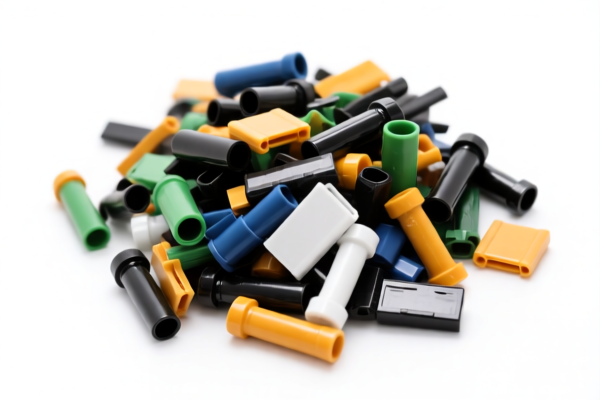
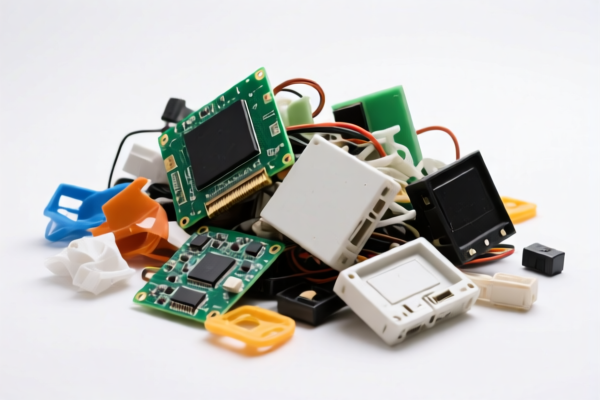
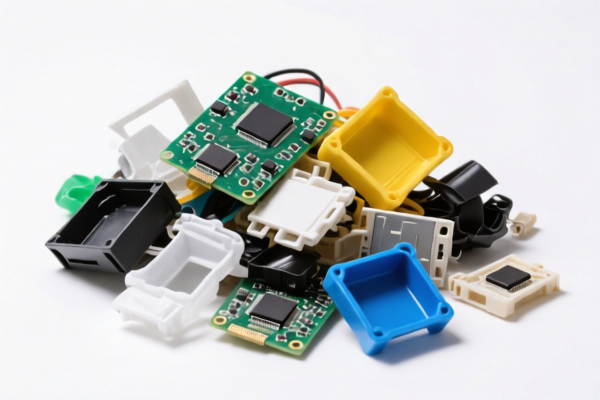
AI Analysis
🗑️ Ethylene Plastic Scrap (HDPE/LDPE Waste)
🌐 HS Code Reference & Customs Clearance Guide | 2026 Latest Tariff Analysis | Professional Clearance Strategy
📌 一、Product Definition & Classification: Do You Know "Ethylene Plastic Scrap"?
Ethylene Plastic Scrap refers to waste, shavings, and scraps derived from polyethylene polymers (such as HDPE - High-Density Polyethylene and LDPE - Low-Density Polyethylene). In international trade, precise classification depends heavily on the form (waste vs. raw material state) and purity of the material.
Key Distinction: - Waste/Scrap/Shavings: Discarded materials, often from manufacturing processes or end-of-life products. →归入 3915 - Primary Shape/Residue: If the material is still in a semi-finished or primary shape (not yet classified as "waste" under legal definition), it may fall under 3903 (depending on co-polymers) or specific sub-headings for polyethylene residues.
⚠️ Critical Classification Point:
- If it is pure polyethylene waste (HDPE/LDPE films, bottles, shavings) → 3915.20.00.00
- If it is mixed plastic waste (contains polyethylene but also other plastics) → 3915.90.00.90
- If it is Polystyrene-based or primary shape despite being labeled "scrap" in error → 3903.11.00.00 or 3903.19.00.00
📦 二、HS Code Classification Details (2026 Latest Tariff Authority对照)
| HS Code | Product Description | Applicable Scenario | Tax Rate (US/CN) | Legal Basis |
|---|---|---|---|---|
3915.20.00.00 |
Waste, scrap and fragments of polyethylene | Pure HDPE/LDPE shavings, crushed bottles, film waste | 35.0% | USITC Footnote 9903.88.01 + IEEPA 9903.01.25 |
3915.90.00.90 |
Other waste, scrap and fragments of plastics | Mixed plastic waste, non-polyethylene specific scraps, composite plastic waste | 35.0% | USITC Footnote 9903.88.01 + IEEPA 9903.01.25 |
3903.11.00.00 |
Polystyrene in primary forms | Misclassified Items: If "scrap" is actually primary PS resin pellets or raw blocks | 41.5% | Base 6.5% + 25% + 10% IEEPA |
3915.10.00.00 |
Waste, scrap and fragments of polymers of ethylene | Specific Note: Often grouped with 3915.20 but may apply to specific polymer forms | 35.0% | USITC Footnote 9903.88.01 + IEEPA 9903.01.25 |
3903.19.00.00 |
Other polystyrene in primary forms | Misclassified Items: PS residues, bulk states, non-primary but not waste | 41.5% | Base 6.5% + 25% + 10% IEEPA |
🔍 重点提醒 (Key Reminder):
- Do not confuse "Ethylene Plastic" with "Polystyrene". If your product is Polystyrene (PS), it is NOT ethylene plastic. Misclassification leads to severe penalties. - "Waste" vs. "Primary Shape": If the material is clean, uniform, and intended for direct remelting as raw material, customs may classify it as Primary Form (3903 series) instead of Scrap (3915 series). However, for Polystyrene, the tariff is higher (41.5% vs 35%). - Mixed vs. Pure: If the scrap contains multiple types of plastics, it defaults to 3915.90.00.90 ("Other").
💰 三、2026 Latest Tariff Rate Detail (Including Surcharges, Policy Surcharges)
✅ Applicable Country: United States (US)
✅ Country of Origin: China (CN)
✅ Effective Time: From November 10, 2025 (Including subsequent imports)
🎯 1. 3915.20.00.00 / 3915.10.00.00 / 3915.90.00.90 —— Ethylene Plastic Scrap & Other Plastic Waste
| Item | Detail |
|---|---|
| Base Tariff | 0.0% (ad valorem) |
| USITC Surtax (Section 301) | +25% (From USITC Footnote 9903.88.01) |
| IEEPA Surtax (122 Clause) | +10% (For China/Hong Kong products, effective Nov 10, 2025) |
| Total Tariff Rate | 35.0% |
| Tax Calculation | CIF Value × 35% |
| De Minimis Exemption | ❌ Not Eligible (deny_de_minimis) |
| Legal Basis Path | IEEPA:9903.01.25 → IEEPA:9903.01.24 → USITC:3915.x0.x0 → FOOTNOTE:9903.88.01 |
📌 Explanation:
- Plastic scrap is subject to 25% Section 301 tariffs due to trade friction. - The additional 10% IEEPA tariff applies specifically to Chinese-origin plastic waste. - Total 35% is a significant cost factor. Ensure accurate classification to avoid underpayment penalties.
🎯 2. 3903.11.00.00 / 3903.19.00.00 —— Polystyrene (Primary Forms) [For Comparison/Misclassification Warning]
| Item | Detail |
|---|---|
| Base Tariff | 6.5% |
| USITC Surtax (Section 301) | +25% |
| IEEPA Surtax (122 Clause) | +10% |
| Total Tariff Rate | 41.5% |
| Tax Calculation | CIF Value × 41.5% |
| De Minimis Exemption | ❌ Not Eligible |
📌 Warning:
- If you incorrectly declare Polystyrene as Ethylene Plastic, or vice versa, you risk underpayment (if PS is 41.5% and you pay 35%) or overpayment. - Always verify the polymer type (PE vs PS) via Material Safety Data Sheet (MSDS) or Certificate of Analysis.
🛠️ 四、Customs Clearance Practical Advice (Battle-Tested Pitfall Avoidance Guide)
✅ 1. Required Documentation Checklist (No Exceptions)
| Document | Must Provide | Description |
|---|---|---|
| ✅ Material Safety Data Sheet (MSDS) | ✔️ | Must explicitly state Polymer Type (e.g., HDPE, LDPE, PS) and Recyclability. |
| ✅ Commercial Invoice | ✔️ | Clearly state "Waste, Scrap and Fragments of [Specific Polymer]". Avoid vague terms like "Plastic Pieces". |
| ✅ Packing List | ✔️ | Detail net/gross weight, number of packages, and material composition. |
| ✅ Certificate of Composition | ✔️ | Third-party lab report confirming polymer content (e.g., >95% Polyethylene). |
| ✅ Product Photos | ✔️ | Clear images of the scrap, showing color, form (shavings, flakes, bales), and any labels. |
| ✅ Country of Origin Certificate | ✔️ | Proof of CN origin for IEEPA surtax application. |
✅ 2. Declaration Skills (Key Mantra)
🔥 "Polymer Type First, Form Second, Clean Waste, Tax Clear!"
| Scenario | Correct Declaration | Wrong Practice |
|---|---|---|
| Pure HDPE Shavings | 3915.20.00.00 |
Declare as "Mixed Plastic" → 3915.90.00.90 (Same rate, but less precise) |
| Mixed Plastic Waste | 3915.90.00.90 |
Declare as "Polyethylene" → Penalty for Misclassification |
| Polystyrene Blocks (Primary) | 3903.11.00.00 |
Declare as "Scrap" → Rate Drop from 41.5% to 35%? No, Customs will assess 41.5% + Penalties |
| Clean, Uniform PS Flakes | 3903.19.00.00 |
Declare as "Scrap" → Risk of Re-classification to Primary Form |
📌 Critical Note:
- "Waste" vs. "Primary Shape": If the plastic is clean, uniformly sized, and ready for direct remelting without further sorting, Customs may classify it as Primary Shape (3903 series) even if you call it "scrap". This is higher tax (41.5% vs 35%). - Recommendation: Provide lab reports proving the material is waste/scrap (contaminated, mixed, or irregular) to support classification under 3915.
✅ 3. Special Circumstances Handling
| Situation | Handling Advice |
|---|---|
| OEM Custom Scrap | Provide client order + design specs. If it's by-product waste, declare as 3915. |
| Mixed Polymer Scrap | Declare as 3915.90.00.90. Do not split by polymer type unless each batch is segregated and documented separately. |
| Clean, High-Purity PE Flakes | Ensure documentation emphasizes "Waste" status (e.g., post-industrial waste, not virgin resin). Otherwise, risk being classified as Primary Form (0.0% base, but still 35% total). |
| Polystyrene (PS) Misdeclaration | If you mistakenly declare PS as PE, you underpay taxes. Self-report correction if discovered to avoid fines. |
🌍 五、Global Market Clearance Comparison (2026 Latest)
| Country/Region | Recommended HS Code | Tariff (CN Origin) | Certification | Note |
|---|---|---|---|---|
| 🇺🇸 USA | 3915.20.00.00 / 3915.90.00.90 |
35.0% | None Specific | High tariff due to 301 + IEEPA. |
| 🇨🇳 China | 3915.20.00.00 |
0%~5% | N/A | No additional surtaxes for domestic recycling. |
| 🇪🇺 EU | 3915.10.00.00 |
0% | REACH | No Section 301 tariffs. |
| 🇦🇺 Australia | 3915.20.00.00 |
5% | None | Moderate tariff. |
| 🇯🇵 Japan | 3915.10.00.00 |
0% | JIS | No additional surtaxes. |
📌 Conclusion:
- USA is the only market with high additional tariffs (35%) for plastic scrap from China. - EU and Japan have lower or zero tariffs, but strict environmental regulations (REACH, waste import bans) apply. - Cost Optimization: If exporting to the US, ensure accurate classification to avoid penalties. If exporting to EU/Japan, focus on environmental compliance.
📌 六、Common Errors & Pitfall Avoidance (Blood Lessons)
❌ Error 1: Declaring "Mixed Plastic Scrap" as "Ethylene Plastic"
👉 Consequence: Customs may reject or reclassify to 3915.90.00.90 with penalties for misdeclaration.
❌ Error 2: Declaring "Polystyrene" as "Ethylene Plastic" to lower tax
👉 Consequence: Base tariff difference (6.5% vs 0%) + Penalties for fraud. Total tax becomes 41.5% + Fines.
❌ Error 3: Providing vague descriptions like "Plastic Scrap"
👉 Consequence: Customs delays inspection, requests additional docs, or applies default highest tariff.
❌ Error 4: Ignoring the "Primary Shape" vs "Waste" distinction
👉 Consequence: If classified as Primary Form, tax may be 41.5% instead of 35%.
✅ Correct Practice:
"HDPE Waste, Post-Industrial Shavings, Mixed Colors, Not for Direct Use as Raw Material, Model HDPE-SCRAP-01"
🎯 七、Conclusion: Professional Declaration, Save Time, Reduce Costs!
🎯 Remember the Mantra:
🔹 "Polymer Type First, Form Second, Clean Waste, Tax Clear!"
🔹 "HS Code Determines Life, Tariff Differs by 6.5%, Declaration Error Costs Thousands!"
📌 Tips:
- If your plastic scrap is recycled/regrind and meets primary form standards, consider declaring as 3903 series if it's Polystyrene, but beware of higher tax.
- For Ethylene Plastic, stick to 3915 series for 35% total tariff.
- Pre-Arbitration (Advance Ruling): Highly recommended for large volumes to confirm classification with US Customs.
📣 Immediate Action:
📞 Contact Professional Customs Broker + Provide MSDS + Apply for HS Code Pre-Ruling
🚀 Let your plastic scrap pass customs smoothly, efficient export, profit maximization!
✨ Professional Clearance, Starting with Accurate Classification!
💼 Every cent of your cost deserves precise calculation!
Customer Reviews
About HS Code Classification
The Harmonized System (HS) is an internationally standardized nomenclature developed by the World Customs Organization (WCO) to classify traded products. Over 200 countries use the HS system as the basis for customs tariffs, trade statistics, and import/export regulations.
Each HS code follows a hierarchical structure:
- Chapter (2 digits) — Broad category of goods (e.g., Chapter 84: Machinery and Mechanical Appliances)
- Heading (4 digits) — More specific grouping within the chapter
- Subheading (6 digits) — Internationally standardized breakdown, used by all WCO member countries
- National subdivisions (8-10 digits) — Country-specific extensions for further classification, such as US HTSUS 10-digit codes
Correct HS code classification is essential for smooth customs clearance, accurate duty payment, and compliance with trade regulations. Misclassification can lead to customs delays, overpayment of duties, or penalties.
When importing from CN to US, the applicable tariff rates may include:
- Most-Favored-Nation (MFN) rate — The standard duty rate applied to WTO members
- General rate — Applied to countries without trade agreements
- Trade remedy duties — Additional tariffs such as Section 301 (anti-dumping), Section 232 (national security), or countervailing duties
The information provided on this page is for reference purposes only. For official classification, please consult with your local customs authority or a licensed customs broker.