eucalyptus wood for toy making
CN → US| HS Code | Tariff Rate | Origin | Destination | Doc |
|---|---|---|---|---|
| 4403980095 | 35.0% | CN | US | Official Doc |
| 4407990295 | 35.0% | CN | US | Official Doc |
| 4403980023 | 35.0% | CN | US | Official Doc |
| 4407290296 | 35.0% | CN | US | Official Doc |
| 9401698090 | 35.0% | CN | US | Official Doc |
Product Images
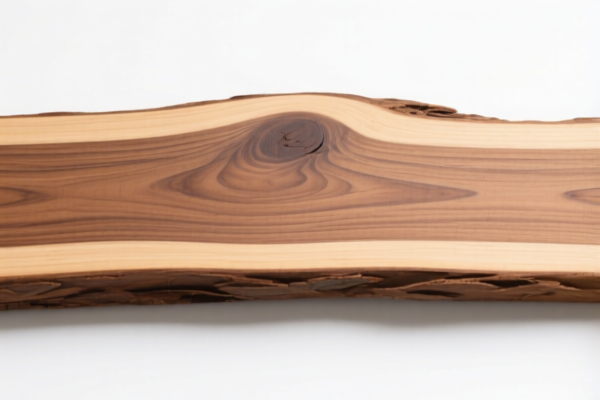
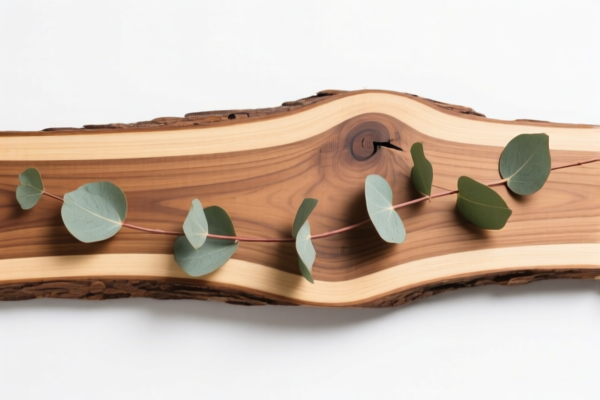
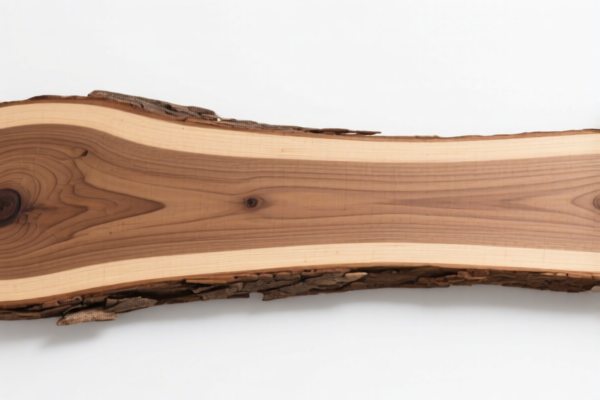
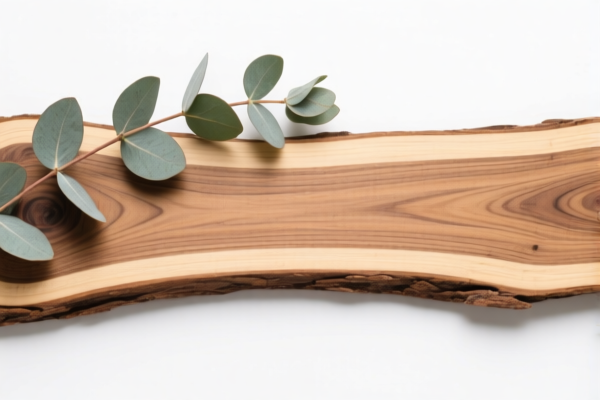
AI Analysis
🧸 Eucalyptus Wood for Toy Making (Wooden Toys)
🌐 HS Code Reference & Customs Clearance Guide | 2026 Latest Tariff Breakdown | Professional Compliance Strategy
📌 One: Product Definition & Classification: Is Your Toy "Furniture" or "Furniture Part"?
Eucalyptus wood is a popular material for eco-friendly children’s toys due to its durability and smooth grain. However, in international trade (specifically US Customs), the final shape and function of the toy dictate its classification. It is crucial to distinguish between seating furniture (e.g., toy chairs, stools) and general furniture (e.g., toy shelves, tables).
⚠️ Key Distinction Point:
- If the toy is designed to be sat upon (has a backrest or seat structure) → Classified as Furniture for Sitting
- If the toy is a storage unit, shelf, or table → Classified as Other Wooden Furniture
- If the toy is a building block or construction component → Classified as Wooden Building Components
📦 Two: HS Code Classification Details (2026 Latest Tariff Authority Comparison)
| HS Code | Product Description | Applicable Scenario | Key Characteristics |
|---|---|---|---|
9401.69.80.90 |
Other wooden-framed seating furniture | Toy chairs, stools, rocking horses with seated function | Furniture for Sitting (Head/Back support usually implied or explicit) |
9403.60.80.93 |
Other furniture of wood | Toy bookshelves, toy cabinets, toy dining tables | General Furniture (Storage or surface utility) |
4418.99.91.95 |
Other builders' joinery and carpentry | Wooden toy blocks, interlocking boards, construction kits | Building Components (Not pre-assembled as final furniture) |
9401.69.60.11 |
Other seats, wooden, other than of heading 9401... | Solid wooden seats, simple stools without framing details | Seating Finishes (Simplified seating structures) |
🔍 Important Reminder:
- Toy Chairs often fall under9401(Seats). If it has a backrest and legs, it is "Furniture."
- Toy Shelves/Tables fall under9403(Other Furniture).
- Toy Blocks/Planks fall under4418(Builders' Carpentry). Do not declare blocks as furniture; this is a common error leading to misclassification penalties.
💰 Three: 2026 Latest Tariff Rate Breakdown (Including Additional Taxes & Policy Surcharges)
✅ Applicable Country: United States (US)
✅ Origin: China (CN)
✅ Effective Date: November 10, 2025 onwards (for subsequent imports)
🎯 1. 9401.69.80.90 & 9401.69.60.11 —— Wooden Seating Furniture (Toys that are Chairs/Stools)
| Item | Content |
|---|---|
| Base Tariff Rate | 0% (ad valorem) |
| USITC Additional Tariff (Section 301) | +25% (USITC Footnote 9903.94.01) |
| IEEPA Additional Tariff (Section 122/EO) | +10% (Targeted Chinese Products) |
| Total Tax Rate | 35.0% |
| Tax Calculation | CIF Value × 35% |
| De Minimis Exemption Eligible? | ❌ No (deny_de_minimis) |
| Legal Basis Path | IEEPA:9903.01.25 → IEEPA:9903.01.24 → USITC:9401.69.80.90 → FOOTNOTE:9903.94.01 |
📌 Explanation:
- Although the base duty for furniture is often low or zero, the 25% Section 301 tariff and 10% IEEPA tariff apply.
- Total 35% is high for wooden toys. Ensure your product is clearly described as "Children's Toy Furniture" to avoid being misclassified as general industrial wood products (which may have different base rates).
🎯 2. 9403.60.80.93 —— Other Wooden Furniture (Toys: Shelves, Cabinets, Tables)
| Item | Content |
|---|---|
| Base Tariff Rate | 0% (ad valorem) |
| USITC Additional Tariff (Section 301) | +25% |
| IEEPA Additional Tariff (Section 122/EO) | +10% |
| Total Tax Rate | 35.0% |
| Tax Calculation | CIF Value × 35% |
| De Minimis Exemption Eligible? | ❌ No (deny_de_minimis) |
| Legal Basis Path | IEEPA:9901.25 → IEEPA:9903.01.24 → USITC:9403.60.80.93 → FOOTNOTE:9903.94.01 |
📌 Note:
- Same tax burden as seating furniture.
- Even if the toy is a "play kitchen" or "toy desk," it falls under9403.
- Do not try to split "table top" and "legs" to avoid tax; customs will assess as a whole unit.
🎯 3. 4418.99.91.95 —— Building Wood Products (Toy Blocks, Construction Kits)
| Item | Content |
|---|---|
| Base Tariff Rate | 3.2% (ad valorem) |
| USITC Additional Tariff (Section 301) | +25% |
| IEEPA Additional Tariff (Section 122/EO) | +10% |
| Total Tax Rate | 38.2% |
| Tax Calculation | CIF Value × 38.2% |
| De Minimis Exemption Eligible? | ❌ No (deny_de_minimis) |
| Legal Basis Path | IEEPA:9901.25 → IEEPA:9903.01.24 → USITC:4418.99.91.95 → FOOTNOTE:9903.94.01 |
📌 Caution:
- This is the highest tax rate among the options.
- This code applies if the toys are not assembled as finished furniture but are components (e.g., loose wooden blocks, planks for construction toys).
- Warning: If you sell a pre-assembled toy shelf but declare it as "wooden building blocks" (4418), you risk severe penalties for misclassification. Only use this for raw components or un-assembled kits.
🛠️ Four: Customs Clearance Practical Advice (Pitfall Avoidance Guide)
✅ 1. Required Documentation Checklist (Non-negotiable)
| Document | Must Provide | Explanation |
|---|---|---|
| ✅ Product Specification Sheet | ✔️ | Dimensions, weight, material (100% Eucalyptus), age recommendation (ASTM F963 compliance) |
| ✅ Product Photos (Labeled) | ✔️ | Clear shots of the toy, showing it is a "Toy" (not industrial furniture). Include scale (e.g., child using it). |
| ✅ Third-Party Test Report | ✔️ | CPSC/CPSIA compliant (Lead paint, sharp edges, choking hazards). Mandatory for toys in the US. |
| ✅ Commercial Invoice | ✔️ | Clearly state "Wooden Toy Furniture" or "Children's Play Furniture." Avoid vague terms like "Wooden Item." |
| ✅ Packing List | ✔️ | Show unit composition (e.g., 1 chair per box). |
| ✅ Origin Certificate (CO) | ✔️ | Proof of Chinese origin triggers the additional tariffs. |
✅ 2. Declaration Tips (Key Mnemonics)
🔥 "Shape Dictates Code, Toy Label Saves Lives!"
| Scenario | Correct Declaration | Wrong Practice |
|---|---|---|
| Toy Chair (with back) | 9401.69.80.90 "Children's Wooden Chair Toy" |
Declare as "Wooden Part" → 38.2% |
| Toy Bookshelf | 9403.60.80.93 "Children's Toy Storage Cabinet" |
Declare as "Building Block" → 38.2% |
| Wooden Building Blocks | 4418.99.91.95 "Wooden Construction Toy Blocks" |
Declare as "Toy Furniture" → 35.0% (but misclassified) |
| Pre-assembled Toy Table | 9403.60.80.93 |
Split into "Table Top" + "Legs" → High risk of audit & penalties |
✅ 3. Special Circumstances Handling
| Scenario | Handling Advice |
|---|---|
| OEM Custom Toys | Provide design drawings + customer PO. Ensure the description matches the physical form (chair vs. shelf). |
| Toys with Fabric/Upholstery | If the "wooden seat" is covered in fabric, it may still be 9401 if wood is the primary structural material. If fabric > 50%, consider textile chapters (complex). Keep it simple: declare as wooden toy. |
| Children's Age Group | Mark "For Children 3+ Years" clearly. If for under 3, additional safety certs are needed. |
| Packaging | Include "Made in China" on the product and packaging. |
🌍 Five: Global Main Market Clearance Comparison (2026 Latest)
| Country/Region | Recommended HS Code | Tariff (China Origin) | Certification Requirements | Notes |
|---|---|---|---|---|
| 🇺🇸 USA | 9401 or 9403 |
35.0% | CPC (Children's Product Certificate) + ASTM F963 | High tariff due to 301/IEEPA |
| 🇨🇳 China | 9401 or 9403 |
5% | CCC (if applicable) + GB 6675 | Lower base tax, no Section 301 |
| 🇪🇺 EU | 9403 or 9401 |
0% - 4.5% | CE + EN71 + REACH | No additional punitive tariffs |
| 🇬🇧 UK | 9403 |
4.5% | UKCA + EN71 | Post-Brexit regulations apply |
| 🇯🇵 Japan | 9403 |
0% - 3.5% | JIS PSC Mark | No major trade barriers |
📌 Conclusion:
- USA is the most expensive market for wooden toys due to the 35% total tariff.
- EU/UK/Japan offer much better tariff structures (0-5%).
- If targeting the US, consider supply chain diversification (e.g., assembling in Vietnam/Malaysia) to potentially avoid Section 301 tariffs, though IEEPA may still apply depending on final rules.
📌 Six: Common Errors & Pitfall Guide (Blood & Tears Lessons)
❌ Error 1: Declaring a Toy Chair as "Wooden Block" (4418)
👉 Consequence: Misclassification. If discovered, fines + retroactive tax adjustment (38.2% vs 35%, but legal risk is high).
❌ Error 2: Declaring Toy Shelves as "Furniture Parts" (9403.99)
👉 Consequence: Customs may reject "part" declaration for a finished good. Must declare as finished furniture.
❌ Error 3: Forgetting CPSC/CPSIA documentation
👉 Consequence: Detention at US Port. Goods will not clear without a valid Children's Product Certificate.
❌ Error 4: Vague Description: "Wooden Toy"
👉 Consequence: Customs cannot determine the correct HTS. Delay in clearance, potential seizure.
✅ Correct Declaration Example:
"Children's Wooden Play Chair, Eucalyptus Wood, Non-upholstered, ASTM F963 Certified, Model TC-101, Made in China"
🎯 Seven: Conclusion: Precise Classification, Cost Control, Smooth Customs!
🎯 Remember the Mantra:
🔹 "Chair is 9401, Shelf is 9403, Blocks are 4418!"
🔹 "35% is the US Price for Finished Toys, 38.2% for Components!"
🔹 "No CPC, No Entry! Customs waits for no one!"
📌 Pro Tip:
If your wooden toys are assembled in Vietnam, Mexico, or Thailand, you may be eligible to avoid Section 301 Tariffs (25%), reducing the total tax burden significantly. However, IEEPA 10% may still apply depending on current EO directives.
Recommendation: Apply for an Advance Ruling (CBP Ruling) from US Customs and Border Protection before shipping large volumes. This locks in the classification and prevents future disputes.
📣 Immediate Action Required:
📞 Contact your freight forwarder + Provide ASTM F963 Test Report + Apply for HS Code Pre-classification
🚀 Let your Eucalyptus toys clear customs smoothly, hit the market fast, and maximize profits!
✨ Professional Customs Clearance Starts with Accurate Classification!
💼 Every Percent of Tariff is Your Profit Margin!
Customer Reviews
About HS Code Classification
The Harmonized System (HS) is an internationally standardized nomenclature developed by the World Customs Organization (WCO) to classify traded products. Over 200 countries use the HS system as the basis for customs tariffs, trade statistics, and import/export regulations.
Each HS code follows a hierarchical structure:
- Chapter (2 digits) — Broad category of goods (e.g., Chapter 84: Machinery and Mechanical Appliances)
- Heading (4 digits) — More specific grouping within the chapter
- Subheading (6 digits) — Internationally standardized breakdown, used by all WCO member countries
- National subdivisions (8-10 digits) — Country-specific extensions for further classification, such as US HTSUS 10-digit codes
Correct HS code classification is essential for smooth customs clearance, accurate duty payment, and compliance with trade regulations. Misclassification can lead to customs delays, overpayment of duties, or penalties.
When importing from CN to US, the applicable tariff rates may include:
- Most-Favored-Nation (MFN) rate — The standard duty rate applied to WTO members
- General rate — Applied to countries without trade agreements
- Trade remedy duties — Additional tariffs such as Section 301 (anti-dumping), Section 232 (national security), or countervailing duties
The information provided on this page is for reference purposes only. For official classification, please consult with your local customs authority or a licensed customs broker.