exhaust
CN → US| HS Code | Tariff Rate | Origin | Destination | Doc |
|---|---|---|---|---|
| 7307933040 | 91.2% | CN | US | Official Doc |
| 8708925000 | 37.5% | CN | US | Official Doc |
| 7307995045 | 89.3% | CN | US | Official Doc |
Product Images
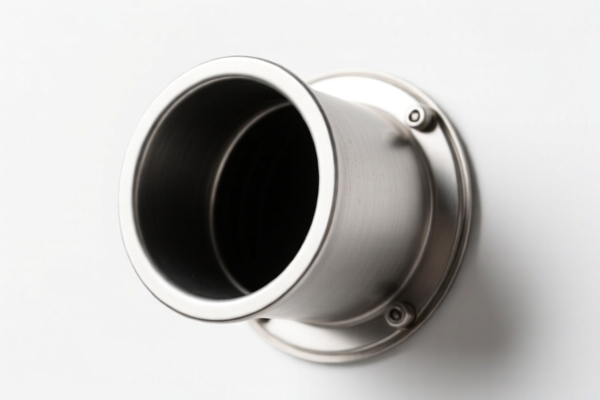
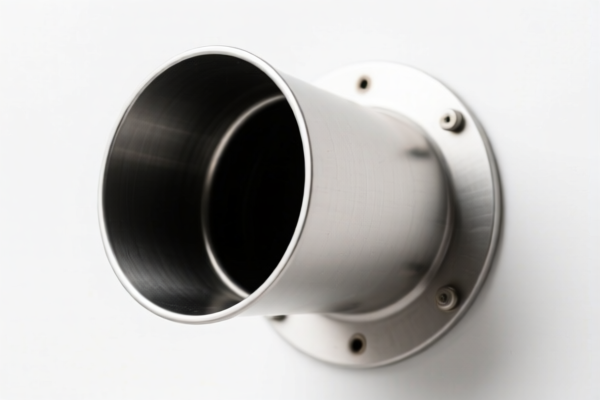
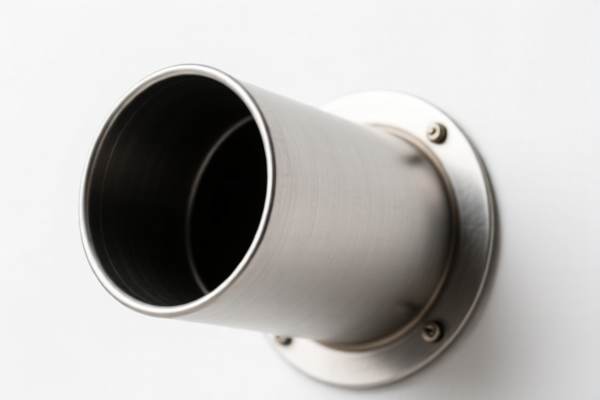
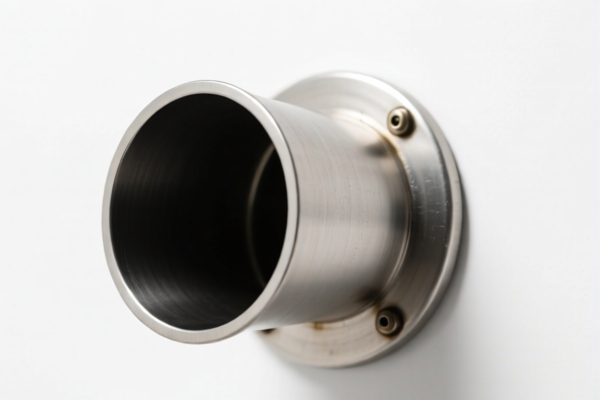
AI Analysis
🏎️ Exhaust Systems (Automotive Exhaust Pipes & Mufflers)
🌐 HS Code Reference & Customs Clearance Guide | 2026 Tariff Schedule Analysis | Professional Clearance Strategy
📌 I. Product Definition & Classification: What Exactly is an "Exhaust"?
In international trade, "Exhaust" refers to components of the automotive exhaust system, designed to remove exhaust gases from an internal combustion engine. The classification depends heavily on material, form, and specific application.
1. Raw Material Fittings (Steel/Iron Pipes):
- Unassembled or pre-assembled pipes made of iron or non-alloy steel.
- These are often classified as "Tubular Products" rather than finished vehicle parts if they lack specific vehicle-specific mounting hardware or complex shaping.
2. Complete Vehicle Parts:
- Fully assembled exhaust systems (manifolds, catalytic converters, mufflers, pipes) specifically designed for a particular vehicle model.
- These are classified under "Parts of Motor Vehicles."
⚠️ Key Distinction Point:
- If the product is a generic steel pipe fitting used for exhaust purposes →归入 7307 (Iron/Steel Fittings).
- If the product is a complete exhaust assembly ready for installation on a specific car →归入 8708 (Parts of Motor Vehicles).
📦 II. HS Code Classification Details (2026 Latest Tariff Authority Comparison)
| HS Code | Product Description | Applicable Scenario | Material/Type | Total Tax Rate (CN→US) |
|---|---|---|---|---|
7307.93.30.40 |
Tubular Fittings, Iron/Non-Alloy Steel | Generic exhaust pipes, stainless steel tubes used in exhaust systems, flanges. | Iron/Non-Alloy Steel | 91.2% |
8708.92.50.00 |
Parts of Motor Vehicles: Exhaust Pipes & Mufflers | Complete exhaust systems, catalytic converters, tailpipes specifically for cars/trucks. | Mixed (Steel, Stainless, etc.) | 37.5% |
7307.99.50.45 |
Other Tubular Fittings, Iron/Non-Alloy Steel | Other steel pipe fittings for exhaust, generic connectors, clamps. | Iron/Non-Alloy Steel | 89.3% |
🔍 Critical Reminder:
-7307Codes carry significantly higher tariffs due to "Section 232" (Steel/Aluminum/Copper) additional duties.
-8708Code is treated as a "Vehicle Part," which generally has lower base tariffs and does not attract the 50% Section 232 duty on steel content in the same way.
- Misclassification Risk: Declaring a steel exhaust pipe as a "Vehicle Part" to avoid steel duties can lead to severe penalties if customs proves it is a generic fitting.
💰 III. 2026 Latest Tariff Rate Breakdown (Including Additional Duties & Policy Surcharges)
✅ Applicable Country: United States (US)
✅ Country of Origin: China (CN)
✅ Effective Date: From November 10, 2025 (for subsequent imports)
🎯 1. 7307.93.30.40 —— Tubular Fittings, Iron/Non-Alloy Steel (Exhaust Pipes)
| Item | Details |
|---|---|
| Base Tariff | 6.2% |
| Section 301 Additional Duty | +25.0% |
| Section 232 Duty (Steel) | +50.0% (Specific to Steel/Aluminum/Copper articles under Section 232) |
| Total Tariff Rate | 91.2% |
| Tax Calculation | CIF Value × 91.2% |
| De Minimis Exemption | ❌ Not Eligible |
| Legal Basis Path | USITC:7307.93.30.40 → SEC232:Steel → USITC:9903.01.24 (301) |
📌 Explanation:
- This is a high-penalty category. The 50% Section 232 duty is applied specifically because the product is identified as a steel article.
- Even though it is for an exhaust system, if classified under Chapter 73 (Articles of Iron or Steel), it triggers the steel-specific surcharge.
- Total burden: 91.2%. This makes generic steel exhaust pipes extremely costly to import into the US.
🎯 2. 8708.92.50.00 —— Parts of Motor Vehicles: Exhaust Pipes & Mufflers
| Item | Details |
|---|---|
| Base Tariff | 2.5% |
| Section 301 Additional Duty | +25.0% |
| Section 232 Duty (Steel) | 0% (Not applicable to finished vehicle parts under Chapter 87) |
| Total Tariff Rate | 37.5% |
| Tax Calculation | CIF Value × 37.5% |
| De Minimis Exemption | ❌ Not Eligible |
| Legal Basis Path | USITC:8708.92.50.00 → USITC:9903.01.24 (301) |
📌 Critical Note:
- This is the most favorable classification for exhaust systems.
- By classifying as a Vehicle Part (Chapter 87), you avoid the additional 50% Section 232 steel duty.
- Savings: 53.7% lower total tax compared to Class 7307.93.30.40.
- Condition: The item must be clearly identifiable as a part of a motor vehicle (e.g., has specific mounting points, branding, or is sold as a complete assembly for a specific car model).
🎯 3. 7307.99.50.45 —— Other Tubular Fittings, Iron/Non-Alloy Steel
| Item | Details |
|---|---|
| Base Tariff | 4.3% |
| Section 301 Additional Duty | +25.0% |
| Section 232 Duty (Steel) | +50.0% (Steel Article) |
| Total Tariff Rate | 89.3% |
| Tax Calculation | CIF Value × 89.3% |
| De Minimis Exemption | ❌ Not Eligible |
| Legal Basis Path | USITC:7307.99.50.45 → SEC232:Steel → USITC:9903.01.24 (301) |
📌 Note:
- Similar to the first code, this incurs the 50% steel surcharge.
- Used for other steel pipe fittings not specifically listed in 7307.93.
- High Cost: Still very expensive, similar to the first category.
🛠️ IV. Customs Clearance Practical Advice (Combat Pitfalls Guide)
✅ 1. Document Checklist (Indispensable)
| Document | Required | Explanation |
|---|---|---|
| ✅ Product Specifications | ✔️ | Must specify material (e.g., "Stainless Steel 304" vs. "Carbon Steel"). |
| ✅ Assembly Diagrams | ✔️ | Prove it is a complete exhaust system (for 8708) vs. a loose pipe (for 7307). |
| ✅ Product Photos | ✔️ | Show mounting brackets, flanges, and final shape. |
| ✅ Commercial Invoice | ✔️ | Clearly state "Exhaust System for [Vehicle Model]" for 8708, or "Steel Pipe Fitting" for 7307. |
| ✅ Certificate of Origin (CO) | ✔️ | Essential for determining origin-based tariffs. |
| ✅ Packing List | ✔️ | Detail the contents to show if it's a complete assembly or separate components. |
✅ 2. Declaration Strategy (Key Mantra)
🔥 "Complete Assembly = Vehicle Part; Loose Pipe = Steel Fitting. Name Accurately, Save 50%!"
| Scenario | Correct Declaration | Wrong Action |
|---|---|---|
| Complete Exhaust System (Manifold + Cat + Muffler + Pipe) | 8708.92.50.00 |
Declaring as "Steel Pipe" → 91.2% |
| Loose Steel Pipe (No mounting hardware, generic) | 7307.93.30.40 |
Declaring as "Vehicle Part" → Risk of penalty & re-classification |
| Stainless Steel Exhaust Pipe | 7307.93.30.40 or 8708.92.50.00 |
Depends on specificity. If custom-shaped for a car, aim for 8708. |
| Clamps/Hangers | 7307.99.50.45 |
Often overlooked, but still subject to steel duties if declared separately as fittings. |
✅ 3. Special Case Handling
| Situation | Handling Advice |
|---|---|
| OEM Exhaust Systems | Provide the vehicle model compatibility chart. This strongly supports classification under 8708.92.50.00. |
| Aftermarket Universal Pipes | These are often generic. Likely to be classified under 7307, incurring higher taxes. Consider adding vehicle-specific brackets to justify 8708. |
| Mixed Shipments | Do not mix complete exhaust systems (8708) with loose steel pipes (7307) in one declaration line if possible, or clearly separate them to avoid ambiguity. |
| Material Change | If using stainless steel, ensure the invoice explicitly states "Stainless Steel." Some general steel codes may still apply if not specified correctly, but 7307 covers all iron/steel alloys. |
🌍 V. Global Market Comparison (2026 Latest)
| Country/Region | Recommended HS Code | Tariff Rate | Notes |
|---|---|---|---|
| 🇺🇸 USA | 8708.92.50.00 |
37.5% | Best option. Avoids 50% steel duty. |
| 🇺🇸 USA | 7307.93.30.40 |
91.2% | Avoid if possible. High steel surcharge. |
| 🇨🇳 China | 8708.92.50.00 |
~5-10% | Low import tariff for auto parts. |
| 🇪🇺 EU | 8708.92.50.00 |
~0-4% | Generally low duties for auto parts. |
| 🇲🇽 Mexico | 8708.92.50.00 |
Varies | Check USMCA rules of origin for preferential treatment. |
📌 Conclusion:
- USA is the critical market where classification choice impacts cost by ~54%.
- China-origin exhaust systems face significant tariffs, but Class 8708 is the strategic choice to minimize the burden.
- Always aim for8708.92.50.00if the product can be justified as a specific vehicle part.
📌 VI. Common Errors & Pitfall Guide (Lessons Learned)
❌ Error 1: Declaring a complete, branded exhaust system as "Steel Pipe Fitting"
👉 Consequence: Customs may re-classify it to 7307, but if they suspect evasion of vehicle part rules, they may seize goods. More likely, if you intend to use 7307 to avoid other duties, you fail because 7307 has the 50% steel duty.
❌ Error 2: Declaring a generic, unbranded pipe as a "Vehicle Part"
👉 Consequence: Customs will reject 8708 because it lacks vehicle-specific identification. You will be forced to pay 91.2% instead of 37.5%.
👉 Solution: Add mounting hardware, branding, or specific shapes to justify "Part of Motor Vehicle."
❌ Error 3: Ignoring the "Section 232" impact on Chapter 73
👉 Consequence: Underestimating the 50% surcharge on steel articles.
👉 Fact: The 50% duty applies to almost all iron/steel fittings under Chapter 73.
✅ Correct Practice:
"Exhaust System Assembly for Toyota Camry 2023, Includes Manifold, Catalytic Converter, Muffler, Pipes, Stainless Steel/Carbon Steel Mix, Model XYZ" →
8708.92.50.00
🎯 VII. Conclusion: Professional Declaration, Cost Optimization!
🎯 Remember the Mantra:
🔹 "Complete System = 8708 (37.5%); Loose Steel Pipe = 7307 (91.2%)!"
🔹 "Avoid Steel Duties by Claiming Vehicle Part Status!"
🔹 "Classify Correctly to Save 54% on Every Shipment!"
📌 Pro Tip:
- If you are exporting generic pipes, consider adding vehicle-specific mounting brackets or custom bending to qualify as a "Part of Motor Vehicle" (8708).
- If you are exporting complete systems, ensure all components are packed together and declared as a single unit to support the 8708 classification.
- Always consult with a customs broker for Pre-Ruling if the product nature is borderline.
📣 Immediate Action:
📞 Contact a licensed customs broker + Provide detailed product photos + Apply for HS Code Pre-Ruling for
8708.92.50.00.
🚀 Let your exhaust systems pass smoothly, save costs, and boost profits!
✨ Professional Clearance Starts with Accurate Classification!
💼 Every percentage point of tariff is money in your pocket!
Customer Reviews
About HS Code Classification
The Harmonized System (HS) is an internationally standardized nomenclature developed by the World Customs Organization (WCO) to classify traded products. Over 200 countries use the HS system as the basis for customs tariffs, trade statistics, and import/export regulations.
Each HS code follows a hierarchical structure:
- Chapter (2 digits) — Broad category of goods (e.g., Chapter 84: Machinery and Mechanical Appliances)
- Heading (4 digits) — More specific grouping within the chapter
- Subheading (6 digits) — Internationally standardized breakdown, used by all WCO member countries
- National subdivisions (8-10 digits) — Country-specific extensions for further classification, such as US HTSUS 10-digit codes
Correct HS code classification is essential for smooth customs clearance, accurate duty payment, and compliance with trade regulations. Misclassification can lead to customs delays, overpayment of duties, or penalties.
When importing from CN to US, the applicable tariff rates may include:
- Most-Favored-Nation (MFN) rate — The standard duty rate applied to WTO members
- General rate — Applied to countries without trade agreements
- Trade remedy duties — Additional tariffs such as Section 301 (anti-dumping), Section 232 (national security), or countervailing duties
The information provided on this page is for reference purposes only. For official classification, please consult with your local customs authority or a licensed customs broker.