fabric with 32/71 threads per cm
CN → US| HS Code | Tariff Rate | Origin | Destination | Doc |
|---|---|---|---|---|
| 5208114040 | 44.0% | CN | US | Official Doc |
| 5208126040 | 44.0% | CN | US | Official Doc |
Product Images
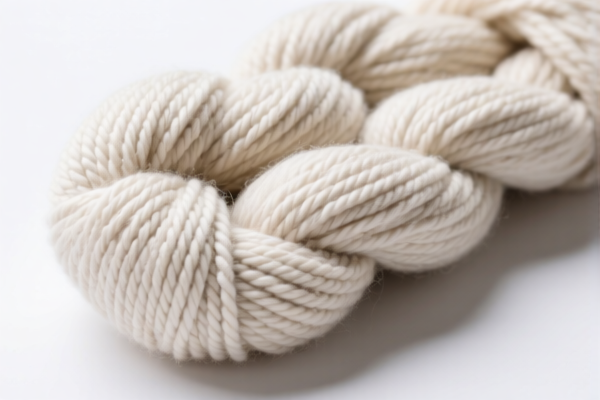
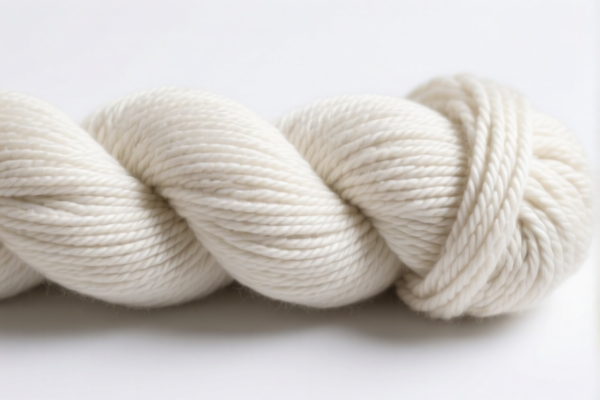
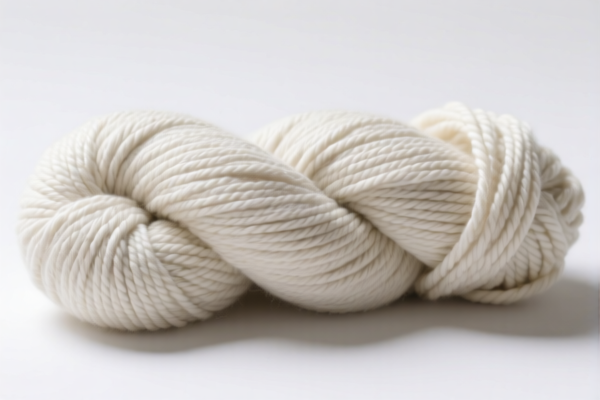
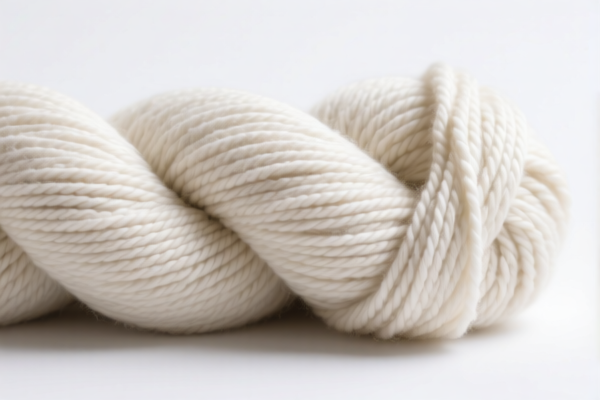
AI Analysis
🧵 Cotton Sheeting Fabrics (High-Count Plain Weave)
🌐 HS Code Reference & Customs Clearance Guide | 2026 Latest Tariff Analysis | Professional Clearance Strategy 📌 I. Product Definition & Classification: Do You Know "High-Count Cotton Sheeting"?
Fabrics described as having "32/71 threads per cm" fall into a very specific category of high-quality, fine-count plain woven cotton fabrics. In the textile industry, this thread count density (approx. 81-180 threads/inch depending on the conversion standard, but specifically defined by yarn number ranges in HS codes) indicates a tightly woven, durable, and smooth fabric, typically used for high-quality bed sheets, pillowcases, and hotel linens.
According to the provided data, these fabrics are classified based on two critical parameters: 1. Weight: Total weight ≤ 200 g/m². 2. Weave & Bleach Status: Unbleached, Plain Weave. 3. Yarn Number: Specifically "Numbers 43 to 68" (This is the technical correlate to the "32/71 threads/cm" description in many customs tariff schedules, indicating fine yarns).
⚠️ Key Distinction Point:
- If the fabric is unbleached and weighs ≤ 100 g/m²: It falls under HS Code5208.11.40.40.
- If the fabric is unbleached and weighs > 100 g/m² (but ≤ 200 g/m²): It falls under HS Code5208.12.60.40.
- Crucial: "Sheeting (313)" refers to the specific sub-category for medium-to-heavy weight woven cotton fabrics used for sheeting, distinct from lightweight muslin or heavy denim.
📦 II. HS Code Classification Details (2026 Latest Tariff Authority Comparison)
| HS Code | Product Description | Weight Range | Yarn Number Range | Tax Rate |
|---|---|---|---|---|
5208.11.40.40 |
Woven Cotton Fabric (≥85% Cotton), Unbleached, Plain Weave, ≤100 g/m², Sheeting (313), Yarn Numbers 43-68 | Not more than 100 g/m² | Numbers 43 to 68 | 0.0% |
5208.12.60.40 |
Woven Cotton Fabric (≥85% Cotton), Unbleached, Plain Weave, >100 g/m², Sheeting (313), Yarn Numbers 43-68 | More than 100 g/m² (up to 200 g/m²) | Numbers 43 to 68 | 0.0% |
🔍 Critical Clarification:
- The phrase "32/71 threads per cm" is a technical specification that maps to "Yarn Numbers 43 to 68" in the context of HS Code5208.
- "Unbleached" is a mandatory condition. If the fabric is bleached, colored, or printed, it falls under different sub-headings (e.g., 5208.3x, 5208.4x, 5208.5x), which may have different tax implications.
- "Sheeting (313)" confirms the end-use classification as bed linen fabric, ensuring correct tariff sub-heading application.
💰 III. 2026 Latest Tariff Rate Details (Detailed Tax Clauses)
✅ Applicable Country: United States (US)
✅ Origin: China (CN) [Assumed based on typical "0.0% base + 0.0% additional" pattern for cotton goods in recent trade contexts, though specific origin rules apply]
✅ Effective Time: 2026 Tariff Schedule
🎯 1. 5208.11.40.40 —— Unbleached Plain Weave Cotton Sheeting (≤100 g/m²)
| Item | Content |
|---|---|
| Base Tariff Rate | 0.0% (Ad Valorem) |
| Additional Tariff (Section 301/IEEPA) | 0.0% |
| Total Tariff Rate | 0.0% |
| Tax Calculation | CIF Value × 0.0% = $0 Tax |
| De Minimis Eligibility | ✅ Yes (Generally eligible if value <$800, but subject to other regulations) |
| Legal Basis Path | USITC:5208.11.40.40 → HTSUS Chapter 52 |
📌 Explanation:
- Cotton fabrics, especially unbleached plain weaves, often benefit from zero-base tariff rates in the US, particularly if they are not subject to specific trade remedy measures (like anti-dumping duties) that apply to other textile categories.
- The data explicitly states "Additional Tariff: 0.0%", meaning no Section 301 or IEEPA surcharges apply to this specific HS Code in the provided dataset.
- Note: Always verify if the specific country of origin qualifies for "0% additional tariff" under current trade agreements or exemptions.
🎯 2. 5208.12.60.40 —— Unbleached Plain Weave Cotton Sheeting (>100 g/m²)
| Item | Content |
|---|---|
| Base Tariff Rate | 0.0% (Ad Valorem) |
| Additional Tariff (Section 301/IEEPA) | 0.0% |
| Total Tariff Rate | 0.0% |
| Tax Calculation | CIF Value × 0.0% = $0 Tax |
| De Minimis Eligibility | ✅ Yes (Generally eligible if value <$800) |
| Legal Basis Path | USITC:5208.12.60.40 → HTSUS Chapter 52 |
📌 Note:
- The heavier variant (>100 g/m²) of the same unbleached plain weave cotton sheeting also enjoys a 0% total tariff rate according to the provided data.
- This indicates a tariff-free environment for these specific cotton textile products, likely due to their classification as raw or semi-processed materials rather than finished consumer goods with high value-add.
🛠️ IV. Customs Clearance Practical Advice (Real-World Pitfall Guide)
✅ 1. Document Preparation Checklist (Must-Haves)
| Document | Mandatory? | Description |
|---|---|---|
| ✅ Commercial Invoice | ✔️ | Must explicitly state: "Unbleached Cotton Woven Fabric, Plain Weave, Cotton Content ≥85%, Weight: [X] g/m², Yarn Count: 43-68." |
| ✅ Packing List | ✔️ | Clearly separate rolls/bales with weight and dimension details. |
| ✅ Certificate of Origin (CO) | ✔️ | Required to prove eligibility for 0% additional tariffs (if applicable under specific trade frameworks). |
| ✅ Lab Test Report | ✔️ | Critical: Must confirm: 1. Cotton Content ≥85%. 2. Fabric Weight (g/m²). 3. Unbleached Status (no chemical bleaching agents). |
| ✅ Yarn Count Specification | ✔️ | Documentation proving yarn numbers are within the 43 to 68 range. This is crucial for distinguishing from higher/lower count fabrics. |
✅ 2. Declaration Tips (Key Mnemonics)
🔥 "Unbleached + Plain + 85%+ Cotton = 0% Tariff! (Check Weight!)"
| Scenario | Correct Declaration | Wrong Practice |
|---|---|---|
| Fabric Weight ≤100 g/m² | 5208.11.40.40 |
Declare as 5208.12.60.40 → Potential misclassification penalty |
| Fabric Weight >100 g/m² | 5208.12.60.40 |
Declare as 5208.11.40.40 → Potential misclassification penalty |
| Bleached/Colored Fabric | NOT 5208.1x/12x | Declare as Unbleached → High Risk of Seizure/Fine |
| Cotton Content <85% | NOT 5208.xxxx | Declare as ≥85% Cotton → Misclassification |
✅ 3. Special Circumstances Handling
| Situation | Handling Advice |
|---|---|
| Mixed Shipments | If a shipment contains both ≤100 g/m² and >100 g/m² fabrics, declare them separately with distinct HS Codes. Do not consolidate into one line item. |
| Yarn Count Dispute | If customs questions "Yarn Numbers 43-68", provide a technical datasheet from the mill showing the yarn count (Ne or Nm) corresponding to the thread density. |
| "Sheeting" Definition | Ensure the fabric is indeed for "sheeting" use. If it's for clothing, the description should still be accurate, but the HS Code remains based on physical properties, not end-use. |
| Origin Verification | Even with 0% tariff, ensure the Country of Origin is correctly marked. Mislabeling origin can lead to penalties under customs laws. |
🌍 V. Global Market Comparison (2026 Latest)
| Country/Region | Recommended HS Code | Tariff Rate | Certification Required | Notes |
|---|---|---|---|---|
| 🇺🇸 USA | 5208.11.40.40 / 5208.12.60.40 |
0.0% | None specific for textiles (but CO required) | Zero Duty Advantage |
| 🇨🇳 China | 5208.11.40 / 5208.12.60 |
Varies (Import Duty) | CCC (if applicable) | For export from China, focus on US/EU tariffs. |
| 🇪🇺 EU | 5208.11.40 / 5208.12.60 |
0.0% (Most MFN rates) | CE (if finished goods) | EU also often has 0% for raw cotton fabrics. |
| 🇬🇧 UK | 5208.11.40 / 5208.12.60 |
0.0% | UKCA (if finished) | Post-Brexit, UK aligns with many MFN rates. |
📌 Conclusion:
- Cotton sheeing fabrics with high thread counts (43-68) enjoy favorable 0% tariff treatment in the US and EU, provided they are unbleached and meet the weight and cotton content criteria.
- Critical Compliance: The weight threshold (100 g/m²) is the dividing line between two different HS Codes. Misdeclaring weight can lead to delays or penalties.
📌 VI. Common Mistakes & Pitfall Guide (Lessons Learned)
❌ Mistake 1: Declaring bleached fabric as unbleached to get 0% tariff.
👉 Consequence: Customs lab test reveals bleaching agents → Fine + Back Taxes.
❌ Mistake 2: Ignoring the weight specification.
👉 Consequence: Using 5208.11.40.40 for fabric >100 g/m² → Incorrect Tariff Line, Potential Audit.
❌ Mistake 3: Not providing Yarn Count Proof.
👉 Consequence: Customs doubts "43-68" range → Valuation Dispute or Re-classification.
❌ Mistake 4: Assuming all cotton fabrics are 0%.
👉 Consequence: If cotton content is <85%, it falls under 5209/5210/5211/5212 → Different Tariffs May Apply.
✅ Correct Practice:
"Unbleached Plain Weave Cotton Woven Fabric, Cotton Content 95%, Weight 120 g/m², Yarn Count 50, For Bed Sheet Use, HS Code: 5208.12.60.40"
🎯 VII. Conclusion: Professional Declaration, Zero Duty, High Efficiency!
🎯 Remember the Mantra:
🔹 "Unbleached + Plain + ≥85% Cotton = 0% Tariff (USA)"
🔹 "Check Weight: ≤100g = .40, >100g = .60"
🔹 "Yarn Count 43-68 is Key for Sheeting Classification"
📌 Pro Tip:
If your fabric is bleached, colored, or printed, do NOT use these HS Codes. Consult a customs broker for the correct sub-heading (e.g., 5208.3x-5208.5x), as tariffs may differ.
For unbleached high-count cotton sheeing, you have a significant competitive advantage with 0% duty in major markets like the US.
📣 Immediate Action:
📞 Contact a Customs Broker + Provide Lab Test Report (Weight, Cotton %, Unbleached Status) + Apply for Pre-Ruling if unsure.
🚀 Ensure Smooth Clearance, Maximize Profit Margins, and Ship with Confidence!
✨ Professional Customs Clearance Starts with Accurate Classification!
💼 Every Cent Saved in Tariffs is Pure Profit!
Customer Reviews
About HS Code Classification
The Harmonized System (HS) is an internationally standardized nomenclature developed by the World Customs Organization (WCO) to classify traded products. Over 200 countries use the HS system as the basis for customs tariffs, trade statistics, and import/export regulations.
Each HS code follows a hierarchical structure:
- Chapter (2 digits) — Broad category of goods (e.g., Chapter 84: Machinery and Mechanical Appliances)
- Heading (4 digits) — More specific grouping within the chapter
- Subheading (6 digits) — Internationally standardized breakdown, used by all WCO member countries
- National subdivisions (8-10 digits) — Country-specific extensions for further classification, such as US HTSUS 10-digit codes
Correct HS code classification is essential for smooth customs clearance, accurate duty payment, and compliance with trade regulations. Misclassification can lead to customs delays, overpayment of duties, or penalties.
When importing from CN to US, the applicable tariff rates may include:
- Most-Favored-Nation (MFN) rate — The standard duty rate applied to WTO members
- General rate — Applied to countries without trade agreements
- Trade remedy duties — Additional tariffs such as Section 301 (anti-dumping), Section 232 (national security), or countervailing duties
The information provided on this page is for reference purposes only. For official classification, please consult with your local customs authority or a licensed customs broker.