face cloth
CN → US| HS Code | Tariff Rate | Origin | Destination | Doc |
|---|---|---|---|---|
| 3926909950 | 22.8% | CN | US | Official Doc |
| 4818200040 | 35.0% | CN | US | Official Doc |
| 5603110070 | 35.0% | CN | US | Official Doc |
| 5603910090 | 35.0% | CN | US | Official Doc |
| 4818200020 | 35.0% | CN | US | Official Doc |
Product Images
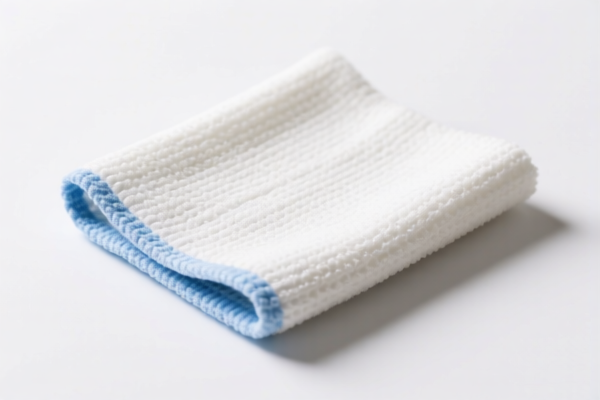
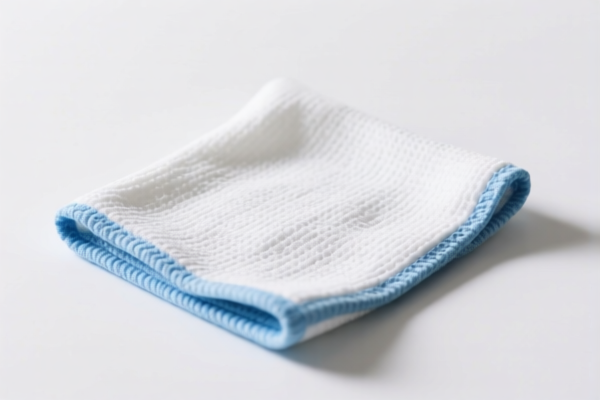
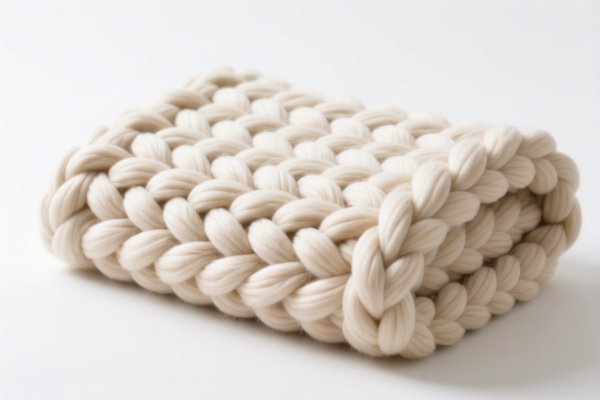
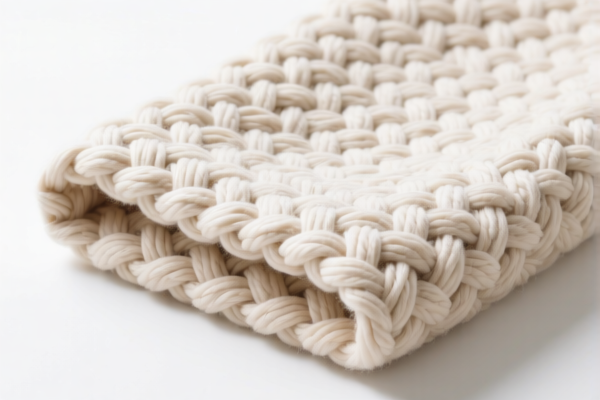
AI Analysis
🧻 Face Cloth & Facial Wipes (Facial Cleansing Towels)
🌐 HS Code Reference & Customs Clearance Guide | 2026 Latest Tariff Analysis | Professional Strategy
📌 I. Product Definition & Classification: Do You Know Your "Face Cloth"?
"Face cloth" in international trade generally refers to facial cleansing wipes, non-woven wipes, or paper-based tissues specifically designed for facial hygiene, makeup removal, or exfoliation.
Classification hinges entirely on Material and Manufacturing Process:
- Plastic/Non-Plastic Blend Wipes: Wipes made of synthetic fibers (polyester, polypropylene) often used for disinfection or heavy-duty cleaning.
- Paper-Based Tissues: Traditional facial tissues made from wood pulp or cellulose.
- Non-Woven Textiles: Wipes formed from chemical or natural fibers without weaving, often used for cosmetic applications.
⚠️ Critical Distinction for Clearance: * If the material is Plastic/Composite (Non-Woven) → Likely Chapter 56 or Chapter 39. * If the material is Paper/Cellulose → Likely Chapter 48. * Misclassification leads to severe tax shocks (up to 35% vs. 22.8%).
📦 II. HS Code Classification Details (2026 Latest Tariff Authority)
| HS Code | Product Description | Material & Morphology | Application |
|---|---|---|---|
3926.90.99.50 |
Plastic/Composite Cleansing Towel | Plastic / Fibrous (e.g., Non-woven fabric); Disinfectant/Cleaning category. | Heavy-duty cleaning, disinfecting wipes. |
4818.20.00.40 |
Paper Facial Tissue | Paper (Facial cleaning tissue); Paper/Pulp. | Facial cleaning, daily tissue use. |
5603.11.00.70 |
Non-Woven Long Fiber Wipe | Non-woven fabric (Man-made filaments/fibers); Non-woven product. | High-end cosmetic wipes, thick non-woven cloths. |
5603.91.00.90 |
Other Non-Woven Facial Cloth | Non-woven fabric; Thin/Lightweight; Not excluded. | Thin cosmetic wipes, "other" non-woven category. |
4818.20.00.20 |
Pulp-Based Facial Towel | Paper pulp / Cellulose fiber; Towel form. | Standard disposable facial towels. |
🔍 Key Observation:
- Paper-based items (4818series) and Non-woven/Plastic items (5603&3926) are treated as completely different products with distinct tax profiles. - The difference between4818.20.00.40and4818.20.00.20is subtle but critical for Paper classification based on specific pulp composition or form.
💰 III. 2026 Latest Tariff Rate Breakdown (Detailed Tax Clauses)
✅ Applicable Market: US (United States) ✅ Origin: China (CN) ✅ Effective Date: Current/2026 Scenario (Based on provided data)
🎯 1. The "Plastic/Fiber" Route (Lowest Tax)
Codes: 3926.90.99.50
Total Tax Rate: 22.8%
Tax Composition:
* Base Duty (MFN): 5.3%
* Section 301/Additional Duty: 7.5% (Often part of broader trade friction)
* "Section 122" Duty: 10.0% (Specific punitive tariff on Chinese-origin goods)
📌 Explanation:
This code applies to plastic-based or composite fiber wipes (e.g., certain disinfecting wipes or synthetic non-wovens). * Strategy: If your product can be technically defined as a "plastic/fiber" composite rather than pure "paper" or "textile non-woven," this is the most cost-effective option (22.8% vs. 35%).
🎯 2. The "Paper" Route (Highest Tax)
Codes: 4818.20.00.40 / 4818.20.00.20
Total Tax Rate: 35.0%
Tax Composition:
* Base Duty (MFN): 0.0%
* Section 301/Additional Duty: 25.0%
* "Section 122" Duty: 10.0%
📌 Explanation:
Despite having 0% Base Duty, the heavy Section 301 tariff (25%) combined with the Section 122 tariff (10%) pushes the total to 35%. * Risk: If you import standard paper facial tissues, you face the highest tax bracket. Do not assume "Base Duty 0%" means "Cheap."
🎯 3. The "Non-Woven Textile" Route (Highest Tax)
Codes: 5603.11.00.70 / 5603.91.00.90
Total Tax Rate: 35.0%
Tax Composition:
* Base Duty (MFN): 0.0%
* Section 301/Additional Duty: 25.0%
* "Section 122" Duty: 10.0%
📌 Explanation:
Wipes made from non-woven man-made filaments (polyester, viscose, etc.) fall here. * Note: Even though they are "textiles," the trade sanctions (Section 301) apply aggressively, resulting in the same 35% penalty as paper products.
🛠️ IV. Customs Clearance Practical Advice (Avoiding Pitfalls)
✅ 1. Material Declaration is King
Customs will not trust the word "Face Cloth." You must specify the exact composition.
| Scenario | Correct Declaration | Risk if Wrong |
|---|---|---|
| Disinfectant Wipes | "Plastic/Non-woven composite" | Avoid 4818 (Paper) → Save 12.2% tax |
| Standard Facial Tissues | "Wood Pulp/Cellulose Paper" | Must accept 35% tax |
| Cosmetic Wet Wipes | "Non-woven Fabric (Man-made Fibers)" | Verify if 5603 or 3926 fits better |
⚠️ Warning: If you declare "Paper" but the product contains >20% synthetic fiber, Customs may reclassify it to
3926or5603, leading to fines or rejection of the entry.
✅ 2. Section 122 & 301 Clause Handling
- Section 122 (10%): This is a specific punitive tariff on Chinese goods. It is non-negotiable for China-origin products.
- Section 301 (7.5% or 25%):
3926category pays 7.5%.4818and5603categories pay 25%.- Strategy: If your product composition allows, argue for
3926.90.99.50(Plastic/Composite) to save 12.5% in Section 301 duties.
✅ 3. Required Documentation Checklist
To prove your HS Code, provide:
1. Material Safety Data Sheet (MSDS): Must explicitly state % composition of Plastic vs. Paper vs. Fibers.
2. Manufacturing Process Flowchart:
* Is it "Pulp beaten & formed" (4818)?
* Is it "Spunbond/Meltblown non-woven" (5603)?
* Is it "Molded Plastic/Fiber composite" (3926)?
3. Product Photos: Close-ups of the fiber texture.
✅ 4. Clearance Strategy & Cost Optimization
| Strategy | Action | Outcome |
|---|---|---|
| Material Reformulation | If possible, increase synthetic fiber/plastic content to shift from 4818 to 3926. |
Save 12.2% total tax (35% → 22.8%) |
| Subheading Precision | Ensure 4818.20.00.40 vs 4818.20.00.20 matches exact pulp type. |
Avoid reclassification errors. |
| Origin Verification | If not "Made in China," Section 122 and 301 may not apply. | Potential tax reduction to MFN Rate Only. |
| Pre-Entry Ruling | Submit sample to US Customs for Binding Ruling before shipment. | Certainty on 22.8% vs 35% before paying. |
🌍 V. Quick Market Comparison (2026 Context)
| HS Code | Base Duty | 301 Add-on | Sec 122 Add-on | Total Tax | Verdict |
|---|---|---|---|---|---|
3926.90.99.50 |
5.3% | 7.5% | 10% | 22.8% | 🟢 Best Rate (Plastic/Comp.) |
4818.20.00.40 |
0.0% | 25.0% | 10% | 35.0% | 🔴 Highest Rate (Paper) |
4818.20.00.20 |
0.0% | 25.0% | 10% | 35.0% | 🔴 Highest Rate (Paper) |
5603.11.00.70 |
0.0% | 25.0% | 10% | 35.0% | 🔴 Highest Rate (Non-woven) |
5603.91.00.90 |
0.0% | 25.0% | 10% | 35.0% | 🔴 Highest Rate (Other) |
📌 Conclusion:
The 22.8% rate for3926.90.99.50is the only favorable rate among these options. The 35% rate for Paper and Non-woven textiles is punitive due to Section 301 and Section 122 clauses.
🎯 VI. Conclusion: Professional Declaration Saves Money
🎯 Remember the Rule: "Plastic/Composite = 22.8% | Paper/Textile Non-woven = 35%"
Key Takeaway: 1. Do not assume all "face cloths" are the same. 2. Material composition is the deciding factor. 3. If your product allows, leverage
3926.90.99.50to minimize costs. 4. If you are importing paper tissues, factor in the 35% tax into your pricing strategy immediately.
📌 Pro Tip:
Request a Pre-Import Ruling from US Customs (CBP) with your exact product samples. A 22.8% vs 35% difference can cost you $12,500 per $100,000 of cargo.
🚀 Clearance Goal:
Precision over Speed. Get the HS Code right, and the taxes follow. Don't guess, test, and declare!
✨ Professional Customs Clearance Starts with the Right HS Code!
💼 Every percentage point counts in your profit margin!
Customer Reviews
About HS Code Classification
The Harmonized System (HS) is an internationally standardized nomenclature developed by the World Customs Organization (WCO) to classify traded products. Over 200 countries use the HS system as the basis for customs tariffs, trade statistics, and import/export regulations.
Each HS code follows a hierarchical structure:
- Chapter (2 digits) — Broad category of goods (e.g., Chapter 84: Machinery and Mechanical Appliances)
- Heading (4 digits) — More specific grouping within the chapter
- Subheading (6 digits) — Internationally standardized breakdown, used by all WCO member countries
- National subdivisions (8-10 digits) — Country-specific extensions for further classification, such as US HTSUS 10-digit codes
Correct HS code classification is essential for smooth customs clearance, accurate duty payment, and compliance with trade regulations. Misclassification can lead to customs delays, overpayment of duties, or penalties.
When importing from CN to US, the applicable tariff rates may include:
- Most-Favored-Nation (MFN) rate — The standard duty rate applied to WTO members
- General rate — Applied to countries without trade agreements
- Trade remedy duties — Additional tariffs such as Section 301 (anti-dumping), Section 232 (national security), or countervailing duties
The information provided on this page is for reference purposes only. For official classification, please consult with your local customs authority or a licensed customs broker.