feather scarf
CN → US| HS Code | Tariff Rate | Origin | Destination | Doc |
|---|---|---|---|---|
| 6217909095 | 32.1% | CN | US | Official Doc |
| 6217109550 | 32.1% | CN | US | Official Doc |
Product Images
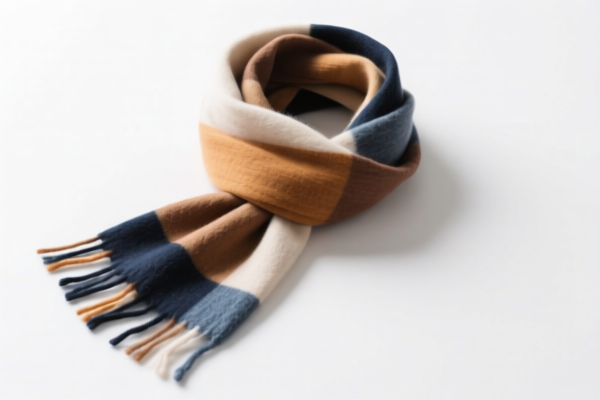
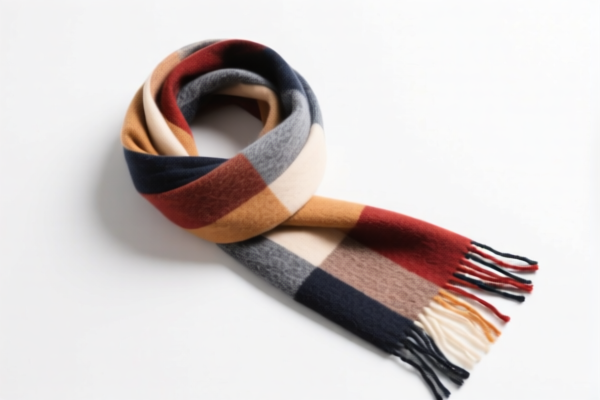
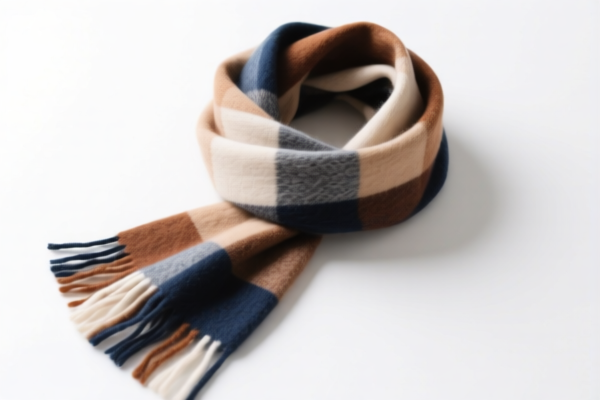
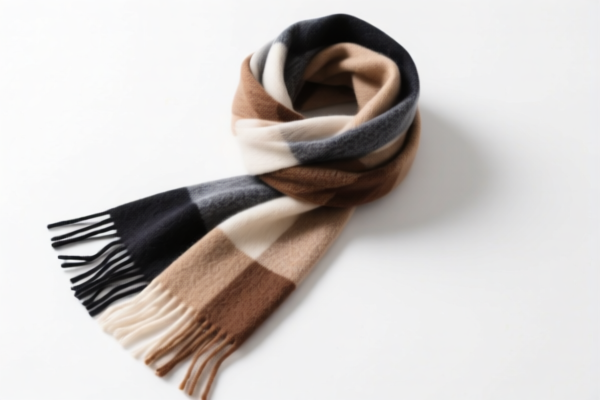
AI Analysis
🪶 Feather Scarf (Feather Accessories)
🌐 HS Code Reference & Customs Clearance Guide | 2026 Latest Tariff Analysis | Professional-Level通关Strategy
📌 1. Product Definition & Classification: Do You Really Understand "Feather Scarves"?
A feather scarf is an ornamental clothing accessory made primarily of natural or synthetic feathers attached to a base fabric or frame. In international trade, it is classified under Chapter 62: Articles of Apparel and Clothing Accessories, Not Knitted or Crocheted.
Specifically, it falls under Heading 62.17: Other made up clothing accessories; parts of garments or of clothing accessories, other than those of heading 62.12.
⚠️ Key Distinction:
- If the item is primarily ornamental (feathers as the main feature) → Classified under 6217.10 (Accessories).
- If the item is primarily a functional part of a garment (e.g., a collar piece) → Classified under 6217.90 (Parts).
- Note: For most commercial "feather scarves" (shawls, stoles, decorative wraps), they are considered accessories, not parts.
📦 2. HS Code Classification Details (2026 Latest Tariff Authority Comparison)
| HS Code | Product Description | Application Scenario | Tax Rate (China Origin to US) |
|---|---|---|---|
6217.10.95.50 |
Accessories: Other: Other Other (859) | Ornamental feather scarves, shawls, stoles with feather embellishments | 0.0% |
6217.90.90.95 |
Parts: Other Other (859) | Functional components made of feathers (rare for scarves, but possible for costume parts) | 0.0% |
🔍 Critical Note:
-6217.10.95.50is the most appropriate code for feather scarves sold as standalone accessories.
-6217.90.90.95is for parts (e.g., detachable feather collars that are not standalone accessories).
- Both codes currently have a 0% total tax rate (no basic tariff, no additional tariff) for China-origin goods under the provided data.
💰 3. 2026 Latest Tariff Rate Details (Including Surcharges)
✅ Applicable Country: United States (US)
✅ Country of Origin: China (CN)
✅ Effective Time: Current data reflects 0.0% total tax.
🎯 1. 6217.10.95.50 —— Feather Scarf (Accessory)
| Item | Content |
|---|---|
| Basic Tariff | 0.0% |
| USITC Additional Tariff | 0.0% |
| IEEPA Additional Tariff | 0.0% |
| Total Tax Rate | 0.0% |
| Tax Calculation | CIF Value × 0.0% = $0 |
| De Minimis Eligibility | ✅ Yes (if value < $800, may qualify for Section 321) |
| Legal Basis Path | USITC:6217.10.95.50 |
📌 Explanation:
- Under the provided data, feather scarves (classified as accessories under 6217.10) are exempt from additional tariffs.
- This is a low-risk, low-cost classification for clearance.
- Ensure the product is declared as "Accessory" (not "Part") to avoid misclassification.
🎯 2. 6217.90.90.95 —— Feather Accessory Part (Part)
| Item | Content |
|---|---|
| Basic Tariff | 0.0% |
| USITC Additional Tariff | 0.0% |
| IEEPA Additional Tariff | 0.0% |
| Total Tax Rate | 0.0% |
| Tax Calculation | CIF Value × 0.0% = $0 |
| De Minimis Eligibility | ✅ Yes (if value < $800) |
| Legal Basis Path | USITC:6217.90.90.95 |
📌 Explanation:
- If the feather item is considered a part (e.g., a detachable collar), it still enjoys 0% tax.
- However, misclassification (declaring a scarf as a "part") may trigger customs audits.
🛠️ 4. Customs Clearance Practical Advice (Real-World Pitfall Guide)
✅ 1. Document Checklist (Required)
| Document | Required | Notes |
|---|---|---|
| ✅ Product Specification | ✔️ | Describe as "Feather Scarf, Ornamental, Not for Warmth" |
| ✅ Photos | ✔️ | Clear images showing feathers as the main feature |
| ✅ Commercial Invoice | ✔️ | State "Feather Scarf (Accessory)" |
| ✅ Packing List | ✔️ | Include weight, dimensions, and material composition |
| ✅ Material Declaration | ✔️ | Specify natural vs. synthetic feathers |
✅ 2. Declaration Tips (Key Strategy)
🔥 "Declare as Accessory, Not Part; Emphasize Ornamental Use!"
| Scenario | Correct Declaration | Incorrect Declaration |
|---|---|---|
| Feather Scarf (Standalone) | 6217.10.95.50 (Accessory) |
6217.90.90.95 (Part) → Risk of audit |
| Feather Collar (Detachable) | 6217.90.90.95 (Part) |
6217.10.95.50 (Accessory) → May be rejected |
| Feather Trim on Garment | 6217.90.90.95 (Part) |
6217.10.95.50 (Accessory) → Misclassification |
✅ 3. Special Cases
| Scenario | Handling Advice |
|---|---|
| Natural vs. Synthetic Feathers | Declare material composition clearly. Natural feathers may require CITES documentation if endangered species are involved. |
| Value < $800 | Qualify for de minimis entry (Section 321) → No formal entry required. |
| Value ≥ $800 | File CBP Form 7501 (Entry Summary) with accurate HS Code. |
| Mixed Materials | If scarf has both feathers and fabric, declare as "Accessory" under 6217.10.95.50 if feathers are the primary feature. |
🌍 5. Global Market Comparison (2026 Latest)
| Country/Region | Recommended HS Code | Tariff (China Origin) | Certification Required | Notes |
|---|---|---|---|---|
| 🇺🇸 USA | 6217.10.95.50 |
0.0% | None | Low risk, 0% tax |
| 🇨🇳 China | 6217.10.95.50 |
0%–5% | None | Varies by domestic policy |
| 🇪🇺 EU | 6217.10.95.50 |
0%–12% | REACH (if chemical-treated) | Check for feather import restrictions |
| 🇬🇧 UK | 6217.10.95.50 |
0%–12% | UKCA (if applicable) | Post-Brexit rules apply |
📌 Conclusion:
- USA offers the most favorable tariff (0%) for feather scarves.
- No additional surcharges apply under the current data.
- Ensure accurate classification to avoid customs delays.
📌 6. Common Mistakes & Pitfalls (Lessons Learned)
❌ Mistake 1: Declaring a feather scarf as a "part" (6217.90.90.95)
👉 Consequence: Customs may flag it for audit, even if tax is 0%.
❌ Mistake 2: Using vague descriptions like "Feather Item"
👉 Consequence: Delays in clearance due to lack of specificity.
❌ Mistake 3: Ignoring material composition (natural vs. synthetic)
👉 Consequence: Potential CITES violation if endangered species are used.
✅ Correct Declaration:
"Feather Scarf, Ornamental, Synthetic Feathers, Not for Warmth, HS 6217.10.95.50"
🎯 7. Conclusion: Professional Declaration, Smooth Clearance!
🎯 Remember:
🔹 "Accessories, Not Parts: 6217.10 Wins!"
🔹 "0% Tax in USA: Declare Correctly!"
🔹 "Natural Feathers: Check CITES!"
📌 Pro Tip:
- If your feather scarf contains endangered species feathers, apply for CITES Permits in advance.
- For high-value shipments, file Form 7501 with accurate HS Code to ensure smooth clearance.
📣 Immediate Action:
📞 Contact a professional customs broker + Provide product photos + Apply for CBP Pre-Ruling if uncertain.
🚀 Ensure seamless clearance, zero tax risk, and maximized profit!
✨ Professional Clearance Starts with Accurate Classification!
💼 Every Dollar Saved is Earned!
Customer Reviews
About HS Code Classification
The Harmonized System (HS) is an internationally standardized nomenclature developed by the World Customs Organization (WCO) to classify traded products. Over 200 countries use the HS system as the basis for customs tariffs, trade statistics, and import/export regulations.
Each HS code follows a hierarchical structure:
- Chapter (2 digits) — Broad category of goods (e.g., Chapter 84: Machinery and Mechanical Appliances)
- Heading (4 digits) — More specific grouping within the chapter
- Subheading (6 digits) — Internationally standardized breakdown, used by all WCO member countries
- National subdivisions (8-10 digits) — Country-specific extensions for further classification, such as US HTSUS 10-digit codes
Correct HS code classification is essential for smooth customs clearance, accurate duty payment, and compliance with trade regulations. Misclassification can lead to customs delays, overpayment of duties, or penalties.
When importing from CN to US, the applicable tariff rates may include:
- Most-Favored-Nation (MFN) rate — The standard duty rate applied to WTO members
- General rate — Applied to countries without trade agreements
- Trade remedy duties — Additional tariffs such as Section 301 (anti-dumping), Section 232 (national security), or countervailing duties
The information provided on this page is for reference purposes only. For official classification, please consult with your local customs authority or a licensed customs broker.