feeding box
CN → US| HS Code | Tariff Rate | Origin | Destination | Doc |
|---|---|---|---|---|
| 7323999040 | 88.4% | CN | US | Official Doc |
| 3926305000 | 22.8% | CN | US | Official Doc |
| 6911900050 | 22.9% | CN | US | Official Doc |
| 6911108090 | 38.3% | CN | US | Official Doc |
| 7323999080 | 88.4% | CN | US | Official Doc |
Product Images
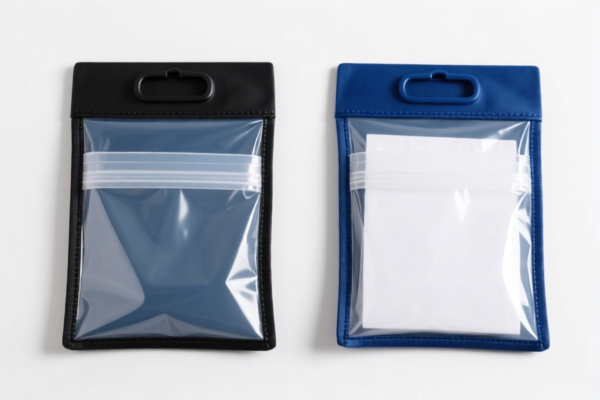
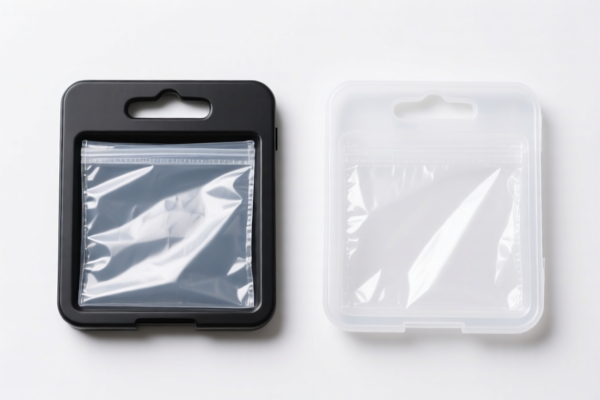
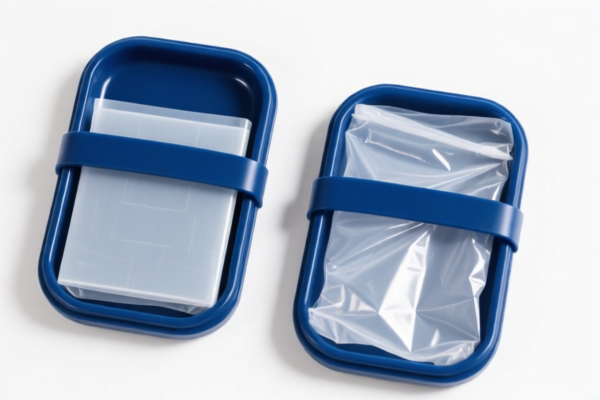
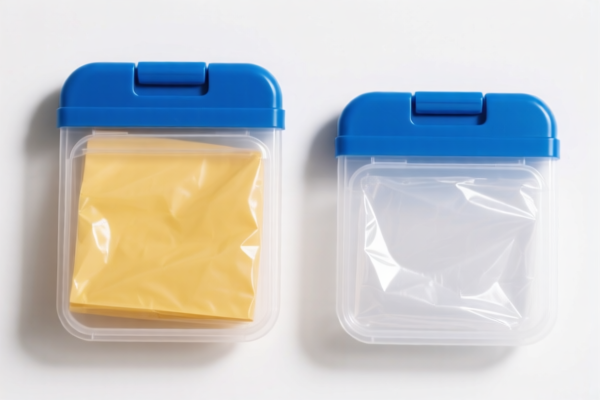
AI Analysis
🐾 Feeding Box (Pet Feeders & Containers)
🌐 HS Code Reference & Customs Clearance Guide | 2026 Latest Tariff Analysis | Professional Clearance Strategy
📌 I. Product Definition & Classification: What Exactly is a "Feeding Box"?
A "Feeding Box" in international trade typically refers to containers, dispensers, or bowls used for providing food or water to pets (dogs, cats, etc.). These items vary significantly by material, which dictates their HS Code classification and, consequently, the tax rate.
In the absence of a specific "Pet Feeder" category in the Harmonized System, these items are usually classified under "Residual" or "Other" categories based on their material composition (Metal, Plastic, or Ceramic).
⚠️ Key Distinction:
- If made of Metal (Steel/Aluminum) → Generally falls under Chapter 73 (Articles of Iron or Steel).
- If made of Plastic → Generally falls under Chapter 39 (Articles of Plastics).
- If made of Ceramic/Porcelain → Generally falls under Chapter 69 (Ceramic Products).
📦 II. HS Code Classification Details (Based on Provided Data)
| HS Code | Product Description | Material Inference | Logical Fit |
|---|---|---|---|
7323.99.90.40 |
Articles of table, kitchen or other household articles and parts thereof, of iron or steel; other; other; other; other | Metal (Steel/Iron) | ✅ High Fit: "Residual" category for non-specific metal household/pet items. |
3926.30.50.00 |
Other articles of plastics and articles of other materials of headings 3901 to 3914; other; other | Plastic | ✅ High Fit: "Residual" category for plastic articles. Most plastic feeders fall here. |
6911.90.00.50 |
Tableware and kitchenware, of porcelain or china; other | Ceramic/Porcelain | ✅ High Fit: Household/pet porcelain containers. |
6911.10.80.90 |
Tableware and kitchenware, of porcelain or china; other; other | Ceramic/Porcelain | ✅ Moderate Fit: Often used for cookware/kitchen ceramics; may apply if the feeder is styled as premium tableware. |
7323.99.90.80 |
Articles of table, kitchen or other household articles and parts thereof, of iron or steel; other; other; other | Metal (Steel/Iron) | ✅ High Fit: "Residual" category for other metal household articles. Similar to .40 but different sub-position. |
🔍 Important Note:
- The classification depends entirely on the primary material of the product.
- If the product is a combination (e.g., plastic base + metal bowl), customs may classify based on the essential character or the component providing the principal function.
- "Residual" Codes: Codes like.40and.80in Chapter 73, and.50in Chapter 39, are often "catch-all" categories for items not specifically listed elsewhere.
💰 III. 2026 Latest Tariff Rate Details (Detailed Breakdown)
✅ Applicable Country: United States (US)
✅ Origin: China (CN)
✅ Effective Date: 2025/2026 (Current Trade Policies)
🎯 1. 7323.99.90.40 & 7323.99.90.80 — Metal Feeding Boxes (Steel/Iron)
| Item | Content |
|---|---|
| Base Tariff | 3.4% (Ad Valorem) |
| Additional Tariff (Section 301) | +25.0% |
| Section 122 Tariff | +50% (Specific to Steel/Aluminum/Copper articles) |
| Total Tariff Rate | 88.4% |
| Tax Calculation | CIF Value × 88.4% |
| De Minimis Exemption | ❌ Not Applicable (High risk, not eligible for small parcel exemption) |
| Legal Basis | Base Tariff + Section 301 (25%) + Section 122 (50%) |
📌 Explanation:
- Base 3.4%: Standard MFN rate for steel household articles.
- Section 301 (25%): General additional tariff on Chinese steel products.
- Section 122 (50%): Critical Add-on: Specific 50% tariff on steel, aluminum, and copper articles under Section 122 of the Trade Act.
- Total 88.4%: This is an extremely high barrier. Importing metal pet feeders from China to the US is currently prohibitively expensive due to the combination of Section 301 and Section 122 tariffs.
🎯 2. 3926.30.50.00 — Plastic Feeding Boxes
| Item | Content |
|---|---|
| Base Tariff | 5.3% (Ad Valorem) |
| Additional Tariff (Section 301) | +7.5% |
| Section 122 Tariff | +10% (Applicable to certain plastic articles under specific provisions) |
| Total Tariff Rate | 22.8% |
| Tax Calculation | CIF Value × 22.8% |
| De Minimis Exemption | ❌ Not Applicable (Generally, Section 301 goods are excluded from de minimis if value > $800, but specific rules apply) |
| Legal Basis | Base Tariff + Section 301 (7.5%) + Section 122 (10%) |
📌 Explanation:
- Base 5.3%: Standard rate for plastic articles.
- Section 301 (7.5%): Additional tariff for Chinese plastic goods.
- Section 122 (10%): Applies to certain plastic articles.
- Total 22.8%: Significantly lower than metal alternatives, but still substantial.
🎯 3. 6911.90.00.50 — Ceramic/Porcelain Feeding Boxes
| Item | Content |
|---|---|
| Base Tariff | 5.4% (Ad Valorem) |
| Additional Tariff (Section 301) | +7.5% |
| Section 122 Tariff | +10% |
| Total Tariff Rate | 22.9% |
| Tax Calculation | CIF Value × 22.9% |
| De Minimis Exemption | ❌ Not Applicable |
| Legal Basis | Base Tariff + Section 301 (7.5%) + Section 122 (10%) |
📌 Explanation:
- Similar tariff structure to plastics.
- Total 22.9%: Moderate impact. Suitable for premium ceramic pet bowls.
🎯 4. 6911.10.80.90 — Ceramic/Porcelain (Kitchen/Tableware Category)
| Item | Content |
|---|---|
| Base Tariff | 20.8% (Ad Valorem) |
| Additional Tariff (Section 301) | +7.5% |
| Section 122 Tariff | +10% |
| Total Tariff Rate | 38.3% |
| Tax Calculation | CIF Value × 38.3% |
| De Minimis Exemption | ❌ Not Applicable |
| Legal Basis | Base Tariff + Section 301 (7.5%) + Section 122 (10%) |
📌 Explanation:
- Higher base tariff (20.8%) because it is classified under a different sub-heading, possibly for tableware rather than general household/pet ceramic goods.
- Total 38.3%: Higher than the other ceramic option (.50). Prefer6911.90.00.50for lower taxes.
🛠️ IV. Customs Clearance Practical Advice
✅ 1. Material Verification is Key
| Material | Recommended HS Code | Total Tariff | Clearance Tip |
|---|---|---|---|
| Metal (Steel) | 7323.99.90.40 or .80 |
88.4% | ⚠️ Avoid Importing from China unless duty-paid by buyer. Consider sourcing from Vietnam/Mexico. |
| Plastic | 3926.30.50.00 |
22.8% | ✅ Preferred Option. Lower risk, easier classification. Ensure no metal parts dominate. |
| Ceramic | 6911.90.00.50 |
22.9% | ✅ Good Option. Premium image. Ensure it is clearly "household/pet" use, not just "tableware". |
✅ 2. Declaration Tips
🔥 "Material First, Purpose Second!"
| Scenario | Correct Declaration | Wrong Practice |
|---|---|---|
| Plastic Feeder | "Plastic Pet Feeding Bowl" + HS 3926.30.50.00 |
Misdeclare as "Metal" → 88.4% Tax! |
| Metal Feeder | "Steel Pet Feeding Bowl" + HS 7323.99.90.40 |
Try to declare as "Plastic" → Customs check will fail |
| Ceramic Feeder | "Porcelain Pet Dish" + HS 6911.90.00.50 |
Declare as 6911.10.80.90 → Higher tax (38.3%) |
| Mixed Material | Identify Principal Material | Split declaration → Risk of rejection |
✅ 3. Special Considerations for Section 122 Tariffs
📌 What is Section 122?
Section 122 of the Trade Act imposes additional tariffs on Steel, Aluminum, and Copper articles.
- For Metal Feeders (7323.99.90.40/.80): The 50% Section 122 tariff is the biggest cost driver.
- For Plastic/Ceramic: A 10% Section 122 tariff may apply under specific provisions (as noted in the data), but it is much lower than the steel penalty.
✅ 4. Documentation Checklist
| Document | Requirement | Notes |
|---|---|---|
| Product Description | Must specify Material (e.g., "PP Plastic", "Stainless Steel") | Vague descriptions lead to higher tariffs |
| Material Certificate | Required for Metal/Hard-to-classify items | Proves material composition |
| Usage Declaration | "For Pet Feeding" | Supports classification under household/pet items |
| Packaging List | Show net/gross weight | Essential for duty calculation |
🌍 V. Global Market Comparison (2026)
| Country | Recommended HS Code | Tariff (China Origin) | Notes |
|---|---|---|---|
| 🇺🇸 USA | 3926.30.50.00 (Plastic) |
22.8% | Best option for China-origin goods. |
| 🇺🇸 USA | 7323.99.90.40 (Metal) |
88.4% | Avoid. Too expensive. |
| 🇪🇺 EU | Varies by Material | ~6-10% | No Section 301/122 tariffs. Much more favorable. |
| 🇨🇦 Canada | Varies by Material | ~5-7% | Favorable for plastics/metals compared to US. |
| 🇦🇺 Australia | Varies by Material | ~5% | Moderate tariffs, no major US-style section tariffs. |
📌 Conclusion:
- For US Market: Prioritize Plastic (3926.30.50.00) or Ceramic (6911.90.00.50). Avoid Metal from China due to 88.4% total tariff.
- For EU/Canada/Australia: Material matters less for tariff savings, but classification remains critical for accurate duty.
📌 VI. Common Errors & Pitfalls (Lessons Learned)
❌ Error 1: Declaring Metal Feeder as "Plastic"
👉 Consequence: Customs seizure, fines, and forced re-classification to 88.4%.
❌ Error 2: Using 6911.10.80.90 for Pet Bowls
👉 Consequence: Paying 38.3% instead of 22.9% unnecessarily.
❌ Error 3: Ignoring Section 122 for Metal Goods
👉 Consequence: Underestimating costs by 50%. The total tax is not just 3.4% + 25% = 28.4%, but 88.4%!
✅ Best Practice:
"For US imports from China, Plastic Feeders are the most cost-effective choice (22.8% total tax). Metal Feeders are financially unviable (88.4% total tax)."
🎯 VII. Final Recommendation
🎯 Strategic Advice:
1. Switch Material: If currently importing metal feeders from China to the US, switch to Plastic or Ceramic.
2. Diversify Supply Chain: If Metal is essential, source from Vietnam, Mexico, or Thailand to avoid Section 301/122 tariffs.
3. Precise Classification: Always use 3926.30.50.00 for plastic and 6911.90.00.50 for ceramic to minimize tax burden.
✨ Smart Clearance, Maximize Profit!
💼 Don't let 88.4% tariff eat your margins. Choose Plastic. Choose Smart.
Customer Reviews
About HS Code Classification
The Harmonized System (HS) is an internationally standardized nomenclature developed by the World Customs Organization (WCO) to classify traded products. Over 200 countries use the HS system as the basis for customs tariffs, trade statistics, and import/export regulations.
Each HS code follows a hierarchical structure:
- Chapter (2 digits) — Broad category of goods (e.g., Chapter 84: Machinery and Mechanical Appliances)
- Heading (4 digits) — More specific grouping within the chapter
- Subheading (6 digits) — Internationally standardized breakdown, used by all WCO member countries
- National subdivisions (8-10 digits) — Country-specific extensions for further classification, such as US HTSUS 10-digit codes
Correct HS code classification is essential for smooth customs clearance, accurate duty payment, and compliance with trade regulations. Misclassification can lead to customs delays, overpayment of duties, or penalties.
When importing from CN to US, the applicable tariff rates may include:
- Most-Favored-Nation (MFN) rate — The standard duty rate applied to WTO members
- General rate — Applied to countries without trade agreements
- Trade remedy duties — Additional tariffs such as Section 301 (anti-dumping), Section 232 (national security), or countervailing duties
The information provided on this page is for reference purposes only. For official classification, please consult with your local customs authority or a licensed customs broker.