film art creation
CN → US| HS Code | Tariff Rate | Origin | Destination | Doc |
|---|---|---|---|---|
| 4911914040 | 17.5% | CN | US | Official Doc |
| 4911912020 | 10.0% | CN | US | Official Doc |
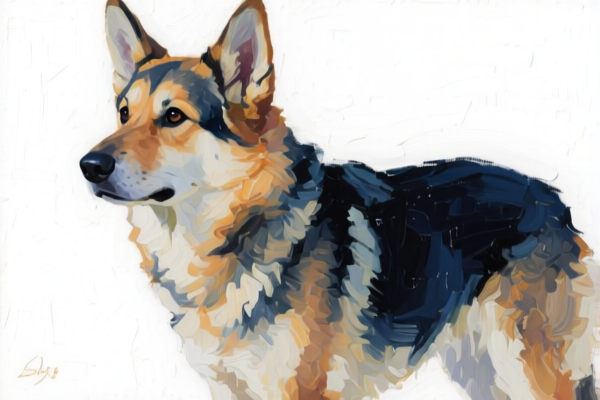
Product Images



AI Analysis
Based on the provided, which contains specific Harmonized System (HS) codes for printed matter including pictures and photographs, the term "film art creation" (interpreted here as printed film-related artwork, such as posters, designs, or photographic prints) is classified under Chapter 49: Printed books, newspapers, pictures and other products of the printing industry.
Below is the detailed breakdown of the HS codes, tax rates, and clearance advice strictly based on the provided data.
🎬 Film Art Creation (Printed Pictures & Photographs)
🌐 HS Code Reference & Customs Clearance Guide | 2026 Latest Tariff Analysis | Professional Strategy
📌 I. Product Definition: What is "Film Art Creation"?
In the context of international trade and the provided data, "Film Art Creation" refers to printed materials related to film, such as: * Posters: Movie posters, promotional images. * Designs & Photographs: Printed stills, concept art prints, lithographs.
⚠️ Key Distinction:
This classification applies ONLY to printed matter (paper-based or paperboard-based).
❌ It does NOT apply to physical film reels, digital files, or unprinted photographic plates.
✅ It DOES apply to posters, prints, and designs printed not over 20 years at the time of importation.
📦 II. HS Code Classification Details (Based on )
| HS Code | Product Description | Key Characteristics | Tax Rate |
|---|---|---|---|
4911.91.40.40 |
Other printed matter: Pictures, designs, and photographs | • Printed not over 20 years • "Other" category (not lithographs on paper/board ≤0.51mm) |
7.5% |
4911.91.20.20 |
Lithographs on paper or paperboard: Posters | • Thickness: Not over 0.51 mm • Specifically: Posters |
0.0% |
🔍 Critical Analysis:
1.4911.91.20.20(0% Tax): Applies specifically to Posters made via lithography on paper/paperboard with a thickness ≤0.51 mm. If your "film art" is a standard movie poster meeting these criteria, it enjoys 0% total tax.
2.4911.91.40.40(7.5% Tax): Applies to other printed pictures, designs, and photographs that do not fit the strict definition of the lithograph posters above. This includes high-quality art prints, photo books, or designs on thicker/different materials.
💰 III. Tax Rate Breakdown (Detailed)
🎯 1. HS Code: 4911.91.20.20 – Posters (Lithographs)
- Base Tariff: 0.0%
- Additional Tariff: 0.0%
- Total Tax: 0.0%
- Tax Detail:
基础关税: 0.0%, 加征关税: 0.0% - Condition: Must be a poster, produced by lithography, on paper or paperboard, with a thickness not over 0.51 mm.
🎯 2. HS Code: 4911.91.40.40 – Other Printed Pictures/Designs
- Base Tariff: 0.0%
- Additional Tariff: 7.5%
- Total Tax: 7.5%
- Tax Detail:
基础关税: 0.0%, 加征关税: 7.5% - Condition: Applies to other printed pictures, designs, and photographs printed not over 20 years at the time of importation. This is the default category if the item does not qualify as a ≤0.51mm lithograph poster.
📌 Explanation:
- The 7.5% additional tariff on4911.91.40.40suggests a specific trade policy (e.g., Section 301 tariffs or similar preferential/trade war adjustments depending on the country of origin).
- No additional tariff on4911.91.20.20indicates a exemption or lower sensitivity for standard thin posters.
🛠️ IV. Customs Clearance Practical Advice
✅ 1. Preparation Checklist (Must-Haves)
| Document | Required? | Purpose |
|---|---|---|
| ✅ Product Description | ✔️ | Must specify: "Printed Poster" or "Printed Photograph," material (paper/paperboard), and thickness. |
| ✅ Material Thickness Proof | ✔️ | For 4911.91.20.20, you must prove thickness is ≤0.51 mm. |
| ✅ Production Method | ✔️ | Specify if it is lithographed. If not, it falls under 4911.91.40.40. |
| ✅ Print Date Declaration | ✔️ | Confirm printed not over 20 years at time of import. |
| ✅ Photos of Goods | ✔️ | Show item clearly as a poster or photograph. |
✅ 2. Classification Strategy (How to Save Money)
🔥 "Poster Thin? Zero Tax! Other Art? 7.5%!"
| Scenario | Recommended HS Code | Tax Rate | Tip |
|---|---|---|---|
| Standard Movie Poster, thin paper | 4911.91.20.20 |
0% | Ensure thickness ≤0.51mm and specify "Lithograph." |
| High-Gloss Art Print, thicker paper | 4911.91.40.40 |
7.5% | No thickness exemption applies. |
| Digital File / Unprinted Image | ❌ N/A | N/A | Not covered by these HS codes. May fall under other chapters. |
| Antique Photograph (>20 years old) | ❌ N/A | N/A | Not covered by these codes. |
✅ 3. Common Mistakes to Avoid
❌ Mistake 1: Calling a thick art print a "poster" to get 0% tax.
👉 Result: Customs will measure it. If >0.51mm, they will reclassify to 4911.91.40.40 and charge 7.5% + penalties.
❌ Mistake 2: Claiming 0% tax for a non-lithograph print.
👉 Result: If the printing method is not lithography, it must go to 4911.91.40.40 (7.5%).
❌ Mistake 3: Ignoring the 20-year rule.
👉 Result: Items printed over 20 years ago are excluded from this specific subheading.
🌍 V. Global Market Comparison (Inferred)
📌 Note: The provided data only specifies the tax rates for the given HS codes. It does not explicitly state the country of origin (e.g., China, US, EU). However, the 7.5% additional tariff is often associated with US-China trade tensions (Section 301) or specific regional trade agreements.
| Destination | HS Code | Base Tax | Additional Tax | Total |
|---|---|---|---|---|
| Target Country (Implied) | 4911.91.20.20 |
0.0% | 0.0% | 0.0% |
| Target Country (Implied) | 4911.91.40.40 |
0.0% | 7.5% | 7.5% |
📌 Conclusion:
- If you are importing standard thin posters, you can achieve 0% duty.
- For other film art prints, expect a 7.5% duty.
- Always verify the printing method and material thickness to ensure correct classification.
📌 VI. Final Checklist for Clearing "Film Art Creation"
- Is it a poster? → Check thickness (≤0.51mm).
- Is it lithographed? → If yes and thin →
4911.91.20.20(0%). - Is it other printed art? →
4911.91.40.40(7.5%). - Is it printed <20 years ago? → Yes, required for both.
- Documents ready? → Include thickness proof and printing method in commercial invoice.
🎯 Pro Tip:
“Thin Posters, Zero Cost! Thick Prints, 7.5% Fast!”
Ensure your commercial invoice explicitly states:
“Printed Lithograph Poster, Paper, 0.4mm thickness, 4911.91.20.20”
OR
“Printed Photograph, Other, 4911.91.40.40”
This precision prevents delays and unexpected duties.
📣 Action Step:
📞 Contact your customs broker with the following:
1. Sample photos of the product.
2. Material specification sheet (highlighting thickness).
3. Printing method details (Lithography vs. Digital/Offset).
🚀 Ensure correct HS code declaration to optimize tax liability!
✨ Accurate Classification = Cost Savings!
💼 Every millimeter of thickness counts!
Customer Reviews
About HS Code Classification
The Harmonized System (HS) is an internationally standardized nomenclature developed by the World Customs Organization (WCO) to classify traded products. Over 200 countries use the HS system as the basis for customs tariffs, trade statistics, and import/export regulations.
Each HS code follows a hierarchical structure:
- Chapter (2 digits) — Broad category of goods (e.g., Chapter 84: Machinery and Mechanical Appliances)
- Heading (4 digits) — More specific grouping within the chapter
- Subheading (6 digits) — Internationally standardized breakdown, used by all WCO member countries
- National subdivisions (8-10 digits) — Country-specific extensions for further classification, such as US HTSUS 10-digit codes
Correct HS code classification is essential for smooth customs clearance, accurate duty payment, and compliance with trade regulations. Misclassification can lead to customs delays, overpayment of duties, or penalties.
When importing from CN to US, the applicable tariff rates may include:
- Most-Favored-Nation (MFN) rate — The standard duty rate applied to WTO members
- General rate — Applied to countries without trade agreements
- Trade remedy duties — Additional tariffs such as Section 301 (anti-dumping), Section 232 (national security), or countervailing duties
The information provided on this page is for reference purposes only. For official classification, please consult with your local customs authority or a licensed customs broker.