film hd recording
CN → US| HS Code | Tariff Rate | Origin | Destination | Doc |
|---|---|---|---|---|
| 3706106090 | 35.0% | CN | US | Official Doc |
| 3706900060 | 35.0% | CN | US | Official Doc |
| 3702560030 | 35.0% | CN | US | Official Doc |
| 3702560060 | 35.0% | CN | US | Official Doc |
| 3707903290 | 35.0% | CN | US | Official Doc |
Product Images
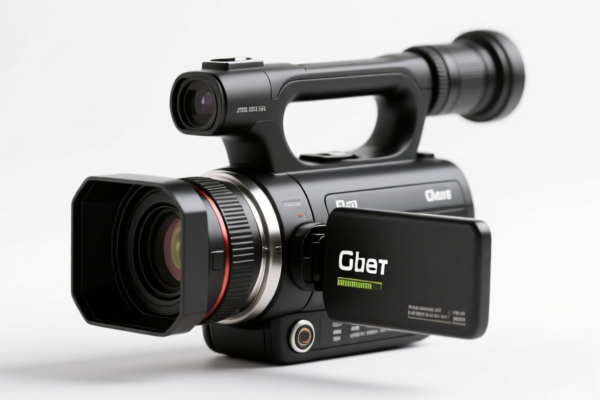
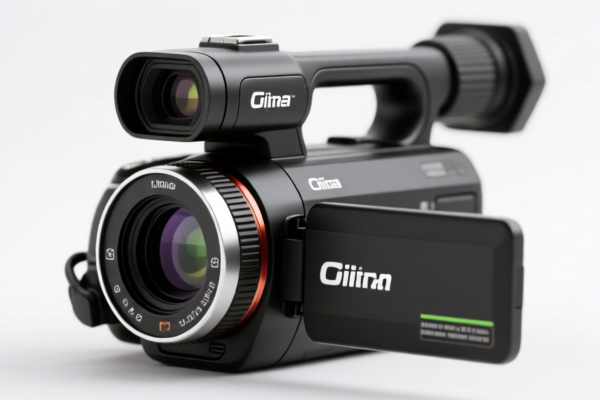
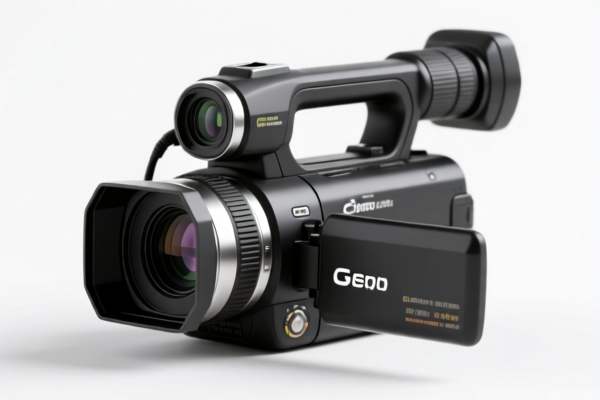

AI Analysis
🎞️ Film HD Recording (High-Definition Photographic/Filming Film)
🌐 HS Code Reference & Customs Clearance Guide | 2026 Latest Tariff Analysis | Professional Entry Strategy
📌 I. Product Definition & Classification: Do You Understand "Film HD Recording"?
"Film HD Recording" typically refers to unexposed or exposed photographic/filming materials used in high-definition video or photography. In international trade, these goods fall under Chapter 37 (Photographic or Cinematographic Goods). The classification depends heavily on whether the film is unexposed (raw stock) or exposed (developed images), and its specific physical characteristics (width, color, etc.).
⚠️ Key Distinction:
- Unexposed Raw Film (Sensitized, ready for use) → Generally classified under 3702 (Photographic film in rolls, unexposed) or 3706 (Cinematographic film, exposed or unexposed).
- Exposed/Developed Film (Contains images) → Strictly classified under 3706 (Cinematographic film, exposed).
- Chemical Preparations (If "recording" implies liquid developers/fixers) → Classified under 3707 (Preparations for photographic use).
📦 II. HS Code Classification Details (2026 Latest Tariff Authority Mapping)
Based on the provided data, here are the four possible HS Codes for "Film HD Recording," categorized by product state:
| HS Code | Product Description | Application Scenario | State/Type |
|---|---|---|---|
3706.10.60.90 |
Cinematographic film, exposed, other (35mm or wider) | Already exposed影像载体, conforms to 35mm+ film characteristics. | ✅ Exposed |
3706.90.00.60 |
Cinematographic film, other, exposed | Other exposed developed films, not specified as 35mm+. | ✅ Exposed |
3702.56.00.30 |
Unexposed color photographic film in rolls, width > 35mm | Raw "HD Video" grade film, width > 35mm, color/sensitized. | ✅ Unexposed |
3702.56.00.60 |
Unexposed color photographic film in rolls, width > 35mm | Raw film for color photography, non-paper/non-textile base. | ✅ Unexposed |
3707.90.32.90 |
Chemical preparations for photographic use | If "Recording" implies liquid chemicals (developers/fixers). | ✅ Chemicals |
🔍 Critical Reminder:
- Exposed Film MUST be declared under Chapter 3706. Misdeclaring exposed film as unexposed (3702) is a common error that leads to penalties.
- Unexposed Film with width > 35mm falls under 3702.56 (if color) or 3702.55/54 (if B&W). The "HD Video" application suggests high-sensitivity, large-format stock.
- Chemicals are only applicable if the product is liquid/powder, not the film itself.
💰 III. 2026 Latest Tariff Rate Breakdown (Including Surcharges)
✅ Applicable Country: United States (US)
✅ Country of Origin: China (CN)
✅ Effective Date: November 10, 2025 (for all subsequent imports)
🎯 1. 3706.10.60.90 – Cinematographic Film, Exposed (Other)
| Item | Content |
|---|---|
| Base Tariff Rate | 0.0% |
| Section 301 Surcharge | +25.0% |
| Section 122 Surcharge | +10.0% |
| Total Tariff Rate | 35.0% |
| Tax Calculation | CIF Value × 35% |
| De Minimis Exemption | ❌ Not Eligible (Due to Section 301/122) |
| Legal Basis Path | IEEPA:9903.01.25 → USITC:3706.10.60.90 → FOOTNOTE:3706 |
📌 Explanation:
- 0% Base: Under normal MFN (Most Favored Nation) treatment.
- 25% Surcharge: From USITC Footnote 9903.88.01 (Section 301 tariffs on Chinese goods).
- 10% Surcharge: From Section 122 tariffs (specifically targeting certain Chinese imports, often applied alongside Section 301).
- Total 35%: This is a high-duty item. Importers must budget accordingly.
🎯 2. 3706.90.00.60 – Cinematographic Film, Exposed (Other)
| Item | Content |
|---|---|
| Base Tariff Rate | 0.0% |
| Section 301 Surcharge | +25.0% |
| Section 122 Surcharge | +10.0% |
| Total Tariff Rate | 35.0% |
| Tax Calculation | CIF Value × 35% |
| De Minimis Exemption | ❌ Not Eligible |
| Legal Basis Path | IEEPA:9903.01.25 → USITC:3706.90.00.60 → FOOTNOTE:3706 |
📌 Note:
- Same tax structure as3706.10.60.90.
- Applies to exposed films that do not fit the specific "35mm or wider" description of 3706.10, or other specialized exposed formats.
🎯 3. 3702.56.00.30 – Unexposed Color Film, Width > 35mm (HD Video Grade)
| Item | Content |
|---|---|
| Base Tariff Rate | 0.0% |
| Section 301 Surcharge | +25.0% |
| Section 122 Surcharge | +10.0% |
| Total Tariff Rate | 35.0% |
| Tax Calculation | CIF Value × 35% |
| De Minimis Exemption | ❌ Not Eligible |
| Legal Basis Path | IEEPA:9903.01.25 → USITC:3702.56.00.30 → FOOTNOTE:3702 |
📌 Explanation:
- "HD Video" Application: This code captures films used for professional/high-definition video recording.
- Width > 35mm: Standard 35mm film is often taxed differently; wider formats (e.g., 65mm, 70mm) or specific "high-definition" sensor-equivalent film stocks fall here.
- Color: The "60" in3702.56.00.60and "30" in3702.56.00.30distinguish between different sub-categories or specific manufacturer codes within the same HS prefix. Both carry the same 35% duty.
🎯 4. 3702.56.00.60 – Unexposed Color Film, Width > 35mm (General)
| Item | Content |
|---|---|
| Base Tariff Rate | 0.0% |
| Section 301 Surcharge | +25.0% |
| Section 122 Surcharge | +10.0% |
| Total Tariff Rate | 35.0% |
| Tax Calculation | CIF Value × 35% |
| De Minimis Exemption | ❌ Not Eligible |
| Legal Basis Path | IEEPA:9903.01.25 → USITC:3702.56.00.60 → FOOTNOTE:3702 |
📌 Note:
- Identical tax rate to3702.56.00.30.
- Use this if the film is general-purpose color photographic film >35mm, without the specific "HD Video" designation, or if the customs broker prefers this specific sub-code for general color stock.
🎯 5. 3707.90.32.90 – Chemical Preparations for Photographic Use
| Item | Content |
|---|---|
| Base Tariff Rate | 0.0% |
| Section 301 Surcharge | +25.0% |
| Section 122 Surcharge | +10.0% |
| Total Tariff Rate | 35.0% |
| Tax Calculation | CIF Value × 35% |
| De Minimis Exemption | ❌ Not Eligible |
| Legal Basis Path | IEEPA:9903.01.25 → USITC:3707.90.32.90 → FOOTNOTE:3707 |
📌 Caution:
- Only apply if the product is chemicals (developers, fixers, washes).
- Do NOT use this for the physical film.
- If your shipment contains both film and chemicals, declare them separately to avoid classification errors.
🛠️ IV. Customs Clearance Practical Advice (Real-World Pitfall Avoidance)
✅ 1. Documentation Checklist (Mandatory)
| Document | Required | Description |
|---|---|---|
| ✅ Product Specification Sheet | ✔️ | Must specify: Exposed vs. Unexposed, Width (mm), Color/B&W, Format (Roll/Reel). |
| ✅ Photo/Video of Product | ✔️ | Clear image of the film canister/roll. Label must show "Exposed" or "Unexposed". |
| ✅ Commercial Invoice | ✔️ | Describe as "Cinematographic Film" or "Photographic Film", NOT "Video Tape" (which is 8523) or "Digital Recording". |
| ✅ Material Safety Data Sheet (MSDS) | ✔️ | Required if importing Chemicals (3707) or if the film has special coating hazards. |
| ✅ Packing List | ✔️ | Detail quantity of rolls, width, and total length. |
| ✅ Certificate of Origin | ✔️ | If applicable for potential future FTZ benefits (though currently 35% is high). |
✅ 2. Declaration Tips (Key Mnemonics)
🔥 "Exposed is 3706, Unexposed is 3702. Width >35mm, 35% Duty, No De Minimis!"
| Scenario | Correct Declaration | Wrong Declaration | Consequence |
|---|---|---|---|
| Exposed Film | 3706.10.60.90 or 3706.90.00.60 |
3702.56.00.30 (Unexposed) |
Classified Incorrectly. Customs may seize or fine. |
| Unexposed >35mm | 3702.56.00.30 or 3702.56.00.60 |
3707 (Chemicals) |
Wrong Chapter. High risk of penalty. |
| Chemicals | 3707.90.32.90 |
3702 (Film) |
Safety Hazard. Missing MSDS = Blocked shipment. |
| Digital Video | 8523.49.80.80 (USB/SSD) |
3706 (Film) |
Wrong Product. Film is analog, not digital. |
✅ 3. Special Circumstances
| Scenario | Handling Advice |
|---|---|
| Mixed Shipment (Film + Chemicals) | Declare separately. Film under 3706/3702. Chemicals under 3707. Same 35% rate, but different HS codes. |
| "HD" Marketing Term | Do NOT use "HD" in the HS description if it implies digital. Use "High-Speed" or "Professional Grade" if referring to film sensitivity/quality. |
| Small Samples (<800 USD) | ❌ No De Minimis. Even small shipments of Chinese film face 35% duty. |
| Origin Marking | Ensure "Made in China" is clearly marked on the film canister and outer carton. |
🌍 V. Global Customs Clearance Comparison (2026 Latest)
| Country/Region | Recommended HS Code | Tariff Rate | Certification Required | Notes |
|---|---|---|---|---|
| 🇺🇸 USA | 3706.10.60.90 / 3702.56.00.30 |
35% (0% + 25% + 10%) | FDA (if chemicals), Labeling | High barrier due to Section 301/122. |
| 🇨🇳 China | 3706 / 3702 |
0-5% | N/A | Low tariff, easy entry. |
| 🇪🇺 EU | 3706 / 3702 |
0-6% | CE (if chemicals) | No Section 301 equivalent. |
| 🇦🇺 Australia | 3706 / 3702 |
5% | APEC/CITES (if applicable) | Moderate duty. |
| 🇯🇵 Japan | 3706 / 3702 |
0-3% | PSE (if chemicals) | Low duty. |
📌 Conclusion:
- The USA is the most expensive market for Chinese film imports due to the 35% cumulative tariff.
- EU, Japan, and Australia offer much more favorable conditions. Consider supply chain diversification if targeting the US heavily.
📌 VI. Common Errors & Pitfall Avoidance (Blood & Tears Lessons)
❌ Error 1: Declaring Exposed Film as Unexposed
👉 Consequence: Customs will re-classify, charge the correct duty, and may impose penalties for misdeclaration.
👉 Fix: Clearly state "EXPOSED" on the invoice and commercial documents.
❌ Error 2: Using "Video Tape" or "Digital Film"
👉 Consequence: Wrong HS Code (e.g., 8523 or 9002). Customs will reject and delay shipment.
👉 Fix: Use "Cinematographic Film" or "Photographic Film".
❌ Error 3: Ignoring Section 122 Tariff
👉 Consequence: Budgeting only for 25% (Section 301) leaves 10% uncovered.
👉 Fix: Always calculate 35% (0+25+10) for Chinese-origin goods.
❌ Error 4: Misclassifying Chemicals as Film
👉 Consequence: Safety data missing. Shipment held by CBP for hazardous material review.
👉 Fix: Provide MSDS and declare under 3707.
✅ Correct Declaration Example:
"Cinematographic Film, 35mm Width, Exposed, Color, for Professional Video Recording, Made in China. HS: 3706.10.60.90."
🎯 VII. Conclusion: Professional Declaration, Save Time & Money!
🎯 Remember the Mantra:
🔹 "Exposed = 3706, Unexposed = 3702. Width >35mm = 3702.56. Total Duty = 35%."
🔹 "No De Minimis for China. Always declare 'Exposed' if developed."
📌 Pro Tip:
If your film is not from China (e.g., Japan, USA, Germany), the tariff may be 0% (Base only).
✅ Check Origin Carefully! If you can source film from Vietnam, India, or Europe, you can save 35% on duties.
📣 Immediate Action:
📞 Contact your customs broker with photos and spec sheets.
🚀 Apply for Advance Ruling if shipping large volumes regularly.
💼 Precise Classification = Profit Protection!
✨ Professional Clearance Starts with Accurate HS Codes!
💼 Every Percent Counts in International Trade!
Customer Reviews
About HS Code Classification
The Harmonized System (HS) is an internationally standardized nomenclature developed by the World Customs Organization (WCO) to classify traded products. Over 200 countries use the HS system as the basis for customs tariffs, trade statistics, and import/export regulations.
Each HS code follows a hierarchical structure:
- Chapter (2 digits) — Broad category of goods (e.g., Chapter 84: Machinery and Mechanical Appliances)
- Heading (4 digits) — More specific grouping within the chapter
- Subheading (6 digits) — Internationally standardized breakdown, used by all WCO member countries
- National subdivisions (8-10 digits) — Country-specific extensions for further classification, such as US HTSUS 10-digit codes
Correct HS code classification is essential for smooth customs clearance, accurate duty payment, and compliance with trade regulations. Misclassification can lead to customs delays, overpayment of duties, or penalties.
When importing from CN to US, the applicable tariff rates may include:
- Most-Favored-Nation (MFN) rate — The standard duty rate applied to WTO members
- General rate — Applied to countries without trade agreements
- Trade remedy duties — Additional tariffs such as Section 301 (anti-dumping), Section 232 (national security), or countervailing duties
The information provided on this page is for reference purposes only. For official classification, please consult with your local customs authority or a licensed customs broker.