film roll low noise
CN → US| HS Code | Tariff Rate | Origin | Destination | Doc |
|---|---|---|---|---|
| 3920991000 | 41.0% | CN | US | Official Doc |
| 3920100000 | 39.2% | CN | US | Official Doc |
| 3923400010 | 40.3% | CN | US | Official Doc |
| 3923400050 | 40.3% | CN | US | Official Doc |
| 3919102055 | 40.8% | CN | US | Official Doc |
| 3919905060 | 40.8% | CN | US | Official Doc |
Product Images


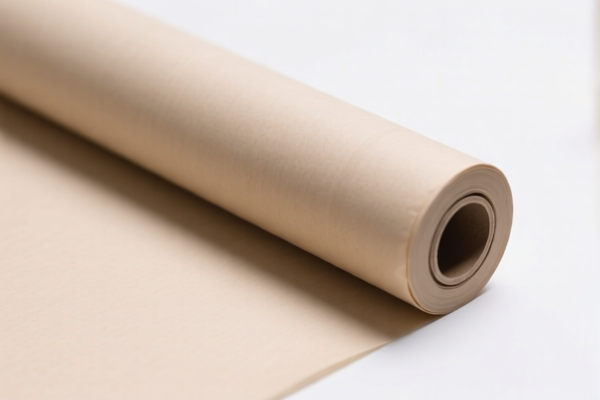
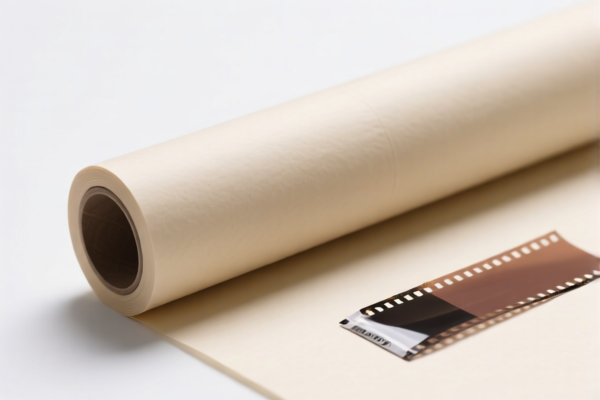
AI Analysis
🎬 Film Roll – Low Noise (Plastic Film, Self-Adhesive, Non-Rolling, for Packaging & Conveyance)
🌐 HS Code Reference & Customs Clearance Guide | 2026 Updated Tariff Analysis | Pro-Level Import Strategy
📌 One, Product Definition & Classification: What Exactly Is “Low Noise Film Roll”?
"Low noise film roll" refers to thin, flexible plastic films used primarily in packaging, conveying goods, or industrial applications, where noise reduction during handling or unwinding is a key design feature. These films are often self-adhesive, non-rolling, or used in spools, bobbins, or reels for precision winding in manufacturing or logistics.
⚠️ Critical Distinction:
- If the film is self-adhesive, flat, and in rolls → HS Code 3919.10.20.55
- If the film is non-adhesive, flexible, and over 0.152 mm thick, not in rolls → HS Code 3920.99.10.00
- If the film is part of a spool, cop, bobbin, or reel for conveying goods → HS Code 3923.40.00.10 / 3923.40.00.50
📦 Two, HS Code Classification Details (2026 Official Tariff Matrix)
| HS Code | Product Description | Use Case | Adhesive? | In Rolls? | Thickness |
|---|---|---|---|---|---|
3919.10.20.55 |
Self-adhesive film, tape, strip, or flat shape (plastics), in rolls ≤20 cm width | Low-noise packaging film, cushioning, protective wraps | ✅ Yes | ✅ Yes | Thin (≤0.152 mm) |
3919.90.50.60 |
Self-adhesive flat plastic shapes (other than 3919.10.20.55), not in rolls | Custom-cut adhesive strips, non-roll low-noise films | ✅ Yes | ❌ No | Thin |
3920.99.10.00 |
Non-cellular, non-reinforced plastic film/strip, flexible, >0.152 mm, not in rolls | Heavy-duty low-noise protective film, industrial shielding | ❌ No | ❌ No | >0.152 mm |
3920.10.00.00 |
Plastic film of ethylene polymers (e.g., LDPE, HDPE), non-cellular, not reinforced | General-purpose low-noise wrapping film, stretch wrap | ❌ No | ❌ No | >0.152 mm |
3923.40.00.10 |
Spools, cops, bobbins, or similar supports for conveyance/packing of goods, of plastics | Used with low-noise film rolls in production lines | ❌ No | ❌ No | N/A |
3923.40.00.50 |
Other plastic stoppers, lids, caps, closures, or supports | General-purpose packaging supports (non-film) | ❌ No | ❌ No | N/A |
🔍 Key Insight:
- “Low noise” is not a standalone classification criterion — it's a functional feature, not a tariff category.
- The HS Code is determined by material, form, thickness, adhesive type, and whether it's in rolls.
💰 Three, 2026 Updated Tariff Breakdown (With附加 Taxes & Legal Basis)
✅ Applicable Country: United States (US)
✅ Origin: China (CN)
✅ Effective Date: November 10, 2025 (and onward)
🎯 1. 3919.10.20.55 — Self-Adhesive Plastic Film, ≤20 cm Width, in Rolls
| Item | Detail |
|---|---|
| Base Duty | 0.0% (ad valorem) |
| Additional Tariff (USITC 301) | +25.0% |
| IEEPA Emergency Tariff | +10.0% (China-origin products) |
| Total Effective Duty | 35.0% |
| Tax Calculation | CIF Value × 35.0% |
| De Minimis Threshold | ❌ Not applicable (denied) |
| Legal Path | IEEPA:9903.01.24 → USITC:3919.10.20.55 → FOOTNOTE:9903.88.01 |
📌 Explanation:
- Despite being "low noise" and "thin", this film is still subject to 301 + IEEPA tariffs because it's plastic-based, self-adhesive, and Chinese-origin.
- The ≤20 cm width is a critical factor — if wider, it may fall under a different subheading.
🎯 2. 3919.90.50.60 — Other Self-Adhesive Plastic Flat Shapes (Not in Rolls)
| Item | Detail |
|---|---|
| Base Duty | 0.0% |
| USITC 301 Tariff | +25.0% |
| IEEPA Tariff | +10.0% |
| Total Duty | 35.0% |
| Tax Basis | CIF × 35.0% |
| De Minimis | ❌ Not eligible |
| Legal Path | IEEPA:9903.01.24 → USITC:3919.90.50.60 → FOOTNOTE:9903.88.01 |
📌 Note:
- Even if the film is cut into strips or non-rollable shapes, it still triggers the same tariffs if it's self-adhesive and plastic-based.
🎯 3. 3920.99.10.00 — Flexible Plastic Film >0.152 mm, Not in Rolls
| Item | Detail |
|---|---|
| Base Duty | 0.0% |
| USITC 301 Tariff | +25.0% |
| IEEPA Tariff | +10.0% |
| Total Duty | 35.0% |
| Tax Basis | CIF × 35.0% |
| De Minimis | ❌ Not eligible |
| Legal Path | IEEPA:9903.01.24 → USITC:3920.99.10.00 → FOOTNOTE:9903.88.01 |
📌 Important:
- Even thick, non-roll films used for low-noise industrial shielding are taxed at 35% if Chinese-origin and plastic.
🎯 4. 3920.10.00.00 — Plastic Film of Ethylene Polymers (LDPE/HDPE)
| Item | Detail |
|---|---|
| Base Duty | 4.2% |
| USITC 301 Tariff | +25.0% |
| IEEPA Tariff | +10.0% |
| Total Duty | 39.2% |
| Tax Basis | CIF × 39.2% |
| De Minimis | ❌ Not eligible |
| Legal Path | IEEPA:9903.01.24 → USITC:3920.10.00.00 → FOOTNOTE:9903.88.01 |
📌 Critical Warning:
- Ethylene-based films (e.g., LDPE, HDPE) are subject to higher base duty (4.2%) — this makes them more expensive to import than other plastics.
- Even if labeled “low noise”, material type dominates the tariff.
🎯 5. 3923.40.00.10 — Plastic Spools, Cops, Bobbins (for Film Reels)
| Item | Detail |
|---|---|
| Base Duty | 0.0% |
| USITC 301 Tariff | +25.0% |
| IEEPA Tariff | +10.0% |
| Total Duty | 35.0% |
| Tax Basis | CIF × 35.0% |
| De Minimis | ❌ Not eligible |
| Legal Path | IEEPA:9903.01.24 → USITC:3923.40.00.10 → FOOTNOTE:9903.88.01 |
📌 Insight:
- Even plastic spools used to hold low-noise film rolls are taxed at 35% if Chinese-made.
- This is not a "support" exemption — it’s treated as plastic packaging under 301.
🎯 6. 3923.40.00.50 — Other Plastic Supports, Closures, Lids
| Item | Detail |
|---|---|
| Base Duty | 0.0% |
| USITC 301 Tariff | +25.0% |
| IEEPA Tariff | +10.0% |
| Total Duty | 35.0% |
| Tax Basis | CIF × 35.0% |
| De Minimis | ❌ Not eligible |
| Legal Path | IEEPA:9903.01.24 → USITC:3923.40.00.50 → FOOTNOTE:9903.88.01 |
📌 Note:
- If your "low noise film" comes with plastic caps, lids, or closures, they are not exempt — they’re taxed at 35%.
🛠️ Four, Customs Clearance Best Practices (Real-World Tips)
✅ 1. Required Documentation (Must-Have List)
| Document | Required? | Purpose |
|---|---|---|
| ✅ Product Specification Sheet | ✔️ | Confirm material, thickness, adhesive type |
| ✅ Film Roll Dimensions & Width | ✔️ | Verify if ≤20 cm → affects 3919.10.20.55 |
| ✅ Material Certificate (e.g., LDPE/PP) | ✔️ | Critical for correct HS Code |
| ✅ Product Photos (with label, roll, spool) | ✔️ | Prove structure and use |
| ✅ Commercial Invoice | ✔️ | Must state “Low Noise Plastic Film Roll” |
| ✅ Certificate of Origin (CO) | ✔️ | If from Vietnam/Mexico, may avoid 301 tariffs |
| ✅ Packing List | ✔️ | Show if film and spool are bundled |
✅ 2.申报技巧 (Key Rules to Remember)
🔥 “Material First, Form Second, Origin Last – No Exceptions!”
| Scenario | Correct HS Code | Wrong Code | Risk |
|---|---|---|---|
| Self-adhesive, ≤20 cm, in rolls | 3919.10.20.55 |
3920.99.10.00 |
35% → 35% (same), but wrong classification |
| Ethylene-based film, >0.152 mm | 3920.10.00.00 |
3920.99.10.00 |
4.2% vs 0% base duty → +4.2% tax |
| Plastic spool used with film | 3923.40.00.10 |
3920.99.10.00 |
35% vs 35%, but wrong classification → audit risk |
| Non-adhesive, thin film, not in rolls | 3919.90.50.60 |
3919.10.20.55 |
Wrong tariff path → penalty |
✅ 3. Special Cases & Workarounds
| Situation | Solution |
|---|---|
| Low-noise film from Vietnam | Apply for CO → Exempt from 301 + IEEPA tariffs → 0% duty |
| Film with custom adhesive | Provide technical data sheet → confirm it’s not "specialized" for military → avoid IEEPA |
| Film used in medical devices | Apply for non-commercial use exemption (if applicable) |
| Film rolls in bulk packaging | Do not split into film + spool → total tax = 35%, not 70% |
🌍 Five, Global Market Comparison (2026)
| Country | Recommended HS Code | Tariff | Certification | Notes |
|---|---|---|---|---|
| 🇺🇸 USA | 3919.10.20.55 |
35% (China) | FDA (if medical), FCC | 301 + IEEPA apply |
| 🇨🇳 China | 3919.10.20.55 |
5% | CCC, RoHS | No extra tariffs |
| 🇪🇺 EU | 3919.10.20.55 |
0% (if CE) | CE, RoHS | No 301/IEEPA |
| 🇦🇺 Australia | 3919.10.20.55 |
5% | RCM | No extra tariffs |
| 🇯🇵 Japan | 3919.10.20.55 |
0% | PSE | No extra tariffs |
📌 Conclusion:
- Only the US imposes 35–39.2% tariffs on low-noise plastic film rolls.
- Vietnam/Mexico/Thailand origin can avoid all附加 taxes.
📌 Six, Common Mistakes & How to Avoid Them (Real Cases)
❌ Mistake 1: Labeling a LDPE film roll as “non-adhesive” to avoid 301 tariff
👉 Result: If adhesive is present → 39.2% tax, not 35% → overpayment & penalties
❌ Mistake 2: Splitting film roll + spool into two shipments
👉 Result: Each item taxed at 35% → 70% total → $10,000+ extra tax
❌ Mistake 3: Not providing material certificate
👉 Result: Customs assumes ethylene polymer → 39.2% instead of 35%
✅ Correct Way:
“Low Noise Plastic Film Roll, 15 cm width, self-adhesive, LDPE, in rolls, for packaging, Model XYZ, CO from Vietnam, FCC & RoHS Certified”
🎯 Seven, Final Verdict: Precision Matters!
🎯 Remember the Golden Rule:
🔹 “Material > Form > Function > Origin”
🔹 “Low noise” doesn’t reduce tax — only origin and material do.
📌 Pro Tip:
If your film is from Vietnam, Mexico, or Thailand, apply for CO — you can avoid 301 + IEEPA tariffs entirely.
✅ Request an Advance Ruling (Pre-Clearance) from U.S. Customs to lock in HS Code and duty rate.
📣 Act Now:
📞 Contact a licensed customs broker + submit product specs + request HS Code pre-ruling
🚀 Get your low-noise film roll cleared fast, legally, and at the lowest possible cost!
✨ Smart Tariff Strategy Starts with Accurate Classification!
💼 Your profit margin depends on one HS Code — get it right the first time!
Customer Reviews
About HS Code Classification
The Harmonized System (HS) is an internationally standardized nomenclature developed by the World Customs Organization (WCO) to classify traded products. Over 200 countries use the HS system as the basis for customs tariffs, trade statistics, and import/export regulations.
Each HS code follows a hierarchical structure:
- Chapter (2 digits) — Broad category of goods (e.g., Chapter 84: Machinery and Mechanical Appliances)
- Heading (4 digits) — More specific grouping within the chapter
- Subheading (6 digits) — Internationally standardized breakdown, used by all WCO member countries
- National subdivisions (8-10 digits) — Country-specific extensions for further classification, such as US HTSUS 10-digit codes
Correct HS code classification is essential for smooth customs clearance, accurate duty payment, and compliance with trade regulations. Misclassification can lead to customs delays, overpayment of duties, or penalties.
When importing from CN to US, the applicable tariff rates may include:
- Most-Favored-Nation (MFN) rate — The standard duty rate applied to WTO members
- General rate — Applied to countries without trade agreements
- Trade remedy duties — Additional tariffs such as Section 301 (anti-dumping), Section 232 (national security), or countervailing duties
The information provided on this page is for reference purposes only. For official classification, please consult with your local customs authority or a licensed customs broker.