film roll scientific use
CN → US| HS Code | Tariff Rate | Origin | Destination | Doc |
|---|---|---|---|---|
| 3702410100 | 38.7% | CN | US | Official Doc |
| 3704000000 | 35.0% | CN | US | Official Doc |
| 3702440160 | 38.7% | CN | US | Official Doc |
Product Images

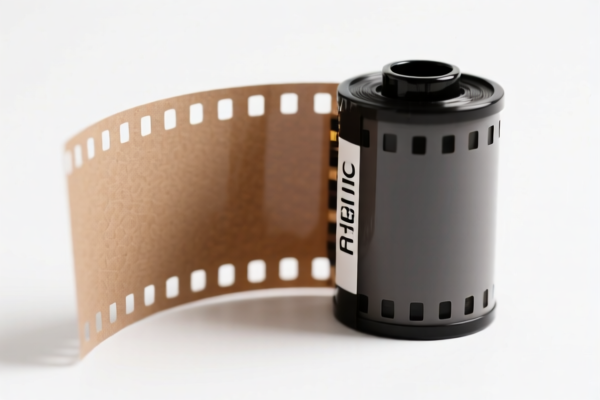
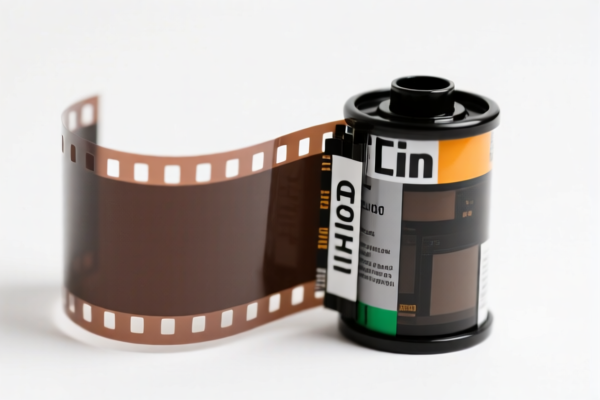
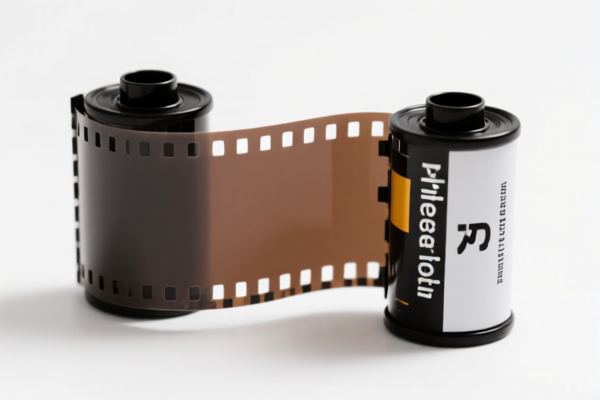
AI Analysis
🎞️ Color Film Roll for Scientific Research (HS Code Classification & Customs Clearance Guide)
🌐 HS Code Reference & Customs Clearance Guide | 2026 Latest Tariff Analysis | Professional Clearance Strategy
📌 I. Product Definition & Classification: What is "Scientific Color Film Roll"?
"Color Film Roll for Scientific Use" refers to photographic materials that are color-sensitive, wide-format (width > 105mm), and intended for research or scientific purposes. In international trade, these products are classified based on two critical factors: 1. State of the film: Is it unexposed (raw material) or exposed (processed data)? 2. Material composition: Is it mounted on paper, textile, or other non-paper/non-textile bases?
⚠️ Key Distinction:
- If the film is unexposed (raw sensitized material) → Generally falls under HS 3702.
- If the film is exposed (already processed, containing photographic data) → Falls under HS 3704.
📦 II. HS Code Classification Details (2026 Latest Tariff Authority Comparison)
Based on the provided data, there are three potential HS Codes for "Color Wide-Format Film Rolls (Scientific Grade)". Here is the breakdown:
| HS Code | Product Description | Applicable Scenario | Key Classification Basis |
|---|---|---|---|
3702.41.01.00 |
Color wide-format film (unexposed) for research, width > 105mm, sensitized material | Raw scientific film, unexposed, for photochemical research | Unexposed, Width > 105mm, Color |
3704.00.00.00 |
Color wide-format film (exposed) for research, processed photographic material | Scientific data recorded on film, already exposed | Exposed (Processed) |
3702.44.01.60 |
Color wide-format film (unexposed) for research, roll-mounted, width > 105mm, non-paper/non-textile base | Raw film on plastic/polyester base, scientific use | Unexposed, Width > 105mm, Non-paper base |
🔍 Important Reminder:
- Unexposed vs. Exposed: This is the most critical distinction. 3702 is for raw film. 3704 is for film that has already been exposed and developed. Misclassification here can lead to significant tariff differences. - Width: The summary specifies "width exceeds 105mm" (wide format). This excludes standard 35mm or 120 format films. - Base Material: For HS 3702, the base material (paper vs. plastic) may influence subheading selection (e.g., 3702.41 vs 3702.44).
💰 III. 2026 Latest Tariff Rate Details (Including Additional Duties & Policy Surcharges)
✅ Applicable Country: United States (US)
✅ Country of Origin: China (CN)
✅ Effective Date: From 2025/2026 onwards (subject to current trade policies)
🎯 1. 3702.41.01.00 — Unexposed Color Wide-Format Film (Research Grade)
| Item | Content |
|---|---|
| Base Tariff | 3.7% (ad valorem) |
| Section 301 Surcharge | +25.0% |
| Section 122 Tariff | +10.0% |
| Total Tariff Rate | 38.7% |
| Tax Calculation | CIF Value × 38.7% |
| De Minimis Exemption | ❌ Not Applicable (High tariffs usually exclude de minimis relief for China-origin goods) |
| Legal Basis Path | HTSUS:3702.41.01.00 → Section 301: Footnote 9903.88.01 → Section 122 |
📌 Explanation:
- Base Tariff 3.7%: Standard MFN rate for photographic film. - Section 301 Tariff 25%: Imposed under the U.S. Trade Representative (USTR) on Chinese goods, including specific photographic materials. - Section 122 Tariff 10%: Additional duty under Section 122 of the Trade Expansion Act of 1962 (often applied to protect national security or balance of payments). - Total 38.7%: This is a very high effective tariff, significantly impacting cost.
🎯 2. 3704.00.00.00 — Exposed Color Wide-Format Film (Research Data)
| Item | Content |
|---|---|
| Base Tariff | 0.0% |
| Section 301 Surcharge | +25.0% |
| Section 122 Tariff | +10.0% |
| Total Tariff Rate | 35.0% |
| Tax Calculation | CIF Value × 35.0% |
| De Minimis Exemption | ❌ Not Applicable |
| Legal Basis Path | HTSUS:3704.00.00.00 → Section 301 → Section 122 |
📌 Note:
- Although the base tariff is 0%, the additional surcharges still apply. - Total 35.0%: Slightly lower than the unexposed film (38.7%) due to the 3.7% base tariff exemption for processed films. - Caution: Ensure the film is truly "exposed" and used for data recording, not just raw material. If misclassified, customs may reclassify it as 3702.
🎯 3. 3702.44.01.60 — Unexposed Color Wide-Format Film (Non-Paper Base)
| Item | Content |
|---|---|
| Base Tariff | 3.7% |
| Section 301 Surcharge | +25.0% |
| Section 122 Tariff | +10.0% |
| Total Tariff Rate | 38.7% |
| Tax Calculation | CIF Value × 38.7% |
| De Minimis Exemption | ❌ Not Applicable |
| Legal Basis Path | HTSUS:3702.44.01.60 → Section 301 → Section 122 |
📌 Explanation:
- This code is for film on a non-paper, non-textile base (e.g., polyester/acetate). - Same high tariff burden as3702.41.01.00. - The distinction between 3702.41 and 3702.44 often lies in the specific subheading criteria for width and base material. Ensure accurate documentation of the film base.
🛠️ IV. Practical Customs Clearance Advice (Real-World Pitfall Avoidance Guide)
✅ 1. Required Documentation List (Do Not Miss Any)
| Document | Required | Description |
|---|---|---|
| ✅ Product Specification Sheet | ✔️ | Must detail: Width (>105mm), Color/Black & White, Base Material (Paper/Plastic), Sensitivity, and intended scientific use. |
| ✅ Declaration of State (Exposed/Unexposed) | ✔️ | Crucial for distinguishing between HS 3702 and 3704. Provide lab certificates if available. |
| ✅ Product Photos | ✔️ | Clear images of the roll, packaging, and label showing width and type. |
| ✅ Commercial Invoice | ✔️ | Clearly state "Color Wide-Format Film for Scientific Research" and specify HS Code. |
| ✅ Packing List | ✔️ | Detail contents, ensuring no other non-photographic items are mixed. |
| ✅ Certificate of Origin (CO) | ✔️ | Essential for determining origin (China) and applicable tariffs. |
| ✅ End-User Certificate (if required) | ✔️ | Some scientific exports may require proof of non-dual-use to avoid additional scrutiny. |
✅ 2. Declaration Techniques (Key Mnemonics)
🔥 "Exposed is 3704, Unexposed is 3702; Width >105mm is Key; Base Material Matters!"
| Scenario | Correct Declaration | Wrong Practice |
|---|---|---|
| Unexposed Film, Plastic Base | 3702.44.01.60 |
Misreporting as 3702.41 → Potential reclassification & penalties |
| Unexposed Film, Paper Base | 3702.41.01.00 |
Misreporting as 3702.44 |
| Exposed Film (Scientific Data) | 3704.00.00.00 |
Reporting as raw film → Overpayment of 3.7% base tariff |
| Standard 35mm Film | Not covered in this summary | Trying to force into "Wide Format" → Rejection |
✅ 3. Special Situation Handling
| Situation | Handling Advice |
|---|---|
| Dual-Use Risk | Scientific film may be scrutinized for potential military use. Provide clear evidence of civilian scientific research purpose. |
| Chemical Content | If the film contains hazardous chemicals, additional SDS (Safety Data Sheet) may be required for transport. |
| Valuation | Due to high tariffs, ensure the declared CIF value is accurate. Under-valuation leads to severe penalties. |
| Pre-Ruling | Given the complexity and high tariffs, apply for a Binding Ruling (ISD Pre-Ruling) from CBP before shipment to confirm the HS Code. |
🌍 V. Global Market Comparison (2026 Latest)
| Country/Region | Recommended HS Code | Tariff (China Origin) | Certification | Notes |
|---|---|---|---|---|
| 🇺🇸 USA | 3702.41.01.00 / 3704.00.00.00 |
35.0% - 38.7% | None specific for film | High Section 301 & 122 tariffs make this market expensive. |
| 🇨🇳 China | 3702.41 / 3704.00 |
3.7% / 0% | N/A | Low base tariffs, no additional US-style surcharges. |
| 🇪🇺 EU | 3702.44 / 3704.00 |
6.5% / 0% | CE (if applicable) | No Section 301 equivalent, but VAT applies. |
| 🇯🇵 Japan | 3702.44 / 3704.00 |
3.2% / 0% | PSE (if applicable) | Moderate tariffs. |
| 🇰🇷 South Korea | 3702.44 / 3704.00 |
0% / 0% | KC | FTA may apply, but check specific film rules. |
📌 Conclusion:
- The US market imposes the highest barriers due to Section 301 (25%) and Section 122 (10%) tariffs.
- Europe and Asia are more favorable for cost-effective exports, provided compliance with local standards.
- Scientific Use does not automatically grant tariff exemptions in the US unless specific government contracts or free trade agreements apply.
📌 VI. Common Errors & Pitfall Guide (Lessons Learned from Blood & Tears)
❌ Error 1: Failing to declare "Exposed" status for processed scientific film
👉 Consequence: Misclassified as raw film (3702) → Overpayment of base tariff or potential penalty for misdeclaration.
❌ Error 2: Ignoring Section 122 Tariff
👉 Consequence: Underestimating total cost by 10%. The total tax is not just 301 + Base, but also includes 122.
❌ Error 3: Misidentifying Film Width
👉 Consequence: If width is ≤105mm, it may fall under a different subheading with different tariffs. Ensure "Width > 105mm" is clearly stated.
❌ Error 4: Vague Product Description
👉 Consequence: "Film Roll" is too vague. Must specify "Color, Wide-Format (>105mm), Scientific Research, Unexposed/Exposed".
✅ Correct Practice:
"Color Wide-Format Photographic Film, Unexposed, Width 120mm, Polyester Base, For Scientific Research, Model XYZ, HS Code 3702.44.01.60"
🎯 VII. Conclusion: Professional Declaration, Save Time and Money!
🎯 Remember Mnemonics:
🔹 "Exposed is 3704, Unexposed is 3702; Width >105mm is Key; Base Material Matters!"
🔹 "US Tariff is High: 301 + 122 + Base = 35-38.7%; Plan Ahead!"
📌 Pro Tips:
- If your film is not for scientific use but for general photography, the classification may differ.
- Consider Third-Country Transshipment (e.g., Vietnam, Mexico) if feasible, but ensure substantial transformation to avoid Section 301 tracing.
- Always apply for a CBP Pre-Ruling for high-value scientific shipments to mitigate clearance risks.
📣 Immediate Action:
📞 Contact a professional customs broker + Provide detailed product specs + Apply for HS Code Pre-Ruling
🚀 Ensure your scientific film clears customs smoothly, efficiently, and cost-effectively!
✨ Professional Customs Clearance Starts with Precise Classification!
💼 Every cent of cost is worth calculating precisely!
Customer Reviews
About HS Code Classification
The Harmonized System (HS) is an internationally standardized nomenclature developed by the World Customs Organization (WCO) to classify traded products. Over 200 countries use the HS system as the basis for customs tariffs, trade statistics, and import/export regulations.
Each HS code follows a hierarchical structure:
- Chapter (2 digits) — Broad category of goods (e.g., Chapter 84: Machinery and Mechanical Appliances)
- Heading (4 digits) — More specific grouping within the chapter
- Subheading (6 digits) — Internationally standardized breakdown, used by all WCO member countries
- National subdivisions (8-10 digits) — Country-specific extensions for further classification, such as US HTSUS 10-digit codes
Correct HS code classification is essential for smooth customs clearance, accurate duty payment, and compliance with trade regulations. Misclassification can lead to customs delays, overpayment of duties, or penalties.
When importing from CN to US, the applicable tariff rates may include:
- Most-Favored-Nation (MFN) rate — The standard duty rate applied to WTO members
- General rate — Applied to countries without trade agreements
- Trade remedy duties — Additional tariffs such as Section 301 (anti-dumping), Section 232 (national security), or countervailing duties
The information provided on this page is for reference purposes only. For official classification, please consult with your local customs authority or a licensed customs broker.