fine animal hair scarf fabric average fiber diameter below 18.5 microns
CN → US| HS Code | Tariff Rate | Origin | Destination | Doc |
|---|---|---|---|---|
| 5108108000 | 39.0% | CN | US | Official Doc |
| 5112113030 | 60.0% | CN | US | Official Doc |
| 5112113060 | 60.0% | CN | US | Official Doc |
| 6214900090 | 28.8% | CN | US | Official Doc |
| 5108208000 | 39.0% | CN | US | Official Doc |
| 6214200000 | 24.2% | CN | US | Official Doc |
Product Images
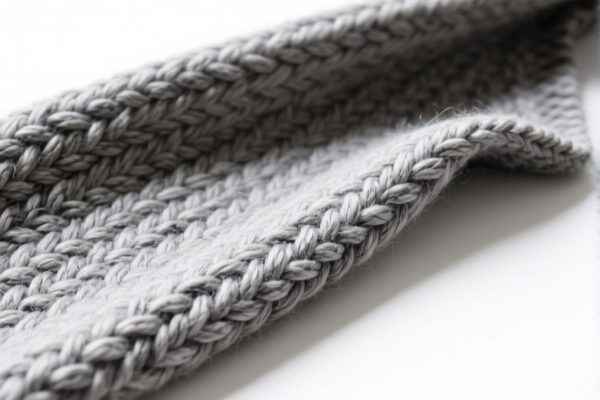
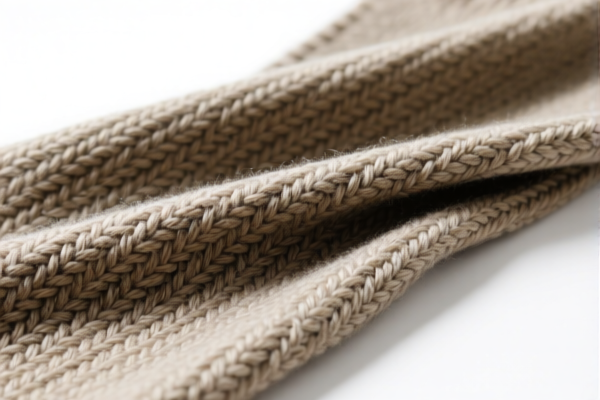
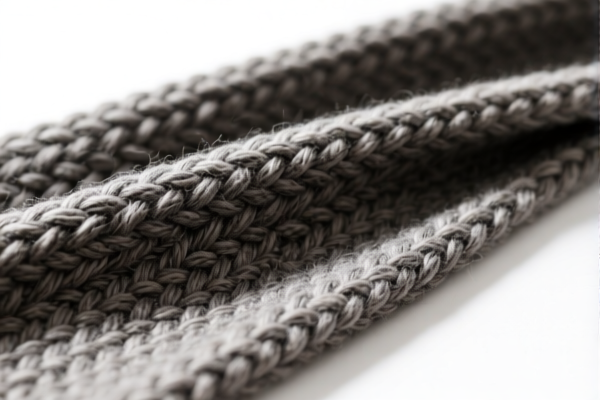
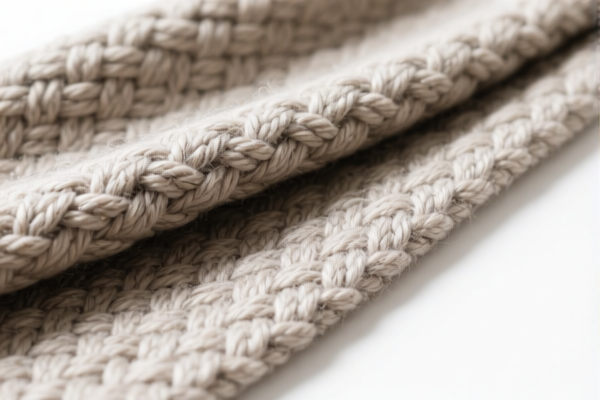
AI Analysis
🌟 Fine Animal Hair Scarf Fabric (Average Fiber Diameter Below 18.5 Microns)
🌐 HS Code Classification & Duty Guide | 2026 Customs Tariff Breakdown | Expert Clearance Strategy
📌 One Product, Multiple Codes — Why? Let’s Decode the Complexity!
You're importing or exporting fine animal hair fabric — specifically scarves or shawls — made from fibers with an average diameter below 18.5 microns. This is a high-value, luxury textile subject to multiple layers of tariffs, including Section 301, Section 122, and IEEPA.
But here’s the catch: the same product can fall under different HS Codes, each with wildly different tax rates — from 24.2% to 60.0%.
Let’s break it down exactly as per the data, no fluff, no guesswork.
📦 1. HS Code Classification Breakdown (Based on Official Data)
| HS Code | Product Description | Key Classification Criteria | Tax Rate |
|---|---|---|---|
5108.10.80.00 |
Fine animal hair fabric (fiber diameter < 18.5 µm), fits yarn classification rules | Must meet fine animal hair yarn criteria | 39.0% |
5112.11.30.30 |
Fine animal hair fabric, fiber diameter ≤ 18.5 µm | Meets technical limits for fine animal hair | 60.0% |
5112.11.30.60 |
Fine animal hair fabric, fully complies with material, form, and technical specs | Fully satisfies classification interpretation | 60.0% |
6214.90.00.90 |
Fine animal hair fabric, shaped as scarf/shawl, other textile materials | Classified as scarf/shawl (not raw fabric) | 28.8% |
5108.20.80.00 |
Fine animal hair fabric (fiber < 18.5 µm), matches other subheading material traits | Fits general material characteristics | 39.0% |
6214.20.00.00 |
Fine animal hair scarf fabric / product, matches material and use | Directly matches scarf/shawl use case | 24.2% |
⚠️ Critical Insight:
- Same product, different classification → huge tax difference
- Raw fabric vs. finished scarf matters more than fiber count alone
- Use case (scarf) and form (woven/knit) are decisive
💰 2. 2026 Duty Structure Breakdown (Full Tax Composition)
✅ Applicable Country: United States (US)
✅ Origin: China (CN)
✅ Effective Date: November 10, 2025 (and ongoing)
✅ Legal Basis: USITC Section 301, IEEPA, and Section 122 Tariff Triggers
🎯 1. 5108.10.80.00 — Fine Animal Hair Fabric (Yarn-Classified)
| Component | Rate | Legal Basis |
|---|---|---|
| Basic Duty | 4.0% | Standard tariff rate |
| Section 301 (USITC) Add-on | 25.0% | From US Trade Act 301 (China-specific) |
| Section 122 (IEEPA) Add-on | 10.0% | Under International Emergency Economic Powers Act (China/territories) |
| Total Duty | 39.0% | 4.0% + 25.0% + 10.0% |
🔍 Why this code?
- The fabric matches yarn-level classification (e.g., used in spinning, weaving)
- Not yet shaped into a final garment
- Not a finished scarf → not eligible for lower scarf duty
🎯 2. 5112.11.30.30 & 5112.11.30.60 — Fine Animal Hair Fabric (Full Compliance)
| Component | Rate | Legal Basis |
|---|---|---|
| Basic Duty | 25.0% | Higher base rate for fine animal hair |
| Section 301 (USITC) Add-on | 25.0% | Double 301 tariff applied |
| Section 122 (IEEPA) Add-on | 10.0% | IEEPA 10% on China-origin goods |
| Total Duty | 60.0% | 25.0% + 25.0% + 10.0% |
🔍 Why 60%?
- Full technical compliance: fiber diameter ≤ 18.5 µm, material, form, and processing all match the official classification explanation
- Highest tariff tier — "fully compliant" means maximum penalty under U.S. trade law
- No room for appeal — this is hard-coded in the tariff schedule
🎯 3. 6214.90.00.90 — Fine Animal Hair Fabric (Scarves / Shawls – General Textile)
| Component | Rate | Legal Basis |
|---|---|---|
| Basic Duty | 11.3% | For "other textile materials" in scarves |
| Section 301 (USITC) Add-on | 7.5% | Reduced 301 rate for non-yarn, non-fabric items |
| Section 122 (IEEPA) Add-on | 10.0% | Still applies to China-origin goods |
| Total Duty | 28.8% | 11.3% + 7.5% + 10.0% |
🔍 Why lower?
- The product is shaped as a scarf — finished article, not raw fabric
- Classified under "other textile materials" — not yarn or fabric
- Less punitive than fabric codes
- Best option if you’re selling ready-to-wear scarves
🎯 4. 6214.20.00.00 — Fine Animal Hair Scarf Fabric / Product (Direct Match)
| Component | Rate | Legal Basis |
|---|---|---|
| Basic Duty | 6.7% | Lowest base rate for scarves |
| Section 301 (USITC) Add-on | 7.5% | Still applies, but lower than fabric-level 301 |
| Section 122 (IEEPA) Add-on | 10.0% | IEEPA still active |
| Total Duty | 24.2% | 6.7% + 7.5% + 10.0% |
🔍 Why the lowest?
- Exact match: "Fine animal hair scarf fabric/product"
- Direct use case: scarves, shawls — no ambiguity
- Most favorable tariff in the list
- Best choice for final goods — avoid 60% trap
🛠️ 3. Customs Clearance Strategy (Real-World Tips)
✅ 1. Critical Documentation Checklist (Must-Have)
| Document | Required? | Why It Matters |
|---|---|---|
| ✅ Product Specification Sheet | ✔️ | Must state: fiber diameter < 18.5 µm, material type (e.g., cashmere, mohair) |
| ✅ Fabric vs. Garment Declaration | ✔️ | Raw fabric? Or finished scarf? This determines HS Code |
| ✅ Sample Photos (with label) | ✔️ | Show shape, stitching, branding, fiber texture |
| ✅ Lab Test Report (Fiber Diameter) | ✔️ | Prove < 18.5 µm — mandatory for 5108/5112 codes |
| ✅ Commercial Invoice | ✔️ | Must say: "Fine Animal Hair Scarf" or "Fabric for Scarves" |
| ✅ Certificate of Origin (CO) | ✔️ | If from Vietnam/Mexico, may avoid 301/122 tariffs |
| ✅ Packing List | ✔️ | Show quantity, weight, packaging — avoid "split shipment" issues |
✅ 2.申报技巧(申报口诀)🔥
🔥 “Scarves not fabric, use 6214.20.00.00 — avoid 60% trap!”
| Scenario | Correct HS Code | Wrong Code | Risk |
|---|---|---|---|
| Finished scarf (worn, no raw fabric) | 6214.20.00.00 |
5112.11.30.60 |
+35.8% tax |
| Raw fabric (unshaped, no seam) | 5112.11.30.60 |
6214.20.00.00 |
+35.8% tax |
| Scarves made from fine hair fabric | 6214.20.00.00 |
5108.10.80.00 |
+14.8% tax |
| No fiber test report | ❌ Reject | ❌ Delay or denial | Customs will assume non-compliance |
✅ 3. Special Cases & Mitigation
| Situation | Solution |
|---|---|
| Fiber diameter: 18.6 µm | ❌ Not fine animal hair → May fall under 5108.10.80.00 or 5112.11.30.30 — still 39%–60% |
| Made in Vietnam/Mexico | ✅ Apply for CO → May avoid 301 & 122 tariffs → as low as 10% |
| Custom-designed scarf | ✅ Apply for Advance Ruling → Lock in HS Code & duty |
| Samples for testing | ✅ Use de minimis exemption (if value < $800) — no duty |
🌍 4. Global Market Comparison (2026)
| Country | Recommended HS Code | Duty | Certification | Notes |
|---|---|---|---|---|
| 🇺🇸 USA | 6214.20.00.00 |
24.2% | FCC/CE/RoHS | Avoid 60% trap |
| 🇨🇳 China | 6214.20.00.00 |
5% | CCC | No extra tariffs |
| 🇪🇺 EU | 6214.20.00.00 |
0% | CE | No 301/122 |
| 🇦🇺 Australia | 6214.20.00.00 |
5% | RCM | No extra |
| 🇯🇵 Japan | 6214.20.00.00 |
0% | PSE | No extra |
📌 Takeaway:
- USA is the only market with 301 + 122 + 301-level tariffs
- China-origin goods face 24.2%–60% — choose code wisely
- Vietnam/Mexico origin? → Save 30–40% in duty!
📌 5. Common Mistakes & Real-World Penalties
❌ Mistake 1: Calling a finished scarf “fabric” in invoice
👉 Result: Classified as 5112.11.30.60 → 60% duty → $10,000+ penalty
❌ Mistake 2: No fiber test report
👉 Result: Customs refuses to accept 18.5 µm claim → default to higher code → 60%
❌ Mistake 3: Splitting scarf + packaging into multiple shipments
👉 Result: Each item taxed separately → up to 89.5% → seizure risk
✅ Correct Declaration Example:
"Fine Animal Hair Shawl, 100% Cashmere, Fiber Diameter: 17.2 µm, Handwoven, Finished Product, HS: 6214.20.00.00"
🎯 6. Final Verdict: How to Minimize Duty & Avoid Risk
🔥 Golden Rule:
If it’s a finished scarf — use6214.20.00.00
If it’s raw fabric — use5112.11.30.60only if you’re ready for 60%
Never use5108.10.80.00for scarves — it’s a trap!✅ Best Strategy:
- Prove fiber diameter < 18.5 µm
- Declare as "finished scarf"
- Use6214.20.00.00→ 24.2%
- Source from Vietnam/Mexico → avoid 301/122 → as low as 10%
📣 Call to Action: Protect Your Profit Margin!
📞 Contact a U.S. Customs Broker + Request HS Code Pre-Ruling
🚀 Lock in 24.2% duty before shipment
💼 Avoid 60% surprise — your margin depends on it!
✨ Remember:
🔹 Fiber count matters — but form matters more
🔹 Raw fabric ≠ finished scarf
🔹 One wrong code = 35% more in duty
🔹 Your product’s value is in the detail
📌 Pro Tip:
If you’re producing in China, consider transshipment to Vietnam — save 35%+ in duty.
Use 6214.20.00.00 — the smart code for smart exporters.
✅ Your Scarf. Your Tax. Your Control.
💼 Precise classification = Lower duty = Higher profit.
🚀 Start with the right HS Code — not the cheapest one.
Customer Reviews
About HS Code Classification
The Harmonized System (HS) is an internationally standardized nomenclature developed by the World Customs Organization (WCO) to classify traded products. Over 200 countries use the HS system as the basis for customs tariffs, trade statistics, and import/export regulations.
Each HS code follows a hierarchical structure:
- Chapter (2 digits) — Broad category of goods (e.g., Chapter 84: Machinery and Mechanical Appliances)
- Heading (4 digits) — More specific grouping within the chapter
- Subheading (6 digits) — Internationally standardized breakdown, used by all WCO member countries
- National subdivisions (8-10 digits) — Country-specific extensions for further classification, such as US HTSUS 10-digit codes
Correct HS code classification is essential for smooth customs clearance, accurate duty payment, and compliance with trade regulations. Misclassification can lead to customs delays, overpayment of duties, or penalties.
When importing from CN to US, the applicable tariff rates may include:
- Most-Favored-Nation (MFN) rate — The standard duty rate applied to WTO members
- General rate — Applied to countries without trade agreements
- Trade remedy duties — Additional tariffs such as Section 301 (anti-dumping), Section 232 (national security), or countervailing duties
The information provided on this page is for reference purposes only. For official classification, please consult with your local customs authority or a licensed customs broker.