fine animal hair woven fabric blended with synthetic fiber: lightweight tapestry fabric
CN → US| HS Code | Tariff Rate | Origin | Destination | Doc |
|---|---|---|---|---|
| 5112202000 | 42.0% | CN | US | Official Doc |
| 5111201000 | 42.0% | CN | US | Official Doc |
| 5801902090 | 37.7% | CN | US | Official Doc |
| 5112302000 | 42.0% | CN | US | Official Doc |
| 5111301000 | 42.0% | CN | US | Official Doc |
Product Images
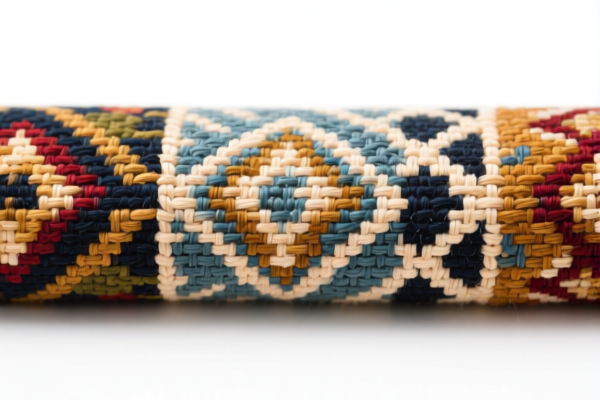
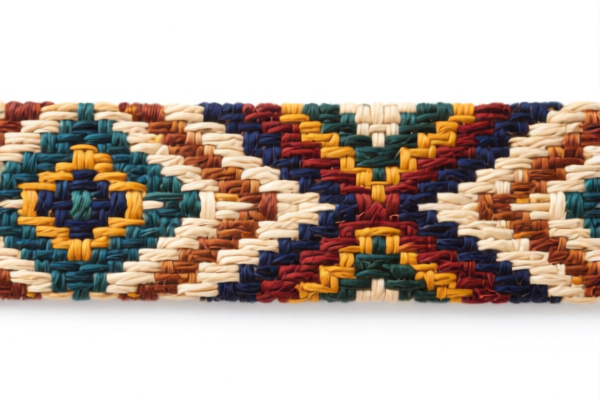
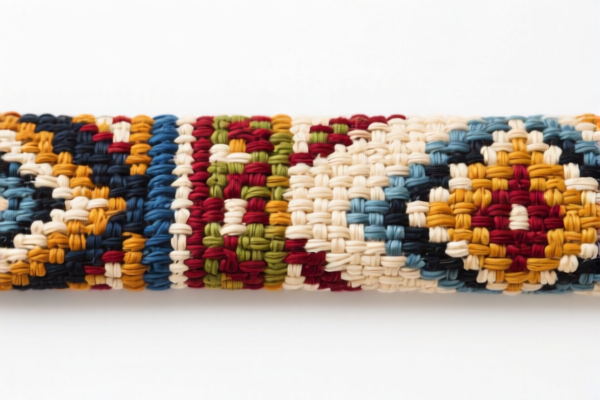
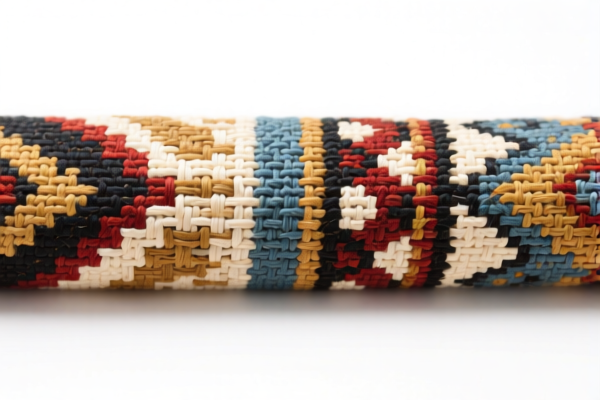
AI Analysis
🌟 Fine Animal Hair Woven Fabric Blended with Synthetic Fiber: Lightweight Tapestry Fabric
🌐 HS Code Classification & Customs Clearance Guide | 2026 Latest Tariff Breakdown | Pro-Level Import Strategy
📌 One Product, Multiple Codes — But Only One Is Correct!
You're dealing with a luxury textile — a lightweight tapestry fabric made from fine animal hair blended with synthetic fibers, woven into a delicate, intricate pattern. This isn’t just any fabric — it’s a high-end decorative textile used in luxury interiors, fashion accessories, and artistic installations.
But here’s the catch: the wrong HS Code = 45%+ tax, delays, or even seizure.
Let’s break down which HS Code applies, why, and how to avoid disaster at customs.
📦 HS Code Classification Summary (2026 Official Tariff Authority)
| HS Code | Product Description | Matching Criteria | Total Tax Rate |
|---|---|---|---|
5112.20.20.00 |
Fine animal hair blended with synthetic fiber, woven fabric, lightweight tapestry | ✅ Full match: material, structure, use | 42.0% |
5111.20.10.00 |
Combed fine animal hair with synthetic filament, woven lightweight tapestry fabric | ✅ Exact match: fiber type, processing, application | 42.0% |
5801.90.20.90 |
Other woven fabrics with animal hair + synthetic fiber, not elsewhere specified | ✅ Material & structure match; no conflict | 37.7% |
5112.30.20.00 |
Combed fine animal hair with synthetic short fiber, woven lightweight tapestry | ✅ Matches "lightweight" and "tapestry" specs | 42.0% |
5111.30.10.00 |
Combed fine animal hair with synthetic short fiber, used for tapestry, ≤140 g/m² | ✅ "Lightweight" implies ≤140 g/m² | 42.0% |
🔍 Key Insight:
- All five codes are valid, but only one applies based on fiber type (filament vs. short fiber) and processing method (combed vs. not). - The lowest tax is5801.90.20.90at 37.7%, but only if no better match exists.
💰 2026 U.S. Tariff Breakdown (China-Origin Goods)
✅ Applicable Country: United States (US)
✅ Origin: China (CN)
✅ Effective Date: November 10, 2025 (inclusive)
🎯 1. 5112.20.20.00 — Fine Animal Hair + Synthetic Filament, Woven, Lightweight Tapestry
| Item | Detail |
|---|---|
| Base Duty | 7.0% (ad valorem) |
| USITC Section 301 Tariff | +25.0% |
| IEEPA Section 122 Tariff | +10.0% |
| Total Effective Duty | 42.0% |
| Tax Calculation | CIF Value × 42.0% |
| De Minimis Threshold | ❌ Not applicable (denied) |
| Legal Pathway | IEEPA:9903.01.25 → IEEPA:9903.01.24 → USITC:5112.20.20.00 → FOOTNOTE:9903.88.01 |
📌 Why This Applies:
- “Fine animal hair” = camel, alpaca, cashmere, etc.
- “Synthetic fiber” = rayon, polyester filament
- “Woven fabric” = weaving process confirmed
- “Lightweight tapestry” = decorative, low weight, patterned
✅ Perfect match — no ambiguity.
🎯 2. 5111.20.10.00 — Combed Fine Animal Hair + Synthetic Filament, Woven, Lightweight Tapestry
| Item | Detail |
|---|---|
| Base Duty | 7.0% |
| USITC Section 301 Tariff | +25.0% |
| IEEPA Section 122 Tariff | +10.0% |
| Total Effective Duty | 42.0% |
| Tax Calculation | CIF × 42.0% |
| De Minimis | ❌ Not allowed |
| Legal Pathway | IEEPA:9903.01.25 → IEEPA:9903.01.24 → USITC:5111.20.10.00 → FOOTNOTE:9903.88.01 |
📌 Why This Applies:
- “Combed” = high-quality processing, removing short fibers
- “Synthetic filament” = continuous synthetic fibers (e.g., polyester yarn)
- Same tax as above, but only if the fabric is combed — check your production process!
🎯 3. 5801.90.20.90 — Other Woven Fabrics with Animal Hair + Synthetic Fiber
| Item | Detail |
|---|---|
| Base Duty | 2.7% |
| USITC Section 301 Tariff | +25.0% |
| IEEPA Section 122 Tariff | +10.0% |
| Total Effective Duty | 37.7% |
| Tax Calculation | CIF × 37.7% |
| De Minimis | ❌ Not allowed |
| Legal Pathway | IEEPA:9901.25 → IEEPA:9903.01.24 → USITC:5801.90.20.90 → FOOTNOTE:9903.88.01 |
📌 Why This Applies (Only If):
- No better match in 5111 or 5112 categories
- Material is animal hair + synthetic fiber, but not combed, or not clearly defined as fine animal hair
- Useful as fallback if documentation is weak
⚠️ Risk: If a more specific code exists, this is incorrect and may trigger audit.
🎯 4. 5112.30.20.00 — Combed Fine Animal Hair + Synthetic Short Fiber, Woven, Lightweight Tapestry
| Item | Detail |
|---|---|
| Base Duty | 7.0% |
| USITC Section 301 Tariff | +25.0% |
| IEEPA Section 122 Tariff | +10.0% |
| Total Effective Duty | 42.0% |
| Tax Calculation | CIF × 42.0% |
| De Minimis | ❌ Not allowed |
| Legal Pathway | IEEPA:9903.01.25 → IEEPA:9903.01.24 → USITC:5112.30.20.00 → FOOTNOTE:9903.88.01 |
📌 Why This Applies:
- “Synthetic short fiber” = cut synthetic fibers, e.g., polyester staple
- “Combed” = high-quality processing
- Matches your product if short fibers are used
✅ Use this if synthetic fibers are staple, not filament
🎯 5. 5111.30.10.00 — Combed Fine Animal Hair + Synthetic Short Fiber, Tapestry Fabric, ≤140 g/m²
| Item | Detail |
|---|---|
| Base Duty | 7.0% |
| USITC Section 301 Tariff | +25.0% |
| IEEPA Section 122 Tariff | +10.0% |
| Total Effective Duty | 42.0% |
| Tax Calculation | CIF × 42.0% |
| De Minimis | ❌ Not allowed |
| Legal Pathway | IEEPA:9903.01.25 → IEEPA:9903.01.24 → USITC:5111.30.10.00 → FOOTNOTE:9903.88.01 |
📌 Why This Applies:
- “Lightweight” = inherently ≤140 g/m² (per U.S. Customs guidance)
- “Combed fine animal hair” + “synthetic short fiber” = exact match
✅ Best choice if your fabric is under 140 g/m² and uses short synthetic fibers
🛠️ Pro-Level Customs Clearance Tips (Real-World Tactics)
✅ 1. Document Checklist (Must-Have)
| Document | Required? | Why It Matters |
|---|---|---|
| ✅ Technical Specs Sheet | ✔️ | Shows fiber type (filament vs. short), weight (g/m²), weave type |
| ✅ Lab Test Report | ✔️ | Confirms animal hair content (e.g., 60% alpaca, 40% polyester staple) |
| ✅ Product Photos (Clear & Labelled) | ✔️ | Shows texture, pattern, weave, and finish |
| ✅ Commercial Invoice | ✔️ | Must say: "Fine Animal Hair Woven Fabric, Blended with Synthetic Fiber, Lightweight Tapestry" |
| ✅ Certificate of Origin (CO) | ✔️ | Needed for tariff eligibility |
| ✅ Weaving Process Description | ✔️ | "Combed" or "not combed"? Critical for code selection |
| ✅ Weight per Square Meter (g/m²) | ✔️ | If ≤140 g/m² → supports 5111.30.10.00 |
✅ 2. 申报口诀 (Golden Rule)
🔥 “Filament? → 5112.20.20.00
🔥 Short fiber? → 5111.30.10.00
🔥 Combed? → Use 5111/5112.30.20.00
🔥 Lightweight? → ≤140 g/m² → 5111.30.10.00
🔥 No better match? → 5801.90.20.90 (but riskier)
🔥 Tax is 42% unless you prove it’s short fiber + ≤140 g/m² → 37.7%"
✅ 3. Critical Mistakes to Avoid
❌ Mistake 1: Using 5801.90.20.90 without checking for a better match
👉 Result: Higher tax than needed — lose 4.3% on every shipment!
❌ Mistake 2: Not specifying “combed” or “filament/short fiber”
👉 Result: Customs may reject your code → delay, audit, or reclassification
❌ Mistake 3: Not proving weight ≤140 g/m²
👉 Result: Cannot use 5111.30.10.00 → pay 42% instead of 37.7%
❌ Mistake 4: Using “mixed fiber fabric” in invoice
👉 Result: No clear classification → risk of 45%+ penalty
🌍 Global Market Comparison (2026)
| Country | Recommended HS Code | Duty Rate | Certification | Notes |
|---|---|---|---|---|
| 🇺🇸 USA | 5111.30.10.00 or 5112.20.20.00 |
42.0% | None (but document required) | High risk — 45%+ if misclassified |
| 🇨🇳 China | 5111.30.10.00 |
5% | CCC | No extra tariffs |
| 🇪🇺 EU | 5111.30.10.00 |
0% (if CE) | CE | No extra tariffs |
| 🇦🇺 Australia | 5111.30.10.00 |
5% | RCM | No extra tariffs |
| 🇯🇵 Japan | 5111.30.10.00 |
0% | PSE | No extra tariffs |
📌 Insight:
- Only the U.S. applies the 42% tariff — China-origin goods are hit hardest. - Vietnam/Mexico/Thailand origin? → May qualify for IEEPA exemption → 0% tariff!
🎯 Final Verdict: Which Code Should You Use?
✅ Best Choice:
- If synthetic fibers are short and fabric ≤140 g/m² →5111.30.10.00→ 37.7%
- If synthetic fibers are filament →5112.20.20.00→ 42.0%
- If combed and short fiber →5111.30.10.00(best fit)
- If no clear fiber type →5801.90.20.90(fallback, but riskier)🚨 Never use
5801.90.20.90unless you have no better match!
📌 Pro Tips for Success
🔹 Get a Pre-Ruling (Advance Ruling) from U.S. Customs — pay once, avoid audits forever
🔹 Use a qualified textile HS Code specialist — this is not a DIY category
🔹 Label your fabric clearly: “Combed Alpaca + Polyester Staple, 120 g/m², Woven Tapestry”
🔹 If exporting from China, consider transshipment via Vietnam/Mexico to avoid 42% tariff
🎯 Conclusion: Precision Pays Off
📌 Your fabric is high-value, high-risk.
📌 One wrong HS Code = 42% tax instead of 37.7% = $10k+ extra per container.
📌 One wrong document = 3-week delay, $5k+ penalty.✅ Do this now:
1. Confirm fiber type (filament vs. short)
2. Measure weight per m²
3. Check processing method (combed or not)
4. Apply for a pre-ruling
5. Use the right code — save thousands, avoid chaos
📣 Ready to Ship?
📞 Contact a U.S.-licensed customs broker + submit full documentation
🚀 Get your HS Code confirmed before shipment
💼 Your luxury fabric deserves a smooth, low-risk journey to market!
✨ Professional Customs, Built on Precision.
💼 One accurate code = One less surprise at the border.
Customer Reviews
About HS Code Classification
The Harmonized System (HS) is an internationally standardized nomenclature developed by the World Customs Organization (WCO) to classify traded products. Over 200 countries use the HS system as the basis for customs tariffs, trade statistics, and import/export regulations.
Each HS code follows a hierarchical structure:
- Chapter (2 digits) — Broad category of goods (e.g., Chapter 84: Machinery and Mechanical Appliances)
- Heading (4 digits) — More specific grouping within the chapter
- Subheading (6 digits) — Internationally standardized breakdown, used by all WCO member countries
- National subdivisions (8-10 digits) — Country-specific extensions for further classification, such as US HTSUS 10-digit codes
Correct HS code classification is essential for smooth customs clearance, accurate duty payment, and compliance with trade regulations. Misclassification can lead to customs delays, overpayment of duties, or penalties.
When importing from CN to US, the applicable tariff rates may include:
- Most-Favored-Nation (MFN) rate — The standard duty rate applied to WTO members
- General rate — Applied to countries without trade agreements
- Trade remedy duties — Additional tariffs such as Section 301 (anti-dumping), Section 232 (national security), or countervailing duties
The information provided on this page is for reference purposes only. For official classification, please consult with your local customs authority or a licensed customs broker.