fire resistant cement quick setting
CN → US| HS Code | Tariff Rate | Origin | Destination | Doc |
|---|---|---|---|---|
| 6815910011 | 35.0% | CN | US | Official Doc |
| 6815994110 | 35.0% | CN | US | Official Doc |
| 2530908050 | 10.0% | CN | US | Official Doc |
| 6815910011 | 35.0% | CN | US | Official Doc |
| 6815994110 | 35.0% | CN | US | Official Doc |
Product Images
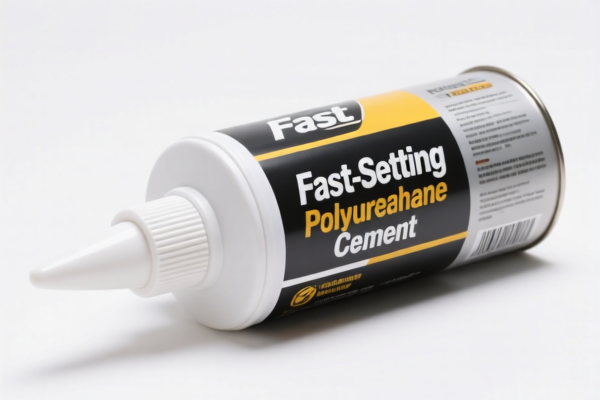
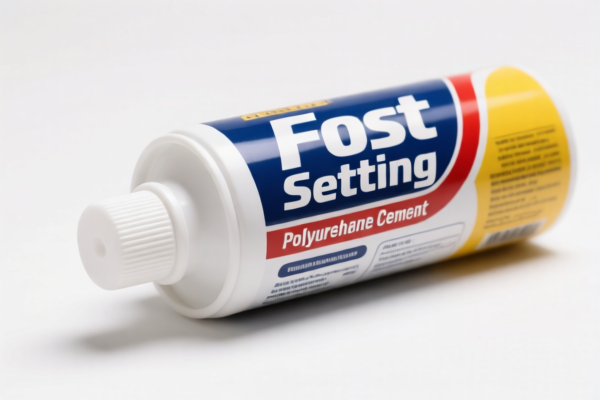
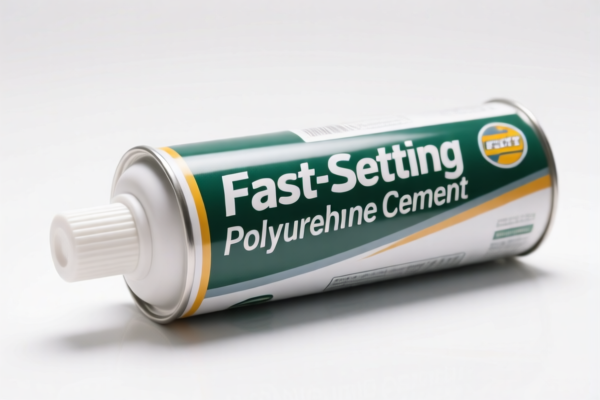
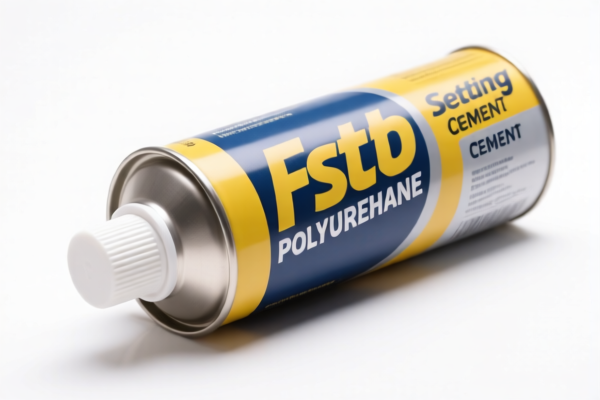
AI Analysis
🧱 Fire-Resistant Cement (Quick Setting) & Repair Material
🌐 HS Code Reference & Customs Clearance Guide | 2026 Latest Tariff Analysis | Professional Entry Strategy
📌 I. Product Definition & Classification: Do You Really Know "Fire-Resistant Cement"?
Fire-resistant cement (often referred to as "Refractory Cement" or "Fast-Setting Refractory Mortar") is a specialized mineral-based binding agent designed for high-temperature environments. In international trade, it is primarily categorized under Chapter 68 (Articles of Stone, Plaster, Cement, Asbestos, Mica, or Similar Materials) or Chapter 25 (Mineral Products).
The classification depends heavily on the chemical composition and form: 1. Refined Mineral Products: If the product is a processed mineral powder with specific oxide components (like Magnesium Oxide/Aluminum Oxide) and is considered a "prepared" refractory material, it often falls under 6815. 2. Raw Mineral Materials: If the product is considered a basic mineral raw material (e.g., crushed stone, simple mixtures) without complex chemical binding agents, it may fall under 2530.
⚠️ Key Distinction Point: - If the product is a chemical-bound prepared article (e.g., containing specific binders, rapid-setting agents) → Likely 6815 (Articles of stone/mineral materials). - If the product is a basic mineral mixture/raw material (e.g., unprocessed clay, simple crushed dolomite) → Likely 2530 (Other prepared binders for cements).
📦 II. HS Code Classification Details (Based on Provided Data)
Based on the specific data provided, here are the two potential classifications for Fire-Resistant Cement (Quick Setting) and Fire-Resistant Repair Material (Fast Setting):
Option A: Chapter 68 – Prepared Refractory Construction Materials
| HS Code | Product Description | Key Characteristics | Tax Rate |
|---|---|---|---|
6815.91.00.11 |
Refractory Cement (Quick Setting) / Repair Material | Chemical-bound article. Infers materials like Magnesium Ore/Dolomite. No obvious material/form conflict. Classified under "Articles of stone/mineral materials." | 35.0% |
6815.99.41.10 |
Refractory Cement (Quick Setting) | Mineral product with specific composition. Main components: Magnesium Oxide & other minerals. Shape: Unnamed other articles. | 35.0% |
🔍 Analysis for Chapter 68: These codes apply when the product is considered a finished or semi-finished refractory article made from mineral substances. The "Quick Setting" feature implies chemical processing, pushing it towards Chapter 68 rather than raw Chapter 25.
Option B: Chapter 25 – Other Mineral Products
| HS Code | Product Description | Key Characteristics | Tax Rate |
|---|---|---|---|
2530.90.80.50 |
Fire-Resistant Repair Material (Fast Setting) | Mineral Raw Material. Classified under "Other." Contains Aluminum Oxide, Magnesium Oxide, etc. Fits the "catch-all" (residual) category principle for mineral raw materials. | 10.0% |
🔍 Analysis for Chapter 25: This code applies if the product is viewed primarily as a basic mineral powder or simple mixture used as a raw material for construction, rather than a pre-formed "article." The lower tax rate (10%) makes this attractive, but the customs authorities must agree it is not a "prepared article" under Chapter 68.
💰 III. 2026 Latest Tariff Rate Breakdown (Including Surcharge Policies)
✅ Applicable Country: United States (US) ✅ Origin: China (CN) ✅ Effective Date: November 10, 2025 (and subsequent imports)
🎯 1. Chapter 68 Classifications (6815.91.00.11 & 6815.99.41.10)
These codes carry the highest tariff burden due to the nature of "prepared refractory articles."
| Item | Details |
|---|---|
| Basic Tariff | 0.0% (Ad Valorem) |
| USITC Surcharge (Section 301) | +25.0% |
| IEEPA Surcharge (Section 122) | +10.0% |
| Total Effective Rate | 35.0% |
| Tax Calculation | CIF Value × 35% |
| De Minimis Exemption | ❌ Not Applicable (High value/high risk category) |
📌 Explanation: - The 25% surcharge is the standard Section 301 tariff for many industrial mineral products from China. - The 10% surcharge is the additional Section 122 tariff (or similar IEEPA provision) applied to Chinese-origin goods. - Total: 35%. This is a significant cost factor for importers.
🎯 2. Chapter 25 Classification (2530.90.80.50)
This code benefits from a significantly lower tariff structure.
| Item | Details |
|---|---|
| Basic Tariff | 0.0% (Ad Valorem) |
| USITC Surcharge (Section 301) | 0.0% |
| IEEPA Surcharge (Section 122) | +10.0% |
| Total Effective Rate | 10.0% |
| Tax Calculation | CIF Value × 10% |
| De Minimis Exemption | ❌ Not Applicable (But lower absolute cost) |
📌 Explanation: - The 0% Section 301 surcharge is the key advantage here. It suggests that basic mineral powders/mixtures are less targeted than "prepared refractory articles." - The 10% IEEPA surcharge still applies. - Total: 10%. This is 25 percentage points lower than Chapter 68.
🛠️ IV. Customs Clearance Practical Advice (Pitfall Avoidance Guide)
✅ 1. Documentation Checklist (Non-Negotiable)
| Document | Mandatory? | Purpose |
|---|---|---|
| ✅ Product Specification Sheet | ✔️ | Must detail: Chemical Composition (e.g., % MgO, % Al2O3), Setting Time, Temperature Resistance. |
| ✅ Safety Data Sheet (SDS) | ✔️ | Confirms if the material is hazardous or simple mineral-based. |
| ✅ Composition Analysis Report | ✔️ | Critical: To prove whether it is a "prepared article" (Ch 68) or "raw material" (Ch 25). |
| ✅ Commercial Invoice | ✔️ | Must clearly state "Fire-Resistant Cement" or "Refractory Mortar," NOT generic "Construction Material." |
| ✅ Packing List | ✔️ | Net weight vs. Gross weight. |
| ✅ Manufacturer Declaration | ✔️ | Confirming origin and manufacturing process (milling/mixing vs. chemical synthesis). |
✅ 2. Declaration Strategy (Key Mantra)
🔥 “Composition is King: High Tech = Ch 68 (35%), Raw Mix = Ch 25 (10%)!”
| Scenario | Recommended HS Code | Risk Level |
|---|---|---|
| Highly Processed Refractory Mortar (Contains binders, additives, precise chemical ratios for high-temp use) |
6815.91.00.11 or 6815.99.41.10 |
Medium (High tax, but accurate) |
| Simple Mineral Powder/Mix (Crushed dolomite, simple clay mix, basic alumina powder) |
2530.90.80.50 |
Low Risk (Low tax, but requires proof it's not "prepared") |
| Pre-mixed Repair Paste (Already mixed with water/reactive agents) |
Likely 6815 |
High Risk If misdeclared as Ch 25, customs may penalize for misclassification. |
⚠️ Critical Warning: - If you declare
2530.90.80.50(10%) but the product is a chemically bonded refractory cement (Ch 68), customs may audit, reclassify, and impose penalties + back taxes (25% difference). - If you declare6815(35%) but it is a simple mineral powder, you are overpaying unnecessarily.
✅ 3. Special Cases & Handling
| Case | Advice |
|---|---|
| OEM Custom Mix | Provide the exact formula to customs broker. Small additives can shift classification from Ch 25 to Ch 68. |
| Fast-Setting Agent | If the "quick setting" is due to chemical additives (e.g., calcium aluminate cement base), lean towards Ch 68. If it's physical (fine grinding), lean towards Ch 25. |
| Bulk vs. Retail | Bulk bags may support Ch 25 argument; small retail packs with instructions often support Ch 68 (prepared article). |
🌍 V. Global Market Comparison (2026 Update)
| Country/Region | Likely HS Code | Estimated Tariff (China Origin) | Key Certification |
|---|---|---|---|
| 🇺🇸 USA | 6815... or 2530... |
35% (Ch 68) or 10% (Ch 25) | N/A (Generally) |
| 🇨🇳 China | 6815... or 2530... |
~10-15% (Import Duty) | GB Standards |
| 🇪🇺 EU | 6815... |
~6.5% | REACH Registration |
| 🇬🇧 UK | 6815... |
~6.5% | UKCA Mark |
📌 Conclusion for US Imports: - The 10% vs. 35% gap is massive. - Strategy: If the product is a simple mineral mix, provide strong evidence (composition analysis) to justify 2530.90.80.50. - If it is a high-performance refractory cement, accept the 35% cost under 6815.
📌 VI. Common Errors & Pitfalls (Lessons Learned)
❌ Mistake 1: Declaring "Fire-Resistant Cement" as general "Construction Material" (3824 or 39)
👉 Consequence: Severe penalty for misclassification. HS 68/25 are specific chapters; general codes are rejected.
❌ Mistake 2: Ignoring the "122/IEEPA" 10% surcharge in Ch 25 👉 Consequence: Underestimating costs. Even the cheaper Ch 25 code has a 10% extra tax. Total cost is 10%, not 0%.
❌ Mistake 3: Claiming Ch 25 for a chemically complex mortar 👉 Consequence: Customs laboratory test will detect chemical binders. Reclassify to Ch 68 → Back pay 25% + interest.
✅ Correct Action:
"Refractory Cement, Magnesium Oxide Based, Quick Setting, 25kg Bag, Model XYZ" OR "Mineral Powder, Dolomite Based, For Refractory Use, Bulk"
🎯 VII. Conclusion: Precision in Classification Saves Millions!
🎯 Remember the Mantra:
🔹 "Chemical Bond = Ch 68 (35%) | Raw Mineral = Ch 25 (10%)"
🔹 "Proof of Composition is Your Best Friend | Misclassification Costs 25% Extra!"
📌 Pro Tip:
If your supplier is in China, request a Letter of Composition stating the exact percentage of binders vs. raw minerals. If binders < 5%, argue for Ch 25. If binders > 5%, prepare for Ch 68.
📣 Immediate Action:
📞 Consult your customs broker with the SDS and Spec Sheet. 🚀 Do not guess. A 25% tax difference is worth the professional advice.
✨ Professional Customs Clearance Starts with Accurate Classification!
💼 Every percentage point counts in your landed cost!
Customer Reviews
About HS Code Classification
The Harmonized System (HS) is an internationally standardized nomenclature developed by the World Customs Organization (WCO) to classify traded products. Over 200 countries use the HS system as the basis for customs tariffs, trade statistics, and import/export regulations.
Each HS code follows a hierarchical structure:
- Chapter (2 digits) — Broad category of goods (e.g., Chapter 84: Machinery and Mechanical Appliances)
- Heading (4 digits) — More specific grouping within the chapter
- Subheading (6 digits) — Internationally standardized breakdown, used by all WCO member countries
- National subdivisions (8-10 digits) — Country-specific extensions for further classification, such as US HTSUS 10-digit codes
Correct HS code classification is essential for smooth customs clearance, accurate duty payment, and compliance with trade regulations. Misclassification can lead to customs delays, overpayment of duties, or penalties.
When importing from CN to US, the applicable tariff rates may include:
- Most-Favored-Nation (MFN) rate — The standard duty rate applied to WTO members
- General rate — Applied to countries without trade agreements
- Trade remedy duties — Additional tariffs such as Section 301 (anti-dumping), Section 232 (national security), or countervailing duties
The information provided on this page is for reference purposes only. For official classification, please consult with your local customs authority or a licensed customs broker.