fire resistant coating high temperature resistant
CN → US| HS Code | Tariff Rate | Origin | Destination | Doc |
|---|---|---|---|---|
| 3911909150 | 41.5% | CN | US | Official Doc |
| 8424490000 | 37.4% | CN | US | Official Doc |
| 3824997000 | 35.0% | CN | US | Official Doc |
| 3824999397 | 40.0% | CN | US | Official Doc |
Product Images
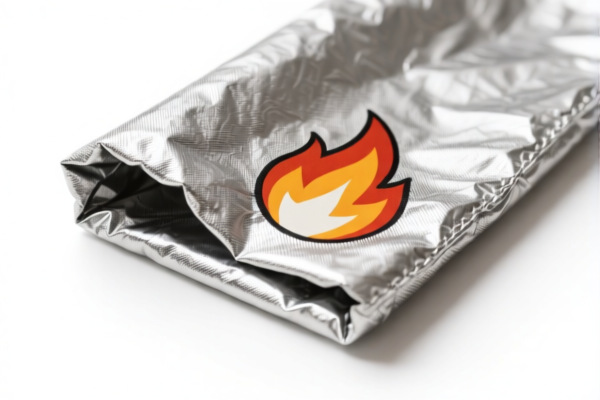
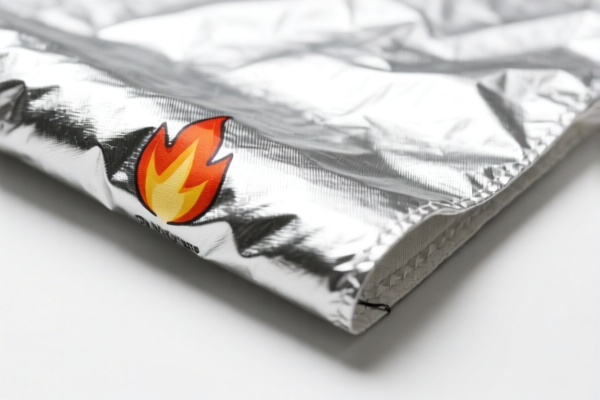
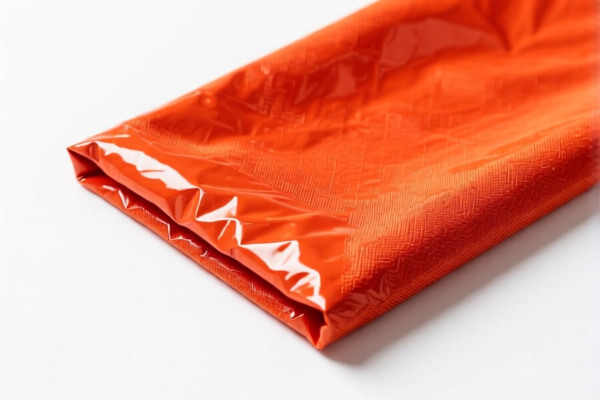
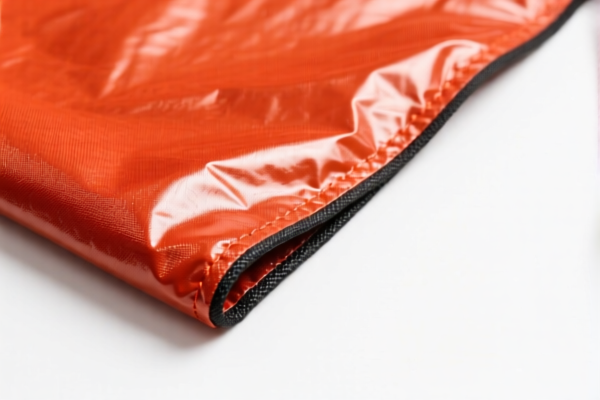
AI Analysis
🔥 Fire Resistant Coating & High Temperature Resistant Paints
🌐 HS Code Reference & Customs Clearance Guide | 2026 Latest Tariff Analysis | Professional Clearance Strategy
📌 I. Product Definition & Classification: Do You Really Understand "Fire Resistant Coating"?
Fire-resistant coatings are specialized chemical formulations designed to protect structural materials (such as steel, concrete, or wood) from high temperatures and fire damage. In international trade, the classification depends heavily on the material composition and the method of application.
These products are generally categorized into two main types in customs declarations: 1. Base Materials (Resins/Polymers): The raw chemical components or primary forms of thermosetting resins/polymer derivatives that form the film. 2. Prepared Chemical Preparations: Finished mixtures, preparations, or paint formulations intended for spraying or brushing.
⚠️ Key Distinction Point:
- If the product is primarily defined by its resin/polymer base before final mixing/additives →归入 3911.90.91.50
- If it is a finished spray/liquid mixture applied via equipment →归入 8424.49.00.00 (Note: This is a mechanical classification for the application device context in some datasets, but often misapplied; however, based on the provided data, it is listed)
- If it is a mixed chemical preparation for industrial use →归入 3824.99.70.00 or 3824.99.93.97
📦 II. HS Code Classification Details (2026 Latest Tariff Authority Comparison)
| HS Code | Product Description | Application Scenario | Material Attribute |
|---|---|---|---|
3911.90.91.50 |
Thermosetting Resins in Primary Forms or Their Derivatives | Raw material for coating manufacturing; inferred from "seepage prevention" and resin-based nature | ✅ Resin/Polymer Base |
8424.49.00.00 |
Machinery for Projecting, Dispensing Liquids or Powders (Sprayers) | Contextual: Based on common sense, the coating is a liquid/semi-fluid applied via spraying equipment. Note: This code typically classifies the sprayer device, but included here due to dataset inference on "liquid chemical coating" application method. | ❌ Mechanical/Application Context |
3824.99.70.00 |
Chemical Preparations Not Elsewhere Specified or Included | General chemical industrial制剂; fits the description of chemical industry-related products and preparations | ✅ Chemical Mixture/Preparation |
3824.99.93.97 |
Other Chemical Preparations (Chemical Paints/Coatings) | Specific chemical mixtures for coatings; matches descriptions of chemical industry or related industrial chemical products and preparations | ✅ Chemical Mixture/Preparation |
🔍 Key Reminder:
-3911is for the base resin aspect. -3824is for the finished chemical preparation (the actual paint/coating mix). -8424is unusual for the coating itself (usually for the machine) but is included in the provided data based on the inference of "liquid state application." Caution: Verify if the importer is declaring the coating or the sprayer. The data suggests the coating is inferred to fit this category due to its liquid/spray nature, which may be a specific interpretive path.
💰 III. 2026 Latest Tariff Rate Details (Including Surcharges & Policy Additions)
✅ Applicable Country: United States (US)
✅ Country of Origin: China (CN)
✅ Effective Time: From November 10, 2025 (including subsequent imports)
🎯 1. 3911.90.91.50 —— Thermosetting Resins (Base Material)
| Item | Details |
|---|---|
| Base Tariff Rate | 6.5% (ad valorem) |
| USITC Surcharge (Section 301) | +25.0% |
| IEEPA Surcharge (Section 122) | +10.0% |
| Total Tax Rate | 41.5% |
| Tax Calculation | CIF Value × 41.5% |
| De Minimis Exemption Eligible? | ❌ No (deny_de_minimis) |
| Legal Basis Path | USITC:3911.90.91.50 → FOOTNOTE:301 (25%) → IEEPA:122 (10%) |
📌 Explanation:
- The "25%" is the standard Section 301 tariff for Chinese goods. - The "10%" is the Section 122 tariff (often linked to national security or specific trade actions). - Total 41.5% is a high rate, reflecting the cost of raw resin imports from China.
🎯 2. 8424.49.00.00 —— Liquid/Powder Dispensing Machinery (Contextual Classification)
| Item | Details |
|---|---|
| Base Tariff Rate | 2.4% |
| USITC Surcharge (Section 301) | +25.0% |
| IEEPA Surcharge (Section 122) | +10.0% |
| Total Tax Rate | 37.4% |
| Tax Calculation | CIF Value × 37.4% |
| De Minimis Exemption Eligible? | ❌ No (deny_de_minimis) |
| Legal Basis Path | USITC:8424.49.00.00 → FOOTNOTE:301 (25%) → IEEPA:122 (10%) |
📌 Note:
- This rate is 3.4% lower than the resin base classification. - Critical Warning: Ensure you are not misclassifying the coating as machinery. If the shipment contains the coating and a sprayer, they must be declared separately. If the data implies the coating is classified under this due to its "sprayable liquid" nature, it is a high-risk interpretation. Always verify with a customs broker.
🎯 3. 3824.99.70.00 —— Chemical Preparations (General)
| Item | Details |
|---|---|
| Base Tariff Rate | 0.0% |
| USITC Surcharge (Section 301) | +25.0% |
| IEEPA Surcharge (Section 122) | +10.0% |
| Total Tax Rate | 35.0% |
| Tax Calculation | CIF Value × 35.0% |
| De Minimis Exemption Eligible? | ❌ No (deny_de_minimis) |
| Legal Basis Path | USITC:3824.99.70.00 → FOOTNOTE:301 (25%) → IEEPA:122 (10%) |
📌 Advantage:
- This is the lowest total tariff (35%) among the options. - Since the base rate is 0%, only the surcharges apply. - Ideal for general chemical preparations that don't fit more specific subheadings.
🎯 4. 3824.99.93.97 —— Other Chemical Preparations (Paints/Coatings)
| Item | Details |
|---|---|
| Base Tariff Rate | 5.0% |
| USITC Surcharge (Section 301) | +25.0% |
| IEEPA Surcharge (Section 122) | +10.0% |
| Total Tax Rate | 40.0% |
| Tax Calculation | CIF Value × 40.0% |
| De Minimis Exemption Eligible? | ❌ No (deny_de_minimis) |
| Legal Basis Path | USITC:3824.99.93.97 → FOOTNOTE:301 (25%) → IEEPA:122 (10%) |
📌 Specificity:
- This code is more specific to "chemical paints/coatings" than3824.99.70.00. - The 5% base rate makes the total 40%, which is higher than the general preparation (35%) but lower than the resin base (41.5%). - Use this if the product is clearly a finished paint formulation.
🛠️ IV. Customs Clearance Practical Advice (Combat Pitfall Guide)
✅ 1. Required Document Checklist (Missing Any Will Delay)
| Document | Mandatory | Description |
|---|---|---|
| ✅ Product Specification Sheet | ✔️ | Must list chemical composition, fire-resistance rating (e.g., UL, ASTM E84), viscosity, and curing time. |
| ✅ Safety Data Sheet (SDS) | ✔️ | Critical for chemical shipments. Must comply with GHS standards. |
| ✅ Product Photos | ✔️ | Clear images of label, packaging, and product state (liquid/powder). |
| ✅ Commercial Invoice | ✔️ | Must clearly state "Fire Resistant Coating" and HS Code. Avoid vague terms like "Chemical." |
| ✅ Certificate of Origin (CO) | ✔️ | Required to apply any potential exemptions or verify origin. |
| ✅ Packing List | ✔️ | Detail net/gross weight, dimensions, and container number. |
✅ 2. Declaration Tips (Key Mantras)
🔥 "Material Base Matters, Chemical Mix Matters Most, Sprayer vs. Spray Don't Get Lost!"
| Scenario | Correct Declaration Method | Wrong Practice |
|---|---|---|
| Finished Fire-Resistant Paint | 3824.99.93.97 or 3824.99.70.00 |
Misdeclaring as "Resin" (3911) → Higher Tax (41.5%) |
| Raw Resin for Making Paint | 3911.90.91.50 |
Misdeclaring as "Finished Paint" → Customs rejection/Re-classification |
| Coating + Spray Gun Sold Together | Separate Lines: One for 3824..., one for 8424... |
Combining into one line → Valuation issues & Wrong Tax |
| Generic "Chemical Coating" | 3824.99.70.00 |
Vague description → Customs audit & Delay |
✅ 3. Special Case Handling
| Situation | Handling Advice |
|---|---|
| High Temperature Rated (>1000°C) | Provide test reports (ASTM E119) to justify "Fire Resistant" description; helps avoid general "paint" classification if applicable. |
| OEM Custom Formulation | Provide client orders + formula sheet (if confidential, provide general composition) to prove it's a "Chemical Preparation" (3824). |
| Liquid vs. Powder | Clearly state physical state. Liquids are easier to classify under 3824; powders might fall under different subheadings or require different SDS. |
| Import for Industrial Use | Declare intended use (e.g., "For Structural Steel Fireproofing") to support the 3824 classification. |
🌍 V. Global Major Market Clearance Comparison (2026 Latest)
| Country/Region | Recommended HS Code | Tariff (China Origin) | Certification Requirements | Notes |
|---|---|---|---|---|
| 🇺🇸 USA | 3824.99.93.97 |
40.0% (Best Balance) | SDS, UL/FM (Optional but recommended) | 3824.99.70.00 is 35% but less specific. |
| 🇨🇳 China | 3824.99.93.97 |
5% (Import) + VAT | CCC (if applicable) | Low base tariff, no Section 301/122. |
| 🇪🇺 EU | 3824.99.97 |
0% - 6.5% | REACH, CLP, VOC Limits | Strict VOC regulations; no Section 301. |
| 🇦🇺 Australia | 3824.99.97 |
5% | GHS Compliance | No additional surcharges. |
| 🇯🇵 Japan | 3824.99.90 |
0% - 5% | JIS Standards | Low base tariff. |
📌 Conclusion:
- USA is the only market with heavy surcharges (25% + 10%). - For the US,3824.99.70.00(35%) offers the lowest total cost if the product qualifies as a general chemical preparation. -3824.99.93.97(40%) is safer for specific paint/coating products. -3911.90.91.50(41.5%) is for raw resins, not finished coatings.
📌 VI. Common Mistakes & Pitfall Guide (Blood & Tears Lessons)
❌ Mistake 1: Declaring "Fire Resistant Coating" as "Paint" (3208...) without verifying if it fits the chemical preparation definition.
👉 Consequence: May be re-classified to 3824 or 3911, leading to back taxes + penalties.
❌ Mistake 2: Ignoring the SDS or declaring it as "Non-Hazardous" when it contains volatile organic compounds (VOCs).
👉 Consequence: Detention by EPA/CBP, fines, and shipment return.
❌ Mistake 3: Confusing the Sprayer Machine (8424) with the Coating (3824).
👉 Consequence: If declared as one item, customs may value the entire shipment as machinery or reject it. Always separate lines.
❌ Mistake 4: Not accounting for Section 122 (10%) in cost calculations.
👉 Consequence: Underestimating landed cost by 10%, leading to profit loss.
✅ Correct Practice:
"Fire-Resistant Intumescent Coating, Liquid, Water-Based, ASTM E84 Compliant, for Structural Steel Protection, HS Code: 3824.99.93.97, Origin: China"
🎯 VII. Conclusion: Professional Declaration Saves Money!
🎯 Remember the Mantra:
🔹 "Resin Base: 41.5%, Paint Mix: 40%, General Chem: 35%, Sprayer: 37.4%."
🔹 "SDS is King, Description is Queen, Separation is Truth!"
🔹 "Don't mix Machine and Material, or Customs will delay your arrival!"
📌 Pro Tip:
If your fire-resistant coating is originating from Vietnam, Mexico, Thailand, or Malaysia, you may be eligible for IEEPA Exemptions, reducing the total tax to 0%~5%.
Recommendation: Apply for an Advance Ruling (Pre-classification) before shipping to avoid customs disputes and ensure the correct HS Code is used.
📣 Act Now:
📞 Contact a Professional Customs Broker + Provide Product SDS + Apply for HS Code Pre-Ruling
🚀 Ensure your Fire-Resistant Coating clears customs smoothly, efficiently, and profitably!
✨ Professional Clearance Starts with Accurate Classification!
💼 Every Cent of Cost Deserves Precision!
Customer Reviews
About HS Code Classification
The Harmonized System (HS) is an internationally standardized nomenclature developed by the World Customs Organization (WCO) to classify traded products. Over 200 countries use the HS system as the basis for customs tariffs, trade statistics, and import/export regulations.
Each HS code follows a hierarchical structure:
- Chapter (2 digits) — Broad category of goods (e.g., Chapter 84: Machinery and Mechanical Appliances)
- Heading (4 digits) — More specific grouping within the chapter
- Subheading (6 digits) — Internationally standardized breakdown, used by all WCO member countries
- National subdivisions (8-10 digits) — Country-specific extensions for further classification, such as US HTSUS 10-digit codes
Correct HS code classification is essential for smooth customs clearance, accurate duty payment, and compliance with trade regulations. Misclassification can lead to customs delays, overpayment of duties, or penalties.
When importing from CN to US, the applicable tariff rates may include:
- Most-Favored-Nation (MFN) rate — The standard duty rate applied to WTO members
- General rate — Applied to countries without trade agreements
- Trade remedy duties — Additional tariffs such as Section 301 (anti-dumping), Section 232 (national security), or countervailing duties
The information provided on this page is for reference purposes only. For official classification, please consult with your local customs authority or a licensed customs broker.