fireproof document bag
CN → US| HS Code | Tariff Rate | Origin | Destination | Doc |
|---|---|---|---|---|
| 6307909891 | 24.5% | CN | US | Official Doc |
| 6307908995 | 17.0% | CN | US | Official Doc |
| 3923900080 | 38.0% | CN | US | Official Doc |
| 3923210095 | 38.0% | CN | US | Official Doc |
| 4202929336 | 52.6% | CN | US | Official Doc |
| 4202999000 | 55.0% | CN | US | Official Doc |
Product Images
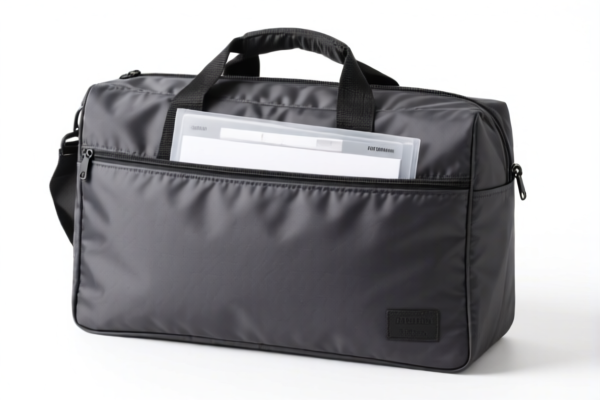
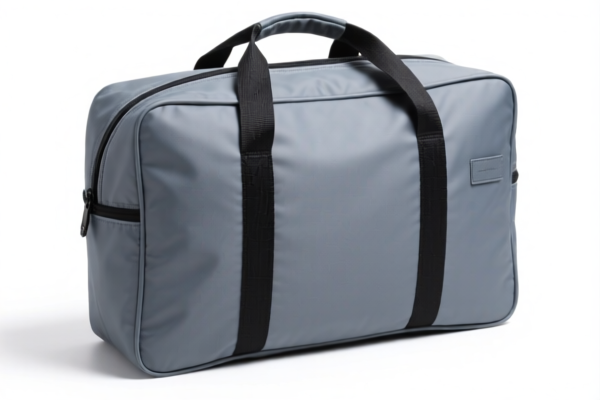
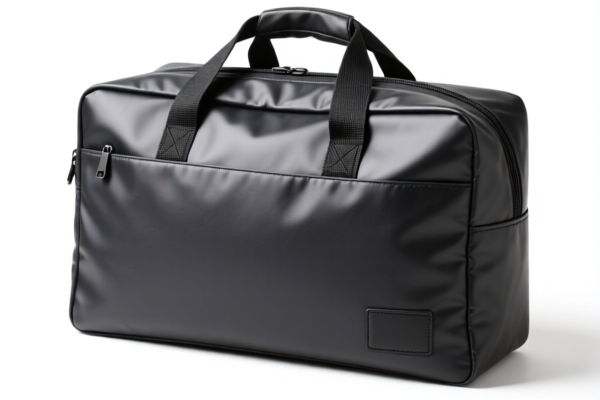
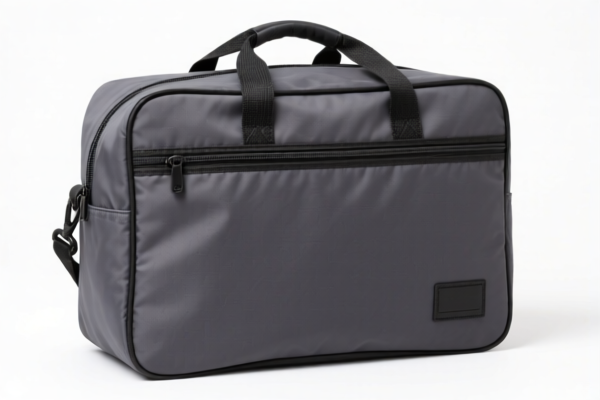
AI Analysis
🔥 Fireproof Document Bag (Fireproof Bag)
🌐 HS Code Reference & Customs Clearance Guide | 2026 Latest Tariff Analysis | Professional Compliance Strategy
📌 Part 1: Product Definition & Classification: What exactly is a "Fireproof Document Bag"?
A Fireproof Document Bag is a protective container designed to shield sensitive documents, electronics, or valuables from high temperatures and flames for a specified duration (e.g., 30, 60, or 120 minutes). In international trade, these bags are primarily classified based on their material composition and construction.
They are generally categorized into two main groups: 1. Plastic-Based Containers: Bags made primarily of polymers of ethylene, polypropylene, or other plastics, often coated with fire-resistant materials. 2. Textile/Fabric-Based Containers: Bags made of woven fabrics, non-wovens, or other textile materials, often lined with ceramic fiber or other insulating layers.
⚠️ Key Distinction Point:
- If the bag is made primarily of plastic sheeting or polymer films → It falls under Chapter 39 (Plastics).
- If the bag is made primarily of textile materials (fabric, canvas, nylon) → It falls under Chapter 42 (Leather/Textile Containers) or Chapter 63 (Other Made-Up Articles).
- Note: Even if it has "fireproof" properties, the primary material dictates the HS Code, not the function.
📦 Part 2: HS Code Classification Details (2026 Latest Tariff Authority Match)
Based on your provided <DATA>, here are the specific HS Codes that may apply to Fireproof Document Bags, depending on the material:
| HS Code | Product Description | Material Composition | Applicable Scenario |
|---|---|---|---|
3923.90.00.80 |
Articles for conveyance/packing of goods, of plastics: Other | Plastic/Polymer | Plastic-based fireproof pouches, silicone-coated plastic bags. |
3923.21.00.95 |
Articles for conveyance/packing of goods, of plastics: Sacks and bags... Of polymers of ethylene | Plastic (Polyethylene) | Plastic sacks/bags made of polyethylene (PE), even if fire-retardant treated. |
6307.90.98.91 |
Other made up articles...: Other: Other: Other: Other | Textile/Fabric (General) | Non-specified textile bags, such as generic fabric fireproof pouches not classified elsewhere. |
6307.90.89.95 |
Other made up articles...: Shells for quilts, eiderdowns, comforters... of cotton: Other | Cotton Textile | Unlikely unless the bag is specifically a cotton shell (rare for fireproof docs). Included for completeness based on data. |
4202.92.93.36 |
Trunks, suitcases...: Other: With outer surface of sheeting of plastics or of textile materials: ... With outer surface of textile materials | Textile Outer Surface | Bags with a textile exterior (e.g., canvas or nylon outer) with plastic lining or fireproof lining. |
4202.99.90.00 |
Trunks, suitcases...: Other: Other: Other | Leather/Composition/Other | Bags made of leather, composition leather, vulcanized fiber, or paperboard, or wholly/mainly covered with such materials. |
🔍 Priority Analysis:
- Most standard "Fireproof Document Bags" are either Plastic (Ch 39) or Textile-based (Ch 42/63).
-3923.90.00.80and3923.21.00.95are highly relevant if the bag is a plastic pouch with fire-retardant coatings.
-4202.92.93.36is the most likely candidate for high-quality fabric fireproof bags (e.g., nylon/canvas outer with ceramic lining).
-6307.90.98.91is a fallback for other textile-made-up articles not fitting specific bag categories.
💰 Part 3: 2026 Latest Tariff Rate Breakdown (Including Surcharge Policies)
✅ Applicable Country: United States (US)
✅ Country of Origin: China (CN)
✅ Effective Date: From 2025-11-10 onwards (including subsequent imports)
🎯 1. 3923.90.00.80 —— Plastic Articles for Packing (Other)
| Item | Content |
|---|---|
| Base Tariff | 3.0% |
| Additional Tariff (Section 301) | +25.0% |
| Total Tariff | 28.0% |
| Tax Calculation | CIF Value × 28.0% |
| De Minimis Exemption | ❌ Not Eligible (Standard de minimis ($800) usually does not apply to Section 301 goods in the same way, but high tariffs make it irrelevant for commercial shipment). |
| Legal Basis | USITC Tariff Schedule → Section 301 List 4A |
📌 Explanation:
- Plastic packing articles from China are subject to a 28% total tariff.
- This includes a 3% MFN base rate + 25% additional duty under US Trade Act Section 301.
- High Cost Alert: Even small plastic fireproof bags incur significant duties.
🎯 2. 3923.21.00.95 —— Plastic Sacks and Bags (Polyethylene)
| Item | Content |
|---|---|
| Base Tariff | 3.0% |
| Additional Tariff (Section 301) | +25.0% |
| Total Tariff | 28.0% |
| Tax Calculation | CIF Value × 28.0% |
| De Minimis Exemption | ❌ Not Eligible |
| Legal Basis | USITC Tariff Schedule → Section 301 List 4A |
📌 Explanation:
- If your fireproof bag is made of polyethylene (PE) films or sheets (common in cheaper fireproof sleeves), it falls here.
- Same 28% rate as above. No advantage in classification here if material is PE.
🎯 3. 6307.90.98.91 —— Other Made-Up Articles (Textile/Other)
| Item | Content |
|---|---|
| Base Tariff | 7.0% |
| Additional Tariff (Section 301) | +7.5% |
| Total Tariff | 14.5% |
| Tax Calculation | CIF Value × 14.5% |
| De Minimis Exemption | ❌ Not Eligible (Subject to Section 301). |
| Legal Basis | USITC Tariff Schedule → Section 301 List 4B |
📌 Explanation:
- This code often captures other textile or non-specified made-up articles.
- Lower Rate: 14.5% is significantly lower than the plastic category (28%).
- Strategy: If the bag has a textile outer layer (e.g., nylon, polyester, canvas), consider if4202.92.93.36or6307.90.98.91is more appropriate to benefit from the lower rate.
🎯 4. 6307.90.89.95 —— Cotton Shells for Quilts/Comforters (Other)
| Item | Content |
|---|---|
| Base Tariff | 0.0% |
| Additional Tariff (Section 301) | 0.0% |
| Total Tariff | 0.0% |
| Tax Calculation | CIF Value × 0.0% |
| De Minimis Exemption | N/A |
| Legal Basis | USITC Tariff Schedule |
📌 Warning:
- While the tariff is 0%, this code is for cotton shells for quilts/comforters.
- Misclassification Risk: Declaring a fireproof document bag under this code is highly likely to be rejected by Customs unless the bag is literally a cotton quilt shell (which is not fireproof document storage).
- Recommendation: Do NOT use this code for fireproof bags unless they are literally cotton textile shells for bedding.
🎯 5. 4202.92.93.36 —— Traveling Bags, Handbags, etc. (Textile Surface)
| Item | Content |
|---|---|
| Base Tariff | 0.0% |
| Additional Tariff (Section 301) | 0.0% |
| Total Tariff | 0.0% |
| Tax Calculation | CIF Value × 0.0% |
| De Minimis Exemption | N/A |
| Legal Basis | USITC Tariff Schedule |
📌 Critical Opportunity:
- This code is for trunks, suitcases, backpacks, handbags, etc., with an outer surface of textile materials.
- Many high-end fireproof document bags are essentially specialized pouches or small bags with a textile exterior (e.g., nylon, canvas, polyester).
- If your bag fits the description of a "bag" (handle, zipper, pouch-like) and has a textile outer surface, this code offers 0% duty!
- Key Condition: The outer surface must be textile. If the outer layer is plastic/film, it falls under4202.92.93.36's sibling or3923series.
- Verification: Ensure the bag is considered a "container" under Chapter 42 (e.g., has handles, is shaped like a bag) and not just a "flexible packaging" item.
🎯 6. 4202.99.90.00 —— Other Containers (Leather/Composition Leather/Other)
| Item | Content |
|---|---|
| Base Tariff | 20.0% |
| Additional Tariff (Section 301) | +25.0% |
| Total Tariff | 45.0% |
| Tax Calculation | CIF Value × 45.0% |
| De Minimis Exemption | ❌ Not Eligible |
| Legal Basis | USITC Tariff Schedule → Section 301 List 4A |
📌 High Risk:
- This code is for leather, composition leather, vulcanized fiber, or paperboard containers.
- Only use if the bag is made of leather or vulcanized fiber.
- Tariff Shock: 45% is extremely high. Most fireproof bags are NOT leather. Avoid this unless specifically a leather fireproof bag.
🛠️ Part 4: Customs Clearance Practical Advice (Avoid Pitfalls)
✅ 1. Document Checklist (Must-Haves)
| Document | Required | Notes |
|---|---|---|
| ✅ Product Description | ✔️ | Must clearly state: "Fireproof Document Bag, [Material], [Fire Rating e.g., 1200°F for 1 hr]" |
| ✅ Material Composition | ✔️ | Detail the % of outer textile, inner lining, fireproof coating. Crucial for HS Code selection. |
| ✅ Test Report | ✔️ | UL, Intertek, or SGS fire-resistance test report (e.g., UL 1024, EN 1047). |
| ✅ Photos | ✔️ | Show exterior (textile/plastic), zipper, handles, and interior lining. |
| ✅ Commercial Invoice | ✔️ | Accurate value, HS Code, and Country of Origin. |
| ✅ Packing List | ✔️ | Weight and dimensions (important for volumetric weight). |
✅ 2. Classification Strategy (Key Tips)
🔥 "Material Dictates Code, Function Dictates Report"
| Scenario | Recommended HS Code | Tariff Rate | Why? |
|---|---|---|---|
| Plastic/Film Bag (Outer is plastic/film) | 3923.90.00.80 or 3923.21.00.95 |
28.0% | Outer material is plastic. Must pay Section 301 duties. |
| Textile Bag (Outer is Nylon/Canvas/Polyster) | 4202.92.93.36 |
0.0% | Outer surface is textile. Fits "Bag" definition. Best Rate! |
| Generic Textile Article (No handles, simple pouch) | 6307.90.98.91 |
14.5% | If not classified as a "bag" under Ch 42, fallback to Ch 63. |
| Leather Bag | 4202.99.90.00 |
45.0% | High tariff. Only for leather. Avoid if possible. |
📌 Critical Warning:
- Do NOT declare a textile fireproof bag under6307.90.89.95(Cotton Quilt Shell) unless it is literally a cotton shell for bedding. This is a misclassification risk.
- Do NOT declare a plastic bag under4202.92.93.36(Textile Bag). Customs will check the outer layer. If it’s plastic, they will reclassify and charge 28%.
✅ 3. Special Cases
| Case | Advice |
|---|---|
| Bag with Plastic Coating on Textile | If the outer surface is coated textile (e.g., PVC-coated canvas), it may still be considered textile outer surface. Verify with USITC. If the coating is thick and forms a plastic layer, it might be classified as plastic (3923). |
| Fireproof Lining (Ceramic Fiber) | The lining material does NOT determine the HS Code. The outer surface does. |
| Bundle with Electronics | If shipped with laptops, declare separately. The bag is a container, not part of the electronics. |
| De Minimis ($800) | Even for 0% tariff items, ensure proper documentation to avoid delays. Section 301 items (28%+) cannot use de minimis to avoid duties if classified correctly. |
🌍 Part 5: Global Market Comparison (2026)
| Country/Region | Recommended HS Code | Tariff (CN Origin) | Notes |
|---|---|---|---|
| 🇺🇸 United States | 4202.92.93.36 (if textile) |
0.0% | Best rate. Verify outer material. |
| 🇺🇸 United States | 3923.90.00.80 (if plastic) |
28.0% | High duty for plastic bags. |
| 🇪🇺 European Union | 4202.92.31 (Textile) |
4.5% | No Section 301 surcharge. Lower than US. |
| 🇨🇳 China | 4202.92.90 (Import) |
10% | Standard import duty. |
| 🇬🇧 United Kingdom | 4202.92.90 |
4.0% | Post-Brexit tariff. |
📌 Conclusion:
- US Market: Prioritize textile-outer fireproof bags (4202.92.93.36) to achieve 0% duty. Avoid plastic-only bags (3923) due to 28% tariff.
- EU/UK: Tariffs are generally lower and no Section 301 surcharge.
📌 Part 6: Common Mistakes & Pitfalls
❌ Mistake 1: Declaring a plastic fireproof bag under 4202.92.93.36 (Textile Bag).
👉 Consequence: Customs reclassifies to 3923 → 28% duty + penalties.
❌ Mistake 2: Declaring a textile bag under 3923.90.00.80 (Plastic).
👉 Consequence: Overpaying tariff (28% vs 0%). Claim refund later, but delays shipment.
❌ Mistake 3: Using 6307.90.89.95 (Cotton Quilt) for a fireproof bag.
👉 Consequence: Customs Rejection. The description does not match. High risk of audit.
✅ Correct Practice:
"Fireproof Document Bag, 12x16 inch, Outer: 600D Polyester, Lining: Ceramic Fiber, Fire Rating: 1200°F for 1 Hour, Model XYZ, UL Listed"
🎯 Part 7: Conclusion: Professional Classification Saves Money!
🎯 Key Takeaway:
🔹 "Check the Outer Layer: Plastic = 28%, Textile Bag = 0%!"
🔹 "Fireproof Lining Doesn't Matter for HS Code, Outer Material Does!"
📌 Recommendation:
1. Design for Tariff: If exporting to the US, ensure the outer surface of the fireproof bag is textile (nylon, canvas, polyester) to qualify for 4202.92.93.36 (0% duty).
2. Verify Materials: Get a material composition sheet from your supplier.
3. Pre-Ruling: Consider applying for a US Customs Ruling if the bag has a complex structure (e.g., coated textile).
4. Accurate Description: Always include "Fireproof" in the description for safety and regulatory compliance, but ensure the HS Code matches the material.
✨ Smart Customs, Higher Profits!
💼 Your Bag’s Material Determines Your Cost. Choose Wisely!
Customer Reviews
About HS Code Classification
The Harmonized System (HS) is an internationally standardized nomenclature developed by the World Customs Organization (WCO) to classify traded products. Over 200 countries use the HS system as the basis for customs tariffs, trade statistics, and import/export regulations.
Each HS code follows a hierarchical structure:
- Chapter (2 digits) — Broad category of goods (e.g., Chapter 84: Machinery and Mechanical Appliances)
- Heading (4 digits) — More specific grouping within the chapter
- Subheading (6 digits) — Internationally standardized breakdown, used by all WCO member countries
- National subdivisions (8-10 digits) — Country-specific extensions for further classification, such as US HTSUS 10-digit codes
Correct HS code classification is essential for smooth customs clearance, accurate duty payment, and compliance with trade regulations. Misclassification can lead to customs delays, overpayment of duties, or penalties.
When importing from CN to US, the applicable tariff rates may include:
- Most-Favored-Nation (MFN) rate — The standard duty rate applied to WTO members
- General rate — Applied to countries without trade agreements
- Trade remedy duties — Additional tariffs such as Section 301 (anti-dumping), Section 232 (national security), or countervailing duties
The information provided on this page is for reference purposes only. For official classification, please consult with your local customs authority or a licensed customs broker.