fishing lure
CN → US| HS Code | Tariff Rate | Origin | Destination | Doc |
|---|---|---|---|---|
| 9507907000 | 26.5% | CN | US | Official Doc |
| 9507908000 | 19.0% | CN | US | Official Doc |
| 7326908688 | 87.9% | CN | US | Official Doc |
| 7326190080 | 87.9% | CN | US | Official Doc |
| 3926909989 | 22.8% | CN | US | Official Doc |
| 3926903500 | 16.5% | CN | US | Official Doc |
Product Images
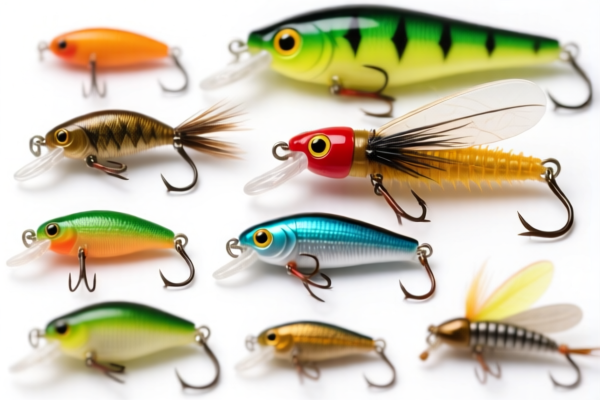
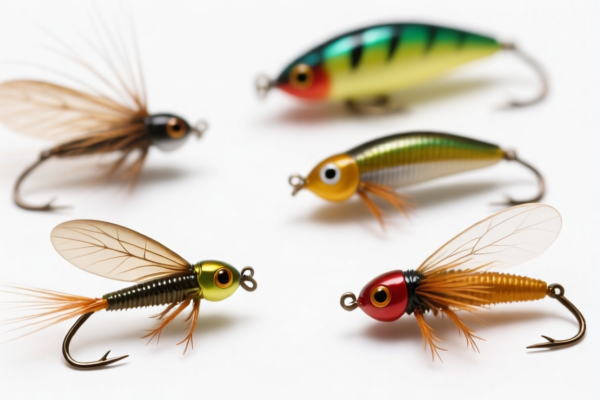
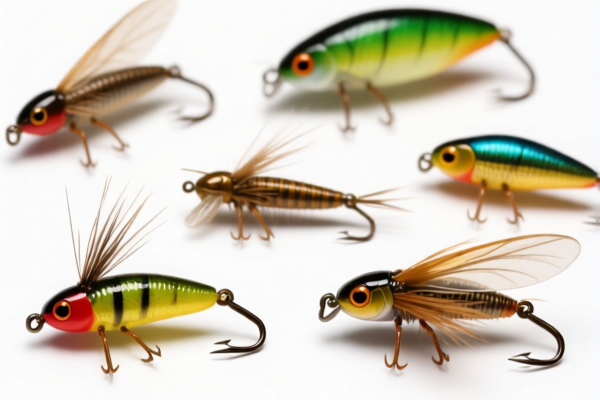
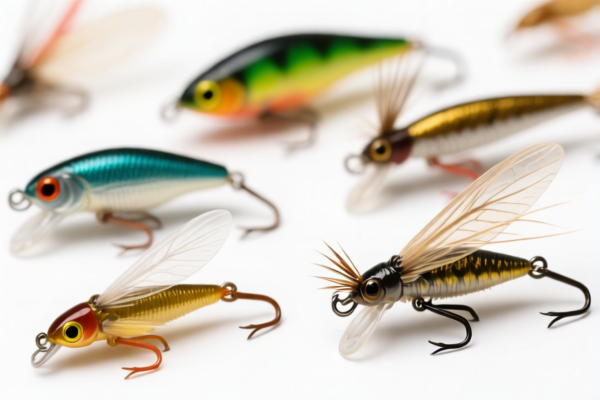
AI Analysis
🎣 Fishing Lures & Tackle (Artificial Baits & Accessories)
🌐 HS Code Reference & Customs Clearance Guide | 2026 Latest Tariff Analysis | Professional Clearance Strategy
📌 I. Product Definition & Classification: Do You Know What a "Fishing Lure" Really Is?
In international trade, "Fishing Lures" are not a single entity. They fall under Heading 9507: Fishing rods, fish hooks and other line fishing tackle; fish landing nets, butterfly nets and similar nets; decoy "birds"... and similar hunting or shooting equipment; parts and accessories thereof.
The classification depends heavily on whether the item is a finished bait, a part, or made of specific materials (steel/plastic).
⚠️ Critical Distinction Point: - Artificial Baits & Flies: Finished products designed to attract fish (plastic, metal, wood, feathers). → Heading 9507 - Steel Fishing Accessories (e.g., sinkers, split rings, heavy metal jigs): If classified as "other articles of iron or steel," they may fall under Heading 7326. - Plastic Parts/Accessories (non-bait): Generic plastic parts not specifically described as baits. → Heading 3926
📦 II. HS Code Classification Details (2026 Latest Tariff Authoritative Comparison)
Based on the provided data, here are the relevant HS Codes for fishing-related items, specifically focusing on Lures (Baits) and potential Steel/Plastic Accessories.
| HS Code | Product Description | Scenario / Application | Material Type |
|---|---|---|---|
9507.90.70.00 |
Artificial baits and flies | Finished lures (spinners, crankbaits, jigs, soft plastics) used directly for fishing | Plastic, Metal, Wood, Feather |
9507.90.80.00 |
Other, including parts and accessories | Fishing tackle parts (not baits), e.g., rod guides, line spools, net parts | Various |
7326.90.86.88 |
Other articles of iron or steel: Other | Heavy steel fishing weights, large metal jigs, or steel tackle not specifically described as baits in 9507 | Steel/Iron |
7326.19.00.80 |
Forged or stamped, but not further worked | Basic steel components (e.g., stamped steel split rings, basic metal washers for tackle) | Steel/Iron |
3926.90.99.89 |
Other articles of plastics: Other | Generic plastic fishing tackle parts (not baits), e.g., plastic float bodies, non-bait components | Plastic |
3926.90.35.00 |
Beads, bugles and spangles... not strung | Small decorative plastic beads used in lure making (raw materials) | Plastic |
🔍 Key Reminder: - Finished Lures (Baits) must generally be classified under
9507.90.70.00. - If you import raw steel components (like unworked stamped metal) or generic plastic parts that are not finished baits, they may fall under 7326 or 3926. - Do not misclassify a finished plastic lure as a "plastic article" (3926) if it is specifically a "bait" (9507). The specific description in 9507 overrides the generic material description in 39.
💰 III. 2026 Latest Tariff Rate Breakdown (Including Additional Taxes)
✅ Applicable Country: United States (US) ✅ Origin: China (CN) ✅ Effective Time: Current Rates (Based on provided data)
🎯 1. 9507.90.70.00 —— Artificial Baits and Flies (The Most Common Lure Code)
| Item | Details |
|---|---|
| Basic Tariff | 9.0% |
| Additional Tax (Section 301) | +7.5% |
| Total Tax Rate | 16.5% |
| Tax Calculation | CIF Value × 16.5% |
| Legality Path | Standard HTSUS 9507.90.70 with applicable additional duties. |
📌 Explanation: - This is the standard rate for artificial lures. - The "7.5%" is an additional tariff applied to certain goods from China under Section 301. - Total 16.5% is relatively moderate compared to steel or aluminum products.
🎯 2. 9507.90.80.00 —— Other Fishing Tackle Parts/Accessories
| Item | Details |
|---|---|
| Basic Tariff | 9.0% |
| Additional Tax (Section 301) | 0.0% |
| Total Tax Rate | 9.0% |
| Tax Calculation | CIF Value × 9.0% |
| Legality Path | Standard HTSUS 9507.90.80. |
📌 Note: - If your product is a part of fishing tackle (e.g., a rod reel part, a net handle) and not a bait, it may qualify for this lower rate. - Crucial: Ensure the product is not a "bait." If it attracts fish, it’s likely 9507.90.70.
🎯 3. 7326.90.86.88 / 7326.19.00.80 —— Steel Fishing Accessories (Heavy Duty)
| Item | Details |
|---|---|
| Basic Tariff | 2.9% |
| Additional Tax (Section 301) | 25.0% |
| Additional Tax (Steel/Al/Cu) | +50% |
| Total Tax Rate | 77.9% |
| Tax Calculation | CIF Value × 77.9% |
| Legality Path | HTSUS 7326 + IEEPA 50% (Steel/Al/Cu) + Section 301 25% |
📌 Warning: - If your "lure" is made of steel and is classified as an "article of iron or steel" rather than a "fishing bait" under 9507, the tariff skyrockets to 77.9%. - This often happens with heavy metal jigs, lead-free steel sinkers, or wire rigging. - Strategy: If possible, argue that the item is a "fishing bait" (9507) due to its design intent, rather than a "steel article" (7326), to avoid the 77.9% rate. However, simple steel weights often fall under 7326.
🎯 4. 3926.90.99.89 —— Plastic Fishing Parts (Non-Bait)
| Item | Details |
|---|---|
| Basic Tariff | 5.3% |
| Additional Tax (Section 301) | 7.5% |
| Total Tax Rate | 12.8% |
| Tax Calculation | CIF Value × 12.8% |
| Legality Path | HTSUS 3926 + Section 301. |
📌 Note: - Applies to plastic fishing tackle parts that are not baits (e.g., plastic guides, handles). - If it is a plastic bait, use
9507.90.70.00(16.5%).
🎯 5. 3926.90.35.00 —— Plastic Beads/Spangles (Raw Materials)
| Item | Details |
|---|---|
| Basic Tariff | 0.0% |
| Additional Tax | 0.0% |
| Total Tax Rate | 0.0% |
| Tax Calculation | No Tax |
📌 Note: - Only for raw plastic beads/spangles not strung. Not for finished lures.
🛠️ IV. Customs Clearance Practical Advice (Pitfall Avoidance Guide)
✅ 1. Required Documentation Checklist
| Document | Must Provide | Description |
|---|---|---|
| ✅ Product Description | ✔️ | Must specify: "Artificial Fishing Bait/Lure," Material, Size, Color. |
| ✅ Composition Statement | ✔️ | Detailed breakdown: e.g., "Body: PVC, Hook: Stainless Steel, Fin: Tinsel." |
| ✅ Photos | ✔️ | Clear images showing the lure's shape, hooks, and packaging. |
| ✅ Function Explanation | ✔️ | Confirm it is used to attract fish (bait) vs. a structural part. |
| ✅ Commercial Invoice | ✔️ | Accurate valuation (CIF). |
| ✅ Origin Certificate | ✔️ | For US Customs, origin is critical for determining additional taxes. |
✅ 2. Classification Strategy (Key Mantra)
🔥 "If it swims and attracts fish, it's a Bait (9507)! If it's just steel, it's Steel (7326) → 77.9%!"
| Situation | Correct HS Code | Incorrect HS Code | Consequence |
|---|---|---|---|
| Plastic Soft Bait | 9507.90.70.00 (16.5%) |
3926.90.99.89 (12.8%) |
Minor discrepancy, but 9507 is more accurate. |
| Metal Jig/Lure | Argue for 9507.90.70.00 (16.5%) |
7326.90.86.88 (77.9%) |
Huge Savings! Must prove it's a "bait." |
| Steel Sinkers/Weights | 7326.90.86.88 (77.9%) |
9507.90.70.00 (16.5%) |
High Risk. Sinkers are usually "tackle," not "baits." |
| Fishing Rod Handle | 9507.90.80.00 (9.0%) |
9507.90.70.00 (16.5%) |
Overpayment. Handle is a part, not a bait. |
✅ 3. Special Cases Handling
| Case | Handling Advice |
|---|---|
| Live Baits? | ❌ Not covered here. Live fish/insects fall under different chapters (Chapter 3 or 95). These HS codes are for artificial baits only. |
| Mixed Packaging | If a box contains lures (9507) and steel weights (7326), split the classification. Do not declare the whole box as 9507. |
| Bait vs. Part | A "crankbait" is a bait (9507). A "crankbait body blank" (unpainted, no hook) might be considered a part (3926/7326). Be careful with unfinished goods. |
| Steel/Aluminum/Copper Products | If the item is made of steel, aluminum, or copper, it is subject to the additional 50% tariff. Check if your product falls under this special rule. |
🌍 V. Global Market Comparison (2026 Latest)
| Country/Region | Recommended HS Code | Tariff Rate (China Origin) | Notes |
|---|---|---|---|
| 🇺🇸 USA | 9507.90.70.00 |
16.5% (Bait) 77.9% (Steel) |
Highest Risk: Steel lures face 77.9%. Plastic lures are ~16.5%. |
| 🇨🇳 China | 9507.90.70.00 |
~10-15% | Import duties into China for foreign lures. |
| 🇪🇺 EU | 9507.70.00 |
0% | Generally free duty for fishing tackle in EU. |
| 🇬🇧 UK | 9507.70.00 |
0% | Post-Brexit, many fishing items are 0%. |
📌 Conclusion: - USA is the most complex market due to additional Section 301 and Steel/Aluminum tariffs. - EU/UK are more favorable with 0% duties for fishing tackle. - Steel Lures in the US are extremely costly (77.9%). Consider using non-steel materials (plastic, wood, composite) if possible, or ensure strict classification as "bait" if legally defensible.
📌 VI. Common Errors & Pitfall Guide (Blood & Tears Lessons)
❌ Error 1: Classifying Steel Jigs as "Fishing Baits" (9507) to avoid 77.9%. 👉 Consequence: Customs may reclassify as Steel Article (7326) → Back taxes + Penalties. ✅ Fix: If it's a simple steel jig without bait-like features (eyes, fins, paint mimicking prey), it may legitimately be 7326. Consult a broker.
❌ Error 2: Declaring Plastic Lures as "Plastic Articles" (3926) to get 12.8%.
👉 Consequence: 9507 is 16.5%. The difference is small, but 9507 is the correct legal description. Misdeclaration can lead to audits.
✅ Fix: Use 9507.90.70.00 for all finished baits.
❌ Error 3: Ignoring the 50% Steel/Al/Cu Surcharge. 👉 Consequence: Even if the base rate is low, the 50% surcharge applies to many steel products. ✅ Fix: Check the material. If >50% steel, assume high risk of 77.9% total.
❌ Error 4: Mixing Live Baits with Artificial Lures. 👉 Consequence: Live baits require different permits and HS codes. Mixing causes customs hold. ✅ Fix: Separate shipments or declare separately with proper licenses for live animals.
🎯 VII. Conclusion: Professional Classification Saves Money!
🎯 Remember the Mantra:
🔹 "Artificial Bait = 9507 (16.5%). Steel Jig = 7326 (77.9%). Part = 9507.90.80 (9.0%)." 🔹 "Material Matters: Steel triggers the 50% surcharge. Plastic is cheaper."
📌 Pro Tip: If you manufacture steel lures, consider: 1. Design Changes: Add non-steel components (plastic bodies, wood) to shift classification. 2. Pre-Ruling: Apply for an Advance Ruling from US Customs to confirm if your specific steel lure is considered a "bait" (9507) or "steel article" (7326). This is crucial for cost control.
📣 Immediate Action:
📞 Contact your customs broker with product photos and material breakdown. 🚀 Optimize your HS Code to avoid the 77.9% steel trap.
✨ Professional Clearance, Precise Classification! 💼 Every dollar saved in duty is pure profit!
Customer Reviews
About HS Code Classification
The Harmonized System (HS) is an internationally standardized nomenclature developed by the World Customs Organization (WCO) to classify traded products. Over 200 countries use the HS system as the basis for customs tariffs, trade statistics, and import/export regulations.
Each HS code follows a hierarchical structure:
- Chapter (2 digits) — Broad category of goods (e.g., Chapter 84: Machinery and Mechanical Appliances)
- Heading (4 digits) — More specific grouping within the chapter
- Subheading (6 digits) — Internationally standardized breakdown, used by all WCO member countries
- National subdivisions (8-10 digits) — Country-specific extensions for further classification, such as US HTSUS 10-digit codes
Correct HS code classification is essential for smooth customs clearance, accurate duty payment, and compliance with trade regulations. Misclassification can lead to customs delays, overpayment of duties, or penalties.
When importing from CN to US, the applicable tariff rates may include:
- Most-Favored-Nation (MFN) rate — The standard duty rate applied to WTO members
- General rate — Applied to countries without trade agreements
- Trade remedy duties — Additional tariffs such as Section 301 (anti-dumping), Section 232 (national security), or countervailing duties
The information provided on this page is for reference purposes only. For official classification, please consult with your local customs authority or a licensed customs broker.