five finger socks
CN → US| HS Code | Tariff Rate | Origin | Destination | Doc |
|---|---|---|---|---|
| 6111206050 | 25.6% | CN | US | Official Doc |
| 6115969020 | 24.6% | CN | US | Official Doc |
| 6115959000 | 31.0% | CN | US | Official Doc |
| 6111305050 | 26.0% | CN | US | Official Doc |
| 6217109550 | 32.1% | CN | US | Official Doc |
Product Images
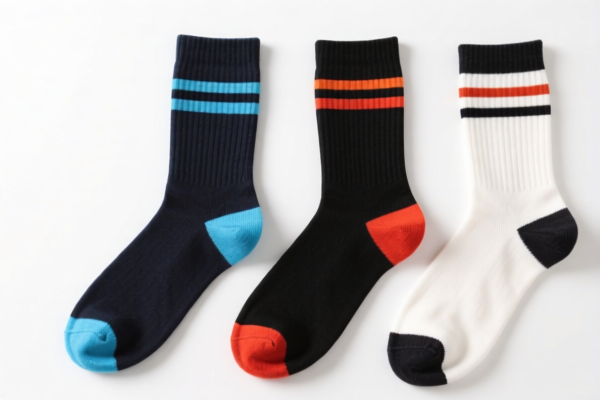
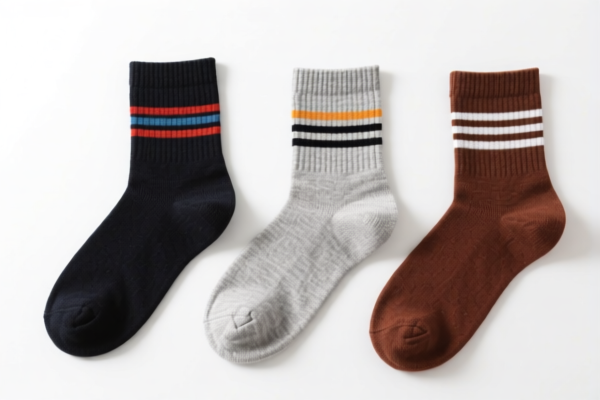
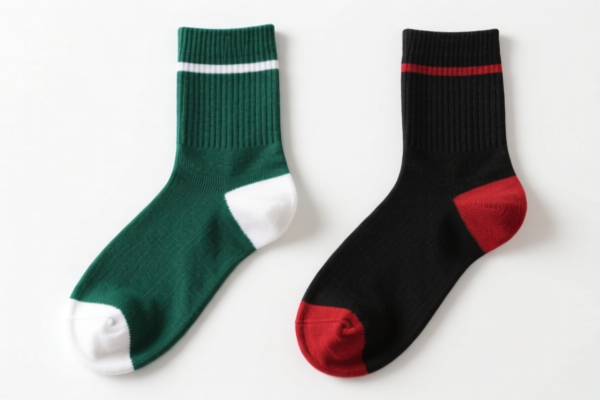
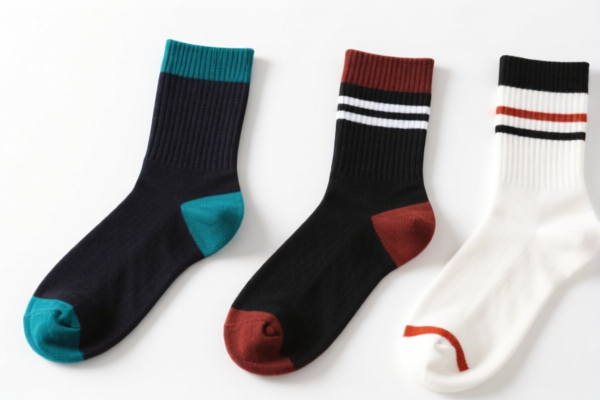
AI Analysis
🧦 Five-Finger Socks (Toque Socks / Split-Toe Socks)
🌐 HS Code Reference & Customs Clearance Guide | 2026 Latest Tariff Breakdown | Professional Strategy for U.S. Imports
📌 Part I: Product Definition & Classification Logic
Five-finger socks are specialized hosiery designed to separate each toe individually. In international trade, their classification depends heavily on two factors:
1. Construction Method: Knitted (Chapter 61) vs. Made-up Textile Articles (Chapter 62).
2. Target Demographic/Material: Baby/Cotton vs. Adult/Synthetic vs. General Accessories.
Because U.S. Customs and Border Protection (CBP) strictly distinguishes between "knitted hosiery" and "made-up textile articles," misclassification can lead to severe tariff penalties. The data provided below reflects the U.S. import tariff structure (including Base Tariff, Section 301/Additional Duties, and Section 1223 Tariffs).
📦 Part II: Detailed HS Code Breakdown (U.S. Tariff Schedule 2026)
Below are the five specific HS Codes derived from the provided dataset, ranked by logical classification criteria.
| HS Code | Product Description & Logic | Material Inference | Total Tax Rate | Tariff Breakdown |
|---|---|---|---|---|
| 6111.20.60.50 | Baby Socks (Knitted/Crocheted) Specifically designed for infants. If the product is marketed as "baby socks," it falls here regardless of being five-fingered. |
Cotton (Inferred) | 25.6% | Base: 8.1% Section 301/Additional: 7.5% Section 1223: 10% |
| 6115.96.90.20 | Other Knitted Socks, Synthetic Fibers Standard adult five-finger socks made of synthetic blends (polyester/nylon). This is the most common code for performance/athletic five-finger socks. |
Synthetic Fiber (Inferred) | 24.6% | Base: 14.6% Section 301/Additional: 0.0% Section 1223: 10% |
| 6111.30.50.50 | Other Knitted Socks, Other Textile Materials Generic knitted five-finger socks not classified as baby socks or synthetic-specific categories. Often used for cotton-heavy blends or unspecified fibers. |
Synthetic or Cotton (Inferred) | 26.0% | Base: 16.0% Section 301/Additional: 0.0% Section 1223: 10% |
| 6115.95.90.00 | Other Knitted Socks, Cotton Five-finger socks made primarily of cotton. Note: Distinct from baby cotton socks (6111.20.60.50). |
Cotton or Blends (Inferred) | 31.0% | Base: 13.5% Section 301/Additional: 7.5% Section 1223: 10% |
| 6217.10.95.50 | Made-Up Clothing Accessories Non-knitted five-finger socks (e.g., woven textile) or socks classified as "accessories" rather than "hosiery." Used if the item is not knitted in the final shape. |
Textile (Knitted/Woven) (Inferred) | 32.1% | Base: 14.6% Section 301/Additional: 7.5% Section 1223: 10% |
🔍 Key Distinction Logic:
- Chapter 61 (Knitted) is preferred for most five-finger socks (e.g., VibramFiveFingers, Balega, etc.).
- Chapter 62 (Made-up) is rare and applies only if the socks are not knitted (e.g., woven fabric construction) or are considered generic "accessories" rather than hosiery.
- Baby (6111) vs. General (6115/6111.30): Age-marketing matters. If labeled "For Babies," use 6111.20.60.50. If unmarked or for adults, use general codes.
💰 Part III: Tariff Deep Dive & Policy Explanation
All rates below assume Origin: China (CN) importing into the United States (US).
🎯 1. Base Tariff (Most Favored Nation - MFN)
- Range: 8.1% – 16.0%
- Explanation: This is the standard WTO-based tariff rate for textile hosiery.
- Lowest (8.1%): Applies to baby cotton socks (6111.20.60.50).
- Highest (16.0%): Applies to general knitted socks (6111.30.50.50).
🎯 2. Additional Duties (Section 301 / Trade War Tariffs)
- Range: 0.0% – 7.5%
- Explanation:
- 0.0%: Applied to synthetic fiber socks (6115.96.90.20) and general socks (6111.30.50.50). These sub-headings were historically carved out or have lower added rates in certain years.
- 7.5%: Applied to cotton socks (6115.95.90.00) and made-up accessories (6217.10.95.50). Cotton is often subject to higher political tariffs due to domestic agriculture protections.
🎯 3. Section 1223 Tariff (Renewed U.S.-China Trade Action)
- Flat Rate: 10%
- Explanation: This is a specific add-on tariff applied to all textile imports from China under Section 1223 of the Trade Act. It is non-negotiable and applies uniformly across all five HS codes above.
📊 Total Effective Tax Rate Calculation Example
- Scenario: Importing 1,000 pairs of Synthetic Five-Finger Socks (HS 6115.96.90.20)
- CIF Value: $10,000
- Base: 14.6% → $1,460
- Additional: 0.0% → $0
- Section 1223: 10% → $1,000
- Total Duty: $2,460
- Effective Rate: 24.6%
🛠️ Part IV: Customs Clearance Advice & Pitfalls
✅ 1. Critical Documentation Requirements
To ensure accurate classification and avoid delays:
| Document | Requirement | Why It Matters |
|---|---|---|
| Product Spec Sheet | Must specify Knitted vs. Woven and Material Composition (e.g., 80% Polyester, 20% Spandex). | Determines Chapter 61 vs. 62 and Base Rate. |
| Labeling Photos | Show care labels stating "Baby Socks" or "Adult Socks." | Mislabeling as "Baby" when for adults can trigger fraud penalties. |
| Technical Diagram | Illustrate the five-toe separation structure. | Confirms it is not a "shoe" or "footwear" (Chapter 64), which has different duties. |
| Commercial Invoice | Must clearly state "Five-Finger Socks" and HS Code. | CBP uses this for initial risk assessment. |
✅ 2. Common Classification Errors (Avoid These!)
❌ Error 1: Classifying as Footwear (Chapter 64)
Risk: Five-finger socks are hosiery, not footwear with soles.
Consequence: If misclassified as footwear, duties could be higher, and import restrictions may apply.
Fix: Always use Chapter 61 (Knitted) or 62* (Made-up Textile).
❌ Error 2: Misidentifying Material Composition
Risk: Listing "Cotton" when the sock is 95% Polyester.
Consequence: CBP may reclassify under a higher-duty category (e.g., from 24.6% to 32.1%).
Fix*: Provide fiber content tags exactly as they appear on the product.
❌ Error 3: Ignoring "Baby" Classification
Risk: Marketing adult socks as "unisex baby socks" to get the lower 25.6% rate.
Consequence: Severe penalties for fraud if dimensions/styling clearly indicate adult use.
Fix*: Only use 6111.20.60.50 if the product is physically sized and marketed for infants (<2 years).
✅ 3. Strategic Recommendation for Importers
- For Synthetic/Athletic Socks: Aim for 6115.96.90.20 (24.6% total). This is the most competitive rate for performance gear. Ensure the product label clearly states "Synthetic Fibers."
- For Cotton/Everyday Socks: Use 6115.95.90.00 (31.0% total). Be prepared for the higher additional duty.
- For Baby Products: Use 6111.20.60.50 (25.6% total). Ensure packaging explicitly states "For Infants" to justify the lower base rate.
- Avoid Chapter 62 (6217.10.95.50) unless absolutely necessary. The 32.1% rate is the highest, and it complicates the narrative by treating socks as "accessories" rather than hosiery.
🌍 Part V: Global Market Context (Quick Reference)
| Market | Recommended HS Code | Approx. Duty (China Origin) | Notes |
|---|---|---|---|
| 🇺🇸 USA | 6115.96.90.20 |
24.6% | Includes Section 1223 (10%) + Base (14.6%) |
| 🇨🇳 China | 6115.96.90.20 |
~7-13% | Lower base rates; no Section 1223 |
| 🇪🇺 EU | 6115.96.20 |
~10-12% | No additional political tariffs like US |
| 🇬🇧 UK | 6115.96.20 |
~10-12% | Post-Brexit tariff lines similar to EU |
📌 Conclusion: The US market remains the most tariff-intensive for Chinese textile imports due to the叠加 of Base Tariff + Section 301/Additional Duties + Section 1223. Accurate material and age classification is crucial to minimize costs.
📌 Part VI: Final Checklist for Smooth Clearance
- Verify Knitted Status: Confirm manufacturing process is knitting (not weaving).
- Confirm Material %: Match invoice with physical label (Cotton vs. Synthetic).
- Check Age Group: Ensure "Baby" claims are backed by size/marketing.
- Pre-Ruling: For large shipments, consider applying for a CBP Binding Ruling using one of the HS codes above to lock in the duty rate.
- Section 1223 Compliance: Ensure all paperwork acknowledges the 10% add-on tariff to avoid hold-ups at the border.
🎯 Pro Tip:
"When in doubt, Synthetic Knitted (6115.96.90.20) is your friend—it offers the lowest total duty (24.6%) among the listed options. Avoid cotton-heavy adult socks (31.0%) or generic categories (26.0%+) unless marketing dictates otherwise."
📣 Immediate Action:
📞 Contact your customs broker with the product’s fiber content and knitting type.
📄 Request a pre-import classification review to confirm the HS code before shipment.
🚀 Optimize your supply chain by leveraging the 24.6% rate for synthetic five-finger socks.
✨ Smart Classification, Smarter Profits!
💼 Every percentage point matters in the age of Section 1223.
Customer Reviews
About HS Code Classification
The Harmonized System (HS) is an internationally standardized nomenclature developed by the World Customs Organization (WCO) to classify traded products. Over 200 countries use the HS system as the basis for customs tariffs, trade statistics, and import/export regulations.
Each HS code follows a hierarchical structure:
- Chapter (2 digits) — Broad category of goods (e.g., Chapter 84: Machinery and Mechanical Appliances)
- Heading (4 digits) — More specific grouping within the chapter
- Subheading (6 digits) — Internationally standardized breakdown, used by all WCO member countries
- National subdivisions (8-10 digits) — Country-specific extensions for further classification, such as US HTSUS 10-digit codes
Correct HS code classification is essential for smooth customs clearance, accurate duty payment, and compliance with trade regulations. Misclassification can lead to customs delays, overpayment of duties, or penalties.
When importing from CN to US, the applicable tariff rates may include:
- Most-Favored-Nation (MFN) rate — The standard duty rate applied to WTO members
- General rate — Applied to countries without trade agreements
- Trade remedy duties — Additional tariffs such as Section 301 (anti-dumping), Section 232 (national security), or countervailing duties
The information provided on this page is for reference purposes only. For official classification, please consult with your local customs authority or a licensed customs broker.