five panel painting
CN → US| HS Code | Tariff Rate | Origin | Destination | Doc |
|---|---|---|---|---|
| 9701990000 | 17.5% | CN | US | Official Doc |
| 9702900000 | 17.5% | CN | US | Official Doc |
| 9702900000 | 17.5% | CN | US | Official Doc |
| 9701910000 | 10.0% | CN | US | Official Doc |
| 9702100000 | 17.5% | CN | US | Official Doc |
Product Images
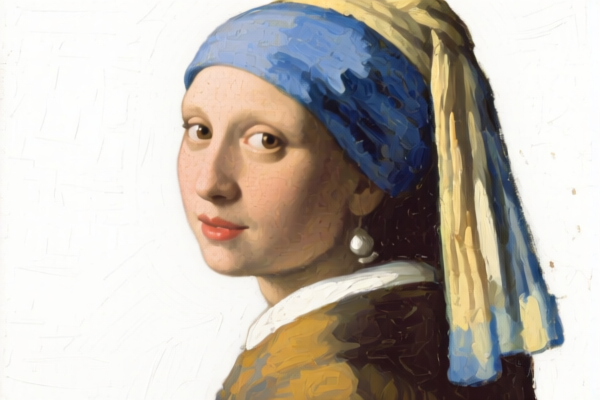
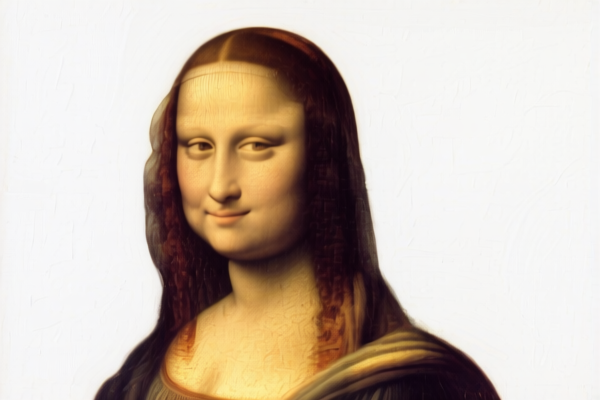
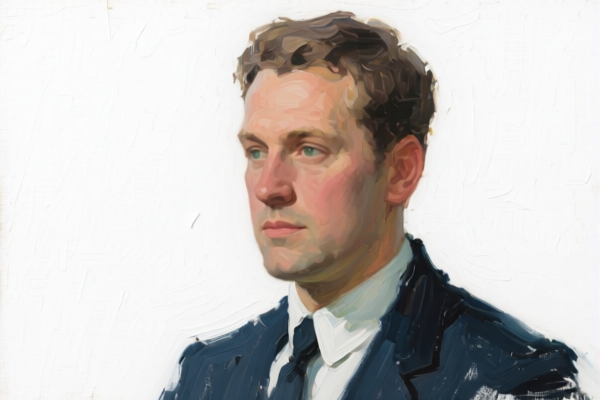
AI Analysis
🖼️ Five-Panel Painting (Wulian Hua)
🌐 HS Code Reference & Customs Clearance Guide | 2026 Latest Tariff Analysis | Professional Classification Strategy
📌 I. Product Definition & Classification: Do You Really Understand "Five-Panel Paintings"?
A Five-Panel Painting is a traditional or contemporary art form where five distinct panels are joined together to form a single cohesive artwork, often depicting a continuous scene or thematic series. In international trade, it is primarily classified under Chapter 97 (Art, Antiques, and Collectibles), specifically within headings for Paintings (9701) or Prints and Drawings (9702).
⚠️ Key Distinction Point:
- If the work is a hand-painted original (e.g., oil, acrylic, watercolor on canvas/wood) → It falls under Heading 9701 (Paintings).
- If the work is a print/edition (e.g., etching, lithography, screen print) or a reproduction → It falls under Heading 9702 (Prints).
- Material Conflict Check: The data provided indicates no material conflicts for these classifications, meaning common artistic materials (canvas, paper, wood) are acceptable.
📦 II. HS Code Classification Details (2026 Latest Tariff Authority Comparison)
| HS Code | Product Description | Application Scenario | Classification Logic |
|---|---|---|---|
9701.99.00.00 |
Paintings, drawings, and similar decorative plates (Other) | Hand-painted five-panel works (Oil/Acrylic/Watercolor) | ✅ Painting Category: Fits the definition of paintings and decorative plates. No material conflict. |
9702.90.00.00 |
Prints produced by printing (Other) | Print-based five-panel works (Etching/Lithography/Reproduction) | ✅ Print Category: Fits the form of print art (original engravings or lithographs). No material conflict. |
9702.90.00.00 |
Prints (Other) | Composite/Collection print forms | ✅ Catch-all Category: Fits the collective form of prints/lithographs. Used as a fallback for other print types. No material conflict. |
9701.91.00.00 |
Paintings, drawings, and similar decorative plates (Other) | Artistic Creative works inferred as hand-drawn | ✅ Inferred Painting: Fits the shape and purpose of hand-drawn artistic creations. No material or shape conflict. |
9702.10.00.00 |
Prints, produced by printing (Engravings, etchings, etc.) | Engraved/Printed art pieces | ✅ Print/Engraving: Fits the purpose/form of engraved prints or paintings. |
🔍 Critical Reminder:
- Original Hand-Painted Works should generally be classified under 9701 (Paintings).
- Prints, Reproductions, or Engravings should be classified under 9702 (Prints).
- Misclassification between 9701 and 9702 can lead to significant tariff differences due to different "Section 301" and "Section 122" applicability.
💰 III. 2026 Latest Tariff Rate Details (Including Surcharges & Policy Add-ons)
✅ Applicable Country: United States (US)
✅ Origin: China (CN) (Implied by the tax structure: Base 0% + Section 301 7.5% + Section 122 10%)
✅ Effective Time: Current Tariff Regime
🎯 1. 9701.99.00.00 & 9702.90.00.00 & 9702.10.00.00
(For Paintings/Prints subject to Full Surcharges)
| Item | Content |
|---|---|
| Base Tariff | 0.0% (Ad Valorem) |
| Section 301 Surcharge | +7.5% (Standard USITC Footnote for China) |
| Section 122 Surcharge | +10.0% (Specific additional duty for China-origin goods) |
| Total Tariff Rate | 17.5% |
| Tax Calculation | CIF Value × 17.5% |
| De Minimis Exemption | ❌ Not Applicable (High-value art goods generally excluded or risky) |
| Legal Basis Path | Base: 9701/9702 → USITC: Sec 301 (7.5%) → Executive Order: Sec 122 (10%) |
📌 Explanation:
- These HS codes attract the full combined surcharge of 17.5%.
- This applies to most commercial art imports from China that do not qualify for specific exemptions.
- Total Cost Impact: High. Must be factored into pricing.
🎯 2. 9701.91.00.00
(For Paintings with Reduced/Zero Section 301 Surcharge)
| Item | Content |
|---|---|
| Base Tariff | 0.0% (Ad Valorem) |
| Section 301 Surcharge | 0.0% (Exempt or Not Included in this subheading list) |
| Section 122 Surcharge | +10.0% (Still applies under some interpretations) |
| Total Tariff Rate | 10.0% |
| Tax Calculation | CIF Value × 10.0% |
| De Minimis Exemption | ❌ Not Applicable |
| Legal Basis Path | Base: 9701.91 → Exemption: Sec 301 → Sec 122: 10% |
📌 Note:
- This subheading (9701.91) often benefits from a lower overall tax burden compared to9701.99or9702because it may be exempt from the 7.5% Section 301 tariff, retaining only the 10% Section 122 duty.
- Savings: 7.5% less than other painting/print codes.
🛠️ IV. Customs Clearance Practical Advice (Real-World Pitfall Avoidance Guide)
✅ 1. Document Checklist (All Required)
| Document | Required | Description |
|---|---|---|
| ✅ Product Photos | ✔️ | Clear images of all 5 panels, showing joinery, medium, and signature. |
| ✅ Provenance/Certificate of Authenticity | ✔️ | Critical for HS 9701 vs. 9702. Proves if it's an original painting (9701) or print (9702). |
| ✅ Detailed Invoice | ✔️ | Must specify: "Five-Panel Oil Painting on Canvas" or "Lithograph Print Series". |
| ✅ Material Declaration | ✔️ | Specify support material (Canvas, Paper, Wood) and medium (Oil, Acrylic, Ink). |
| ✅ Packaging List | ✔️ | Show how panels are packaged (individually wrapped, crated) to prevent damage. |
| ✅ Artist Bio/CV | ✔️ | Helpful for customs valuation and verifying artistic nature. |
✅ 2. Declaration Tips (Key Mnemonics)
🔥 “Original vs. Print, Name It Right, Tariff Light!”
| Scenario | Correct Declaration | Wrong Practice |
|---|---|---|
| Hand-Painted Original | Use 9701 codes. Describe as "Original Oil Painting." | Mislabeling as "Print" → May trigger unnecessary audit. |
| Limited Edition Print | Use 9702 codes. Describe as "Limited Edition Lithograph." | Mislabeling as "Original" → High risk of fraud penalty. |
| Mixed Media/Decorative | Use 9701.99 if painting-like. | Vague description "Art Piece" → Customs will reclassify & penalize. |
| Unframed Panels | Declare as "Unframed Artwork." | Claiming "Furniture" or "Decor" → Wrong chapter, higher duty. |
✅ 3. Special Case Handling
| Scenario | Handling Advice |
|---|---|
| High-Value Antiques (>100 years) | May qualify for duty-free entry under HS 9706 (Antiques). Check age carefully. |
| Mass-Produced Reproductions | Must declare as Prints (9702) or even Decor (57/63) if not art. Do not claim as original. |
| Digital Prints on Canvas | Often classified as Prints (9702). Ensure quality meets "artistic" standard to avoid being seen as wallpaper. |
| Customs Valuation | Provide sale invoice. If no sale, provide transactional value of identical goods. Art valuation is subjective; be prepared for officer inquiry. |
🌍 V. Global Market Clearance Comparison (2026 Latest)
| Country/Region | Recommended HS Code | Tariff (China Origin) | Certification | Notes |
|---|---|---|---|---|
| 🇺🇸 USA | 9701.99.00.00 / 9701.91.00.00 |
17.5% (Full) or 10% (Reduced) | None | Section 122 + 301 applies. High cost. |
| 🇪🇺 EU | 9701.10 / 9702.00 |
0% – 6% | None | Generally low tariff. No Section 301. |
| 🇨🇳 China (Import) | 9701.99.00.00 |
5% – 10% | None | Standard import duty. |
| 🇬🇧 UK | 9701.10 / 9702.00 |
0% – 6% | None | Post-Brexit rules apply. |
| 🇯🇵 Japan | 9701.10 / 9702.00 |
0% – 6% | None | Favorable for art imports. |
📌 Conclusion:
- USA is the highest-cost market due to Section 122 and 301 surcharges.
- EU/UK/Asia offer significantly lower tariffs (often 0-6%).
- Strategy: If targeting the US, consider valuing the art carefully and ensuring accurate HS classification to avoid overpayment or penalties.
📌 VI. Common Errors & Pitfall Guide (Blood & Tears Lessons)
❌ Error 1: Labeling a mass-produced print as an "Original Painting"
👉 Consequence: Customs may reject the artistic claim, reclassify as decorative item (higher duty) or penalize for misdeclaration.
❌ Error 2: Using Vague Descriptions like "Wall Art" or "Decor"
👉 Consequence: Customs will default to Chapter 39/63 (Plastics/Textiles), which may have higher or different duties and require more documentation.
❌ Error 3: Ignoring Section 122 implications
👉 Consequence: Unexpected 10% extra tax at border. Many importers forget this specific surcharge for China-origin goods.
❌ Error 4: Not providing Provenance for high-value items
👉 Consequence: Delayed clearance, storage fees, and potential auction if value is disputed.
✅ Correct Approach:
"Five-Panel Original Oil Painting on Canvas, Artist: [Name], Signed & Dated, Unframed, CIF Value: $[Amount]"
🎯 VII. Conclusion: Professional Declaration, Save Time, Reduce Costs!
🎯 Remember the Mantras:
🔹 "Original is 9701, Print is 9702."
🔹 "Section 122 adds 10%, Section 301 adds 7.5%."
🔹 "Total Tax 17.5% or 10%, check subheading carefully!"
📌 Pro Tip:
If your artwork is over 100 years old, apply for HS 9706 (Antiques) which may be duty-free in many jurisdictions, including the US (subject to specific conditions).
For new art, accurate documentation is your best defense against audit and overpayment.
📣 Immediate Action:
📞 Consult a licensed customs broker.
📸 Prepare high-quality photos and artist certificates.
🚀 Clear customs smoothly, protect your profit margins, and let art flow across borders!
✨ Professional Customs Clearance Starts with Accurate Classification!
💼 Every Dollar Counted, Every Shipment Secure!
Customer Reviews
About HS Code Classification
The Harmonized System (HS) is an internationally standardized nomenclature developed by the World Customs Organization (WCO) to classify traded products. Over 200 countries use the HS system as the basis for customs tariffs, trade statistics, and import/export regulations.
Each HS code follows a hierarchical structure:
- Chapter (2 digits) — Broad category of goods (e.g., Chapter 84: Machinery and Mechanical Appliances)
- Heading (4 digits) — More specific grouping within the chapter
- Subheading (6 digits) — Internationally standardized breakdown, used by all WCO member countries
- National subdivisions (8-10 digits) — Country-specific extensions for further classification, such as US HTSUS 10-digit codes
Correct HS code classification is essential for smooth customs clearance, accurate duty payment, and compliance with trade regulations. Misclassification can lead to customs delays, overpayment of duties, or penalties.
When importing from CN to US, the applicable tariff rates may include:
- Most-Favored-Nation (MFN) rate — The standard duty rate applied to WTO members
- General rate — Applied to countries without trade agreements
- Trade remedy duties — Additional tariffs such as Section 301 (anti-dumping), Section 232 (national security), or countervailing duties
The information provided on this page is for reference purposes only. For official classification, please consult with your local customs authority or a licensed customs broker.