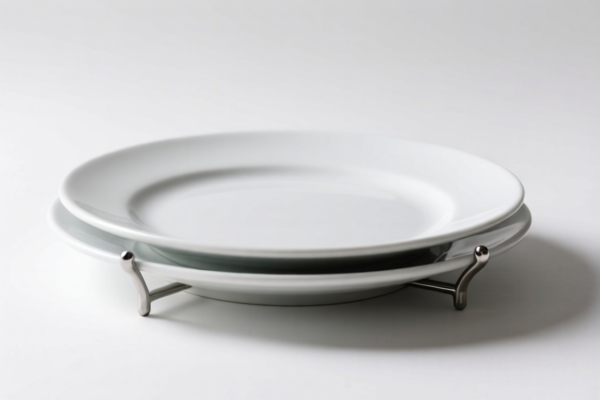
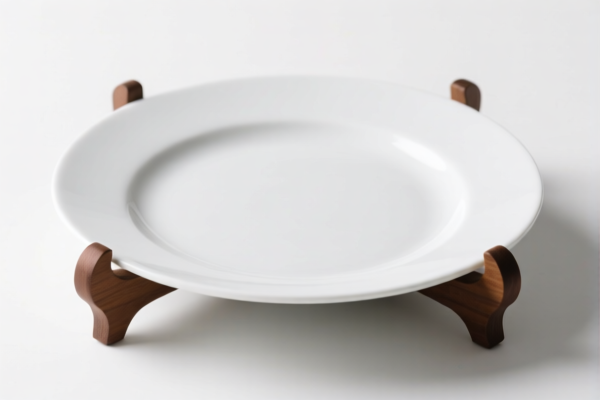
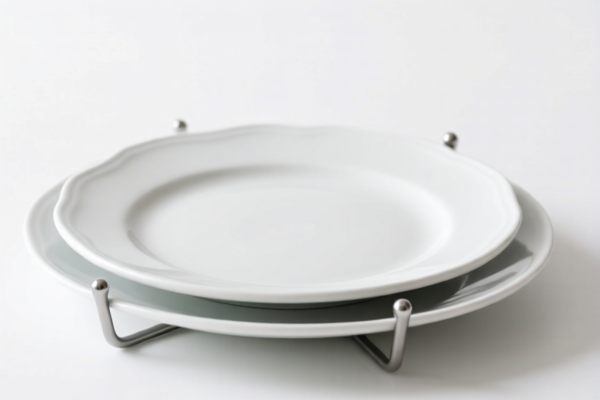
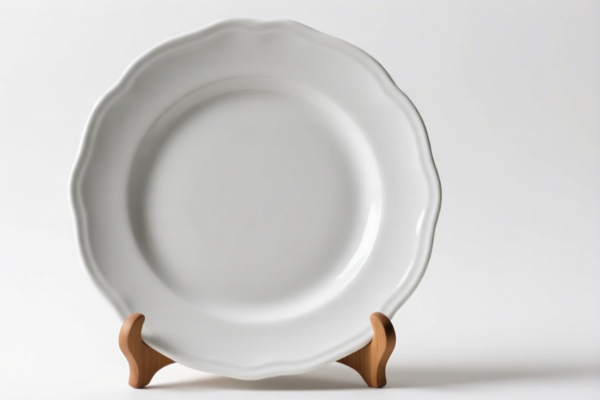
fixed plate fixing support
CN → US| HS Code | Tariff Rate | Origin | Destination | Doc |
|---|---|---|---|---|
| 7326908688 | 87.9% | CN | US | Official Doc |
| 8529908300 | 35.0% | CN | US | Official Doc |
| 8529909800 | 35.0% | CN | US | Official Doc |
| 3926902500 | 24.0% | CN | US | Official Doc |
| 7326908630 | 87.9% | CN | US | Official Doc |
Product Images
AI Analysis
🛠️ Fixed Plate Fixing Support: HS Code Classification & Customs Clearance Guide (2026)
🌐 HS Code Reference & Customs Strategy | 2026 Latest Tariff Analysis | Professional Clearance Protocol
📌 Part I: Product Definition & Classification: What is a "Fixed Plate Fixing Support"?
A Fixed Plate Fixing Support is a structural component used to secure, stabilize, or mount other equipment or structural elements. It is typically a bracket, clamp, or plate made of metal, plastic, or other rigid materials. In international trade, its classification depends heavily on: 1. Material (Metal vs. Plastic) 2. End-Use (General-purpose vs. Specific Electronic/TV Equipment) 3. Function (General support vs. Dedicated part of a specific apparatus)
⚠️ Key Distinction Point:
- If the support is metal and used for general structural purposes (e.g., shelving, racks, general machinery) → It falls under Chapter 73 (Articles of Iron or Steel). - If the support is plastic → It falls under Chapter 39 (Plastics). - If the support is a dedicated part of a Television or AV Apparatus → It may fall under Chapter 85 (Electrical Machinery).
📦 Part II: HS Code Classification Details (2026 Latest Tariff Authority)
Based on the provided data, here are the five possible HS Codes and their rationales:
| HS Code | Product Description | Rationale for Classification | Material/Usage |
|---|---|---|---|
7326.90.86.88 |
Other articles of iron or steel, not specified elsewhere | General-purpose metal support; fits the "catch-all" category for steel/iron fixtures | Metal (Iron/Steel) |
8529.90.83.00 |
Parts of television apparatus, not specified elsewhere | Used specifically as a part for TV equipment | Any, but TV-specific |
8529.90.98.00 |
Parts of apparatus or equipment, not specified elsewhere | General electrical/electronic equipment part; fits "parts for equipment" | Any, but Electronic Equipment |
3926.90.25.00 |
Other plastic articles, not specified elsewhere | Plastic support component; fits the "catch-all" for plastic goods | Plastic |
7326.90.86.30 |
Other articles of iron or steel, used as supports | Metal support specifically identified as a supporting structure | Metal (Iron/Steel) |
🔍 Critical Warning:
- Metal vs. Plastic: The material dictates whether you classify under Chapter 73 or Chapter 39. - General vs. Specific Use: If the support is only used for TVs, 8529.90 codes are appropriate. If it’s a general-purpose bracket, 7326.90 or 3926.90 is more accurate. Misclassification can lead to significant tax discrepancies due to the Section 301 and 122 Clauses mentioned below.
💰 Part III: 2026 Tariff Rate Breakdown (Including Additional Duties & Policy Surcharges)
✅ Applicable Country: United States (US)
✅ Origin: China (CN)
✅ Effective Date: As per current 2025-2026 trade policies
🎯 1. 7326.90.86.88 – Metal Support (General Catch-All)
| Item | Detail |
|---|---|
| Base Tariff | 2.9% |
| Section 301 Tariff | +25.0% |
| Section 122 Tariff | +50.0% (Special surcharge for Steel/Aluminum/Copper products) |
| Total Tax Rate | 87.9% |
| Tax Calculation | CIF Value × 87.9% |
| De Minimis Eligibility | ❌ No |
| Legal Basis Path | Section 301: 25% → Section 122: 50% → USITC: 7326.90.86.88 |
📌 Explanation:
- This is a high-cost classification due to the Section 122 surcharge (50%) applied specifically to steel/aluminum/copper products from China.
- Total burden: 87.9%. This is among the highest rates for general hardware.
🎯 2. 8529.90.83.00 – Part of Television Apparatus
| Item | Detail |
|---|---|
| Base Tariff | 0.0% |
| Section 301 Tariff | +25.0% |
| Section 122 Tariff | +10.0% (If classified under certain steel/Al provisions, but data shows 10%) |
| Total Tax Rate | 35.0% |
| Tax Calculation | CIF Value × 35.0% |
| De Minimis Eligibility | ❌ No |
| Legal Basis Path | Section 301: 25% → Section 122: 10% → USITC: 8529.90.83.00 |
📌 Note:
- While the base tariff is 0%, the Section 122 surcharge still applies at a lower rate (10%) compared to general steel products.
- Total burden: 35%. Significantly cheaper than general metal supports.
🎯 3. 8529.90.98.00 – Part of Other Equipment
| Item | Detail |
|---|---|
| Base Tariff | 0.0% |
| Section 301 Tariff | +25.0% |
| Section 122 Tariff | +10.0% |
| Total Tax Rate | 35.0% |
| Tax Calculation | CIF Value × 35.0% |
| De Minimis Eligibility | ❌ No |
| Legal Basis Path | Section 301: 25% → Section 122: 10% → USITC: 8529.90.98.00 |
📌 Note:
- Similar to the TV part, this falls under electrical equipment parts.
- Total burden: 35%.
🎯 4. 3926.90.25.00 – Plastic Support (Catch-All)
| Item | Detail |
|---|---|
| Base Tariff | 6.5% |
| Section 301 Tariff | +7.5% |
| Section 122 Tariff | +10.0% |
| Total Tax Rate | 24.0% |
| Tax Calculation | CIF Value × 24.0% |
| De Minimis Eligibility | ❌ No |
| Legal Basis Path | Section 301: 7.5% → Section 122: 10% → USITC: 3926.90.25.00 |
📌 Advantage:
- Plastic supports are the most tax-efficient option in this dataset.
- Total burden: 24%.
- Crucial: This only applies if the product is confirmed to be plastic. Misdeclaring metal as plastic is customs fraud.
🎯 5. 7326.90.86.30 – Metal Support (Specific Supporting Article)
| Item | Detail |
|---|---|
| Base Tariff | 2.9% |
| Section 301 Tariff | +25.0% |
| Section 122 Tariff | +50.0% (Steel/Aluminum/Copper surcharge) |
| Total Tax Rate | 87.9% |
| Tax Calculation | CIF Value × 87.9% |
| De Minimis Eligibility | ❌ No |
| Legal Basis Path | Section 301: 25% → Section 122: 50% → USITC: 7326.90.86.30 |
📌 Explanation:
- Like7326.90.86.88, this falls under the Section 122 steel surcharge.
- Total burden: 87.9%. High cost, avoid unless it’s a general metal support with no other classification.
🛠️ Part IV: Customs Clearance Operational Advice (Practical Pitfall Guide)
✅ 1. Documentation Checklist (Non-negotiable)
| Document | Required? | Description |
|---|---|---|
| ✅ Product Specification Sheet | ✔️ | Must clearly state Material (Plastic vs. Metal) and Dimensions. |
| ✅ Material Declaration | ✔️ | Explicitly state: "100% Plastic" or "Stainless Steel 304". |
| ✅ Product Photos | ✔️ | Clear images showing the support’s structure and any labeling. |
| ✅ Commercial Invoice | ✔️ | Describe as "Fixing Support, [Material], for [End-Use]". |
| ✅ Certificate of Origin | ✔️ | For proving China origin (if applicable) to apply tariffs correctly. |
| ✅ Usage Statement | ✔️ | Declare if it’s for "TV Equipment" or "General Use". |
✅ 2. Classification Strategy (Key Mantra)
🔥 “Material First, Use Second, Avoid Steel Surcharge!”
| Scenario | Recommended HS Code | Total Tax | Strategy |
|---|---|---|---|
| Plastic Support | 3926.90.25.00 |
24% | ✅ Best Option: If material allows, use plastic to save ~64% in taxes. |
| TV Bracket (Metal/Plastic) | 8529.90.83.00 or 8529.90.98.00 |
35% | ✅ Good Option: If specifically for TVs, use Chapter 85 to avoid 50% Section 122 surcharge. |
| General Metal Support | 7326.90.86.88 or 7326.90.86.30 |
87.9% | ❌ Avoid: Only use if no other classification fits. High tax burden. |
📌 Critical Tip:
- Do NOT misdeclare plastic as metal or vice versa. Customs will test material composition.
- Do NOT generalize a TV bracket as a "general metal support" if it can be classified under8529. The tax difference is 52.9% (87.9% vs. 35%).
✅ 3. Special Circumstances
| Situation | Handling Advice |
|---|---|
| Mixed Materials | If support is metal with plastic parts, classify based on essential character (usually metal). |
| OEM Custom Parts | Provide client design drawings to prove it’s a "part of apparatus" (e.g., TV) for 8529 classification. |
| Bulk vs. Sample | Both are subject to the same tariffs. De Minimis ($800) does not apply to these HS Codes (as per data). |
| Steel vs. Aluminum | Section 122 applies to both. Ensure accurate material declaration to avoid penalties. |
🌍 Part V: Global Market Comparison (2026)
| Country/Region | Recommended HS Code | Estimated Tariff (China Origin) | Notes |
|---|---|---|---|
| 🇺🇸 USA | 3926.90.25.00 (Plastic) |
24% | Avoid 7326 (87.9%) due to Section 122. |
| 🇺🇸 USA | 8529.90.98.00 (TV Part) |
35% | Better than metal general support. |
| 🇪🇺 EU | 3926.90.97 |
~3-6% | Lower base tariffs, no Section 122. |
| 🇨🇳 China | 3926.90.90 |
~5-6% | No Section 301/122 surcharges. |
📌 Conclusion:
- USA is the most challenging market due to Section 301 and Section 122 surcharges.
- Plastic (3926) and TV-specific (8529) classifications offer significant tax savings over general metal (7326).
📌 Part VI: Common Errors & Pitfalls (Lessons Learned)
❌ Error 1: Declaring a steel TV bracket as a "general metal support" (7326).
👉 Consequence: Tax jumps from 35% to 87.9% → 52.9% extra cost!
❌ Error 2: Declaring a plastic support as metal to match "general" usage.
👉 Consequence: Customs inspection may reveal plastic → Penalties for misdeclaration.
❌ Error 3: Using "Fixing Support" without specifying material or end-use.
👉 Consequence: Customs may classify it under the highest duty rate (7326.90.86.88) by default.
❌ Error 4: Assuming De Minimis ($800) applies.
👉 Consequence: All these HS Codes are excluded from de minimis benefits under current data → No tax-free small parcels.
✅ Correct Approach:
"Plastic Fixing Support, 100% PP Material, for Electronic Equipment Mounting, Model XYZ"
→ Classify as3926.90.25.00→ 24% Tax.
🎯 Part VII: Conclusion: Professional Classification, Cost Efficiency
🎯 Remember the Mantra:
🔹 "Plastic is Cheaper (24%), TV Parts are Mid (35%), General Steel is Expensive (87.9%)!"
🔹 "Specify Material, Specify Use, Avoid the Steel Surcharge!"
📌 Tips:
- If possible, design supports with plastic to reduce customs costs in the US.
- If metal is required, justify it as a part of TV/AV equipment (8529) rather than a general hardware item.
- Always provide detailed material specifications to avoid Customs reclassification.
📣 Immediate Action:
📞 Consult a customs broker for Advance Ruling if you are unsure of the classification.
🚀 Save costs, avoid delays, and ensure smooth clearance!
✨ Professional Customs Clearance Starts with Accurate Classification!
💼 Your Bottom Line Depends on the Right HS Code!
Customer Reviews
About HS Code Classification
The Harmonized System (HS) is an internationally standardized nomenclature developed by the World Customs Organization (WCO) to classify traded products. Over 200 countries use the HS system as the basis for customs tariffs, trade statistics, and import/export regulations.
Each HS code follows a hierarchical structure:
- Chapter (2 digits) — Broad category of goods (e.g., Chapter 84: Machinery and Mechanical Appliances)
- Heading (4 digits) — More specific grouping within the chapter
- Subheading (6 digits) — Internationally standardized breakdown, used by all WCO member countries
- National subdivisions (8-10 digits) — Country-specific extensions for further classification, such as US HTSUS 10-digit codes
Correct HS code classification is essential for smooth customs clearance, accurate duty payment, and compliance with trade regulations. Misclassification can lead to customs delays, overpayment of duties, or penalties.
When importing from CN to US, the applicable tariff rates may include:
- Most-Favored-Nation (MFN) rate — The standard duty rate applied to WTO members
- General rate — Applied to countries without trade agreements
- Trade remedy duties — Additional tariffs such as Section 301 (anti-dumping), Section 232 (national security), or countervailing duties
The information provided on this page is for reference purposes only. For official classification, please consult with your local customs authority or a licensed customs broker.