flagpole rope
CN → US| HS Code | Tariff Rate | Origin | Destination | Doc |
|---|---|---|---|---|
| 5911900040 | 38.8% | CN | US | Official Doc |
| 5911900080 | 38.8% | CN | US | Official Doc |
| 7312106060 | 85.0% | CN | US | Official Doc |
| 7312109090 | 85.0% | CN | US | Official Doc |
| 5607909000 | 41.3% | CN | US | Official Doc |
| 5607504000 | 38.6% | CN | US | Official Doc |
Product Images
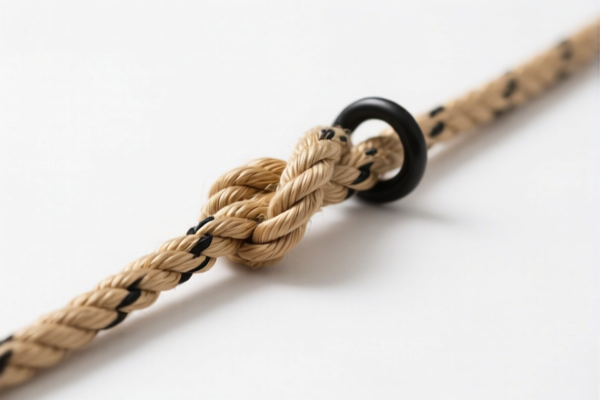


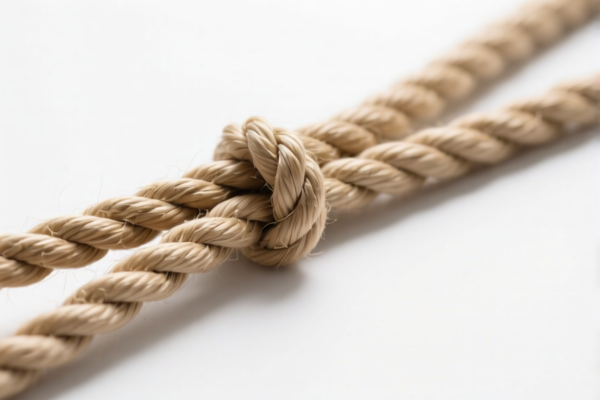
AI Analysis
🚩 Flagpole Rope & Cordage Systems
🌐 HS Code Reference & Clearance Guide | 2026 Latest Tariff Analysis | Professional Customs Strategy
📌 I. Product Definition & Classification: What Exactly is a "Flagpole Rope"?
Flagpole rope, often referred to as halyard, flag line, or pulley rope, is a specialized textile or synthetic cordage used for hoisting and lowering flags on flagpoles. In international trade, these products are not classified as general "ropes" but are often categorized under technical textile products or specific synthetic cordage, depending on their material, treatment, and intended industrial use.
The classification hinges on two main factors: 1. Material Composition: Is it made of natural fibers, synthetic fibers (like nylon, polyester, or polypropylene), or metallic strands (steel)? 2. Function & Treatment: Is it purely for decorative use, or is it treated/coated for technical durability (e.g., weather resistance, lubrication)?
⚠️ Key Distinction:
- Decorative/General Synthetic Ropes: Simple braided ropes without technical coatings → Often fall under Chapter 56 (Twine, Cordage, Ropes).
- Technical/Impregnated Textiles: Ropes used for industrial purposes, packed/lubricated, or made of specific technical fabrics → Fall under Chapter 59 (Textile Products for Technical Uses).
- Metallic Cables: If made of stainless steel or other metals → Fall under Chapter 73 (Articles of Iron or Steel).
📦 II. HS Code Classification Details (2026 Latest Tariff Authority Match)
Based on the provided <DATA>, here are the applicable HS Codes for Flagpole Ropes, categorized by material and technical specification.
Category 1: Technical Textile Products (Chapter 59)
Applicable for ropes that are treated, impregnated, or used for specific technical/industrial purposes as per Note 8 to Chapter 59.
| HS Code | Product Description | Applicable Scenario | Key Characteristics |
|---|---|---|---|
5911.90.00.40 |
Textile products for technical uses: Other Cords, braids... of a kind used in industry as packing or lubricating material | Flagpole ropes with special lubricating coatings for smooth pulley operation; industrial-grade halyards | ✅ Treated/Lubricated ✅ Technical Use |
5911.90.00.80 |
Textile products for technical uses: Other Other | General technical textile ropes not fitting other specific subheadings (e.g., coated polyester ropes for outdoor flags) | ✅ Technical Fabric ✅ Coated/Impregnated |
🔍 Note: These codes apply if the rope is classified as a "textile product for technical uses" due to specific treatments (coating, covering) that enhance durability against weather, UV, or friction.
Category 2: Synthetic Fiber Cordage (Chapter 56)
Applicable for standard synthetic ropes (nylon, polyester, polypropylene) whether or not plaited or braided, but not classified under Chapter 59.
| HS Code | Product Description | Applicable Scenario | Key Characteristics |
|---|---|---|---|
5607.90.90.00 |
Twine, cordage, ropes... of other materials: Other (201) | Ropes made from materials other than cotton, sisal, or other textile fibers (e.g., plastic, rubber sheathed) | ✅ Non-Synthetic/Other Material ✅ General Cordage |
5607.50.40.00 |
Twine, cordage, ropes... of other synthetic fibers: Other (669) | Standard Nylon, Polyester, or Polypropylene flag ropes | ✅ Synthetic Fiber ✅ Braided/Plaited |
🔍 Note: Most standard commercial flagpoles use polyester or nylon ropes. If the rope is a simple synthetic braid without technical textile classification,
5607.50.40.00is the most common fit.
Category 3: Metallic Ropes/Cables (Chapter 73)
Applicable for flagpole systems using steel cables instead of textile ropes (common in large public flagpoles for durability).
| HS Code | Product Description | Applicable Scenario | Key Characteristics |
|---|---|---|---|
7312.10.60.60 |
Stranded wire, ropes, cables... of stainless steel: Other Other | Stainless Steel flag cables (high corrosion resistance) | ✅ Stainless Steel ✅ Stranded Cable |
7312.10.90.90 |
Stranded wire, ropes, cables... of iron or steel: Other: Other: Other Other | Carbon Steel or other non-stainless steel ropes (less common for flags due to rust) | ✅ Iron/Steel ✅ Not Stainless |
🔍 Note: Stainless steel is preferred for outdoor flagpoles. Always verify if the core is steel and if it is electrically insulated (usually not for flagpoles, hence "not electrically insulated" applies).
💰 III. 2026 Latest Tariff Rate Details (Including Surcharges)
✅ Applicable Country: United States (US)
✅ Origin: China (CN)
✅ Effective Date: 2025 onwards (Current Trade Policy)
🎯 1. Textile & Synthetic Ropes (HS Codes: 5911.90.00.40/80, 5607.90.90.00, 5607.50.40.00)
| Item | Content |
|---|---|
| Base Tariff | 0.0% (Most textile and synthetic cordage products have 0% MFN base rate) |
| Section 301 Surcharge | 0.0% (Note: Unlike electronics or furniture, many textile cords are currently exempt or have 0% added tariff in the provided data) |
| Total Tax Rate | 0.0% |
| Tax Calculation | CIF Value × 0% = $0 |
| De Minimis Eligibility | ✅ Yes (If value < $800, may be duty-free under Section 321) |
| Legal Basis | HTSUS Chapter 56/59 General Rules |
📌 Explanation:
- The provided<DATA>explicitly states "基础关税: 0.0%, 加征关税: 0.0%" for all textile and synthetic fiber ropes.
- This is a significant advantage for textile flag ropes.
- Caution: Ensure proper classification. If misclassified as "steel cable" (7312), tariffs jump to 75%.
🎯 2. Stainless Steel Flag Cables (HS Code: 7312.10.60.60)
| Item | Content |
|---|---|
| Base Tariff | 0.0% |
| Section 301 Surcharge | 25.0% (Steel/Aluminum/Copper Products Surcharge) |
| IEEPA Additional Tariff | 50% (Specific surcharge for Steel/Aluminum/Copper from China) |
| Total Tax Rate | 75.0% |
| Tax Calculation | CIF Value × 75% |
| De Minimis Eligibility | ❌ No (High tariff items often excluded or scrutinized) |
| Legal Basis | USITC:7312.10.60.60 → FOOTNOTE:Steel/Aluminum/Copper |
📌 Explanation:
- Stainless steel cables are subject to heavy tariffs due to trade restrictions on steel products.
- Total Duty: 75% is extremely high.
- Recommendation: For flagpoles, consider high-durability synthetic ropes (5607.50.40.00) to avoid 75% tariff, unless stainless steel is required for structural integrity (e.g., very tall flagpoles > 100ft).
🎯 3. Other Steel Cables (HS Code: 7312.10.90.90)
| Item | Content |
|---|---|
| Base Tariff | 0.0% |
| Section 301 Surcharge | 25.0% |
| IEEPA Additional Tariff | 50% |
| Total Tax Rate | 75.0% |
| Tax Calculation | CIF Value × 75% |
| De Minimis Eligibility | ❌ No |
📌 Explanation: Same as above. Carbon steel cables face the same 75% tariff. Not recommended for cost-effective flagpole systems.
🛠️ IV. Customs Clearance Practical Advice (Pitfall Avoidance Guide)
✅ 1. Preparation Checklist (Mandatory)
| Document | Required | Description |
|---|---|---|
| ✅ Product Specification Sheet | ✔️ | Must specify: Material (Polyester/Nylon/Stainless Steel), Diameter, Length, Breaking Strength, Coating Type |
| ✅ Material Composition Certificate | ✔️ | Critical for distinguishing between Chapter 56 (Synthetic) and Chapter 73 (Steel) |
| ✅ Product Photos | ✔️ | Clear images of the rope, end fittings (hooks/eyelets), and any labels |
| ✅ Commercial Invoice | ✔️ | Describe as "Polyester Flag Rope" or "Stainless Steel Halyard Cable" – avoid generic "Rope" |
| ✅ CoA / MSDS (if coated) | ✔️ | If the rope is impregnated with rubber/plastic (HS 5911), provide details on the coating |
| ✅ Origin Certificate | ✔️ | To prove origin (China) and apply correct tariff schedules |
✅ 2. Declaration Tips (Key Mantras)
🔥 "Material Matters: Textile is 0%, Steel is 75%!"
| Scenario | Correct Declaration | Wrong Practice |
|---|---|---|
| Standard Outdoor Flagpole | 5607.50.40.00 (Polyester Rope) |
Declaring as "Steel Cable" → 75% Duty |
| Lubricated Industrial Halyard | 5911.90.00.40 (Technical Textile) |
Declaring as "General Rope" → Potential misclassification risk |
| Stainless Steel Cable | 7312.10.60.60 (Stainless Steel) |
Declaring as "Polymer Coated Steel" → May still be taxed as steel |
| Small Sample (< $800) | Use Section 321 (De Minimis) | Declaring as formal entry → Unnecessary paperwork |
✅ 3. Special Handling Cases
| Case | Handling Advice |
|---|---|
| Mixed Materials | If the rope has a nylon core and steel wire reinforcement, it may still be classified as steel (7312). Always check the essential character. |
| Flagpole Kits | If ropes are sold with flagpoles, the rope is usually considered a part/accessory. However, if declared separately, classify as rope. |
| Rubber-Plastic Sheathed | If the steel rope is covered with rubber/plastics, it may still fall under 7312 if the steel is the essential character. |
| Pre-Tensioned Ropes | Provide tension specifications. High-tension ropes may be considered "cables" (7312) rather than "ropes" (5607). |
🌍 V. Global Market Clearance Comparison (2026)
| Country/Region | Recommended HS Code | Tariff | Certification | Notes |
|---|---|---|---|---|
| 🇺🇸 USA | 5607.50.40.00 (Polyester) |
0.0% | None | Best Option: Avoid steel cables (75% duty) |
| 🇺🇸 USA | 7312.10.60.60 (Stainless) |
75.0% | None | High cost; only for structural needs |
| 🇪🇺 EU | 5607.50.90 |
0-5% | CE (if applicable) | Lower duties than US for textiles |
| 🇨🇳 China | 5607.50.40 |
5-10% | CCC (if electrical) | Standard import duties |
| 🇯🇵 Japan | 5607.50.90 |
5-10% | None | Moderate duties |
📌 Conclusion:
- For the US market, synthetic textile ropes (Polyester/Nylon) are tariff-free (0%).
- Stainless steel cables incur a 75% tariff, making them economically unviable unless necessary for engineering reasons.
- Recommendation: Use high-strength polyester or aramid fibers for flagpoles to minimize customs costs.
📌 VI. Common Errors & Pitfall Guide (Lessons Learned)
❌ Error 1: Declaring Stainless Steel Flag Cables as "Plastic Rope"
👉 Consequence: 75% duty + Penalty for misdeclaration. Customs will X-ray and detect metal.
❌ Error 2: Declaring Lubricated Ropes as "General Cordage" (5607) instead of "Technical Textile" (5911)
👉 Consequence: May lead to audit. While both are 0% in this data, 5911 is more accurate for treated textiles. Misclassification can lead to future disputes.
❌ Error 3: Ignoring Section 321 (De Minimis) for small shipments
👉 Consequence: Paying $0 duty but incurring high customs brokerage fees. For shipments < $800, use Section 321 for faster, cost-free clearance.
❌ Error 4: Using generic terms like "Rope" in the Invoice
👉 Consequence: Customs may hold the shipment for classification review.
✅ Correct Description:
"Polyester Braided Flag Halyard Rope, UV Resistant, 10mm Diameter, for Outdoor Flagpole Use, Model FLG-100"
🎯 VII. Conclusion: Smart Classification, Cost Efficiency
🎯 Key Takeaway:
🔹 Textile Ropes (Polyester/Nylon): 0% Duty – Ideal for cost savings.
🔹 Steel Cables (Stainless): 75% Duty – Expensive; use only if structurally required.
🔹 De Minimis (< $800): Duty-Free – Use for small samples or low-value orders.
📌 Pro Tip:
If you are importing flagpole systems, consider sourcing polyester ropes instead of stainless steel cables to save 75% in tariffs. For large-scale installations, the durability of high-grade polyester (e.g., 3-strand twisted or braided) is often sufficient, avoiding the heavy steel tariffs.
📣 Action Item:
📞 Verify Material: Confirm if your rope is Textile or Steel.
📦 Declare Accurately: Use specific descriptions (e.g., "Polyester Flag Rope").
🚀 Optimize Costs: Leverage 0% duty for textiles and Section 321 for small shipments.
✨ Professional Clearance Starts with Accurate Classification!
💼 Every Percentage Point Saved is Profit Gained!
Customer Reviews
About HS Code Classification
The Harmonized System (HS) is an internationally standardized nomenclature developed by the World Customs Organization (WCO) to classify traded products. Over 200 countries use the HS system as the basis for customs tariffs, trade statistics, and import/export regulations.
Each HS code follows a hierarchical structure:
- Chapter (2 digits) — Broad category of goods (e.g., Chapter 84: Machinery and Mechanical Appliances)
- Heading (4 digits) — More specific grouping within the chapter
- Subheading (6 digits) — Internationally standardized breakdown, used by all WCO member countries
- National subdivisions (8-10 digits) — Country-specific extensions for further classification, such as US HTSUS 10-digit codes
Correct HS code classification is essential for smooth customs clearance, accurate duty payment, and compliance with trade regulations. Misclassification can lead to customs delays, overpayment of duties, or penalties.
When importing from CN to US, the applicable tariff rates may include:
- Most-Favored-Nation (MFN) rate — The standard duty rate applied to WTO members
- General rate — Applied to countries without trade agreements
- Trade remedy duties — Additional tariffs such as Section 301 (anti-dumping), Section 232 (national security), or countervailing duties
The information provided on this page is for reference purposes only. For official classification, please consult with your local customs authority or a licensed customs broker.