flame heater
CN → US| HS Code | Tariff Rate | Origin | Destination | Doc |
|---|---|---|---|---|
| 8416200080 | 17.5% | CN | US | Official Doc |
| 8416200040 | 17.5% | CN | US | Official Doc |
| 8479899599 | 87.5% | CN | US | Official Doc |
| 8479896500 | 20.3% | CN | US | Official Doc |
| 8467290090 | 17.5% | CN | US | Official Doc |
Product Images
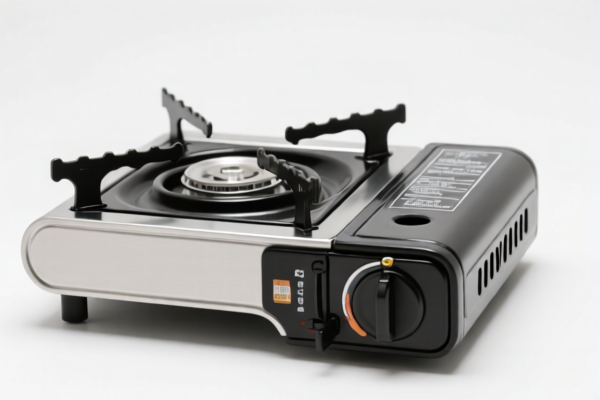
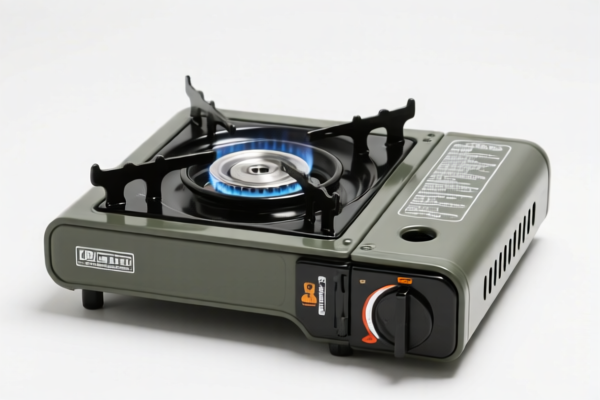
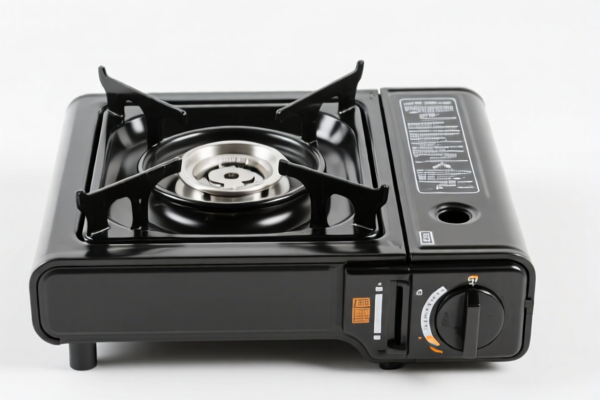
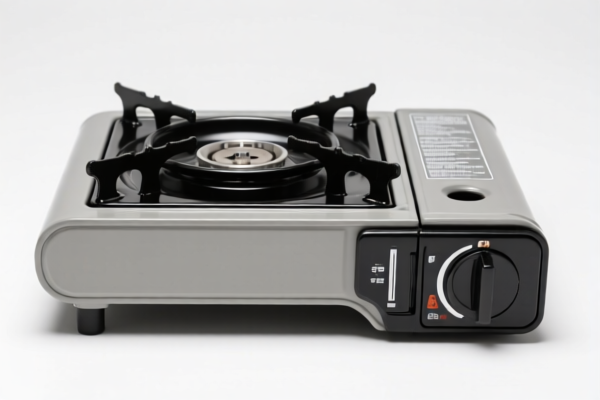
AI Analysis
🔥 Flame Heater (Industrial & Commercial Gas Burners)
🌐 HS Code Reference & Customs Clearance Guide | 2026 Latest Tariff Analysis | Professional Strategy
📌 I. Product Definition & Classification: Do You Understand the "Flame Heater"?
A Flame Heater generally refers to devices that generate heat through the combustion of fuel (gas, oil, etc.). In international trade, its classification depends heavily on its function, portability, and structural integration.
Key Classification Scenarios: * Industrial Burners/Boiler Parts: Fixed installation, part of a heating system or boiler. * Portable/Handheld Tools: Self-contained, battery/motor-driven, or manual handling devices. * Mechanical Appliances: General machinery with specific heating functions but not classified elsewhere.
⚠️ Critical Distinction:
- If it is a burner component for a furnace or boiler →归入 Chapter 84 (8416).
- If it is a portable handheld tool with its own motor/driver →归入 Chapter 84 (8467) or 8479.
- If it is a general mechanical appliance not specified elsewhere →归入 Chapter 84 (8479).
📦 II. HS Code Classification Matrix (2026 Tariff Book)
Based on the provided data, here are the possible HS Codes for Flame Heaters, categorized by their technical definition and duty impact.
| HS Code | Product Description & Technical Basis | Duty Impact | Key Feature |
|---|---|---|---|
| 8416.20.00.80 | Flame Heater (Furnace Burner): Classified as a furnace burner or thermal equipment. Fits the definition of "Other furnace burners." | 17.5% | Fixed/Industrial use, part of heating equipment. |
| 8416.20.00.40 | Flame Heater (Gas Burner): Utilizes gas/fuel for heating. Fits "Gas burners or other thermal gas burners." | 17.5% | Gas-fueled, specific burner application. |
| 8479.89.95.99 | Flame Heater (General Machinery): Classified as a mechanical appliance with independent function. Fits the "Other machinery" catch-all. | 87.5% ⚠️ | High Duty. Independent machine, not a simple burner. |
| 8479.89.65.00 | Flame Heater (Specific Machine): Classified as a machine/equipment with specific function. Fits the "Other electro-mechanical apparatus" catch-all. | 20.3% | Specific function, but not a standard burner. |
| 8467.29.00.90 | Flame Heater (Handheld Tool): Classified as a handheld tool. Belongs to tools with self-contained electric motor or power-driven nature. | 17.5% | Portable, handheld, motor-driven. |
🔍 重点提醒 (Key Reminders):
- 8416 Series (Burners): Best for industrial/fixed heating systems. Lower duty (17.5%).
- 8467 Series (Tools): Best for portable, handheld devices. Lower duty (17.5%).
- 8479 Series (General Machinery): Avoid if possible. High duty (20.3% - 87.5%). Only use if the device does not fit the "burner" or "tool" definitions.
- Material Surcharges: For 8479.89.95.99, note the 50% additional tariff for steel, aluminum, or copper products, leading to the massive 87.5% total.
💰 III. 2026 Tariff Rate Detailed Breakdown (US Market)
✅ Applicable Country: USA (US)
✅ Origin: China (CN)
✅ Effective Time: 2025/2026 Tariff Year
🎯 1. 8416.20.00.80 & 8416.20.00.40 —— Industrial Burners & Gas Burners
| Item | Details |
|---|---|
| Base Tariff | 0.0% (Ad Valorem) |
| Section 301 Additional Tariff | +7.5% |
| IEEPA Section 122 Tariff | +10% (Specific to certain Chinese goods) |
| Total Duty Rate | 17.5% |
| Calculation Basis | CIF Value × 17.5% |
| De Minimis Eligibility | ❌ Not Eligible (Generally excluded for Chinese machinery/energy equipment) |
| Legal Reference Path | USITC:8416.20.00 → Section 301: 7.5% → IEEPA: 10% |
📌 Explanation:
- Base 0%: The Harmonized Tariff Schedule (HTSUS) base rate for these burners is often low or zero.
- Section 301 (7.5%): Standard additional tariff on Chinese machinery.
- IEEPA (10%): Additional tariff under the International Emergency Economic Powers Act.
- Total 17.5%: A moderate duty rate, manageable for industrial supply chains.
🎯 2. 8467.29.00.90 —— Handheld Flame Tools
| Item | Details |
|---|---|
| Base Tariff | 0.0% |
| Section 301 Additional Tariff | +7.5% |
| IEEPA Section 122 Tariff | +10% |
| Total Duty Rate | 17.5% |
| Calculation Basis | CIF Value × 17.5% |
| De Minimis Eligibility | ❌ Not Eligible |
| Legal Reference Path | USITC:8467.29.00 → Section 301: 7.5% → IEEPA: 10% |
📌 Note:
- Despite being a "tool," if it uses electricity/motor, it falls under 8467.
- The duty structure is identical to the industrial burners in this dataset (17.5%).
- Ensure the product is genuinely "handheld" or "portable" to avoid misclassification into 8479.
🎯 3. 8479.89.65.00 —— Specific Mechanical Appliances
| Item | Details |
|---|---|
| Base Tariff | 2.8% |
| Section 301 Additional Tariff | +7.5% |
| IEEPA Section 122 Tariff | +10% |
| Total Duty Rate | 20.3% |
| Calculation Basis | CIF Value × 20.3% |
| De Minimis Eligibility | ❌ Not Eligible |
| Legal Reference Path | USITC:8479.89.65 → Section 301: 7.5% → IEEPA: 10% |
📌 Warning:
- Higher base rate (2.8%) compared to burners/tools.
- Use only if the device has a specific function not covered by 8416 (burners) or 8467 (tools).
🎯 4. 8479.89.95.99 —— General Mechanical Appliances (Highest Risk)
| Item | Details |
|---|---|
| Base Tariff | 2.5% |
| Section 301 Additional Tariff | +25.0% |
| IEEPA Section 122 Tariff | +10% |
| Steel/Aluminum/Copper Surcharge | +50% (If constructed of these materials) |
| Total Duty Rate | 87.5% (Max) |
| Calculation Basis | CIF Value × 87.5% |
| De Minimis Eligibility | ❌ Not Eligible |
| Legal Reference Path | USITC:8479.89.95 → Section 301: 25% → IEEPA: 10% → Material Surcharge: 50% |
📌 Critical Alert:
- This is the worst-case scenario.
- The 25% Section 301 tariff applies to this catch-all category.
- If the heater has steel, aluminum, or copper components, an additional 50% tariff is levied.
- Total 87.5% can destroy profit margins. Avoid this classification if possible.
🛠️ IV. Customs Clearance Practical Advice (Avoid Pitfalls)
✅ 1. Documentation Checklist
| Document | Required | Notes |
|---|---|---|
| ✅ Product Technical Manual | ✔️ | Clearly state if it is a "Burner," "Tool," or "Mechanical Appliance." |
| ✅ Schematic Diagram | ✔️ | Show if it includes a motor, battery, or is purely fuel-driven. |
| ✅ Photos (With Label) | ✔️ | Show the brand, model, input/output specs, and portability. |
| ✅ Commercial Invoice | ✔️ | Use precise HS Code description (e.g., "Gas Furnace Burner" vs. "Handheld Heat Gun"). |
| ✅ Bill of Lading/Packing List | ✔️ | Ensure weight and dimensions match. |
✅ 2. Classification Strategy (The "Golden Rules")
🔥 "Burner vs. Tool vs. Machine: Choose Wisely!"
| Scenario | Recommended HS Code | Why? |
|---|---|---|
| Industrial Boiler Component | 8416.20.00.40 / .80 |
It is a burner. Low duty (17.5%). |
| Portable Heat Gun/Blowtorch | 8467.29.00.90 |
It is a handheld tool. Low duty (17.5%). |
| Large Standalone Heating Unit | 8479.89.65.00 |
If it doesn't fit "burner" or "tool." Moderate duty (20.3%). |
| Metal-heavy General Machine | 8479.89.95.99 |
AVOID. Highest duty (87.5%). Only if no other fit exists. |
✅ 3. Special Cases
| Situation | Advice |
|---|---|
| Mixed Materials | If the device is mostly steel/aluminum, avoid 8479.89.95.99 due to the 50% surcharge. Try to classify as 8416 or 8467 if technically accurate. |
| Electric vs. Gas | Electric handheld heaters often go to 8467. Gas burners go to 8416. Gas handheld torches may go to 8467 or 8479 depending on motor presence. |
| OEM/White Label | Ensure the invoice description matches the technical function, not just the brand. |
🌍 V. Global Market Comparison (2026)
| Market | Typical HS Code | Estimated Duty (China Origin) | Notes |
|---|---|---|---|
| 🇺🇸 USA | 8416 / 8467 |
17.5% (Standard) | Avoid 8479 due to 87.5% risk. |
| 🇪🇺 EU | 8416 / 8467 |
0% - 4.5% | Lower tariffs, but stricter Ecodesign/CE rules. |
| 🇨🇳 China | 8416 / 8467 |
0% - 10% | Import duties vary; watch out for VAT. |
| 🇬🇧 UK | 8416 / 8467 |
0% - 4.5% | Post-Brexit tariff structure similar to EU. |
📌 Conclusion:
- The USA is the most challenging market due to Section 301 and IEEPA surcharges.
- Europe offers lower duties but higher compliance/certification costs (CE, RoHS, WEEE).
- Correct Classification is the #1 way to save money in the US market.
📌 VI. Common Mistakes & Pitfalls
❌ Mistake 1: Classifying a Handheld Gas Torch as a "General Machine" (8479)
👉 Consequence: If it has no motor, it might be 8479.89.95.99 → 87.5% Duty.
👉 Fix: If it is manually operated, check Chapter 82 (Hand Tools) or 8467 if powered. If purely gas, 8416 might not apply; check 7321 (Cooking/Stoves) or 8416 if it's a burner. Note: Based on the data, 8467 is suggested for motor-driven, so verify if the tool is motorized.
❌ Mistake 2: Classifying an Industrial Burner as a "Tool" (8467)
👉 Consequence: Misdeclaration. Customs may reclassify to 8416 or 8479, leading to penalties.
👉 Fix: If it's part of a fixed system, use 8416.
❌ Mistake 3: Ignoring Material Composition
👉 Consequence: For 8479.89.95.99, steel/aluminum/copper triggers a 50% surcharge.
👉 Fix: Avoid this HS Code if the product is metal-heavy.
✅ Correct Action:
"Gas Furnace Burner, Model XYZ, for Industrial Boiler, Fixed Installation" → 8416.20.00.40
"Electric Handheld Heat Gun, Model ABC, with Motor" → 8467.29.00.90
🎯 VII. Conclusion: Smart Classification, Maximum Savings
🎯 Remember:
🔹 "Burners & Tools: 17.5% is your friend."
🔹 "General Machine (8479): 87.5% is your enemy."
🔹 "Check Materials: Steel/Aluminum/Copper = Extra 50% Tax."
📌 Pro Tip:
If your Flame Heater is a burner or a handheld tool, insist on 8416 or 8467 classification. These have the lowest duties (17.5%) and are clearly defined. Only use 8479 as a last resort if the product is a unique mechanical appliance that doesn't fit other categories.
📣 Immediate Action:
📞 Consult a Customs Broker to verify the technical definition of your specific product.
📄 Request a Binding Tariff Ruling from US Customs if the product is complex.
💡 Optimize Product Design to fit into lower-tariff categories (e.g., ensure it's clearly a "burner" or "tool").
✨ Professional Clearance Starts with Accurate Classification!
💼 Every Percent Saved is Profit Kept!
Customer Reviews
About HS Code Classification
The Harmonized System (HS) is an internationally standardized nomenclature developed by the World Customs Organization (WCO) to classify traded products. Over 200 countries use the HS system as the basis for customs tariffs, trade statistics, and import/export regulations.
Each HS code follows a hierarchical structure:
- Chapter (2 digits) — Broad category of goods (e.g., Chapter 84: Machinery and Mechanical Appliances)
- Heading (4 digits) — More specific grouping within the chapter
- Subheading (6 digits) — Internationally standardized breakdown, used by all WCO member countries
- National subdivisions (8-10 digits) — Country-specific extensions for further classification, such as US HTSUS 10-digit codes
Correct HS code classification is essential for smooth customs clearance, accurate duty payment, and compliance with trade regulations. Misclassification can lead to customs delays, overpayment of duties, or penalties.
When importing from CN to US, the applicable tariff rates may include:
- Most-Favored-Nation (MFN) rate — The standard duty rate applied to WTO members
- General rate — Applied to countries without trade agreements
- Trade remedy duties — Additional tariffs such as Section 301 (anti-dumping), Section 232 (national security), or countervailing duties
The information provided on this page is for reference purposes only. For official classification, please consult with your local customs authority or a licensed customs broker.